
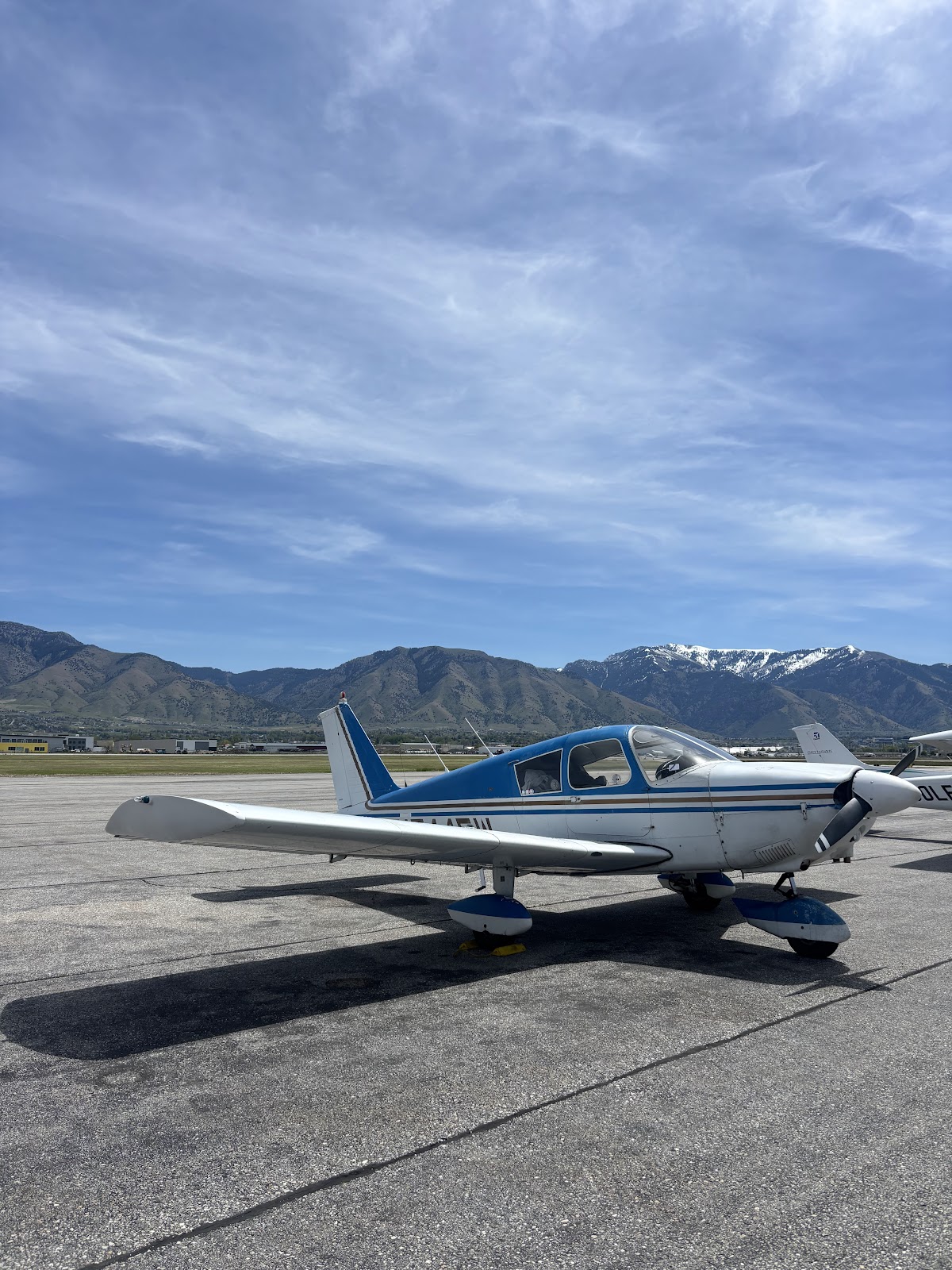
Logan, UT · KLGU

Flight schools by state
64 schools across 19 cities, with ratings and reviews from Google.
Airplane Helicopter Gyroplane College & university
Logan, UT · KLGU
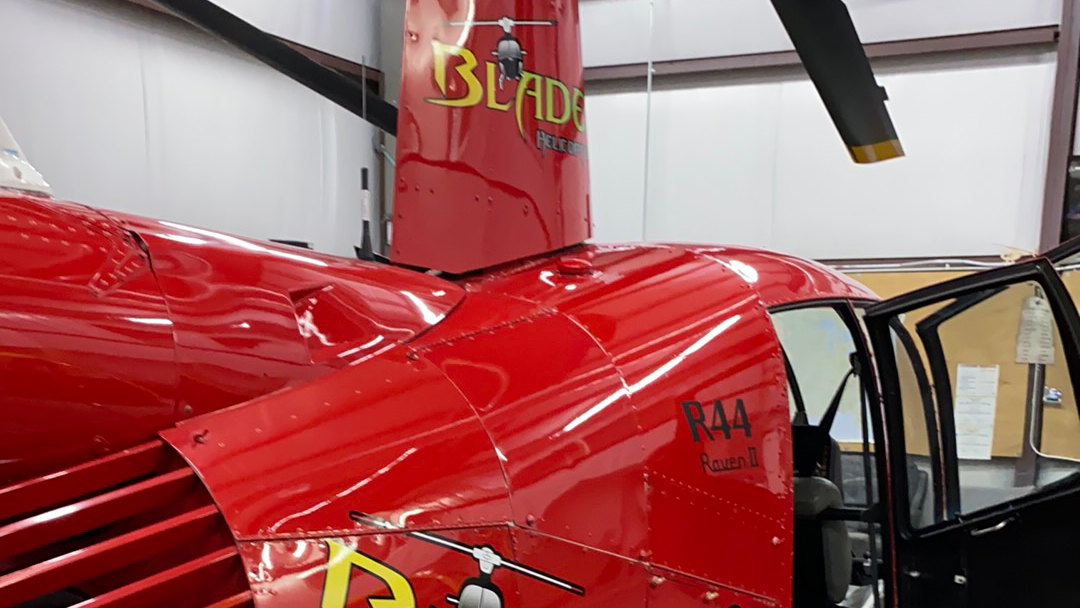
Ogden, UT · KOGD
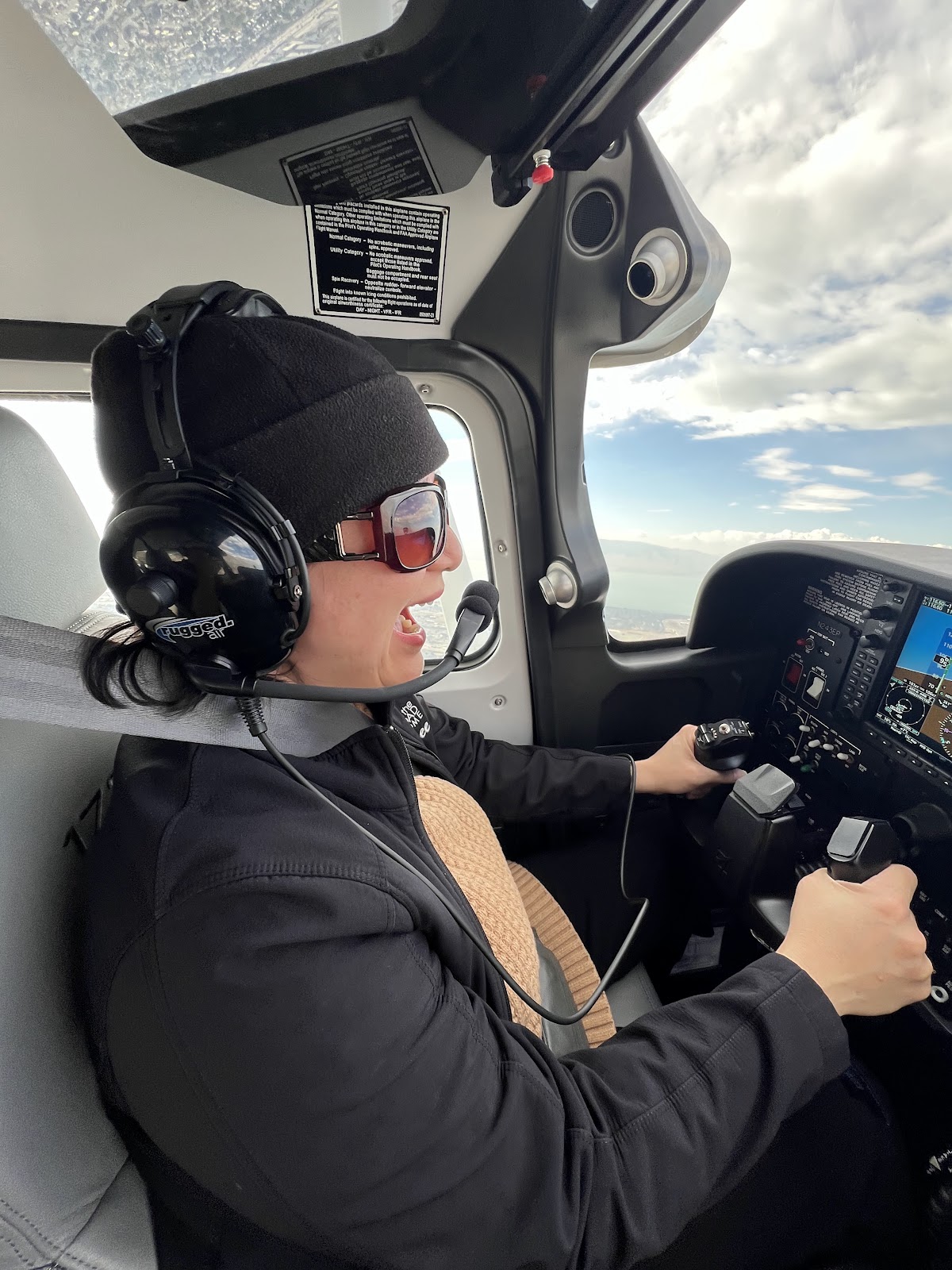
Provo, UT · KPVU
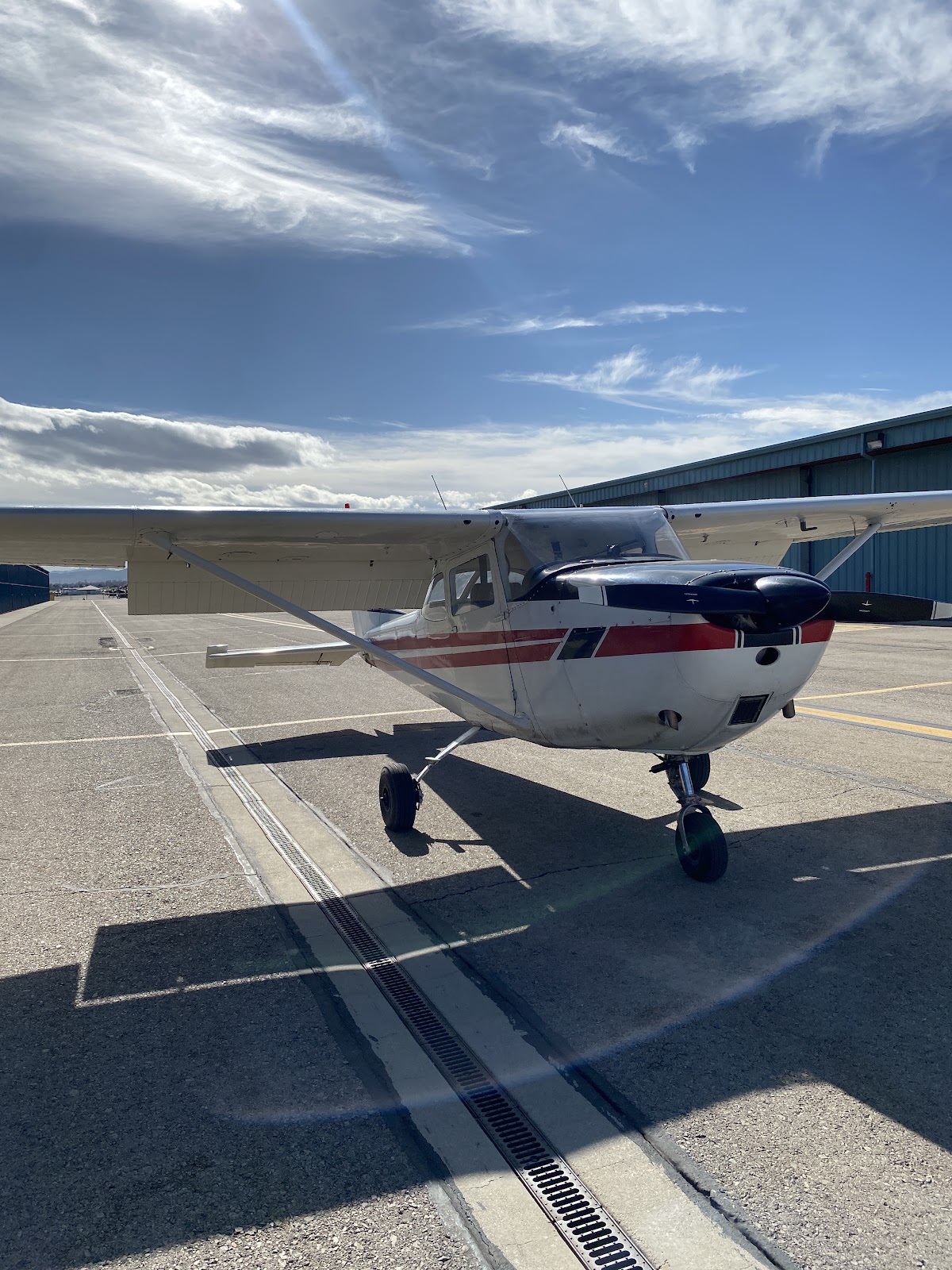
West Jordan, UT · KSVR
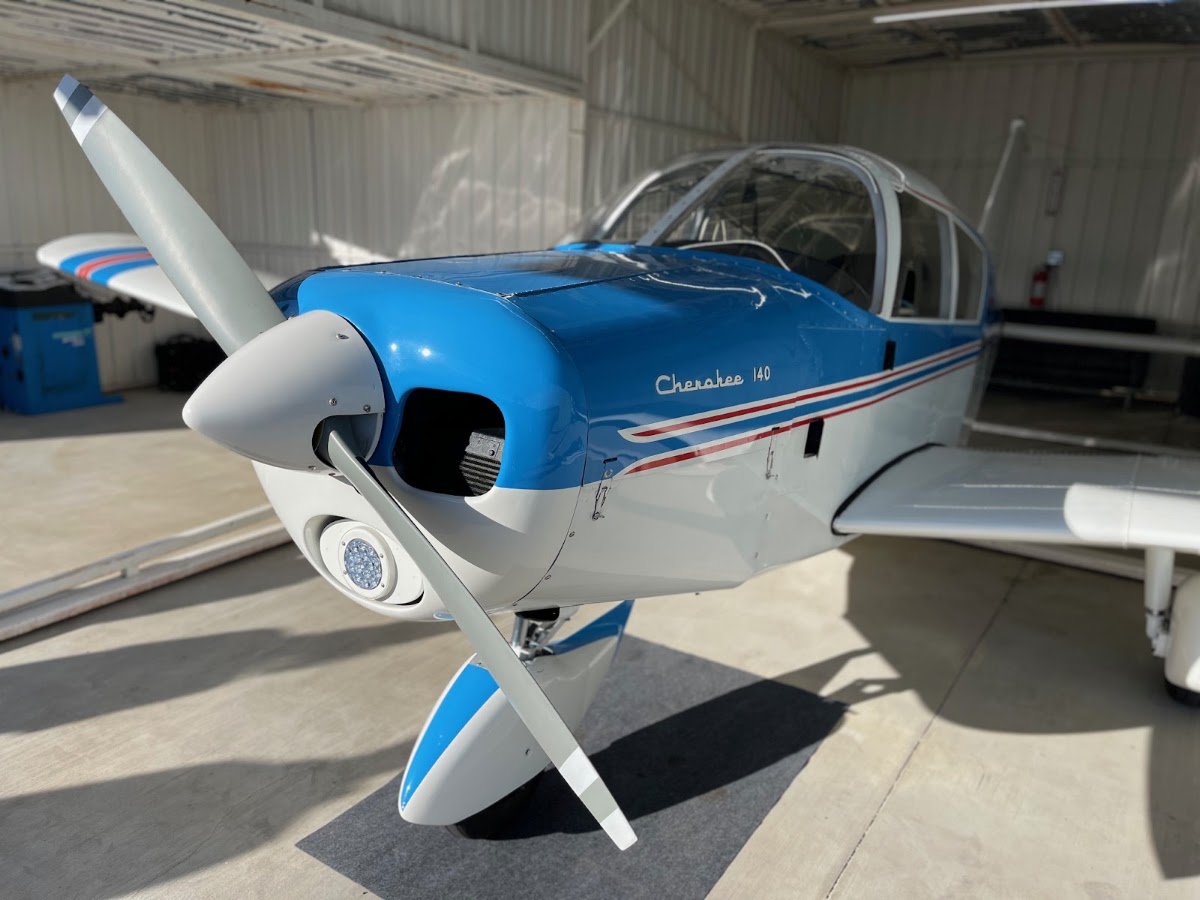
Provo, UT · KPVU
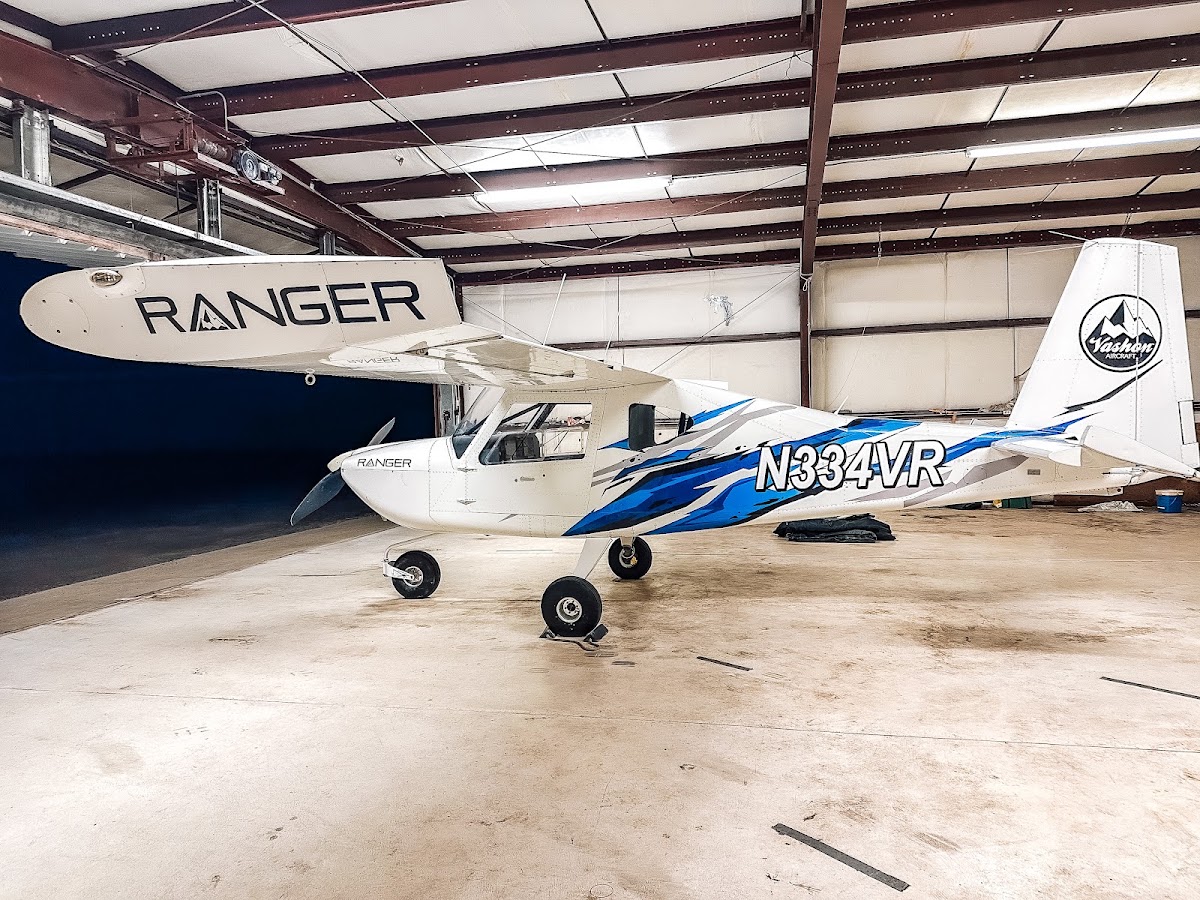
Vernal, UT · KVEL
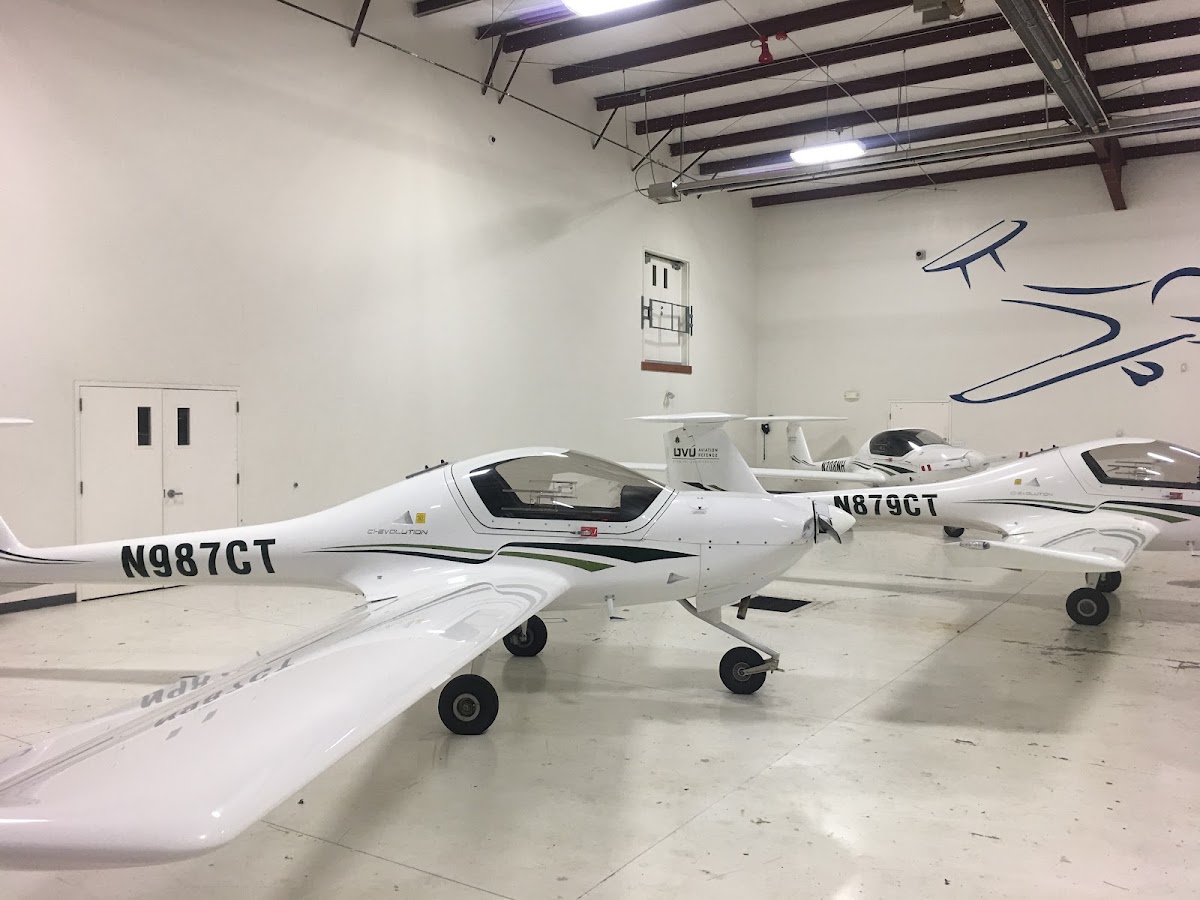
Provo, UT · KPVU
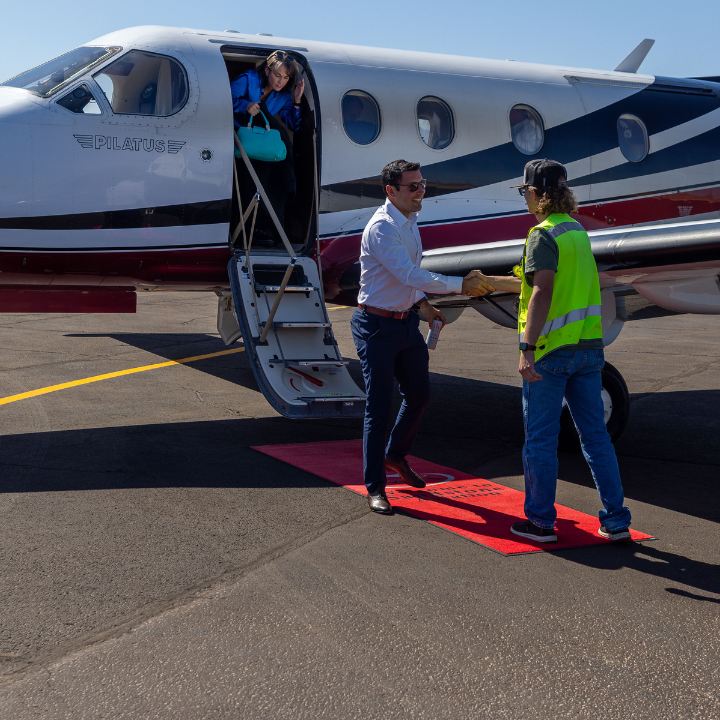
St. George, UT · KSGU
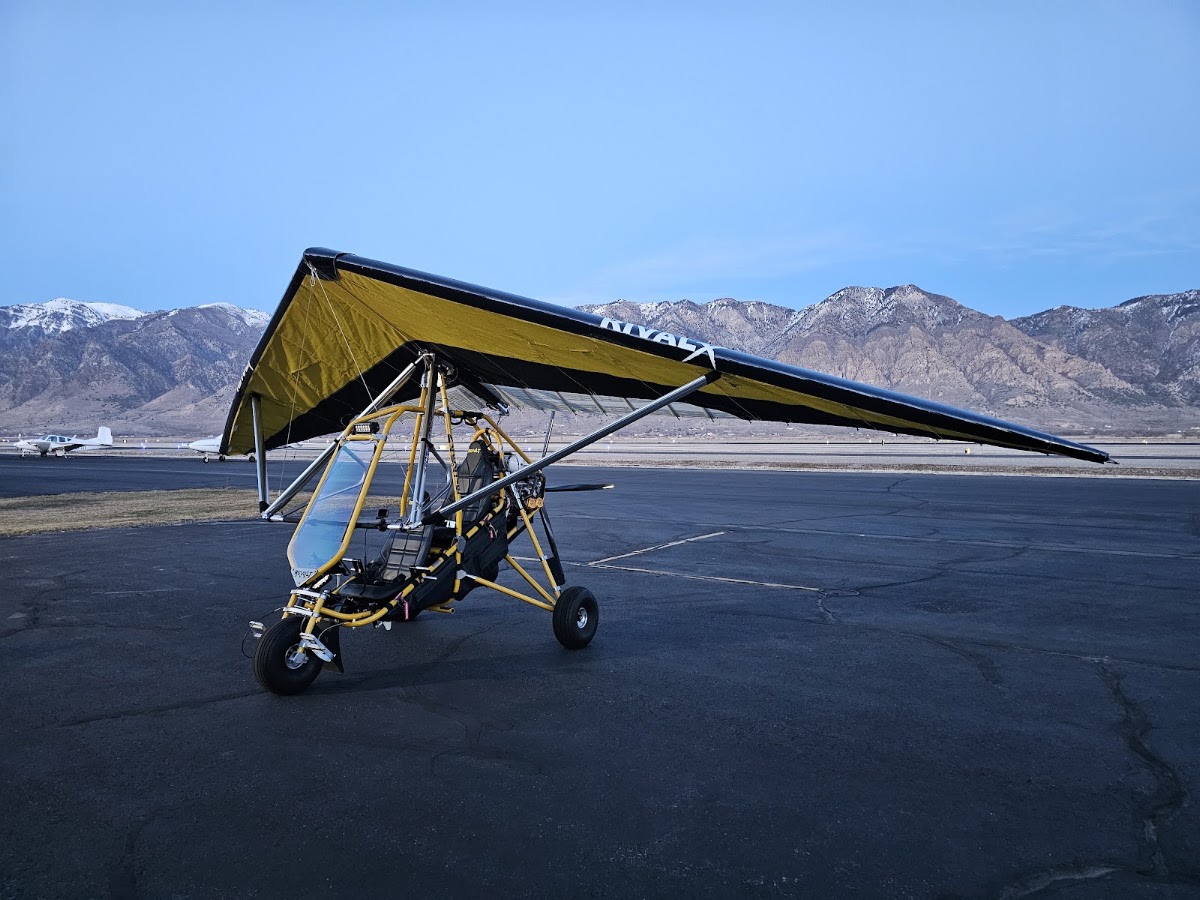
Brigham City, UT · KBMC
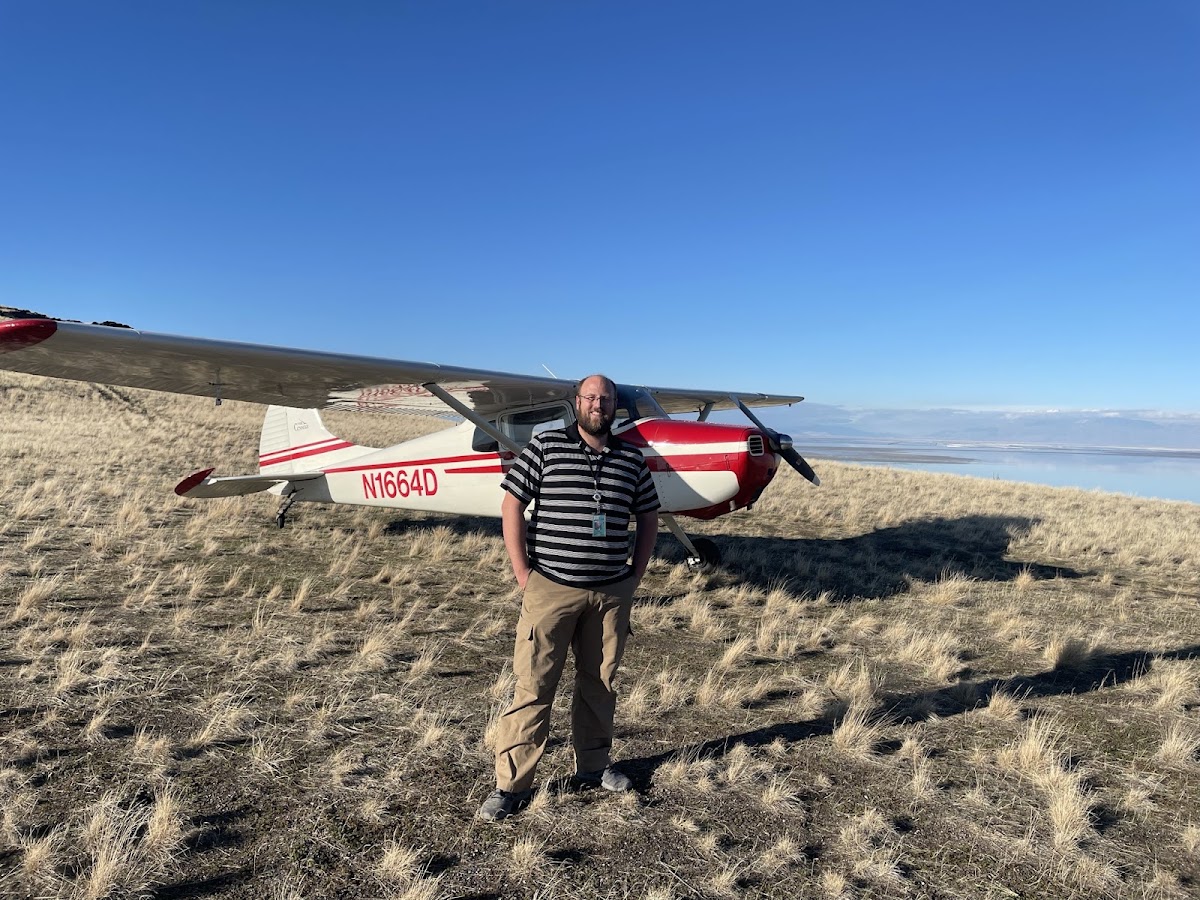
Ogden, UT · KOGD
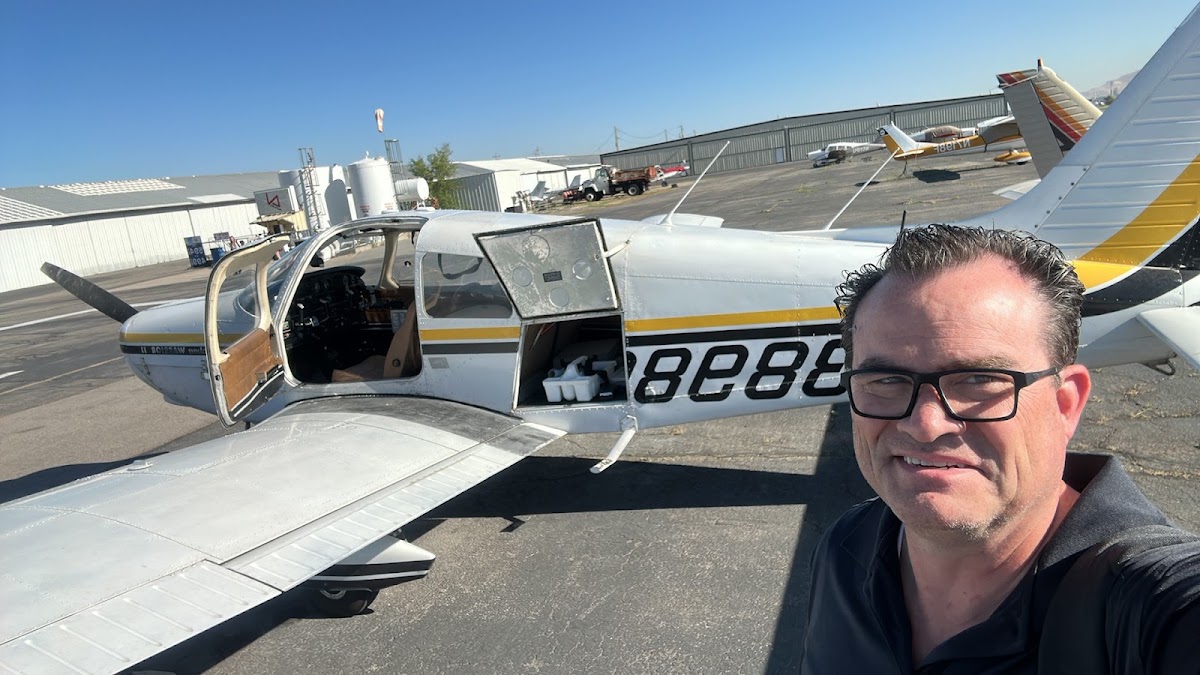
Woods Cross, UT · KBTF
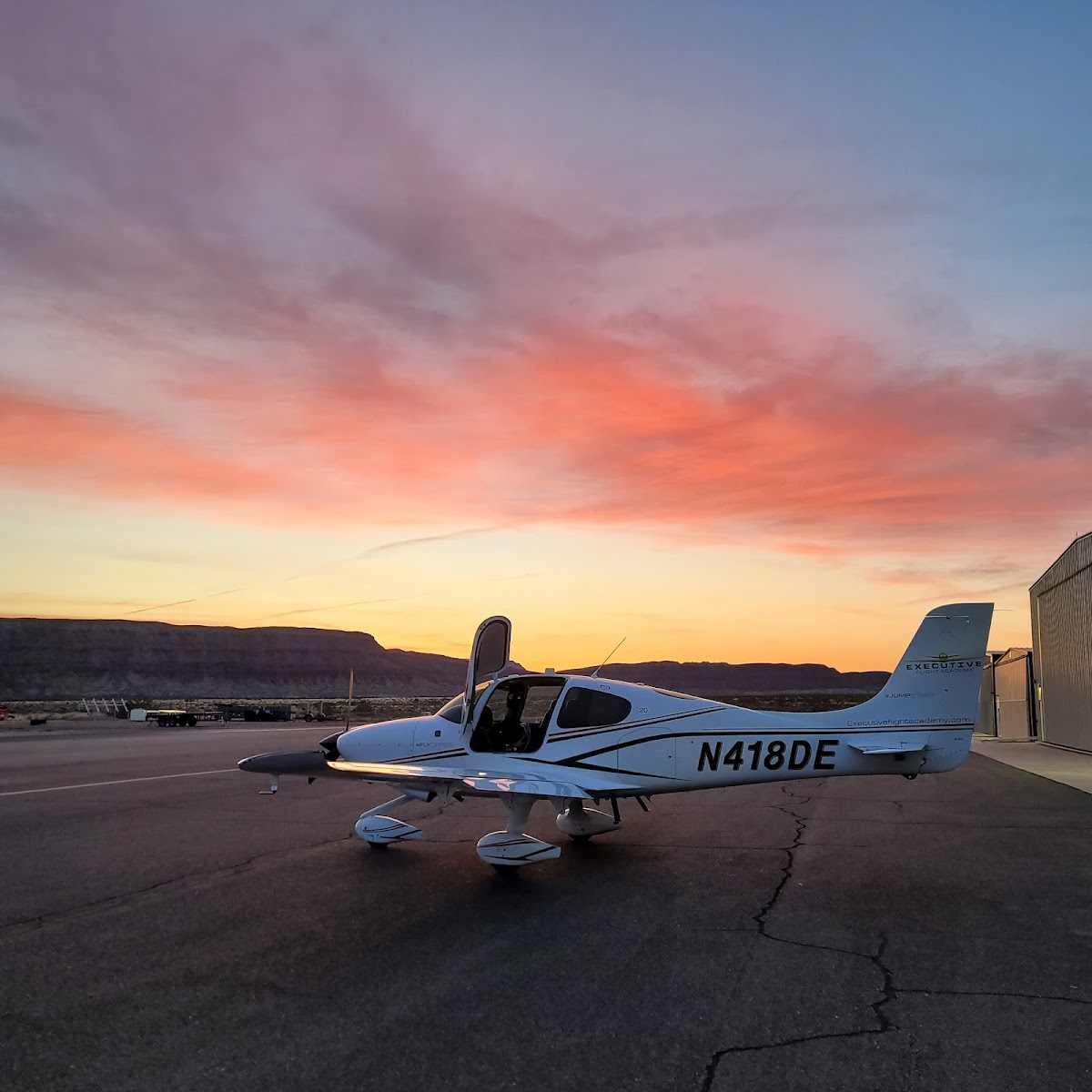
St. George, UT · KSGU
St. George, UT · KSGU
Salt Lake City, UT · KSLC
Provo, UT · KPVU
Spanish Fork, UT · KSPK
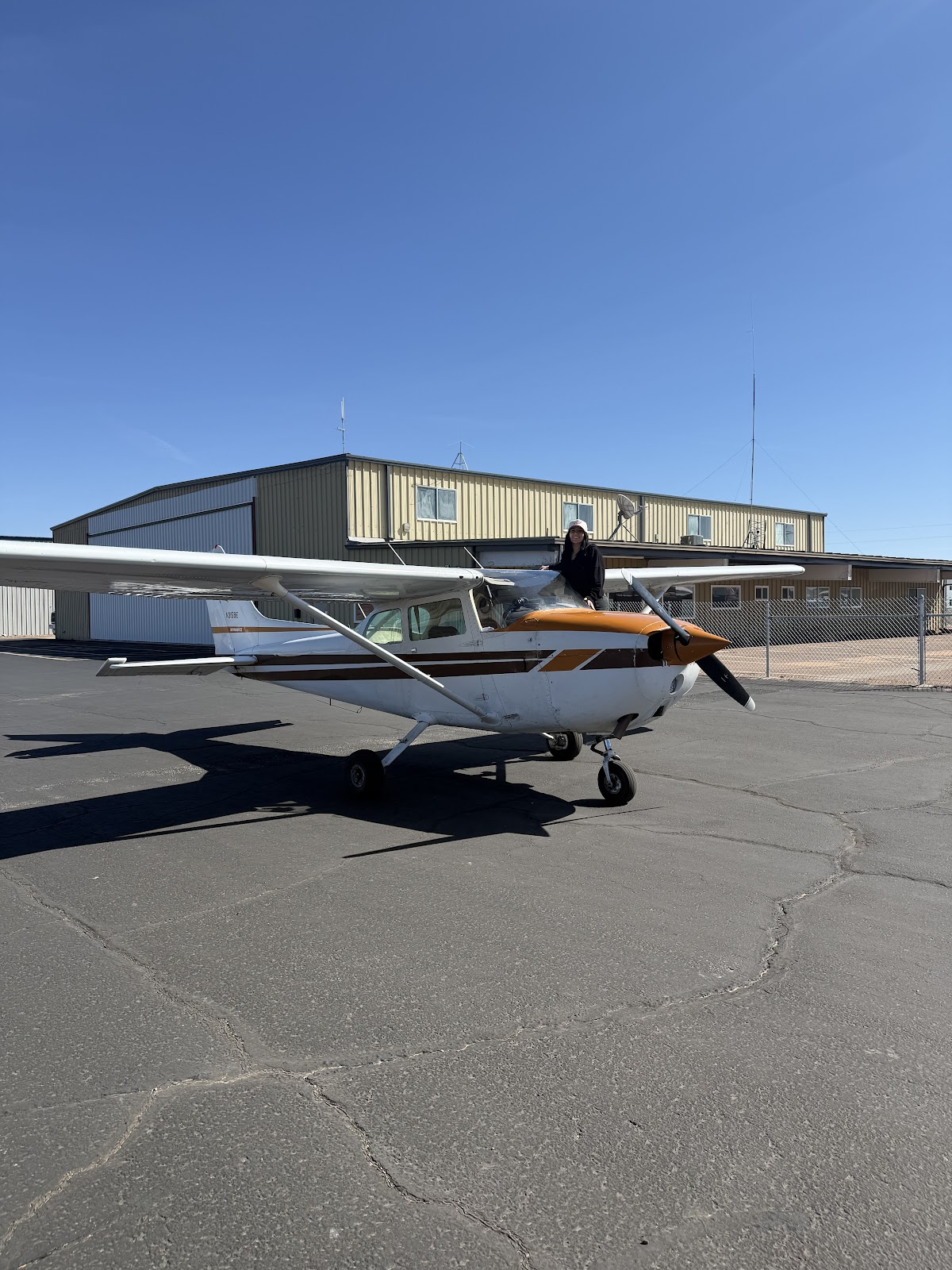
Roosevelt, UT · K74V
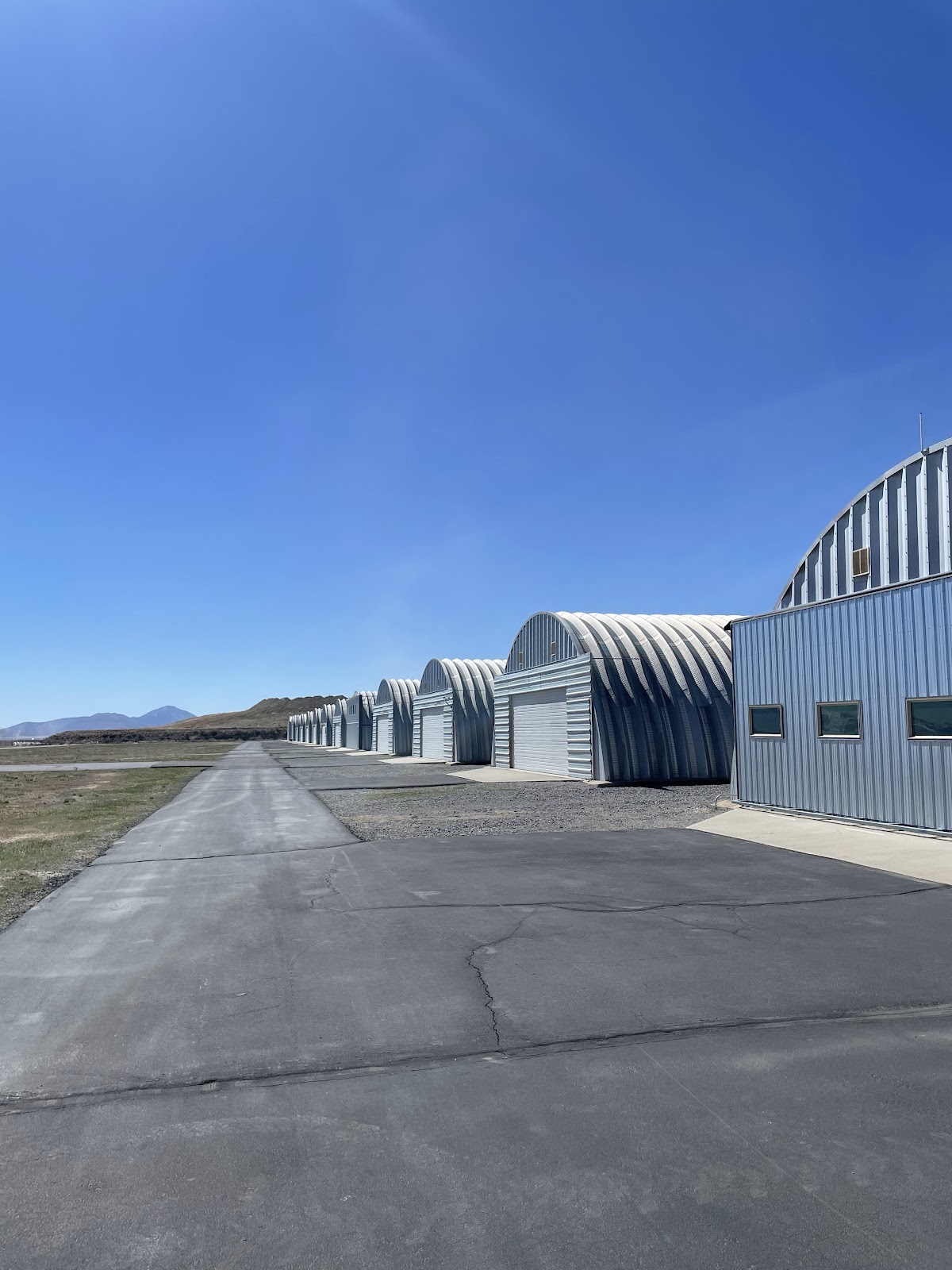
Fairfield, UT · UT99
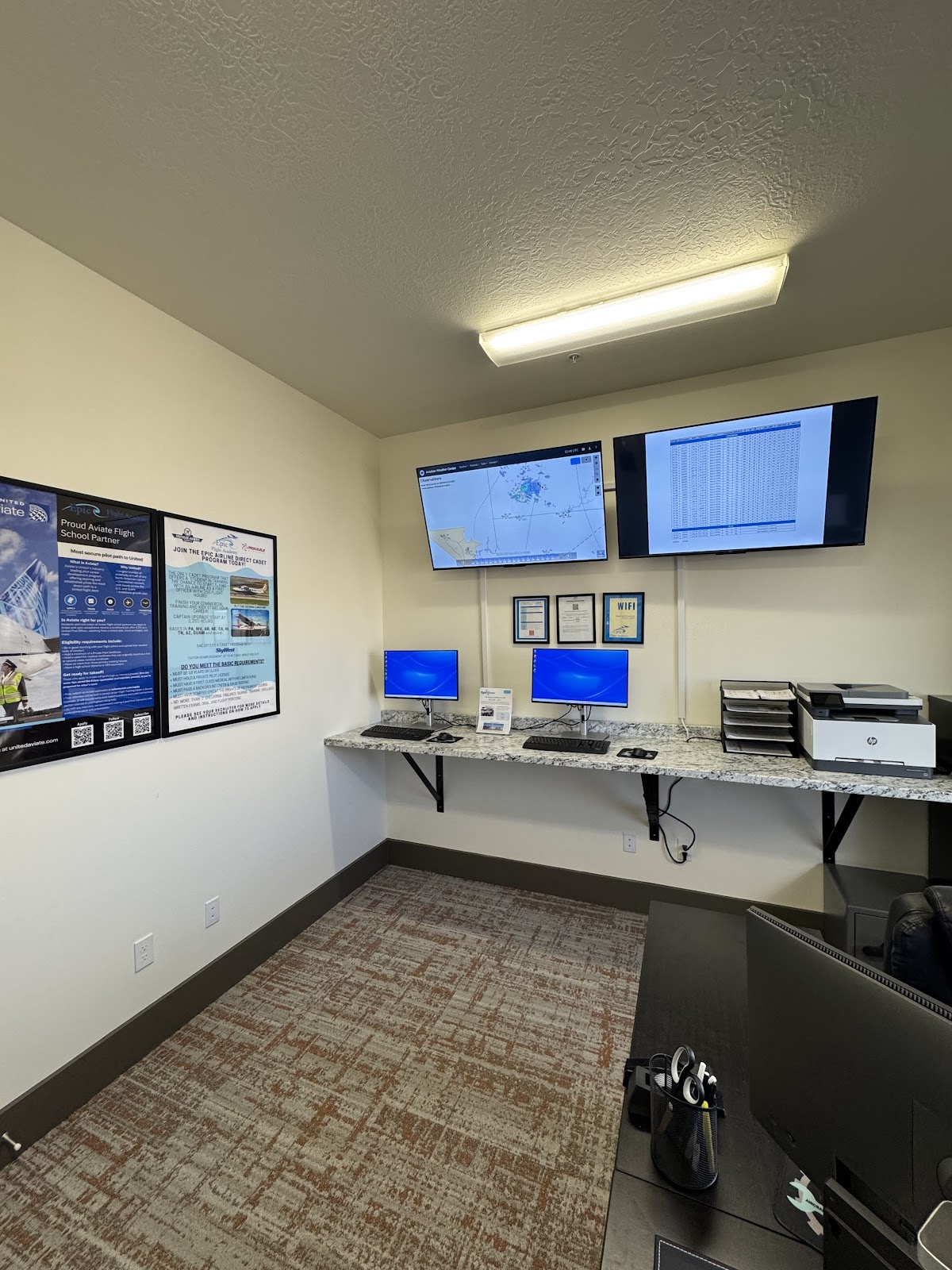
St. George, UT · KSGU
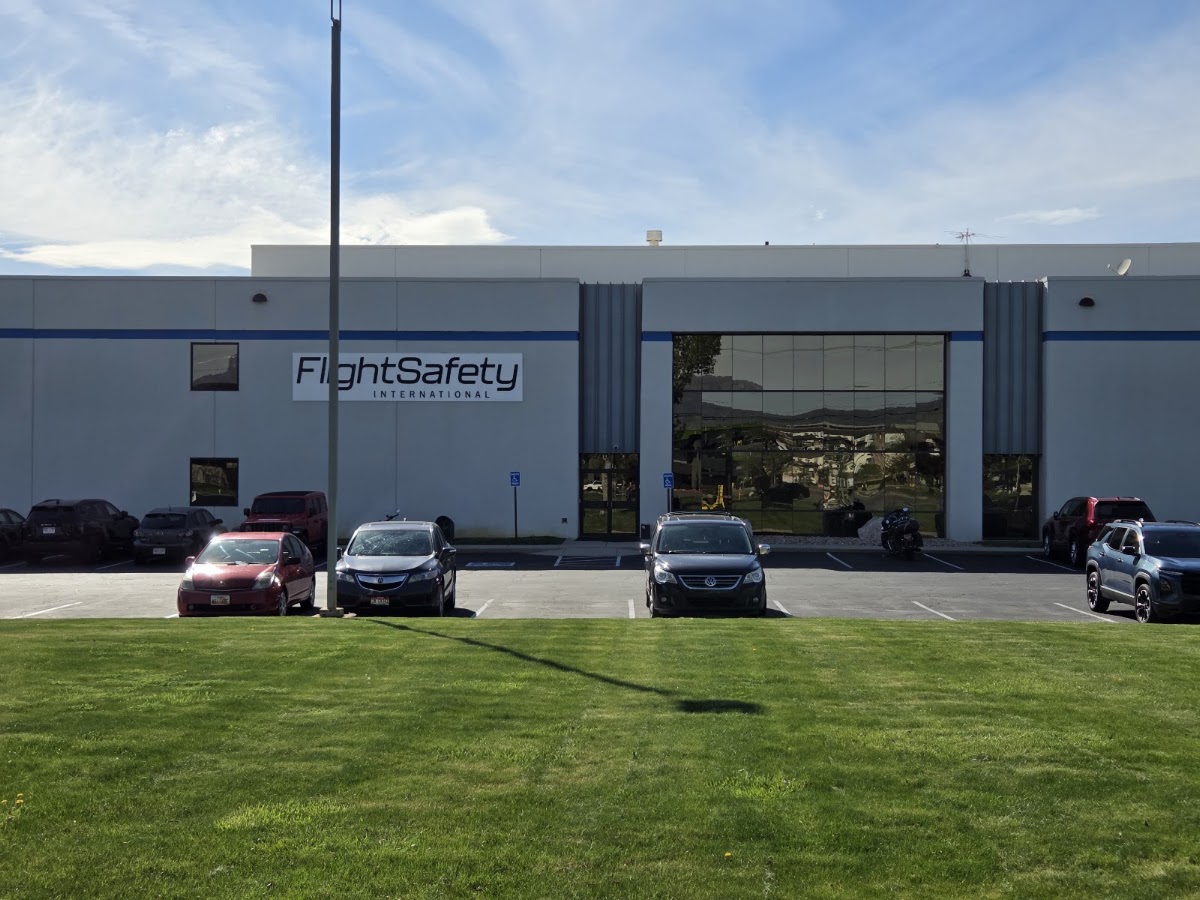
Salt Lake City, UT · KSLC
St. George, UT · KSGU
St. George, UT · KSGU
Hurricane, UT · K1L8
St. George, UT · KSGU
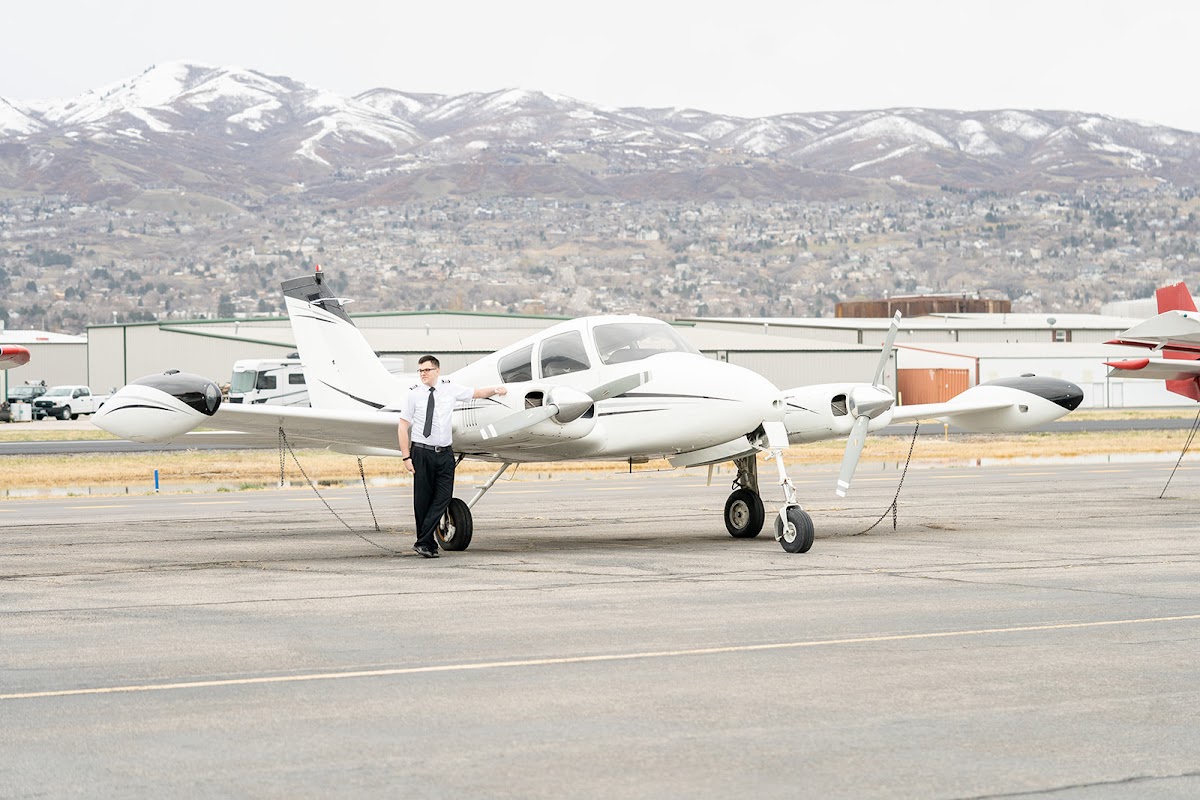
Ogden, UT · KOGD
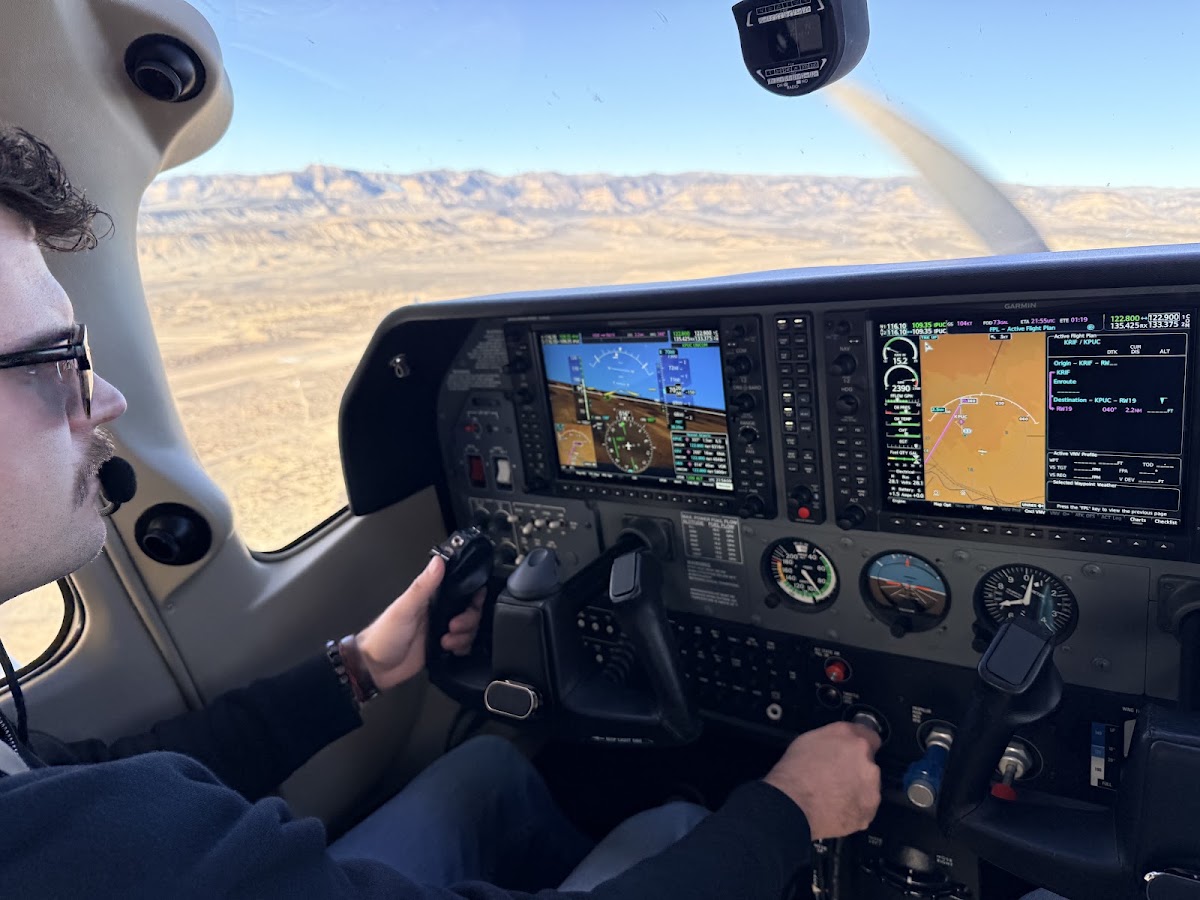
Richfield, UT · KRIF
Ogden, UT · KOGD
Manti, UT · K41U
Spanish Fork, UT · KSPK
Sandy, UT
Provo, UT · KPVU
St. George, UT · KSGU
Provo, UT · KPVU
Ogden, UT · KOGD
Ogden, UT · KOGD
Provo, UT · KPVU
West Jordan, UT · KSVR
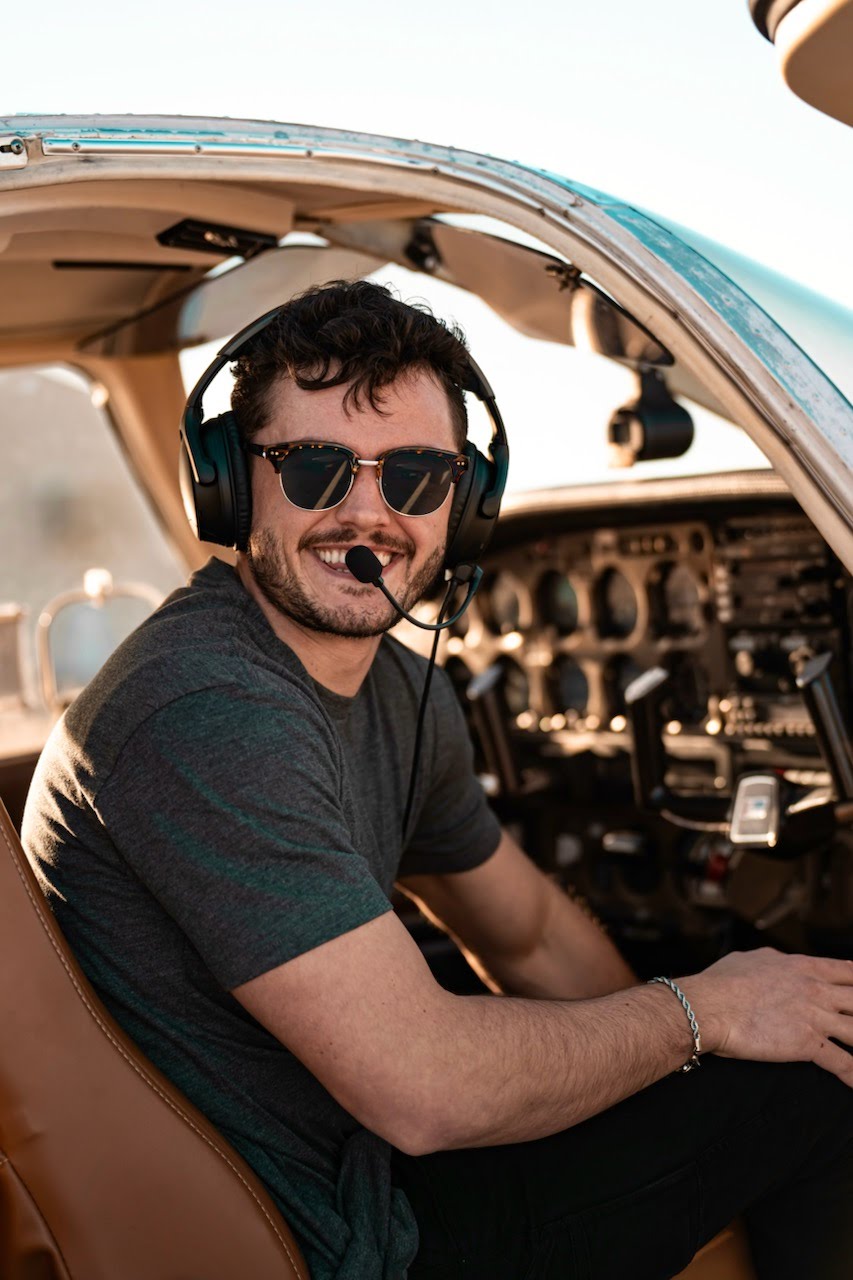
West Jordan, UT · KSVR
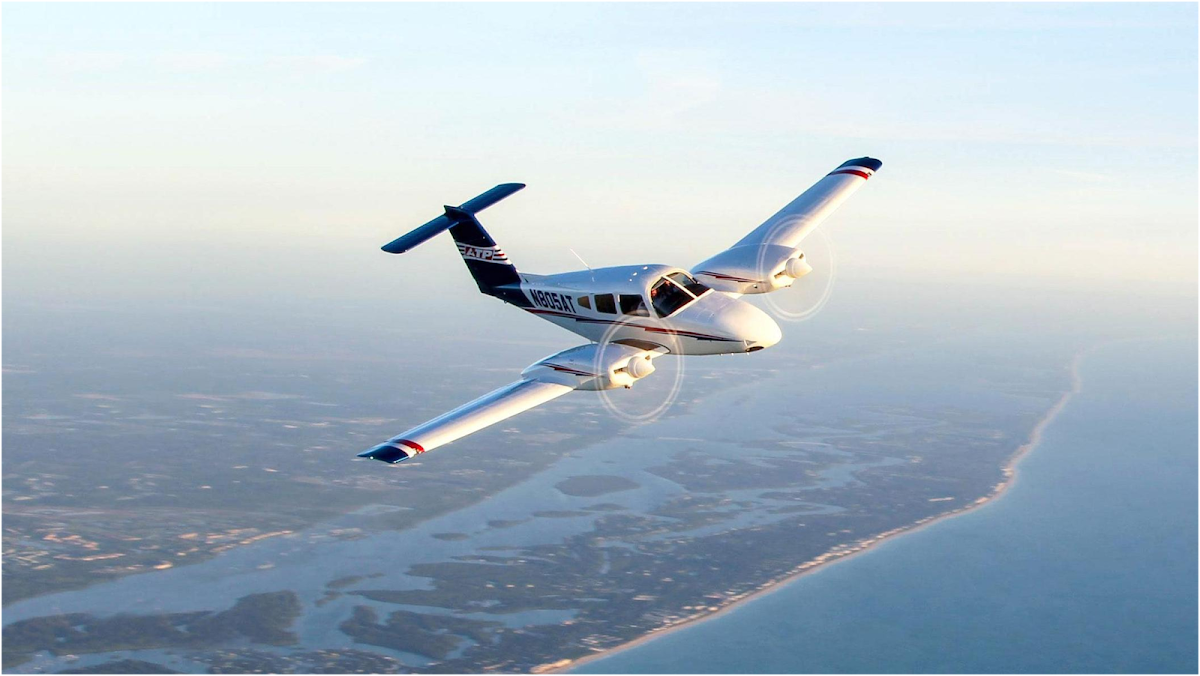
Ogden, UT · KOGD
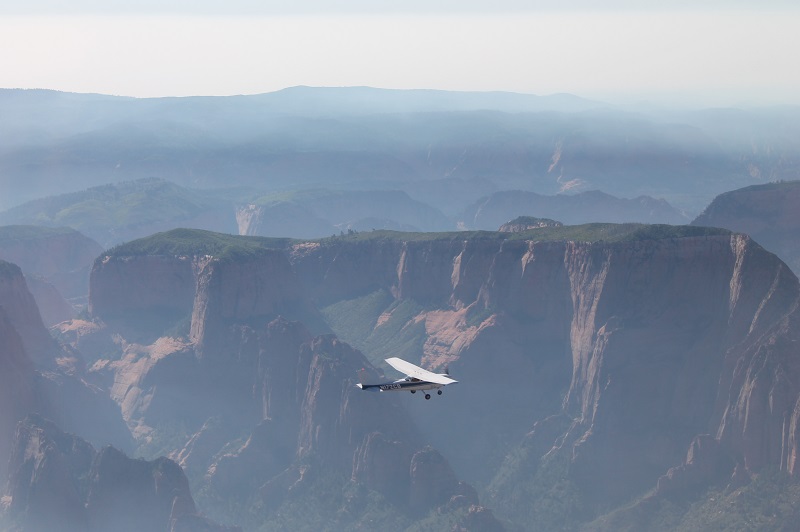
Hurricane, UT · K1L8
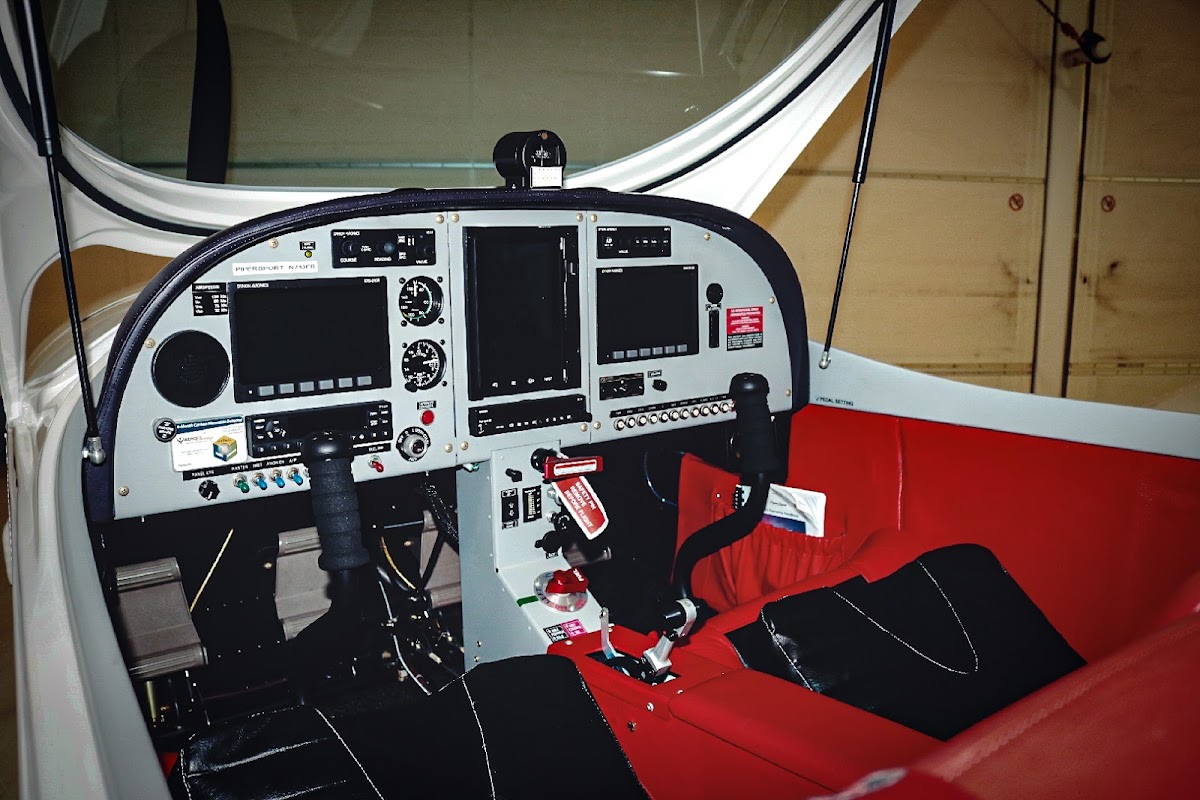
West Jordan, UT · KSVR
Salt Lake City, UT · KSLC
Ogden, UT · KOGD
West Jordan, UT · KSVR
Spanish Fork, UT · KSPK
West Jordan, UT · KSVR
Spanish Fork, UT · KSPK

Salt Lake City, UT · KSLC
Spanish Fork, UT · KSPK
West Jordan, UT · KSVR
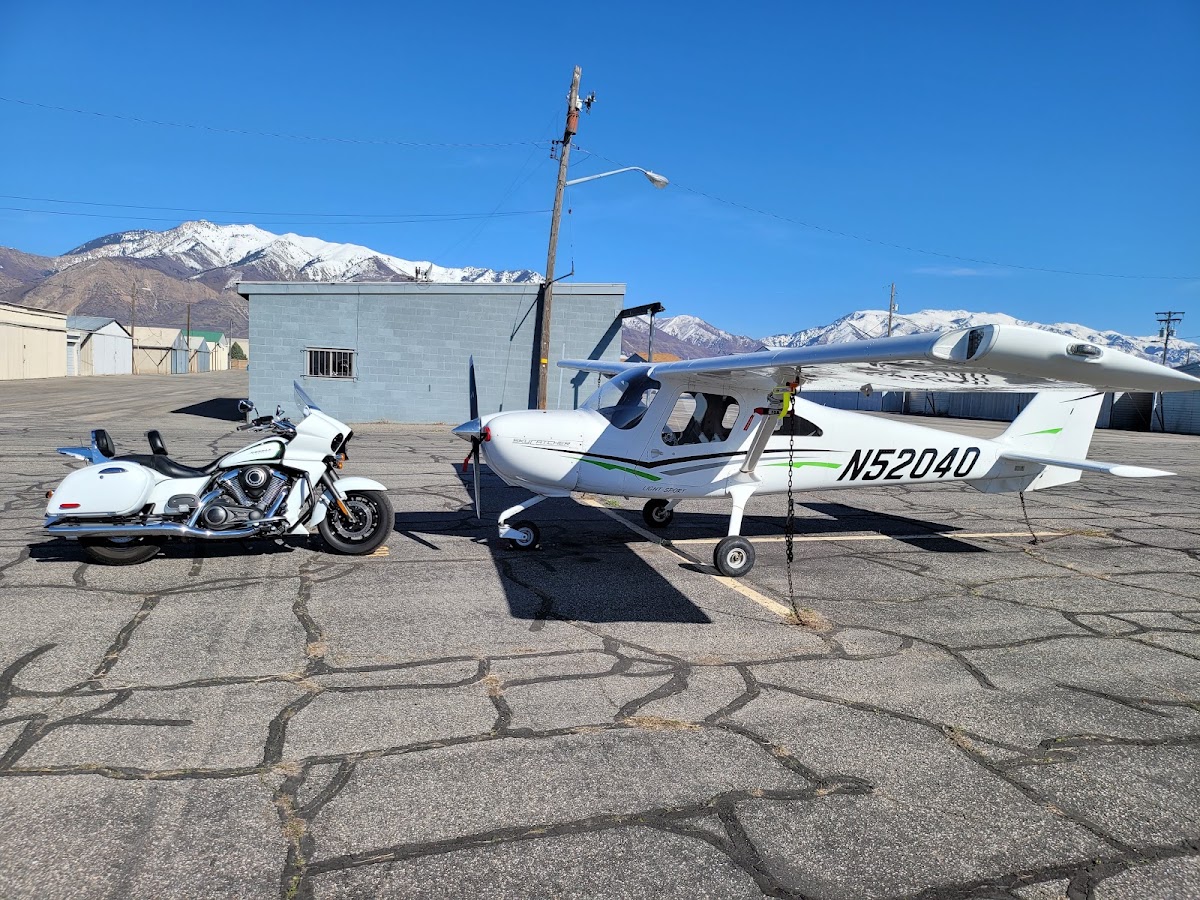
Ogden, UT · KOGD
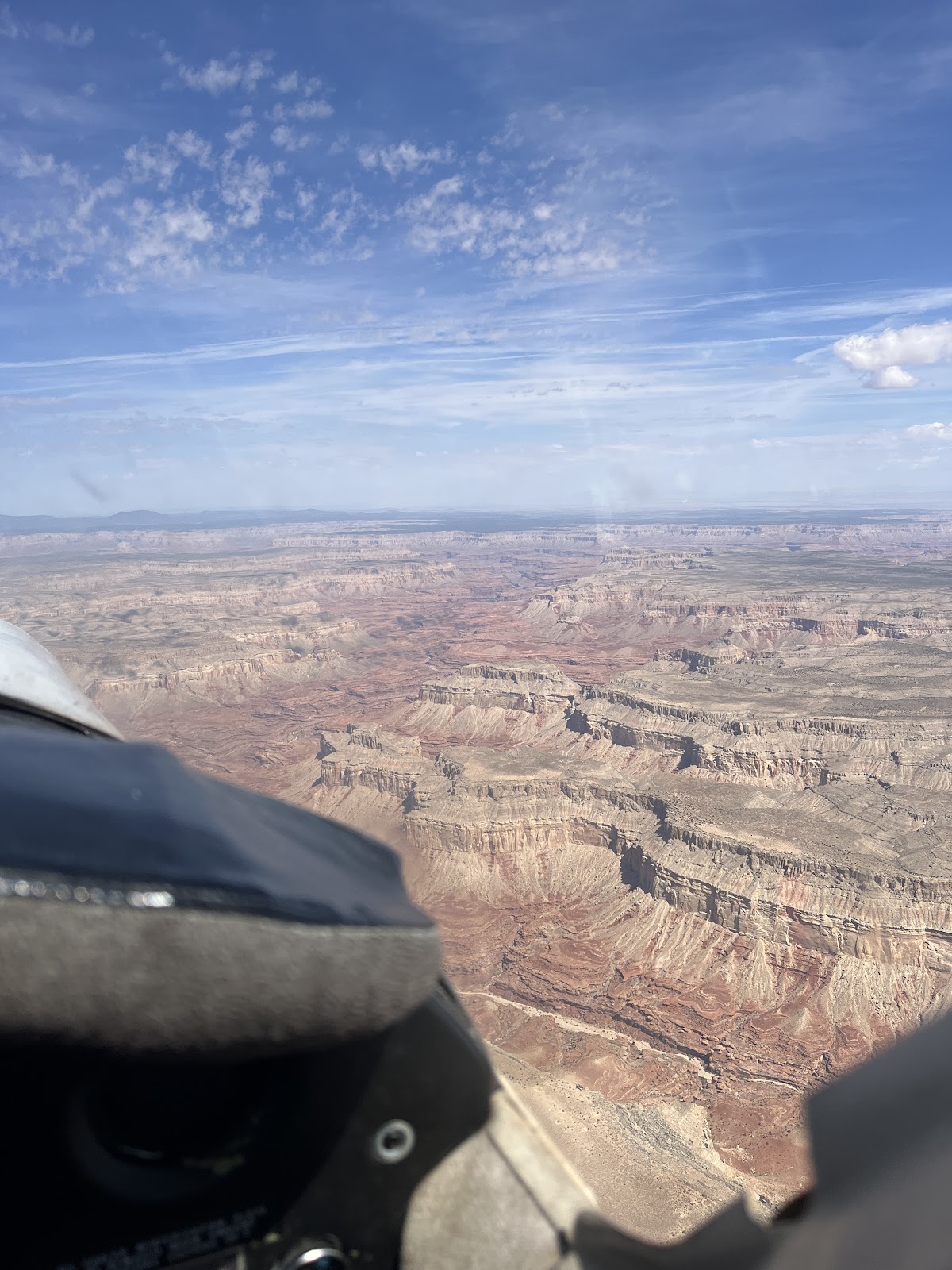
Hurricane, UT · K1L8
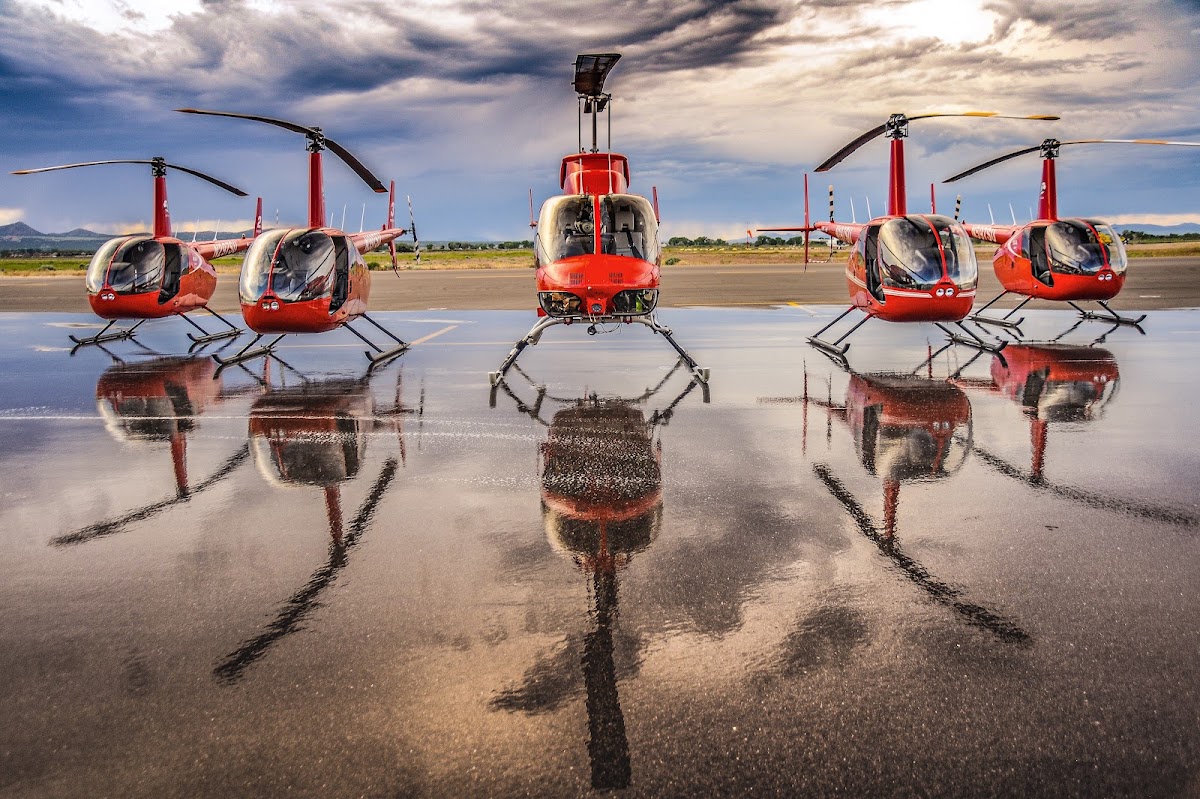
Cedar City, UT · KCDC
Spanish Fork, UT · KSPK
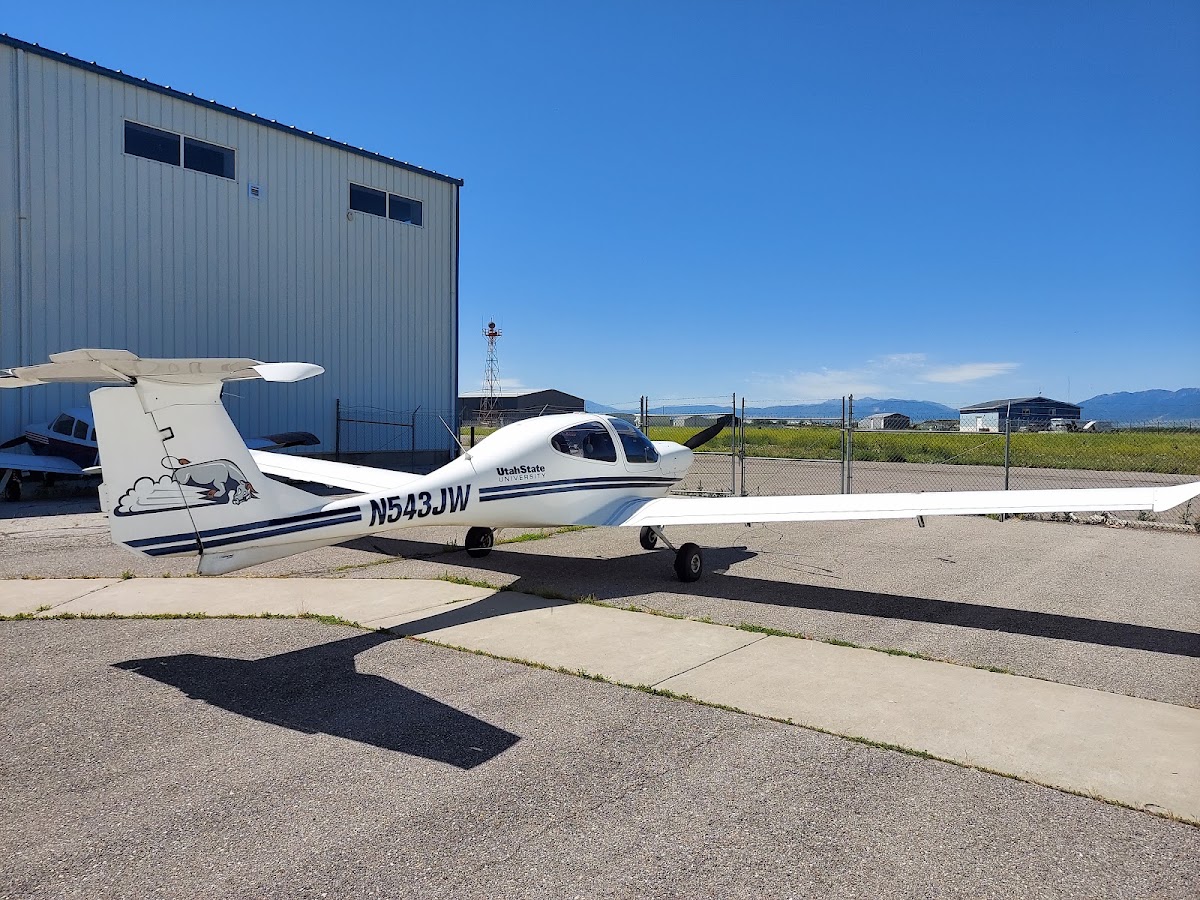
Logan, UT · KLGU
Hill Air Force Base, UT · KHIF
Duchesne, UT · KU69
Salt Lake City, UT · KSLC
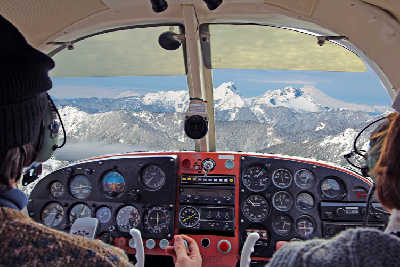
St. George, UT
Provo, UT · KPVU
Ogden, UT · KOGD
St. George, UT · KSGU
Ogden, UT · KOGD
Spanish Fork, UT · KSPK
Utah training happens in a strip. Most of the state's people and most of its flight schools sit along the Wasatch Front, a narrow band of valley floor running from Ogden through Salt Lake City to Provo, with a mountain range standing straight up along its east side. The valleys sit thousands of feet above sea level. The peaks behind them are a great deal higher.
The weather is mostly on your side. High desert: dry, sunny, short on the low grey ceilings that cost students lessons elsewhere. Winter is the exception, and not for the reason you would guess. It is not snow that takes your days. It is the inversion.
Flight schools in Utah concentrate along the Wasatch Front, with smaller operations in Cedar City, Moab and the Uinta Basin.
64 flight schools are listed across 19 cities in Utah, flying from 18 different airports. Between them they carry 1,663 reviews from students on Google, averaging 4.77 out of five. 25 schools hold a rating of 4.8 or better across at least ten reviews, which is the bar worth using when a five-star average rests on two people.
Fields with more than one school on them are worth knowing about: you can visit two or three in an afternoon and compare them properly instead of driving across the state twice.
Ogden 11 St. George 10 Provo 8 Spanish Fork 7 West Jordan 7
Not every school teaches everything. These are the Utah schools that list training past the basic airplane certificate, which is where the state's geography tends to show: seaplane work follows the water, and mountain and tailwheel training follow the terrain.
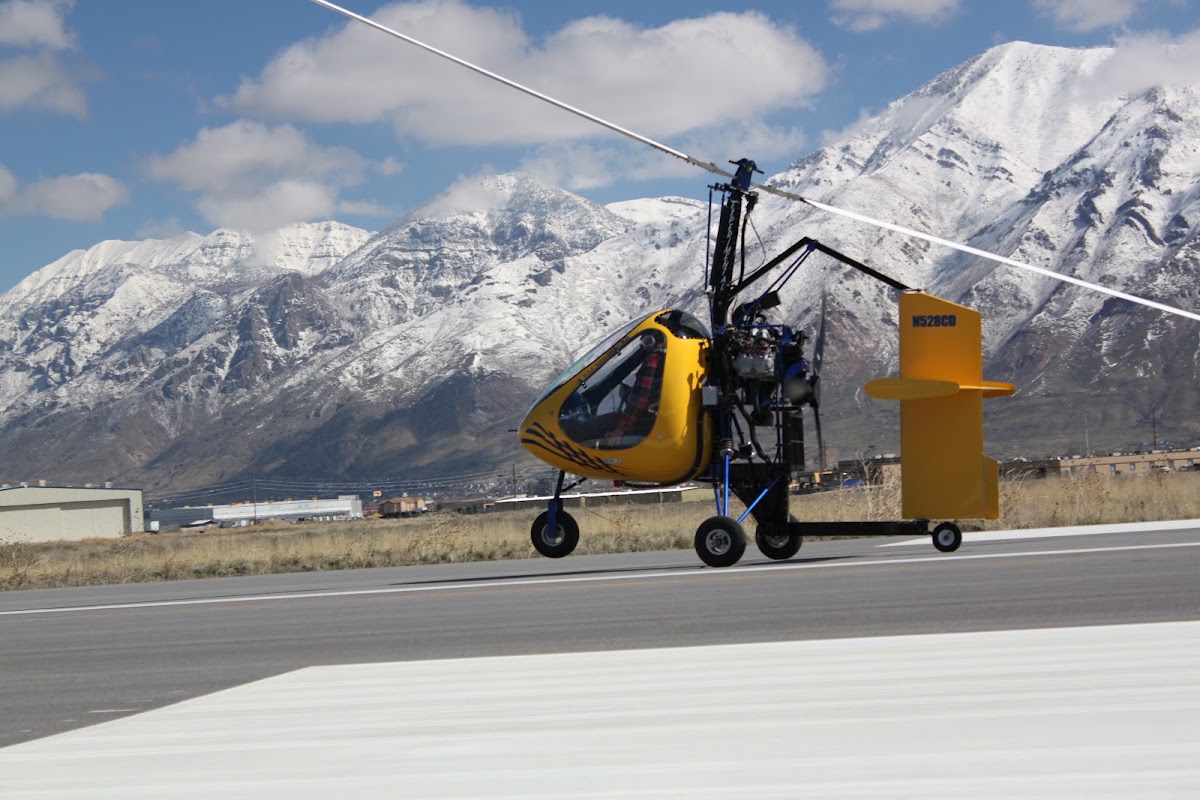
Instrument Rating (IFR) 11 Helicopter 5 Airline Transport Pilot (ATP) 2 Gyroplane / Gyrocopter 1
Ranked on Google rating, counting only schools with fifteen reviews or more. We take no payment for position; this is arithmetic on public review data, not an endorsement.
The Class B sits in the middle of the training area rather than off to one side, and the geometry is tight. Ogden-Hinckley to the north, Skypark and South Valley Regional closer in, Provo to the south and Heber Valley over the ridge all work around the shelves, and much of the traffic they generate is other students. Hill Air Force Base anchors the north end of the corridor, and west of the valley the military holds an enormous test and training range. You learn to hold a line with terrain on one side and airspace on the other. Cross country planning here is an exercise, not a ruler on a chart.
From roughly December into February, high pressure settles warm air on top of the cold air pooled in the valleys and holds it there. Nothing mixes. Whatever is in the valley air stays in the valley air, visibility drops off into haze and smoke, and it can sit that way for days until a front scours it out. The maddening part is that above the lid the sky is often brilliant. Local instructors plan around it, moving ground school and simulator work onto the worst days. Ask a school how many lessons its students lose in a typical January. They will know without looking.
Every field on the Wasatch Front starts well above sea level, and a hot afternoon pushes what the wing feels higher still. The effects are consistent and boring, which is the point. Longer takeoff roll. Weaker climb. A higher groundspeed at touchdown for the same indicated airspeed, so more runway behind you on landing. Less power from a normally aspirated engine, because there is less air going into it. No rule of thumb beats the flight manual here. Work the charts with your instructor for the weight and temperature you actually have, often enough that it stops feeling like an assignment.
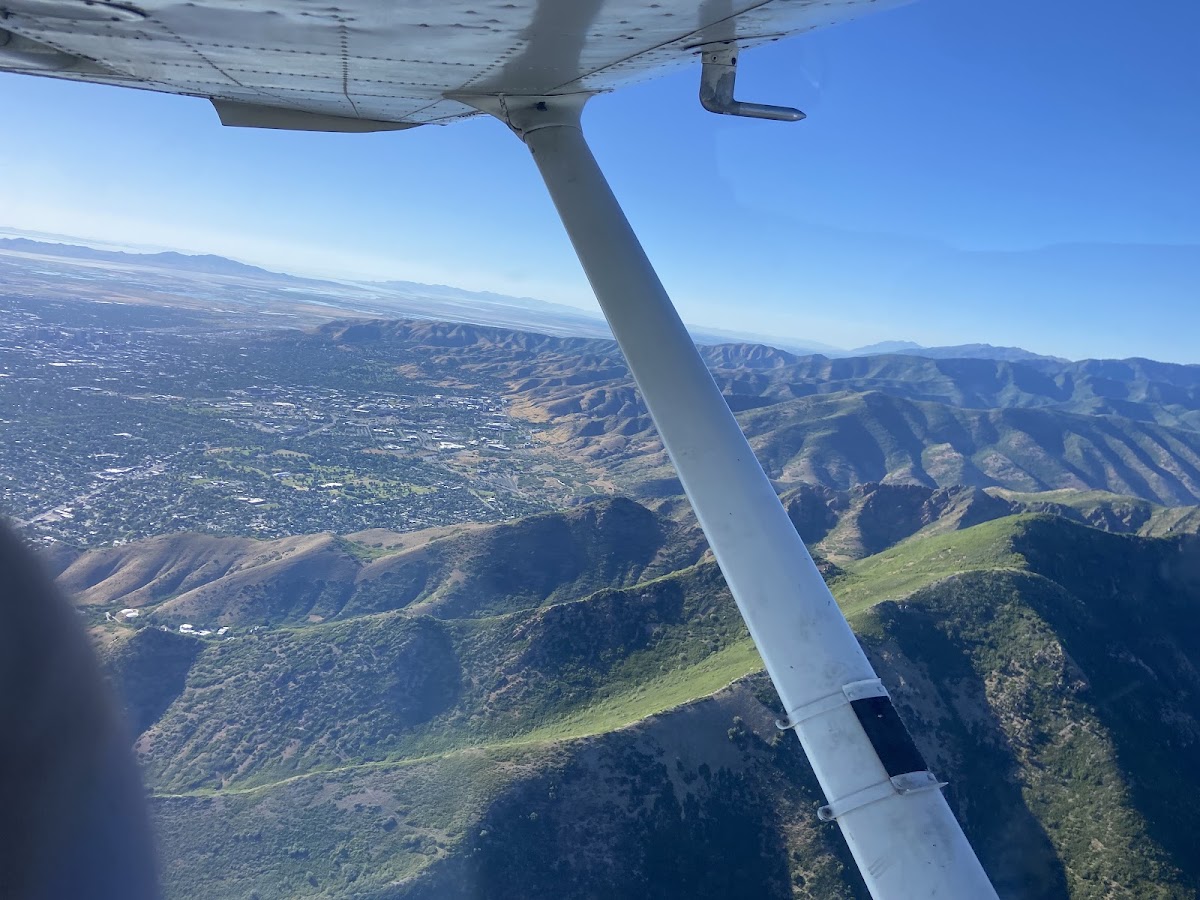
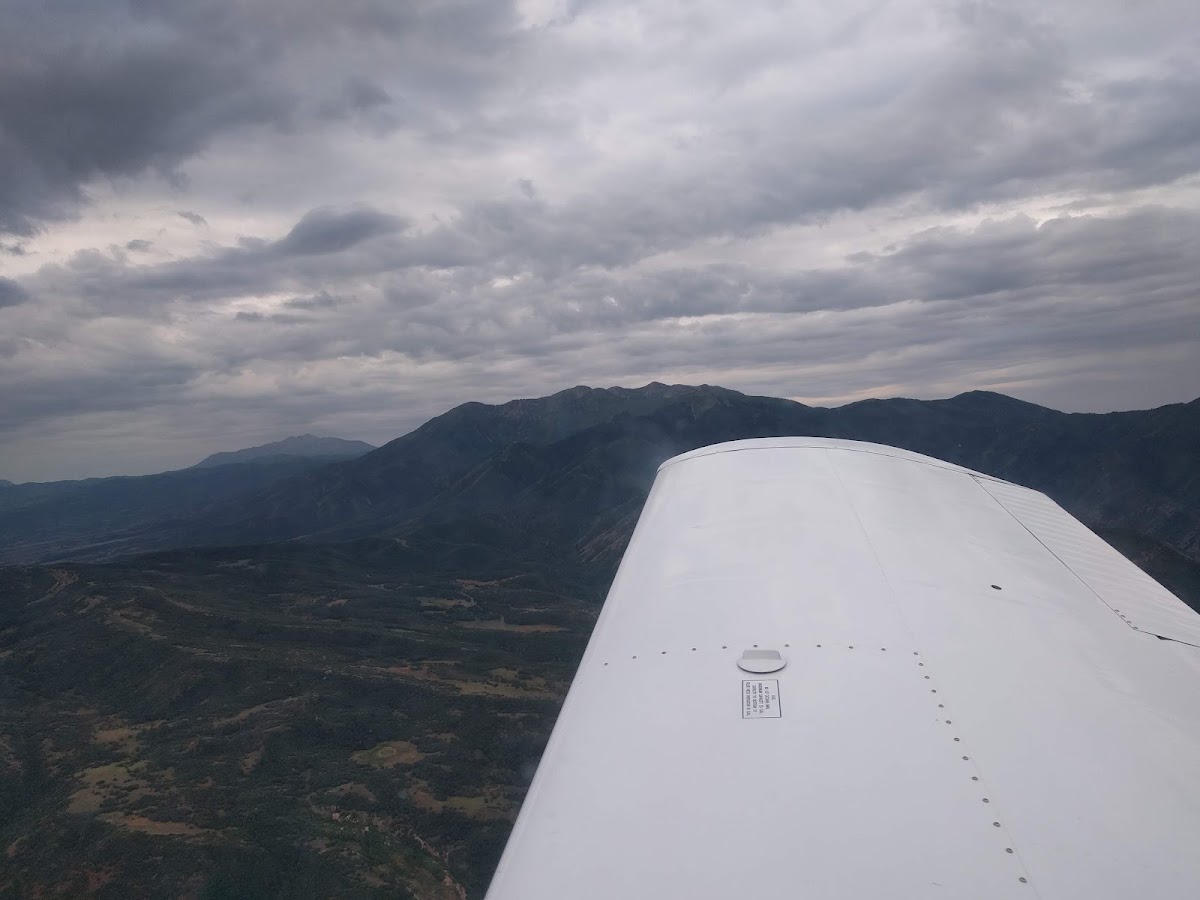
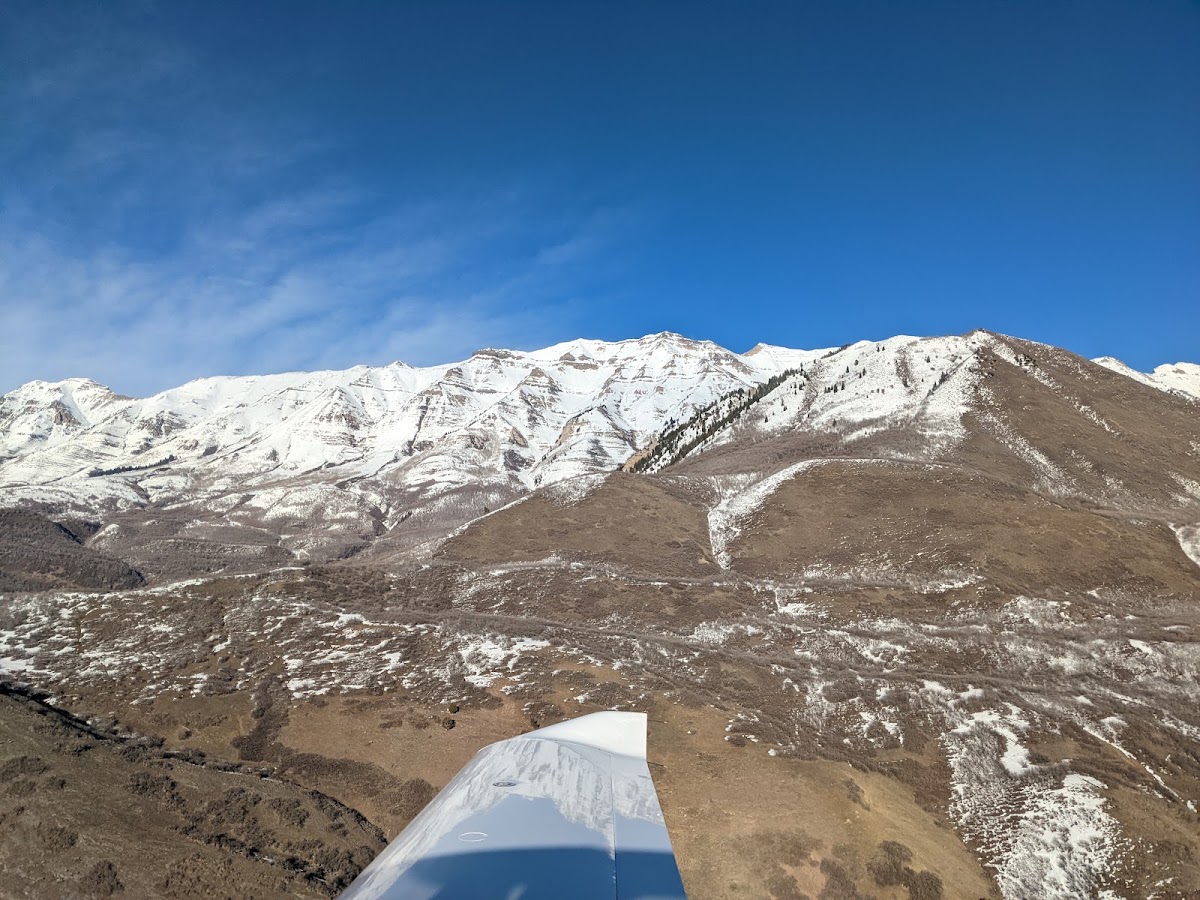
The Wasatch does not ease into it. The range comes out of the valley floor within a few miles, and the canyons cutting into it are close enough that a student can be looking down one shortly after takeoff. That closeness is the best thing about training here, and the part that earns the most respect. Wind over a ridgeline makes wave, rotor and sink a trainer will not climb out of. Canyon walls take away the easy turn back. Summer heating stacks buildups over the high terrain while the valley below stays clear and deceptive. Utah schools that teach mountain flying run it as a course of training. That is the right way to meet it.
Spring and autumn are the easy seasons, dry and long enough to fly after work, with wind as the main variable in spring. Summer flies early. Late summer pulls moisture up from the south and builds storms over the mountains on a lot of afternoons. Winter splits in two: the inversion weeks you lose, and the days right behind a front, some of the finest air you will ever get, cold and clean with visibility that runs on forever. St. George, down in the southwest, sits lower and warmer and flies all winter.
It varies by winter and by field. A strong inversion can hold visibility down in the valleys for days and then break in an afternoon. Fields at the valley edges and up in the mountains, Heber for one, often sit above the layer while Salt Lake sits in it. Training against a deadline? Budget for lost days in January.
Demanding, and good. Thin air, terrain and Class B turn up in your first few hours instead of waiting for a later stage of training. That is more work at the start. It also means the things that catch pilots out later, performance planning and terrain and airspace awareness, are things you have done since the beginning. Prefer somewhere calmer to start? A field at the quiet end of the valley still teaches the whole syllabus.
Not for the certificate. There is no FAA mountain endorsement, and the private pilot practical test does not ask for canyon work. Where a requirement exists it comes from the school or the insurance behind the aircraft, and it rests on demonstrated experience rather than paperwork. Given how close the terrain is, most Utah pilots get the training anyway. Getting it before you need it is the version that works.
Mostly, and more of the year than in most states. Budget for the inversion weeks, a handful of snow days, spring wind, and summer afternoons better spent on the ground than in a hot trainer at high density altitude. Book mornings whenever temperature is the variable. Ask a school what its cancellation rate looks like month by month, because the honest ones track it.
Text size
Contrast and legibility
Motion
These are display preferences saved to this browser. They do not replace your operating system or browser accessibility settings, which this site also respects. If something here does not work with your assistive technology, our accessibility statement lists the known gaps and how to report a new one.