Prescott, AZ

Pilot training, nationwide
Every flight school in America, with the ratings and reviews students actually left. Private pilot to ATP, helicopters to tailwheels, plus a free ground school to get you started tonight.

Start here
Most people pick the closest airport and hope. You can do better in an evening: compare every school around you on the reviews their own students wrote, then walk in knowing what to ask.

Free, no account required
The knowledge test is the part you can do before you ever pay for a lesson. The ground school and practice tests here are free because more pilots is the whole point of this site.
Prescott, AZ
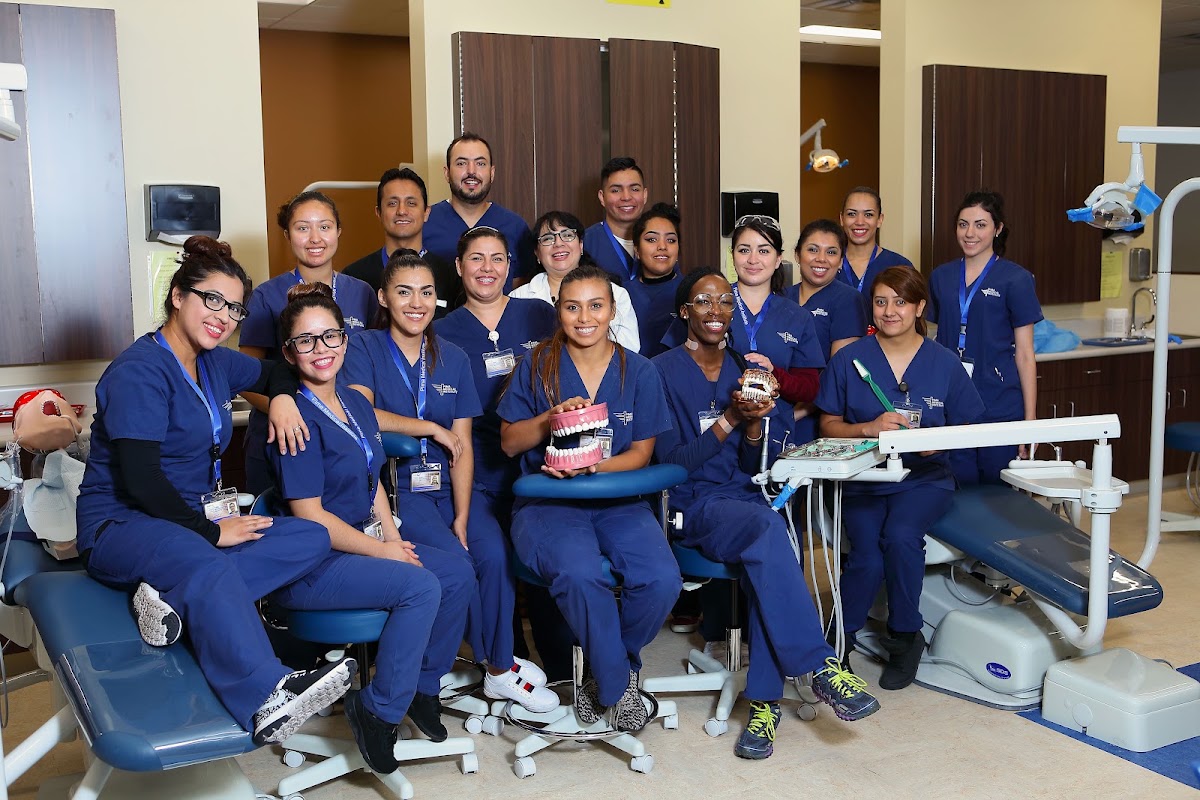
El Paso, TX
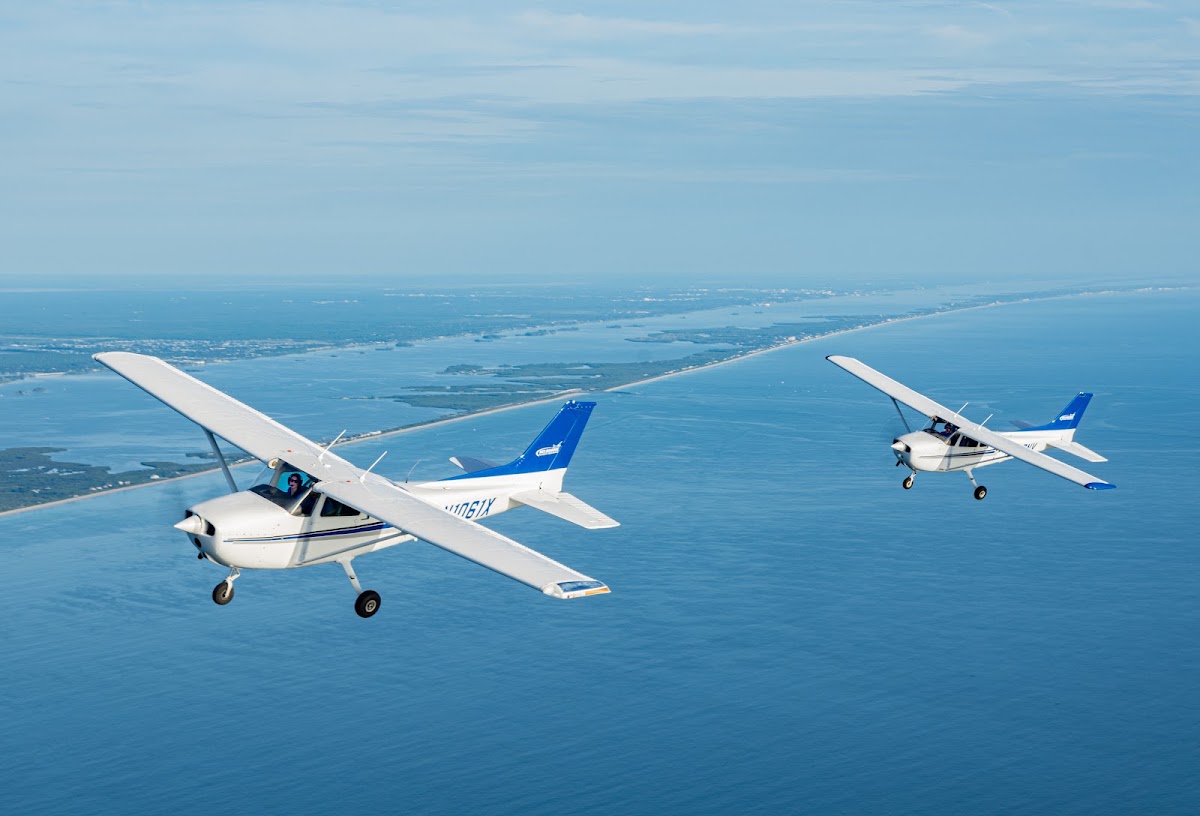
Melbourne, FL
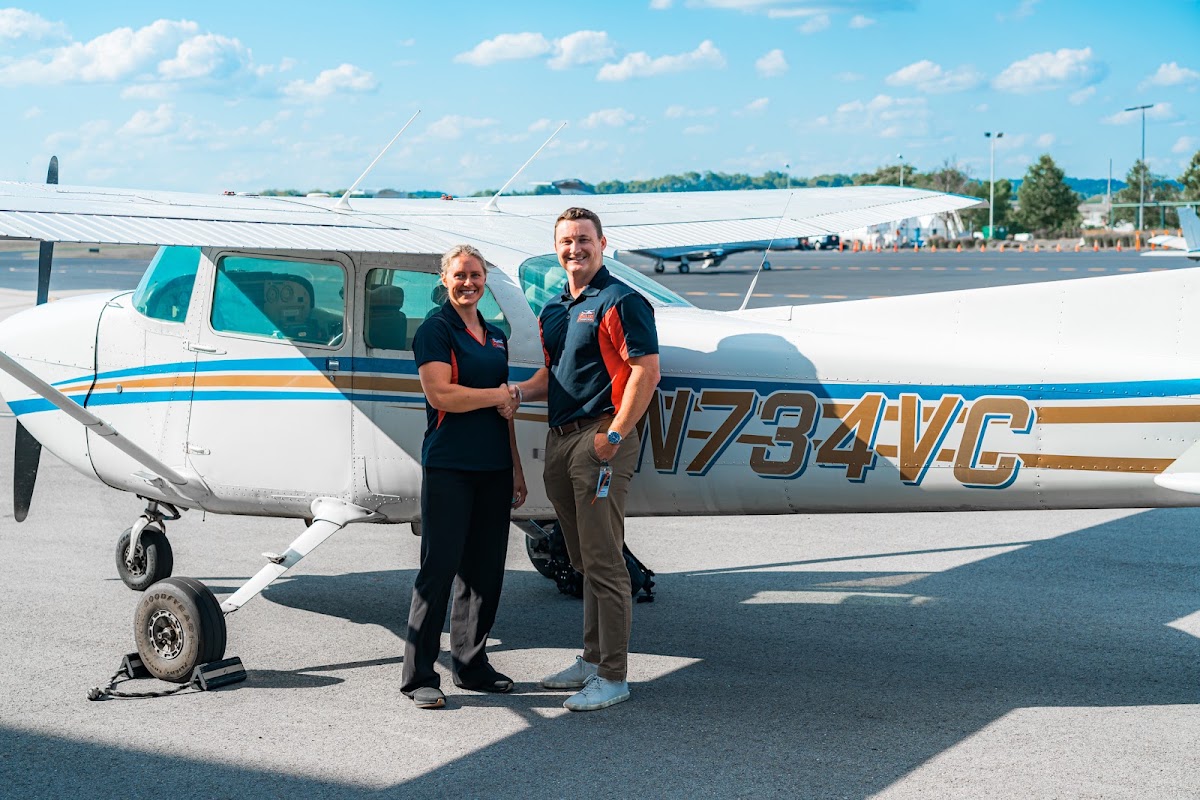
Nashville, TN
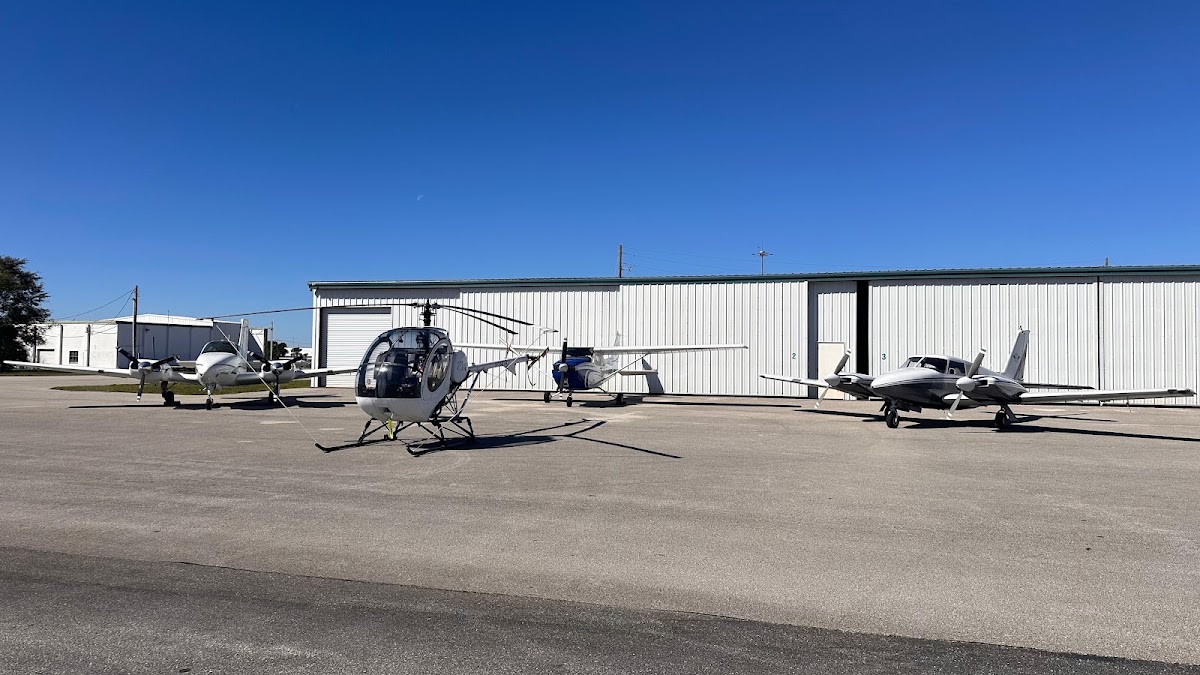
Orlando, FL
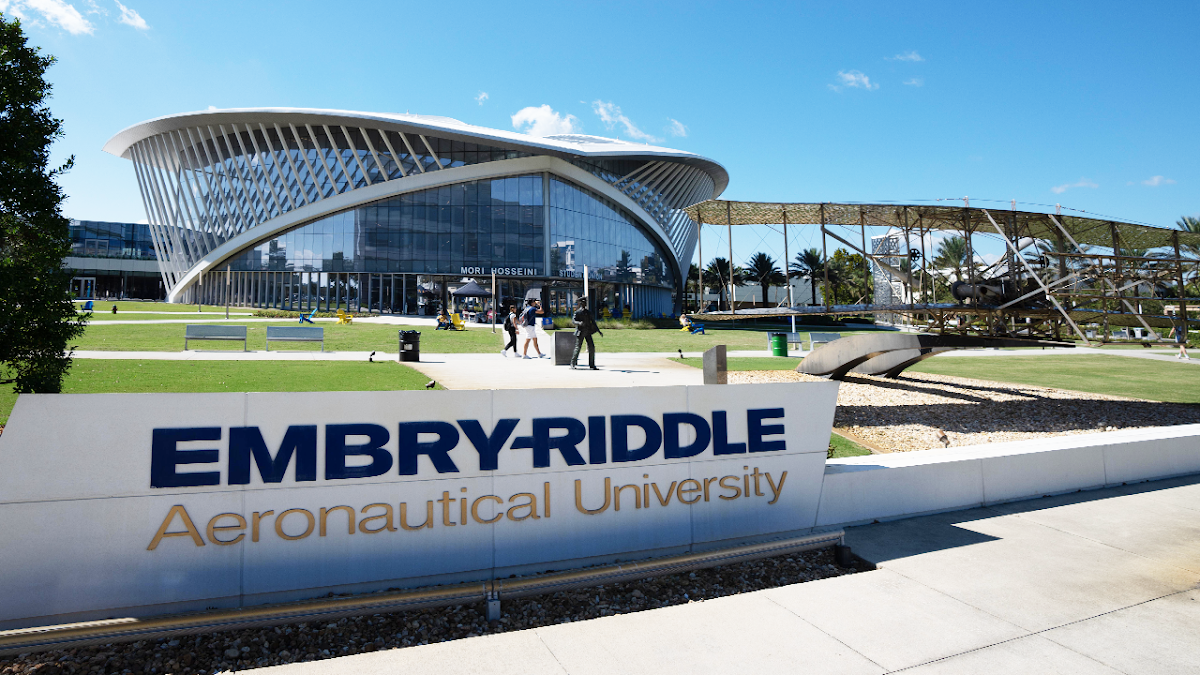
Daytona Beach, FL
Common questions
Straight answers where a straight answer exists, and a clear reason where one does not. Anything that depends on your airport or your body sends you to a school or an examiner rather than guessing on your behalf.
Start close to home. Training stalls when the drive is long, so pull up the schools within an hour of you and compare from there: student reviews, fleet age, instructor availability, and whether they teach what you are actually after, be that a private certificate, a helicopter rating or a tailwheel endorsement. Then visit two. The school that fits is usually obvious once you have stood in both. Browse schools by state to build your shortlist.
It depends on three things: the aircraft you rent, where in the country you fly, and how often you can train. Flying twice a week is cheaper than flying twice a month, because long gaps mean re-learning. We do not quote a national figure here; it would be wrong for most readers the day it was written. Ask two or three local schools for their current rates and an estimate at the FAA minimums and at their average student completion time. A school that will not give you both numbers is telling you something.
The FAA minimum for a private pilot certificate is 40 flight hours under Part 61, or 35 at a Part 141 school. Most students take more than the minimum; nationally the average sits well above it. Training twice a week, many finish inside six to twelve months. An airline track is longer: 250 hours for a commercial certificate and 1,500 hours for the ATP most airlines require, which students usually build by instructing. The full path is laid out here.
They are the two sets of federal rules a school can train under. Part 141 schools run an FAA-approved syllabus with audited stage checks, which lowers some hour minimums and suits full-time students on an airline track. Part 61 training is more flexible about order and pace, which suits people training around a job. Neither produces a better pilot by itself; the examiner holds both to the same standard on checkride day.
Not to start. You can take lessons, including your first ones, without any medical certificate; you need one before you fly solo. Most students get a third-class medical from an aviation medical examiner early, so any surprise surfaces before serious money is spent. Sport pilot candidates can fly with a valid driving licence instead, with limits on aircraft and conditions. If you have a condition you are unsure about, talk to an examiner before you commit to a school.
A short introductory lesson, usually half an hour to an hour, where you sit in the left seat and fly the aircraft with an instructor beside you. Schools price them low because it is the honest way to find out whether you love this. It also doubles as your school inspection: how the scheduling works, how the fleet looks up close, how the instructor teaches. Book one at two different schools before you sign anything.
Text size
Contrast and legibility
Motion
These are display preferences saved to this browser. They do not replace your operating system or browser accessibility settings, which this site also respects. If something here does not work with your assistive technology, our accessibility statement lists the known gaps and how to report a new one.