★☆☆☆☆
1 out of 5
2 months ago
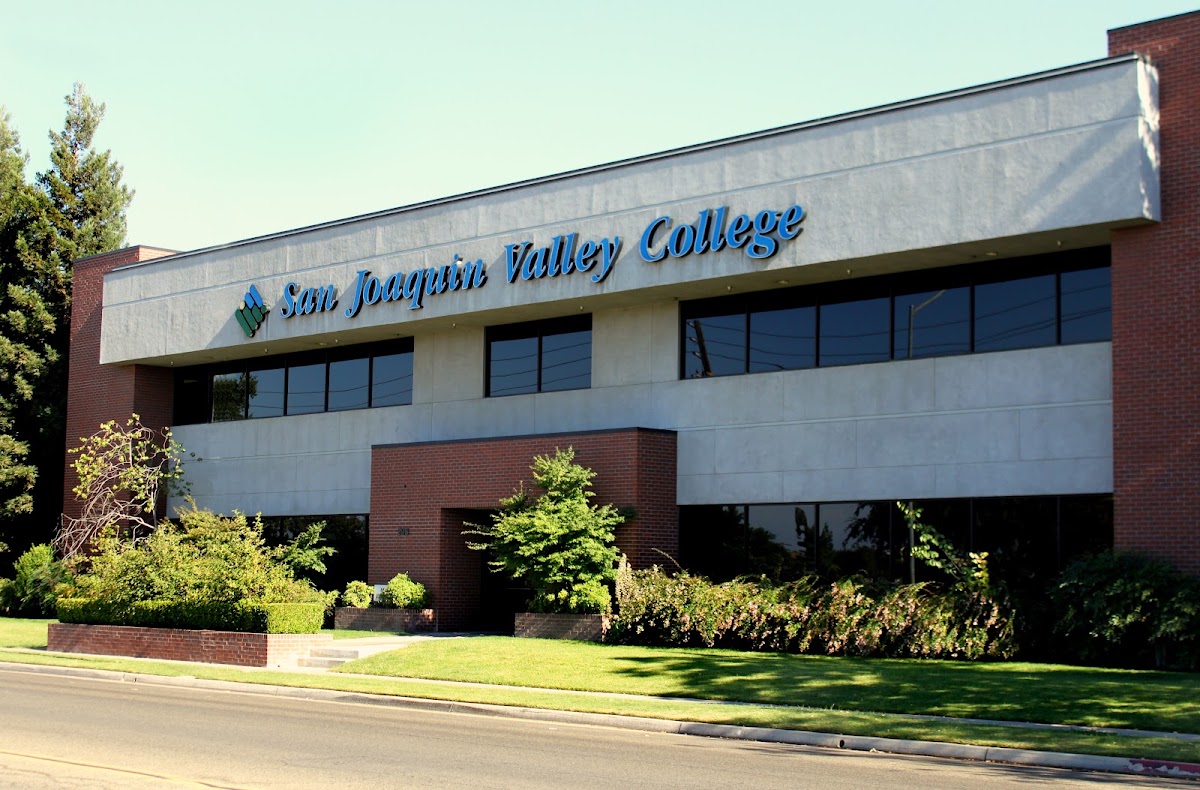
I attended San Joaquin Valley College (SJVC) in Fresno for the Medical Office Administration program. I completed my coursework, graduated in July 2025, and successfully completed my externship requirements. The education itself was decent, and I learned useful skills related to medical office procedures, patient scheduling, insurance verification, HIPAA compliance, and electronic medical records.
However, my experience after graduation is the reason for this review.
One of the major reasons I enrolled was because of the emphasis placed on career services and job placement assistance. During my time as an SJVC student, career support was heavily marketed as one of the benefits of attending the school. However, after the transition to Carrington College, I noticed the messaging changed and now emphasizes that job placement is not guaranteed.
I understand that no school can guarantee employment, but there is a difference between not guaranteeing a job and providing consistent support throughout the job search process.
I graduated in July 2025. As I write this review, it is nearly June 2026, meaning I have been searching for employment in my field for almost a full year after graduation. Despite completing the program, completing my externship, updating my resume, applying to positions, attending interviews, and following up with career services, I still have not secured employment in the field I was trained for.
What has been most disappointing is how support seems to decline the longer you are unemployed. After approximately six months, it felt like I was no longer a priority on the job placement list. I personally went through four different Career Services Advisors during my job search, which is honestly excessive. Every time I started building a relationship with one advisor, I would end up assigned to someone new.
Even more frustrating, I have not heard from my fourth Career Services Advisor in over three months. For a school that strongly promotes career support, that level of follow-up is disappointing.
Another thing prospective students should understand is the externship requirement. The externship is unpaid. In reality, you are essentially working a full-time schedule for free for nearly two months. While the experience can be valuable, students should be financially prepared before reaching this stage.
My advice is to have a substantial savings cushion before starting your externship. Rent, utilities, gas, groceries, and other bills do not stop simply because you are completing school requirements. Working full-time without pay can create significant financial stress if you are not prepared.
Looking back, if I had known I would still be unemployed nearly a year after graduation, while carrying student loan debt and receiving limited post-graduation support, I honestly would have considered a fully online program instead. I could have gained the same knowledge while maintaining greater flexibility and potentially avoiding some of the financial strain associated with an unpaid externship.
To prospective students, ask these questions before enrolling:
• What percentage of graduates actually obtain jobs in their field?
• How long does career services actively work with graduates after graduation?
• What happens if I am still unemployed after six months?
• How many hours will be required during the externship?
• What financial resources should students have available before beginning externship?
Overall, I do not regret learning the skills or completing the program. I do regret having expectations that career placement support would be more consistent and effective after graduation.
The education was acceptable. The post-graduation employment support has not matched my expectations. Nearly one year after graduating in July 2025, I am still searching for employment in my field, and that reality should be part of the conversation for anyone considering this program.
Bella Storm