
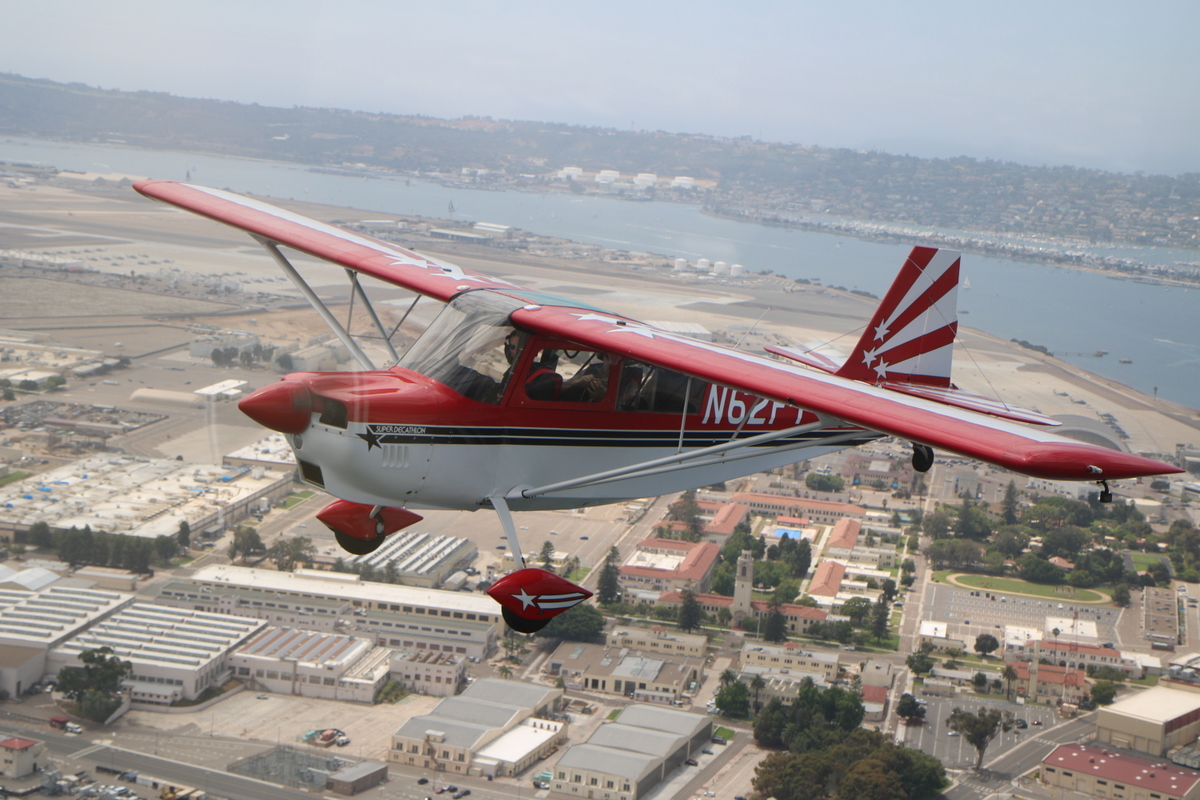
San Diego, CA · KMYF

Flight schools by state
242 schools across 53 cities, with ratings and reviews from Google.
Airplane Helicopter College & university
San Diego, CA · KMYF
McClellan Park, CA · KMCC
Los Angeles, CA · KVNY
Long Beach, CA · KLGB
Los Angeles, CA · KVNY
Los Angeles, CA · KVNY
Corona, CA · KAJO
Los Angeles, CA · KVNY
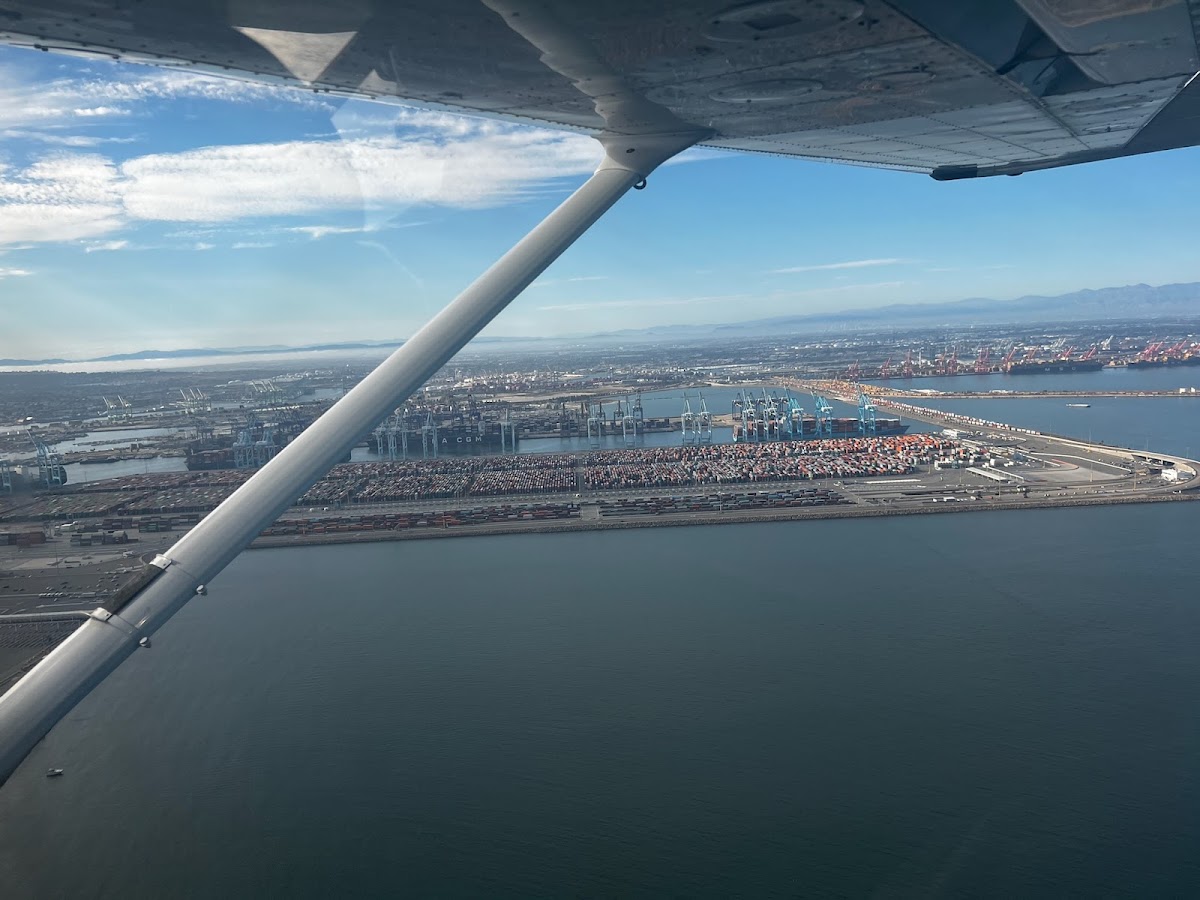
Torrance, CA · KTOA
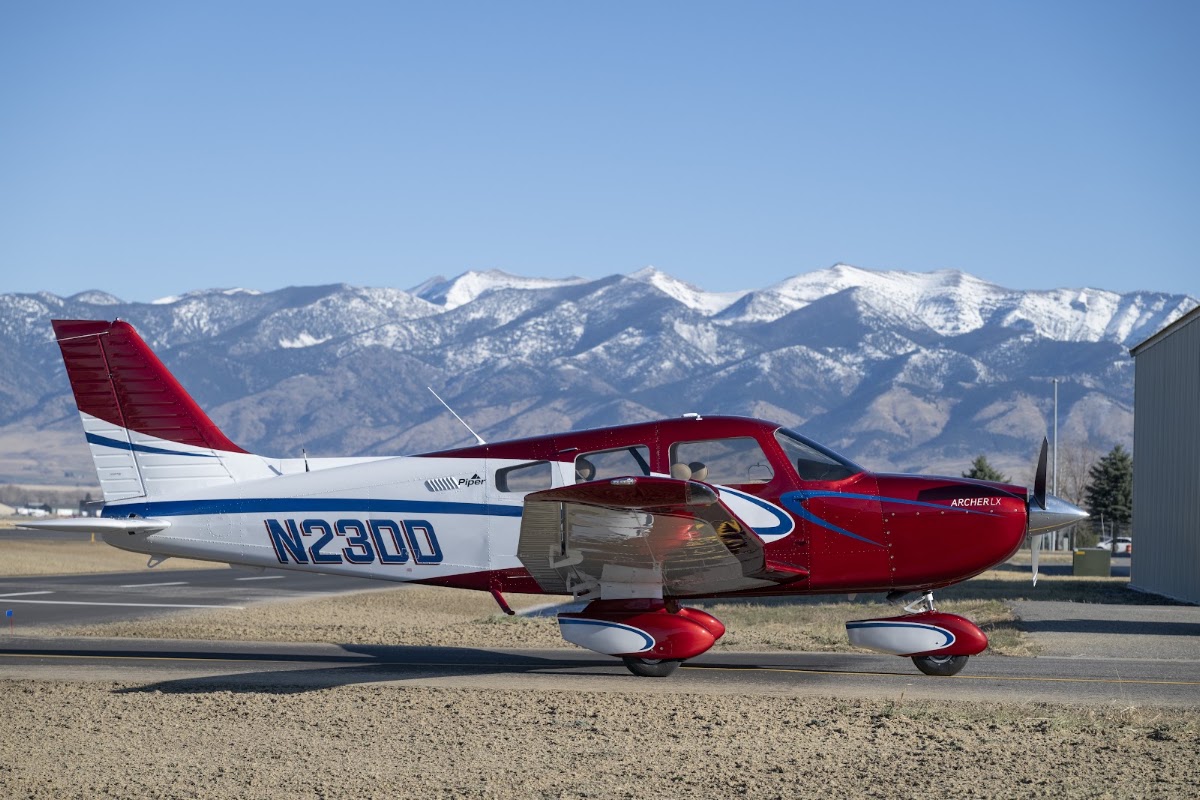
Los Angeles, CA · KVNY
San Diego, CA · KSDM
Costa Mesa, CA · KSNA

Hawthorne, CA · KHHR
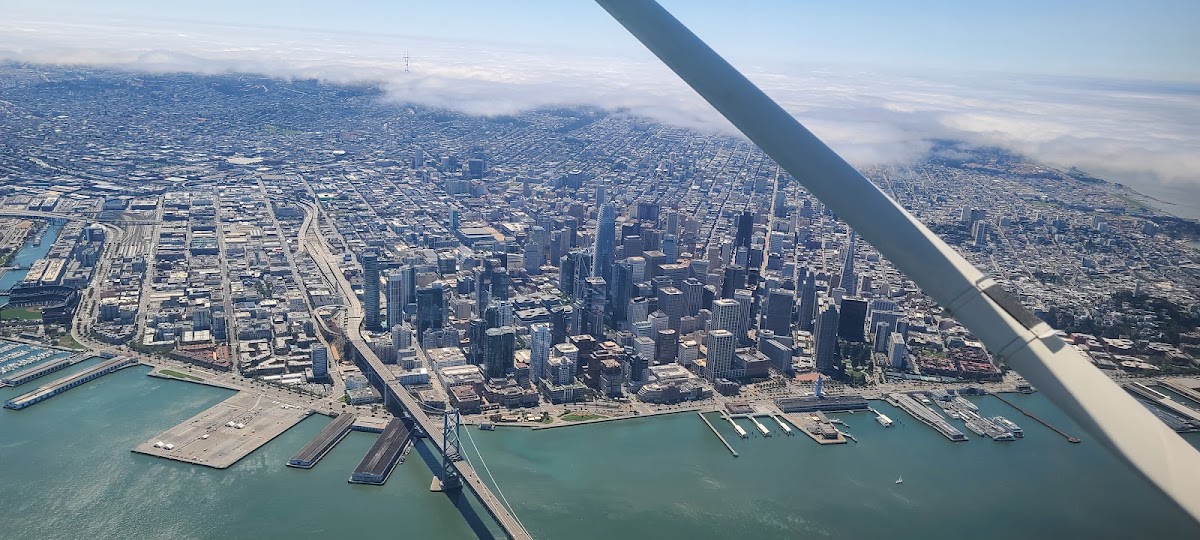
Hayward, CA · KHWD
Los Angeles, CA · KVNY
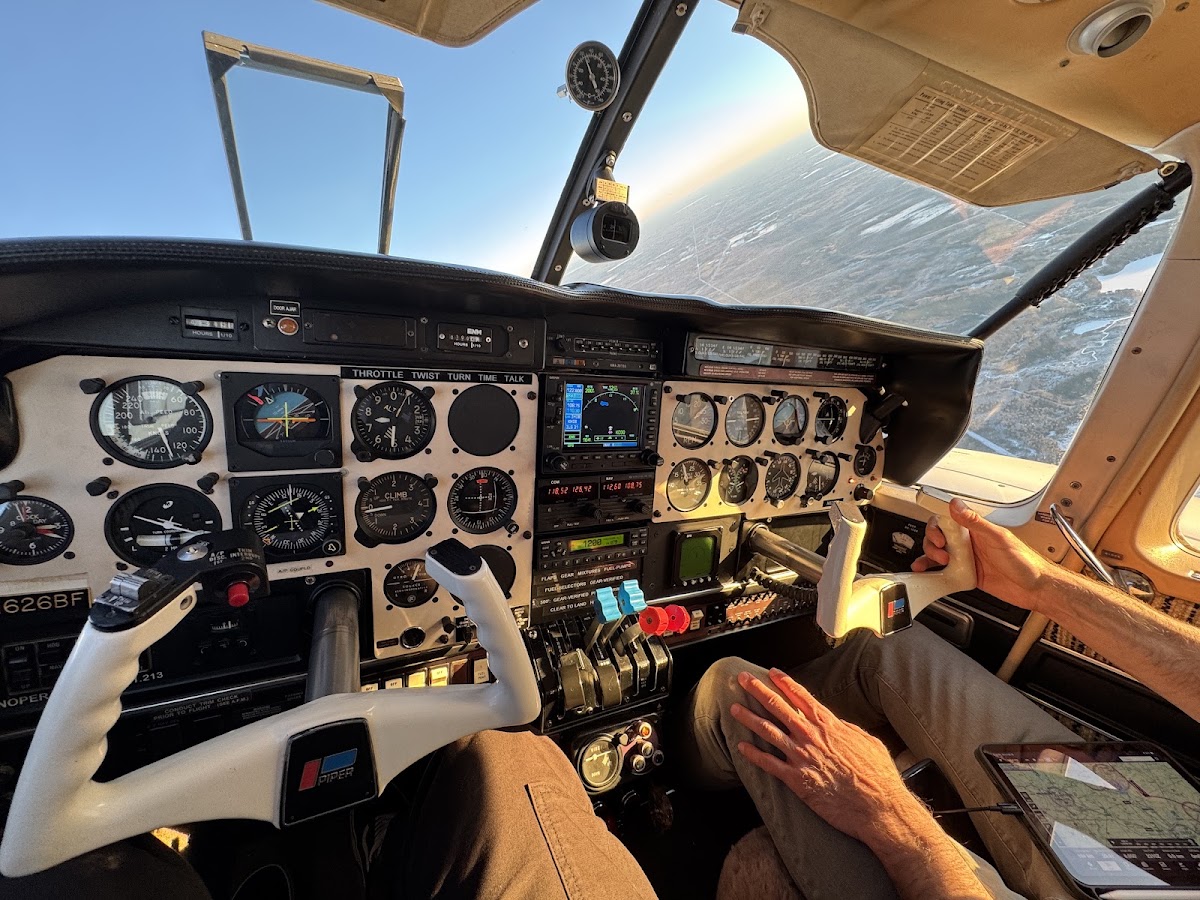
Hayward, CA · KHWD
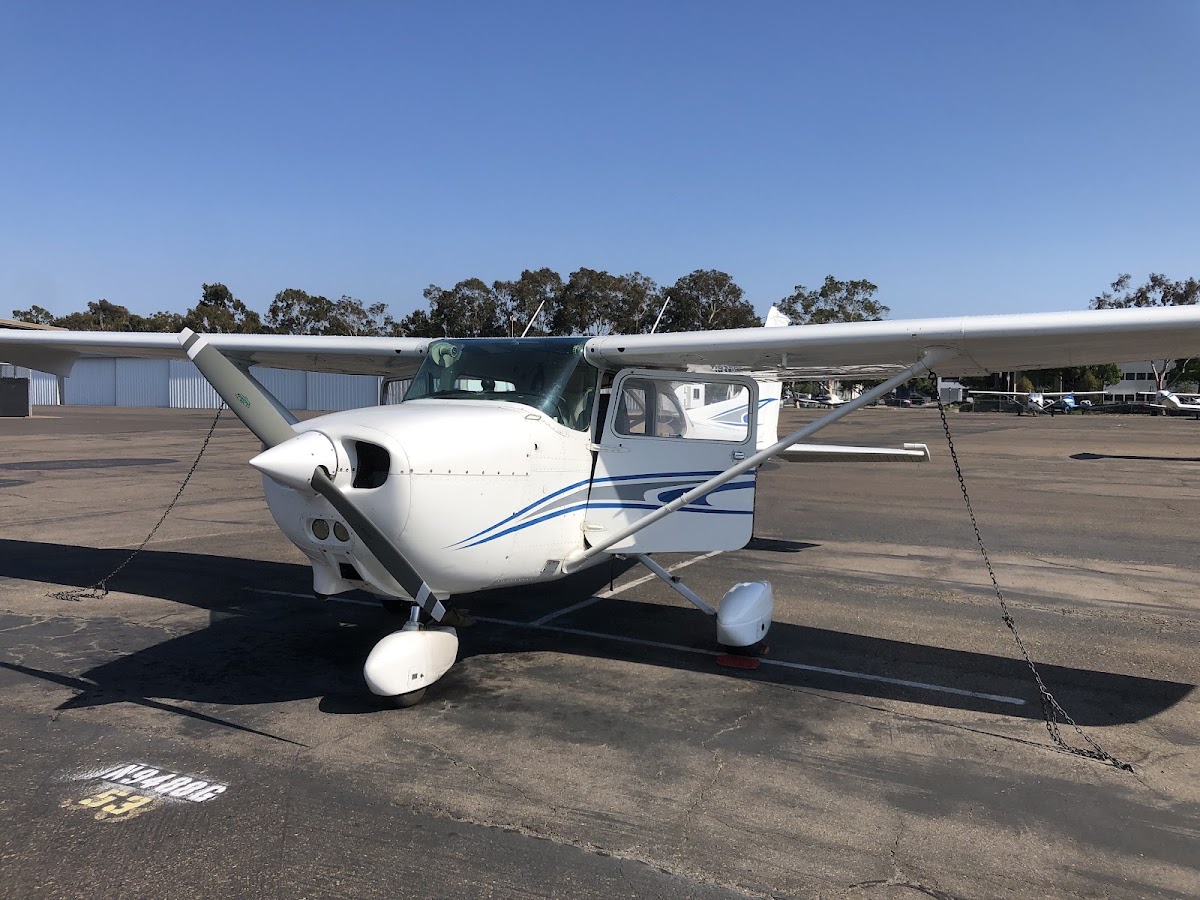
San Diego, CA · KMYF
San Diego, CA · KMYF
Los Angeles, CA · KVNY
El Cajon, CA · KSEE
Carlsbad, CA · KCRQ
Truckee, CA · KTRK
Chino, CA · KCNO
Los Angeles, CA · KVNY
Hayward, CA · KHWD
Bakersfield, CA · KL45
Long Beach, CA · KLGB
San Martin, CA · KE16
Los Angeles, CA · KVNY
San Diego, CA · KMYF
Healdsburg, CA · O31
San Diego, CA · KMYF
Roseville, CA
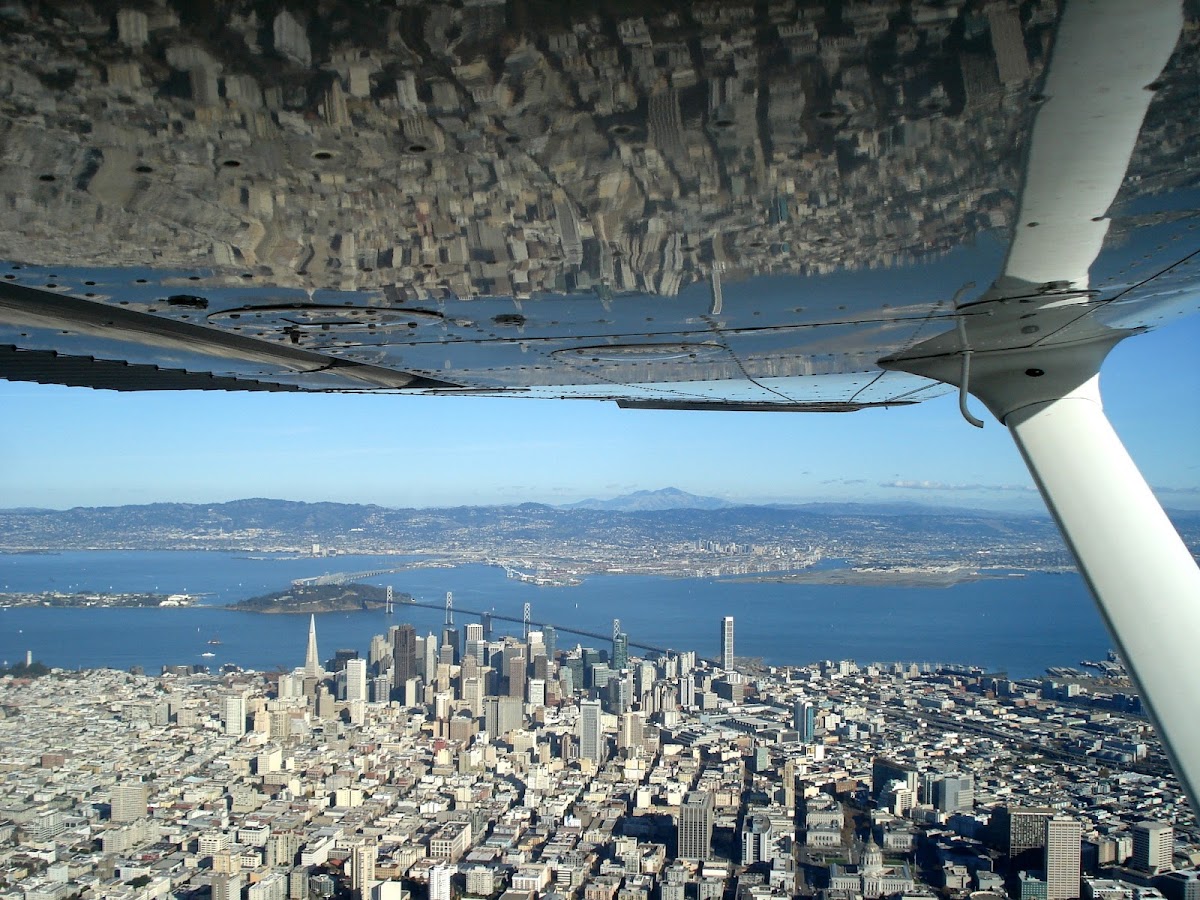
Palo Alto, CA · KPAO
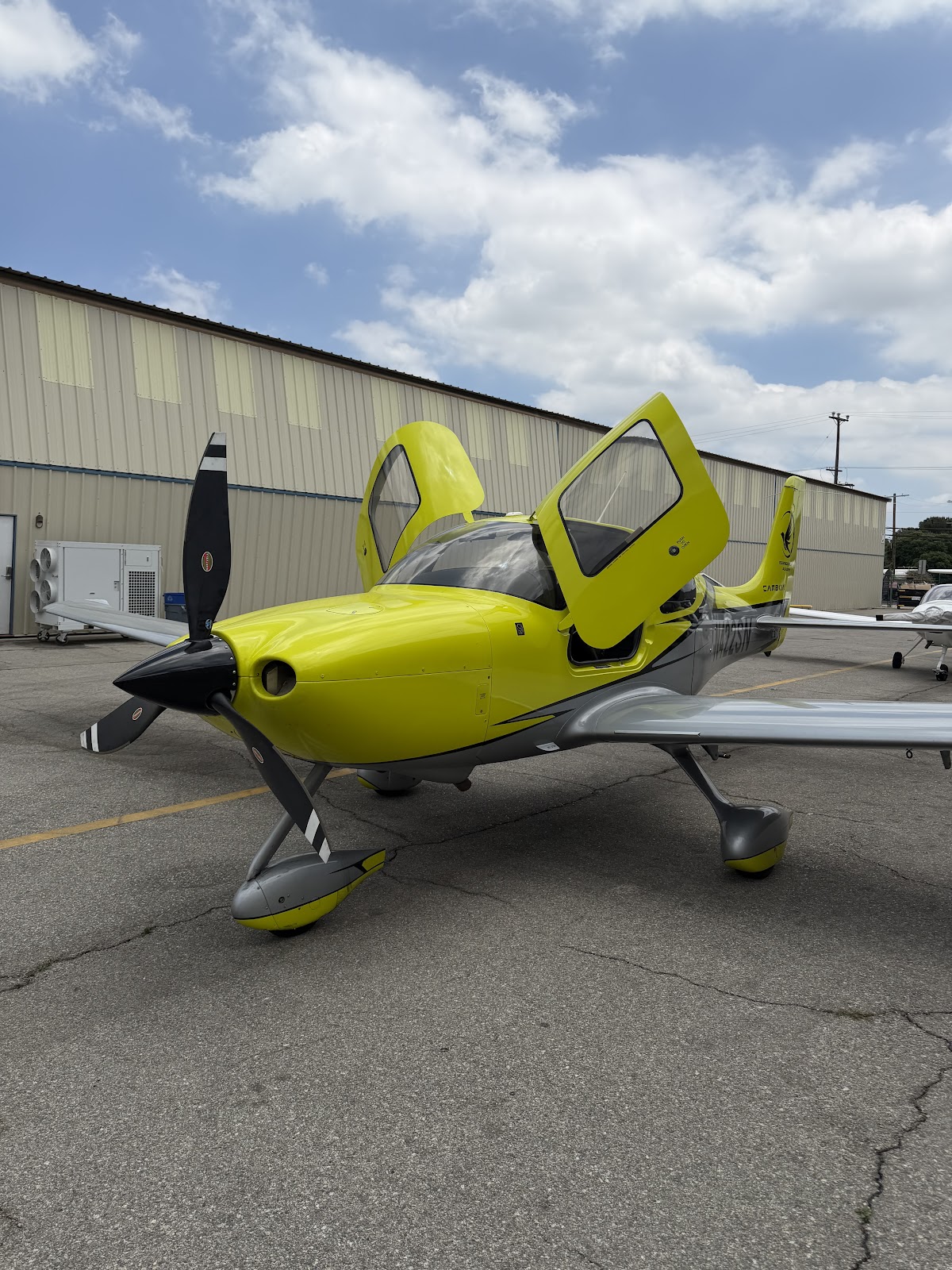
Los Angeles, CA · KVNY
Torrance, CA · KTOA
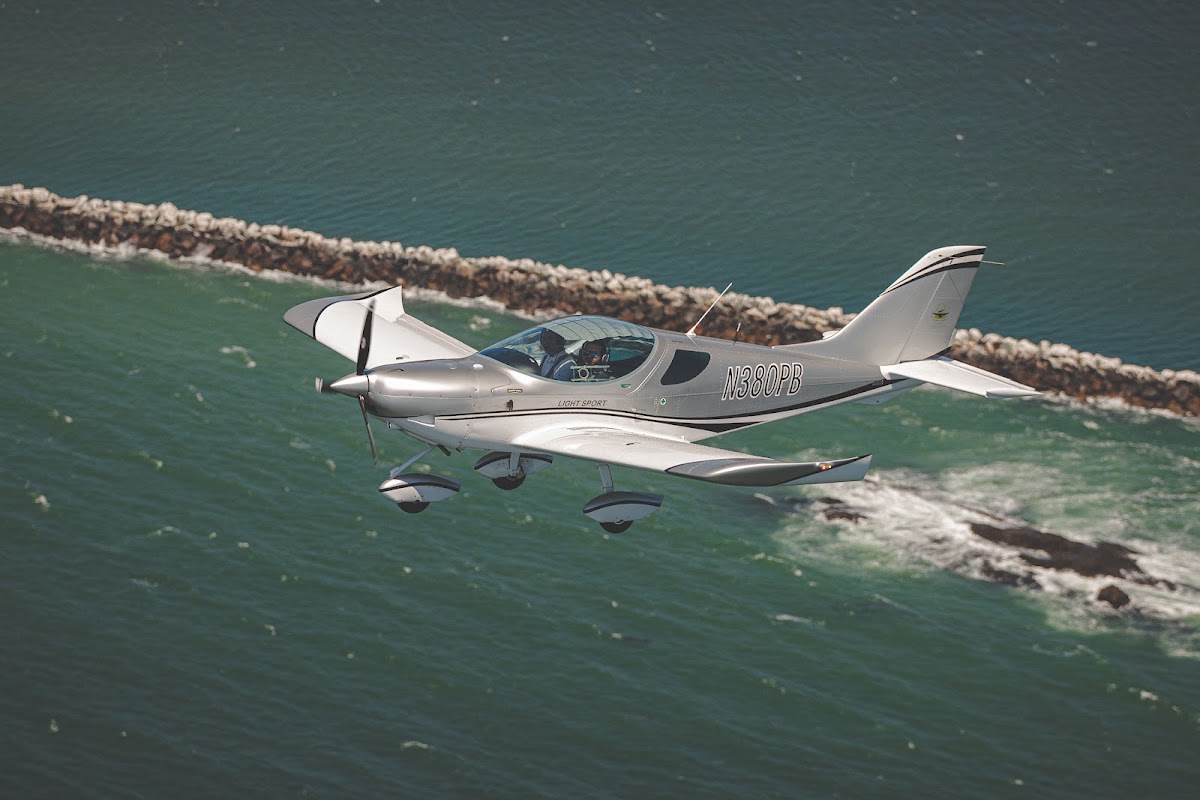
Shafter, CA · KMIT
Hayward, CA · KHWD
Santa Monica, CA · KSMO
Long Beach, CA · KLGB
Thermal, CA · KTRM
Bakersfield, CA · KBFL
Hayward, CA · KHWD
Los Angeles, CA · KVNY
Mariposa, CA · KMPI
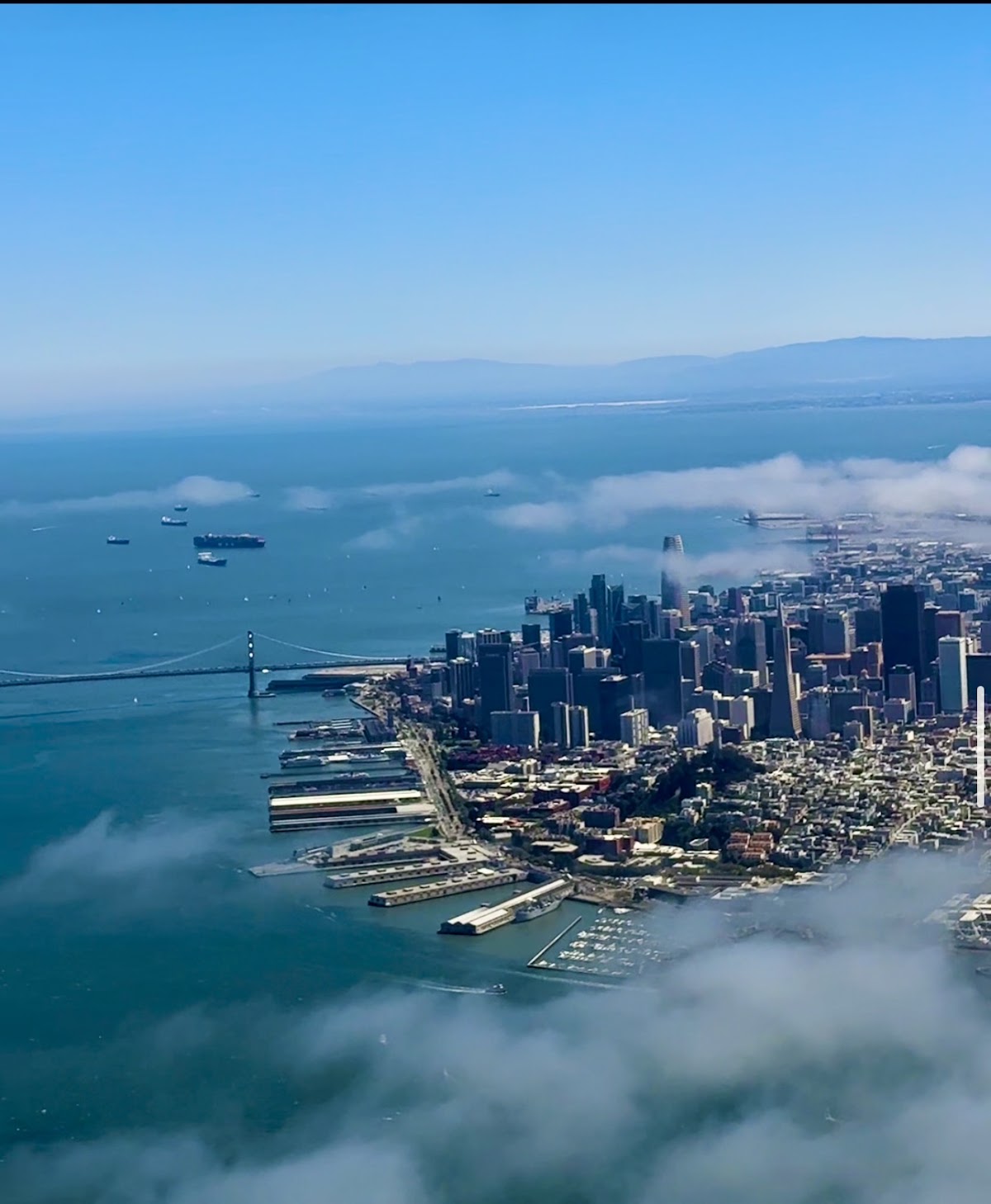
San Diego, CA · KMYF
Mather, CA · KMHR
Long Beach, CA · KLGB
San Jose, CA · KRHV
Livermore, CA · KLVK
Long Beach, CA · KLGB
Petaluma, CA · KO69
Concord, CA · KCCR
Hawthorne, CA · KHHR
Sacramento, CA · KSAC
Fresno, CA · KFCH
Fresno, CA · KFCH
Bakersfield, CA · KBFL
Fresno, CA · KFCH
San Diego, CA · KMYF
Livermore, CA · KLVK
San Jose, CA · KRHV
Santa Ana, CA · KSNA
San Carlos, CA · KSQL
El Cajon, CA · KSEE
Long Beach, CA · KLGB
San Jose, CA · KRHV
Davis, CA · KDWA
Oakland, CA · KOAK
Palo Alto, CA · KPAO
Los Angeles, CA · KVNY

Los Angeles, CA · KVNY
San Diego, CA · KMYF
Fresno, CA · KFCH
Palo Alto, CA · KPAO
Fresno, CA · KFAT
San Jose, CA · KSJC
Rio Linda, CA · L36
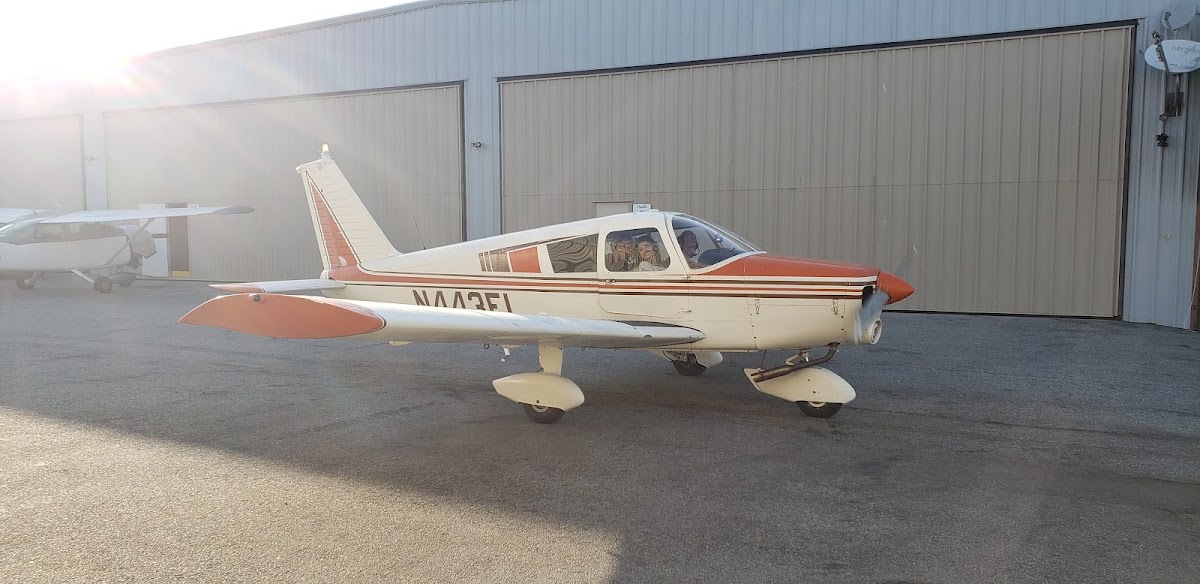
Torrance, CA · KTOA
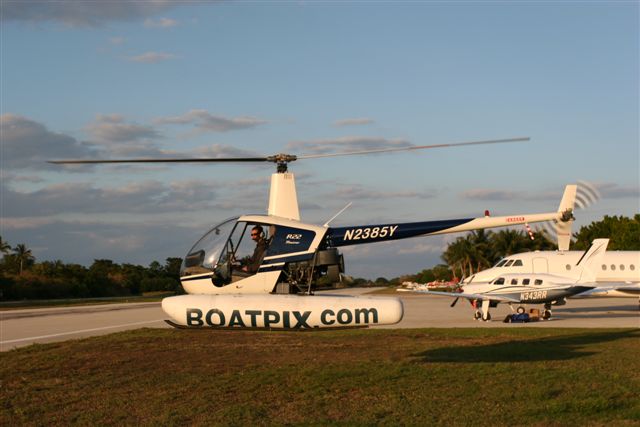
Long Beach, CA · KLGB
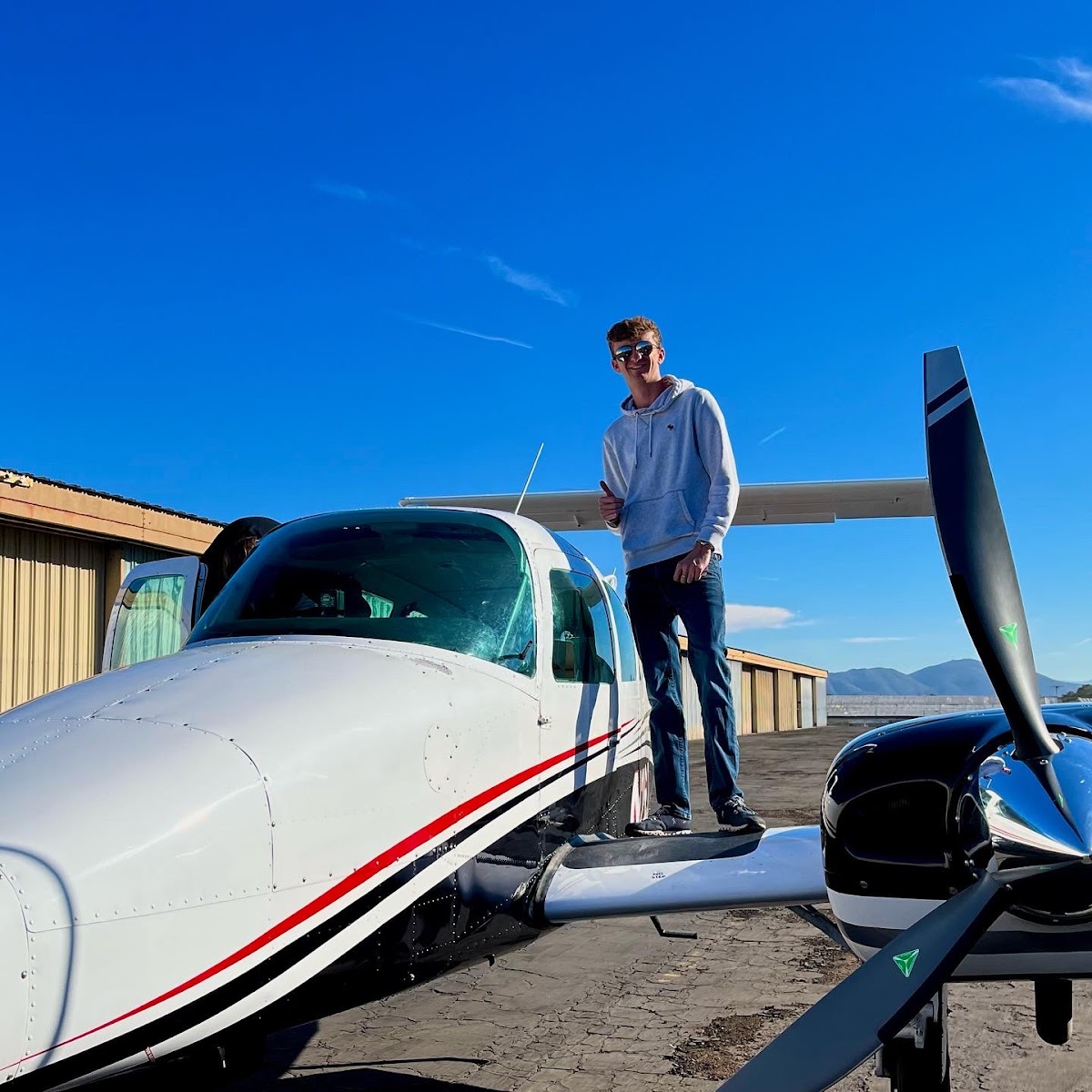
San Diego, CA · KSAN
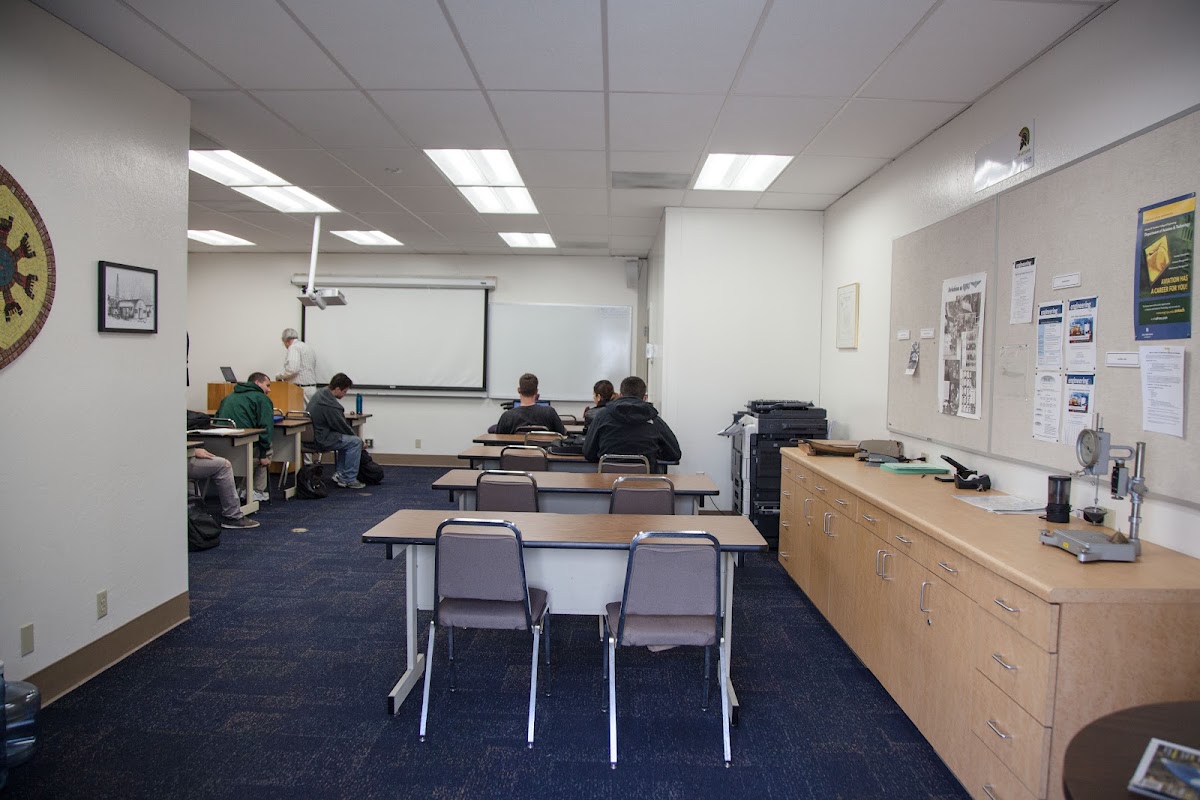
San Jose, CA · KRHV
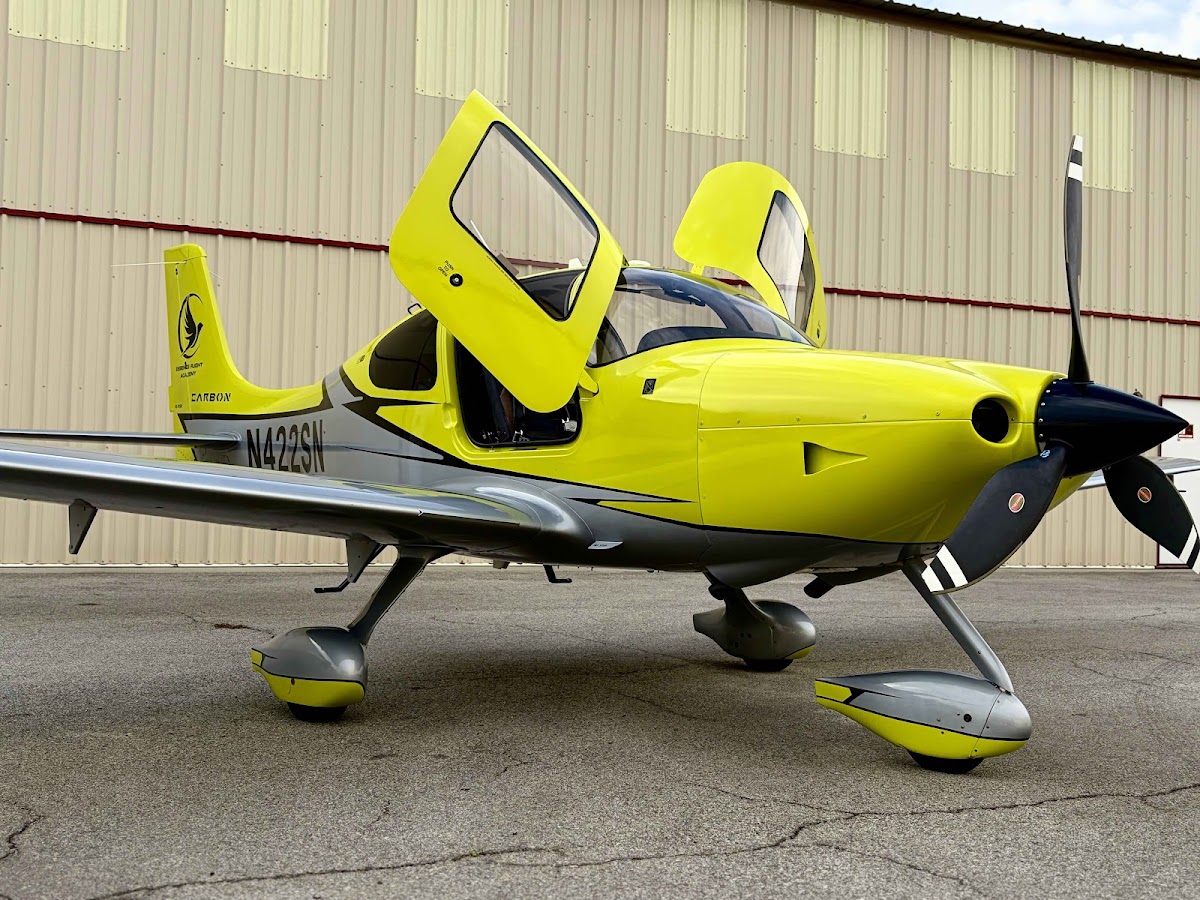
Los Angeles, CA · KVNY
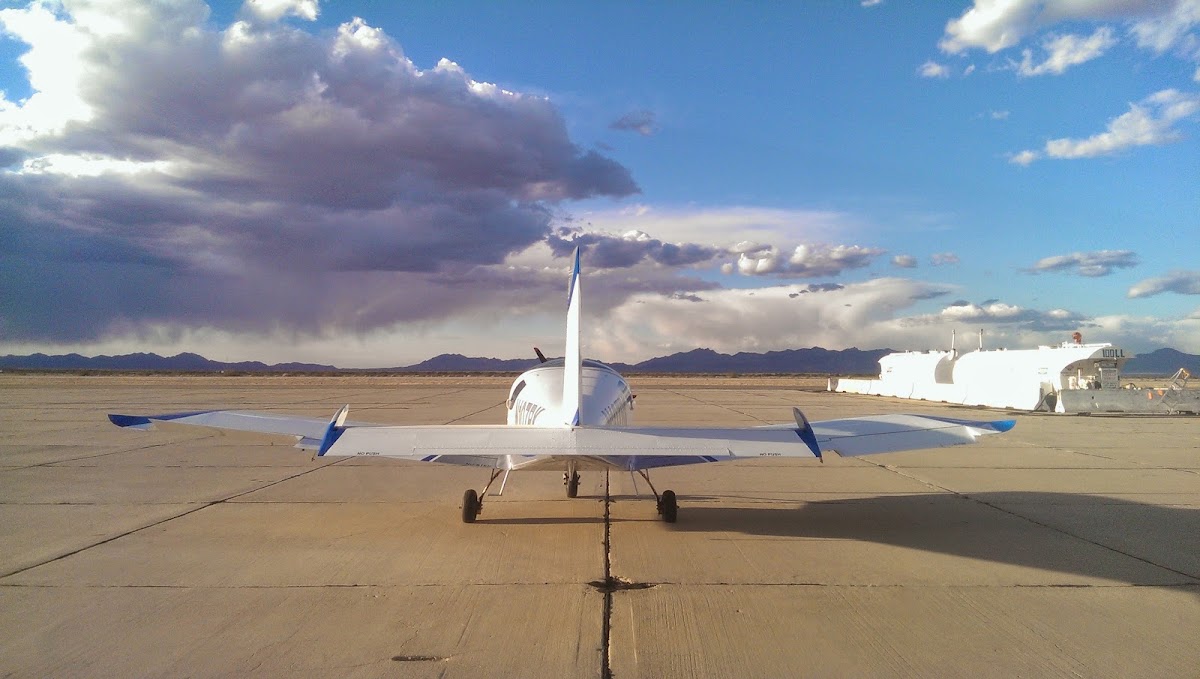
Santa Monica, CA · KSMO
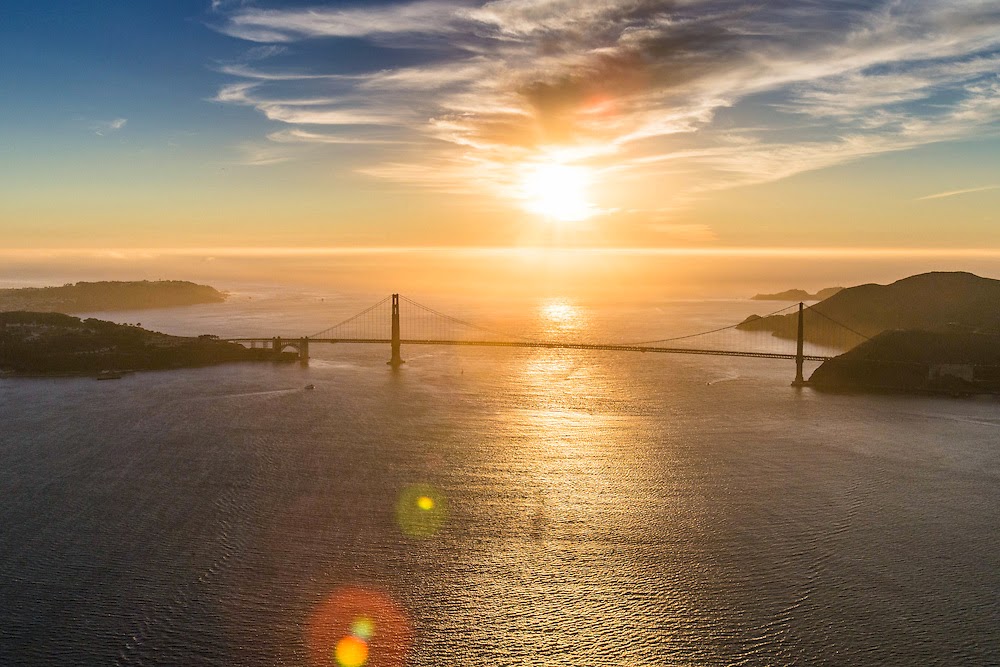
San Carlos, CA · KSQL
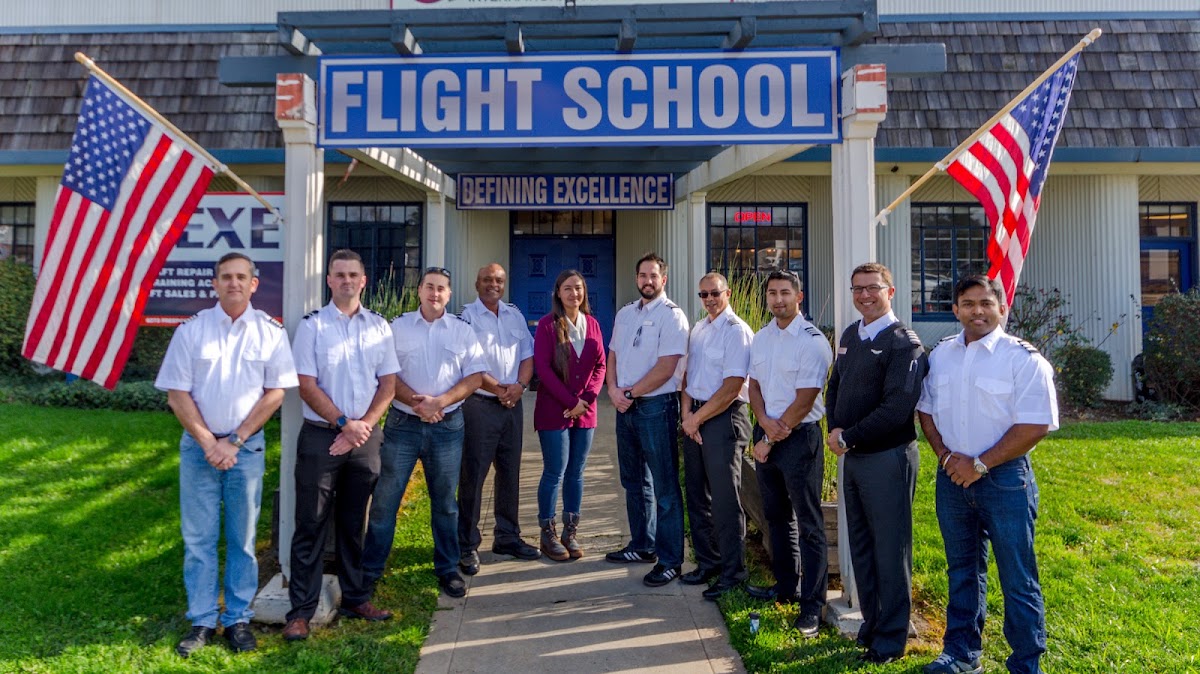
Sacramento, CA · KSAC
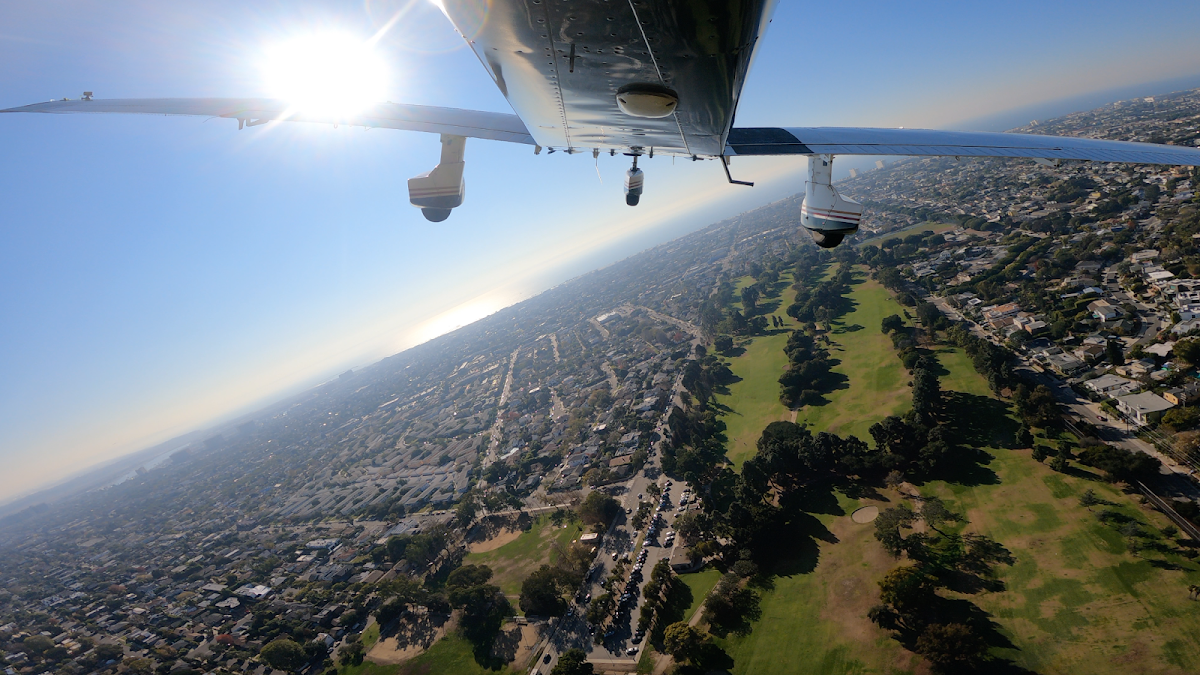
Santa Monica, CA · KSMO
Los Angeles, CA · KVNY

Los Angeles, CA · KVNY
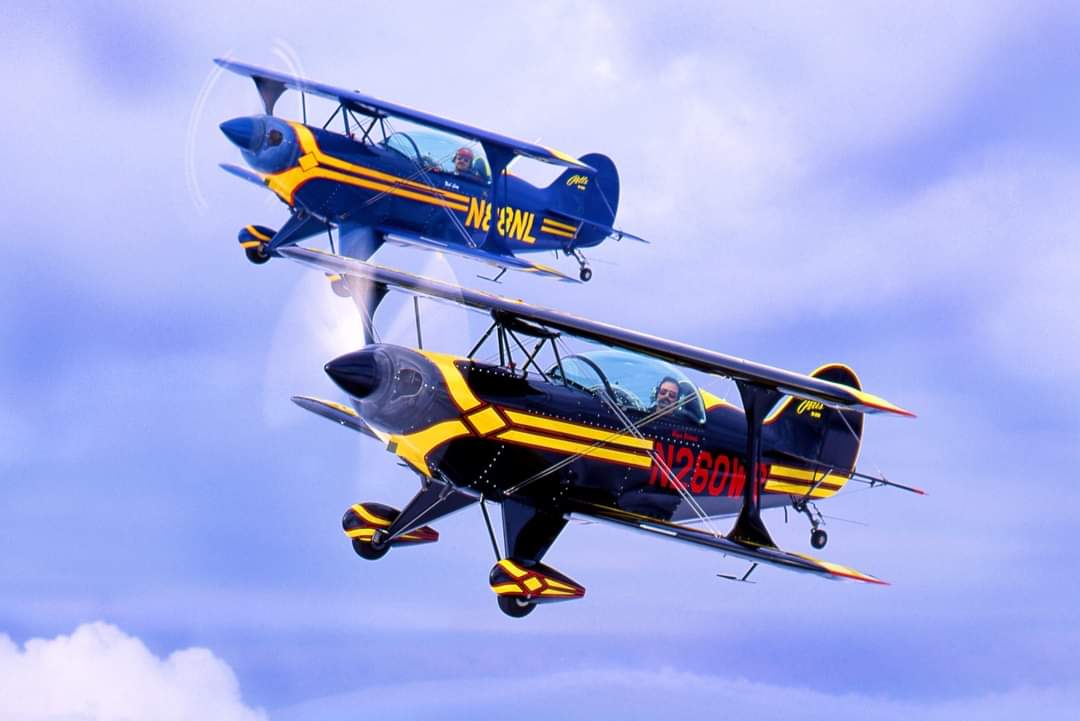
Los Angeles, CA · KVNY
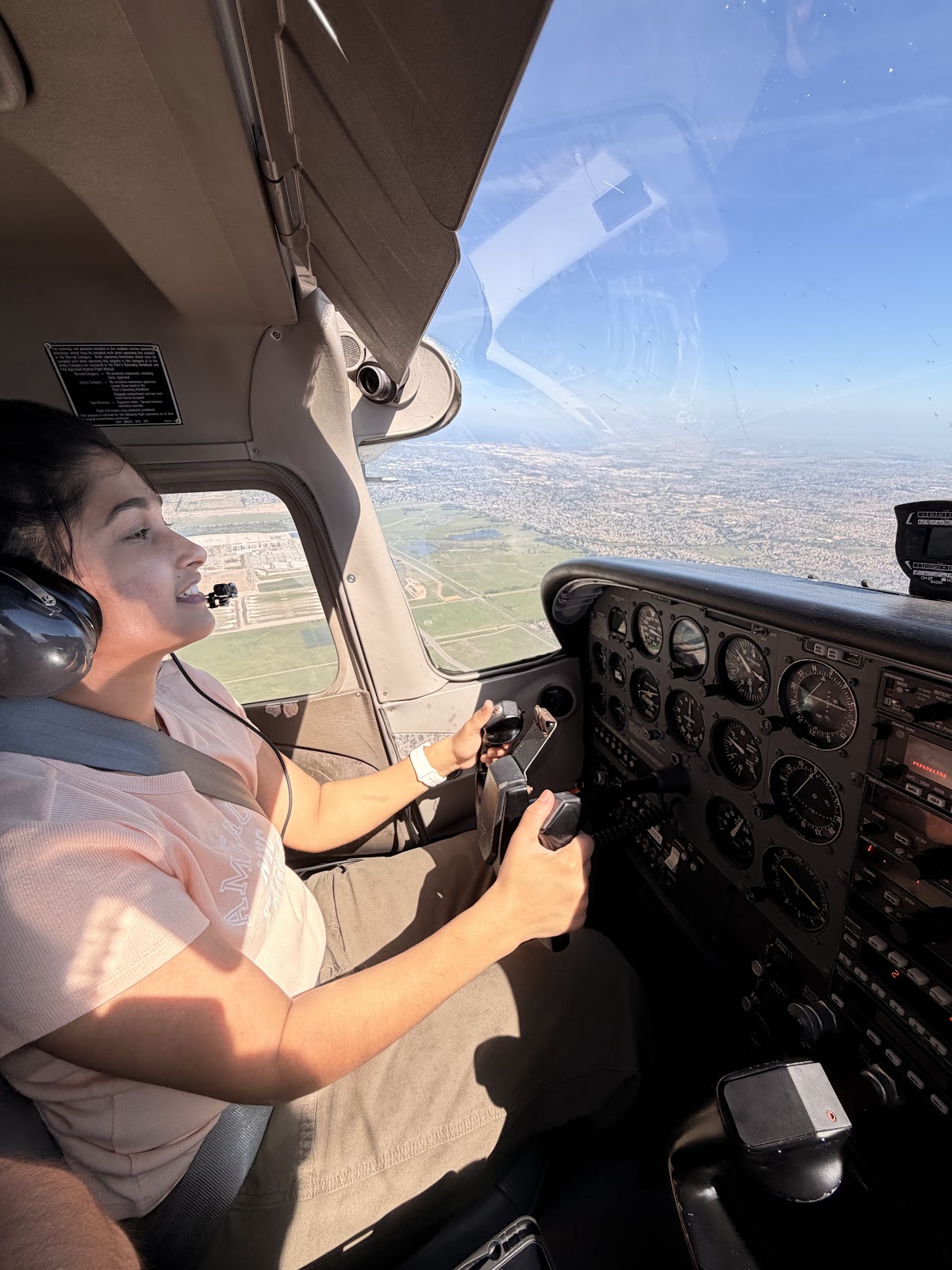
Sacramento, CA · KSAC
Los Angeles, CA · KVNY

Carlsbad, CA · KCRQ
Los Angeles, CA · KVNY
Los Angeles, CA · KVNY
Hayward, CA · KHWD
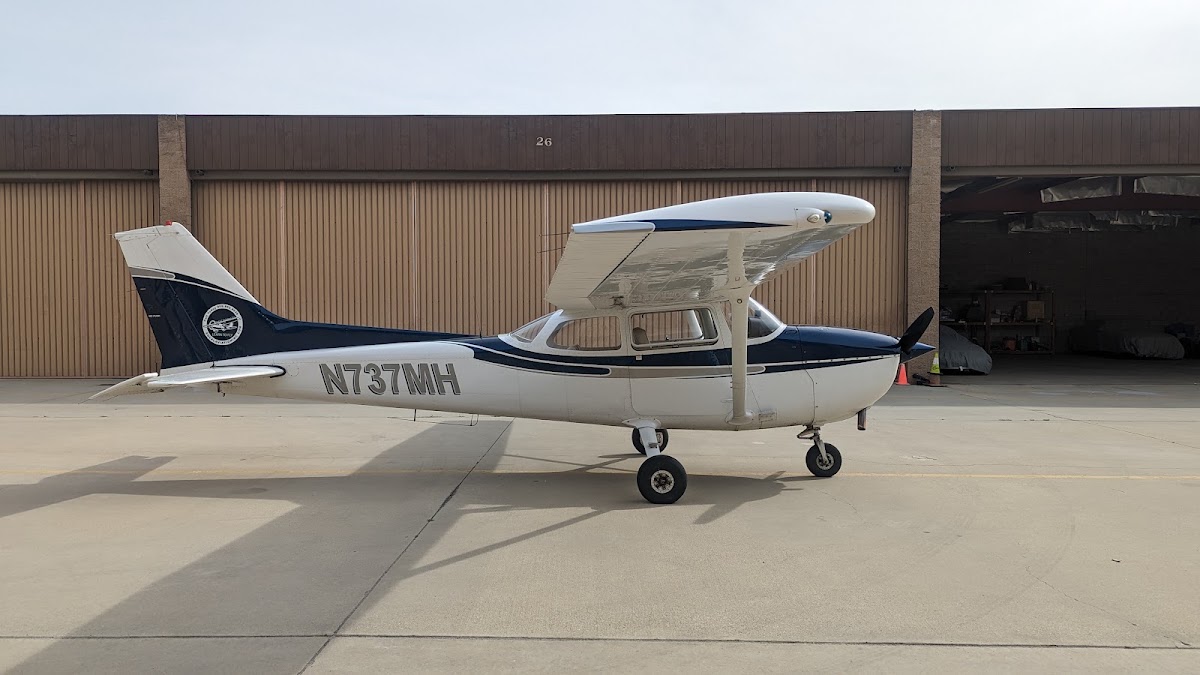
Chino, CA · KCNO
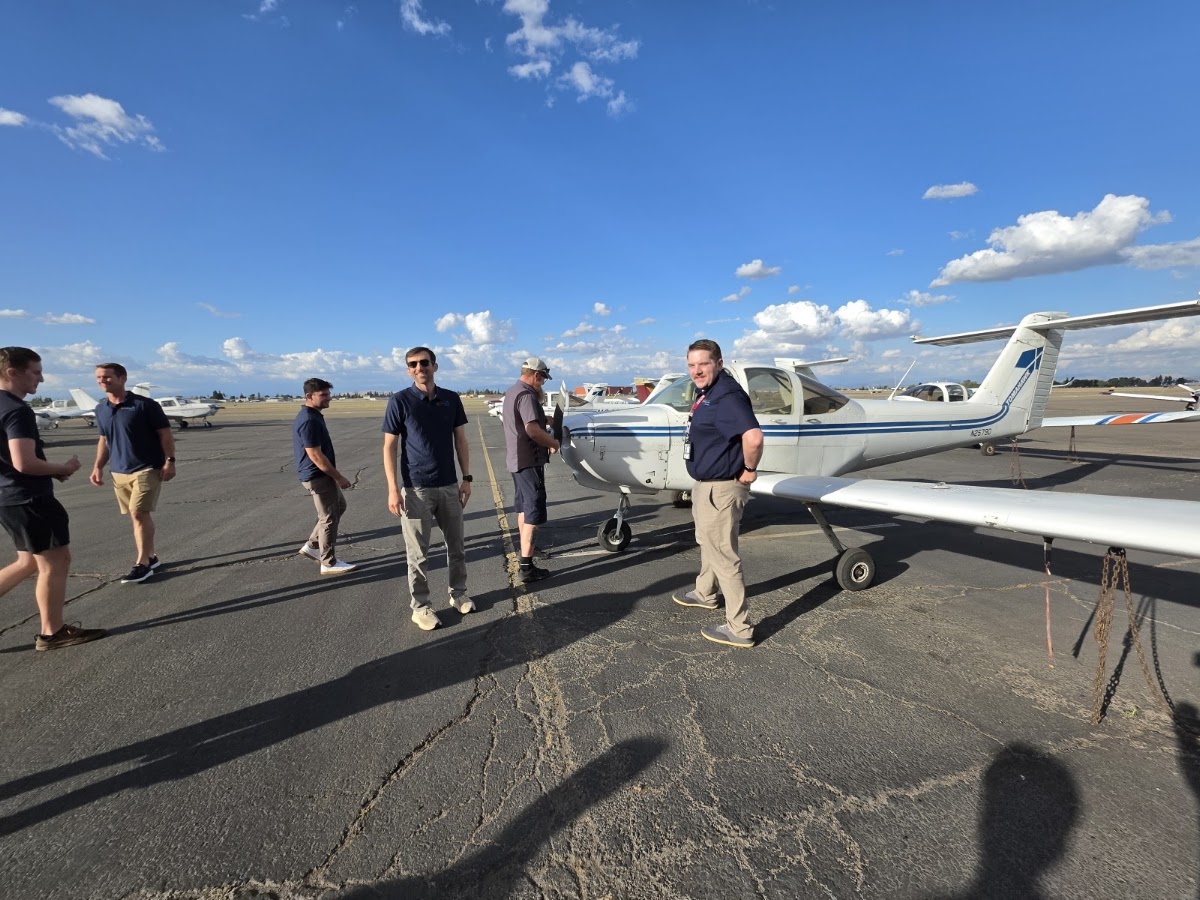
Fresno, CA · KFAT
Livermore, CA · KLVK
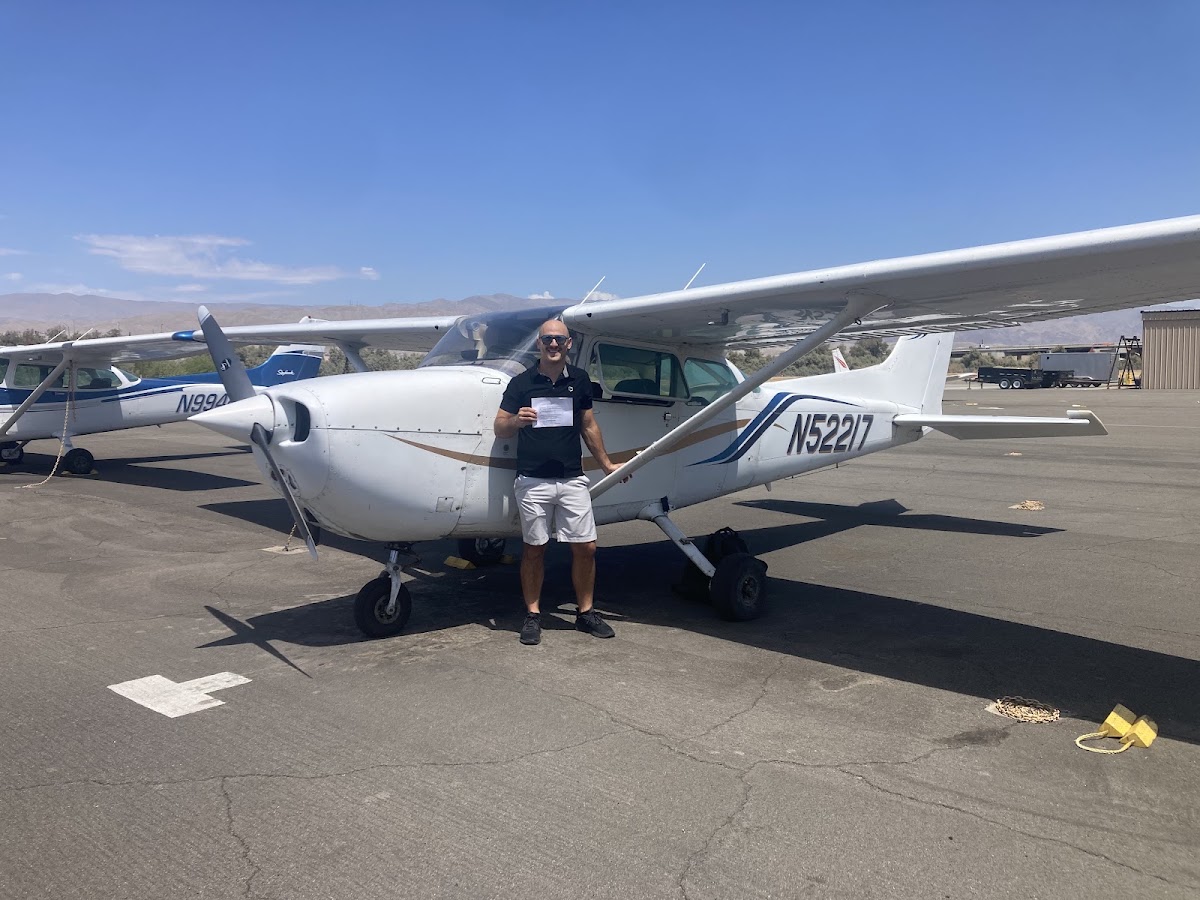
Bermuda Dunes, CA · KUDD
Mojave, CA · KMHV
Costa Mesa, CA · KSNA
Upland, CA · KCCB
Fresno, CA · KFCH
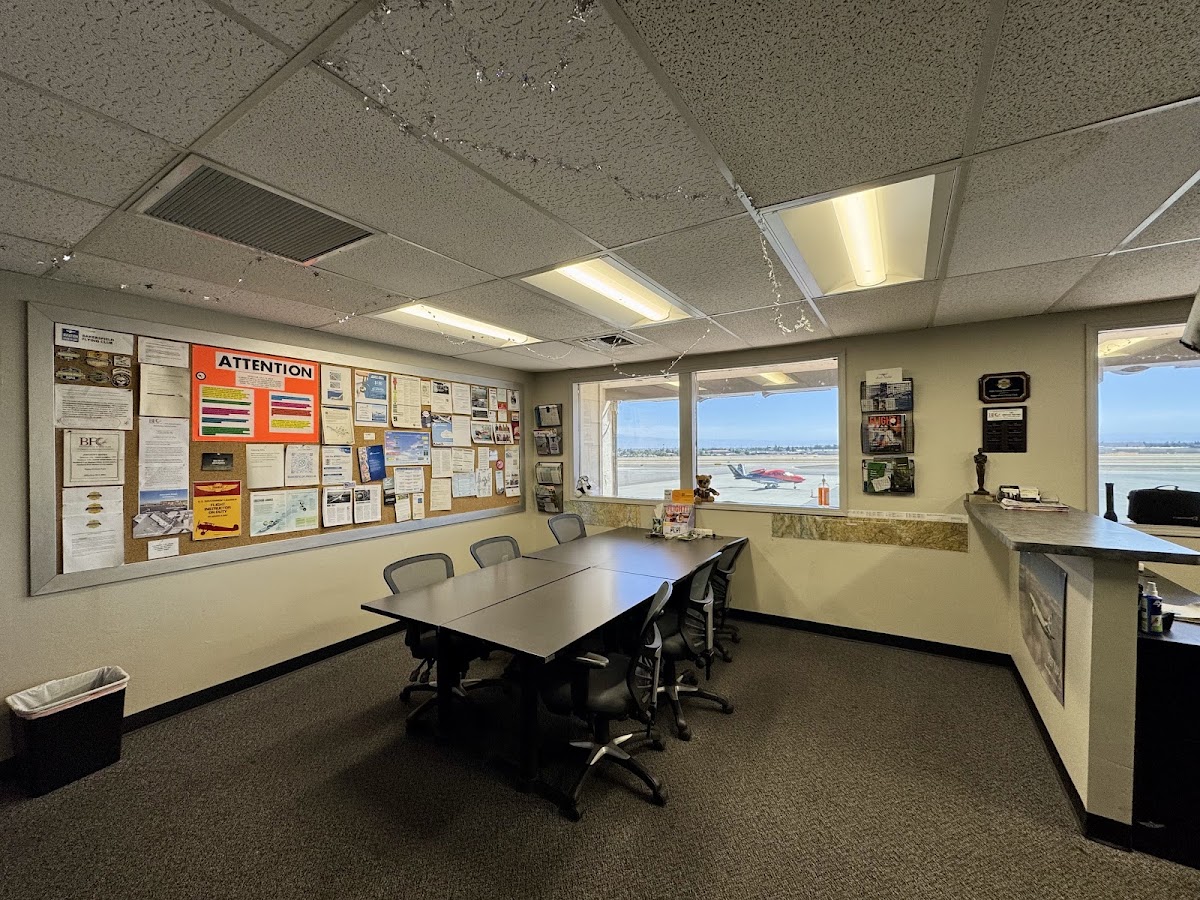
Bakersfield, CA · KBFL
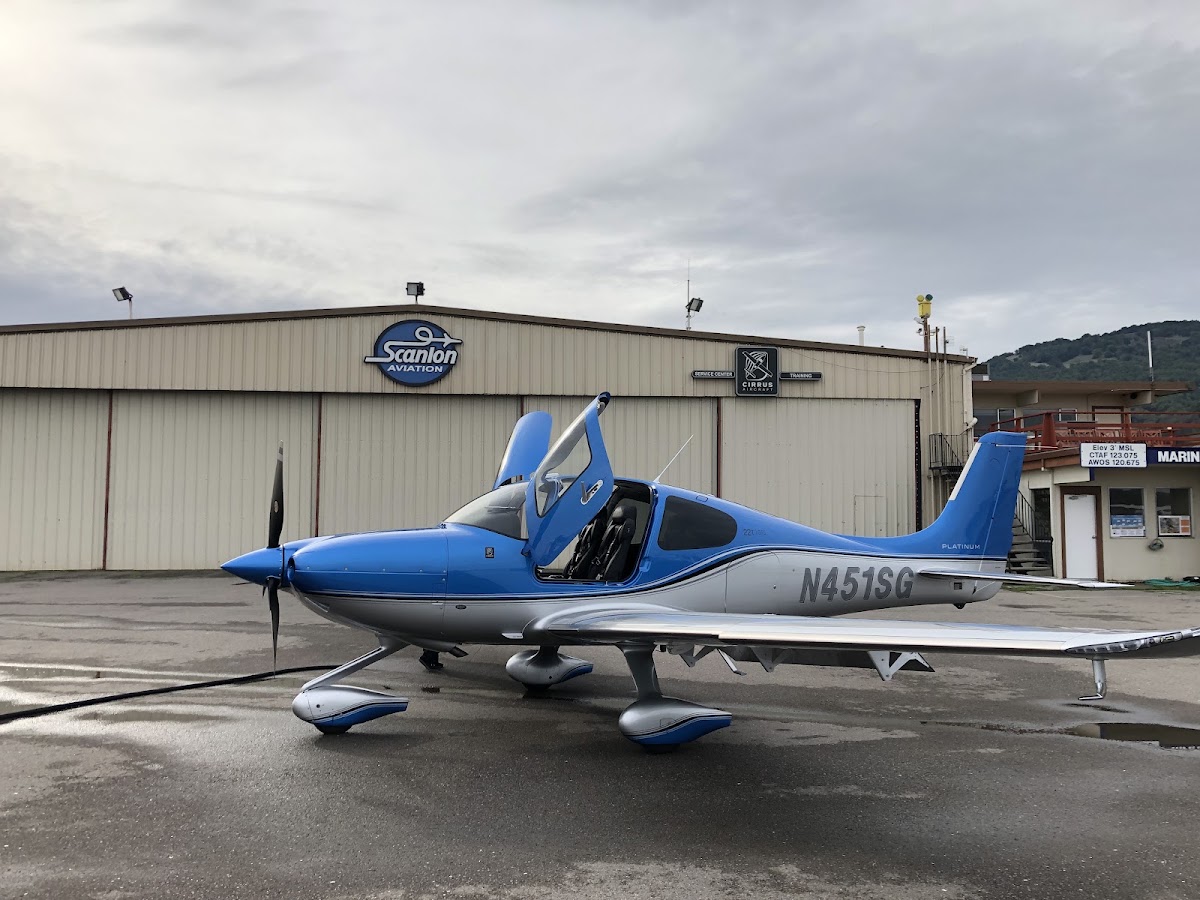
Novato, CA · KDVO
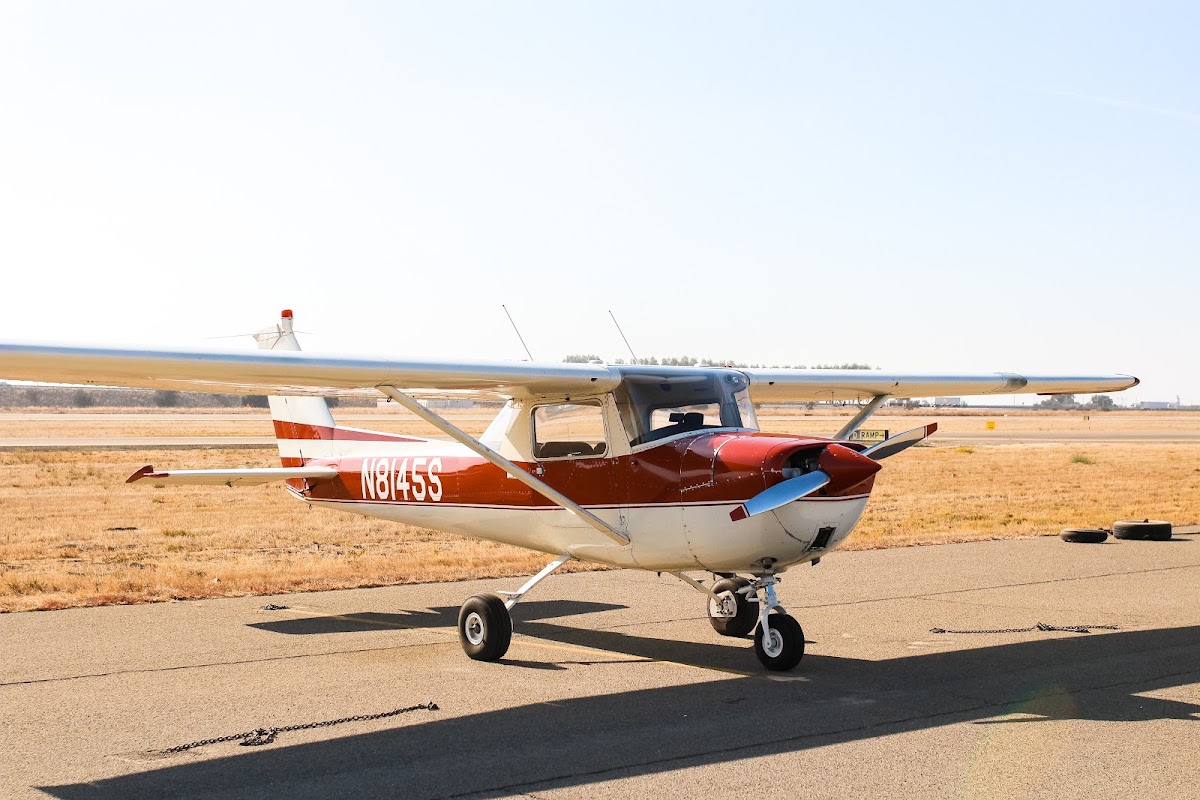
Visalia, CA · KVIS
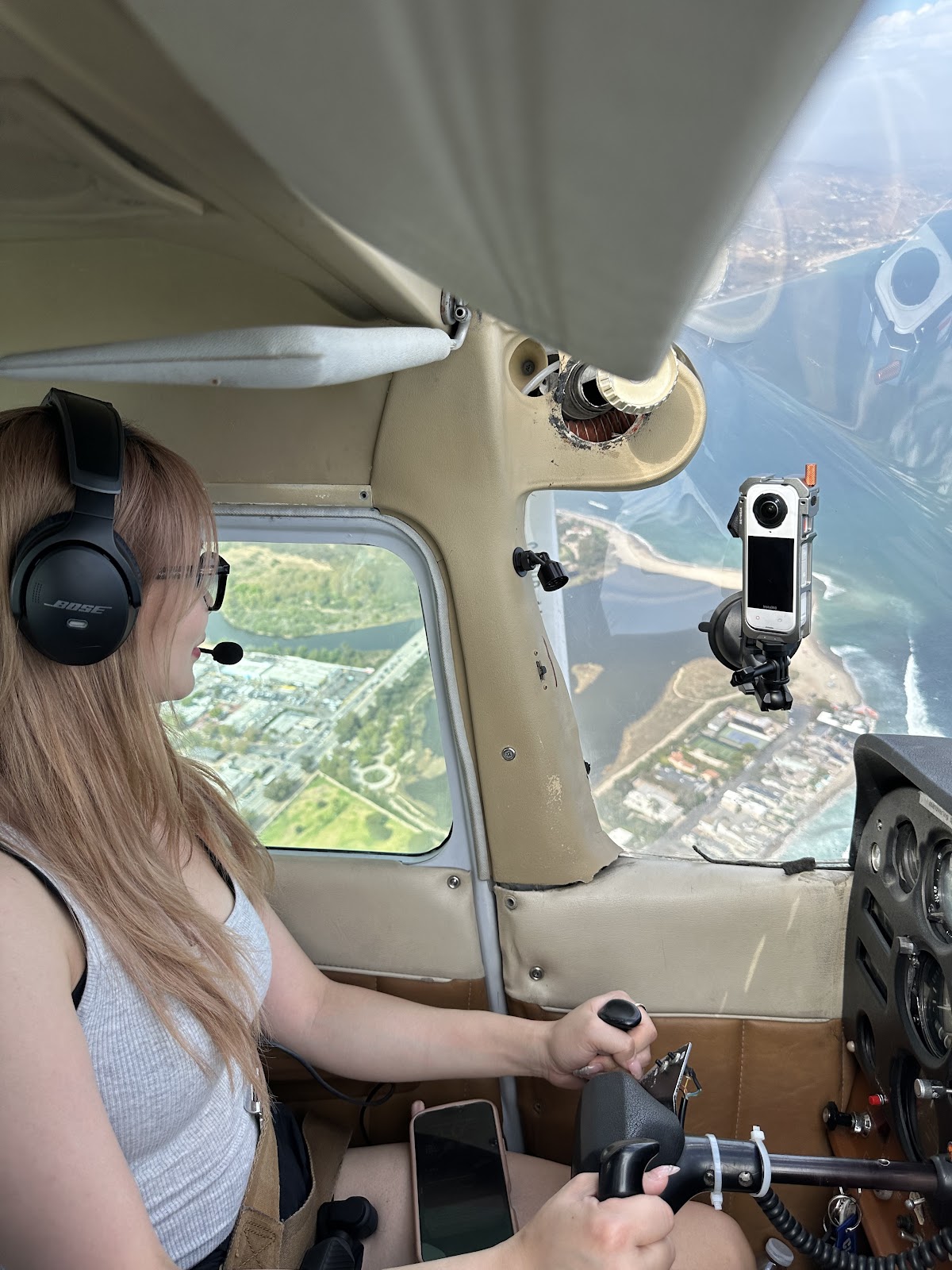
El Monte, CA · KEMT
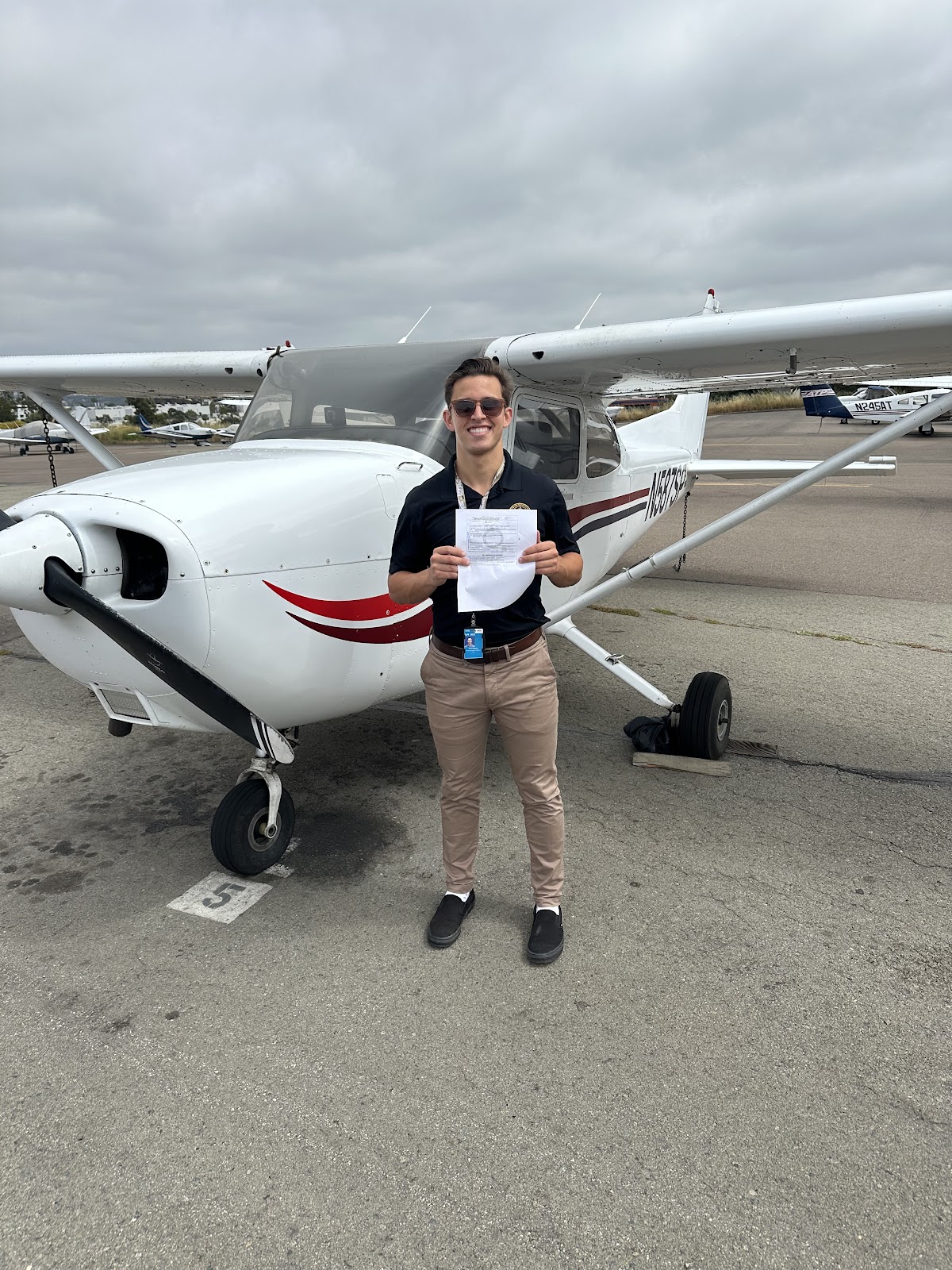
Carlsbad, CA · KCRQ

Los Angeles, CA · KVNY
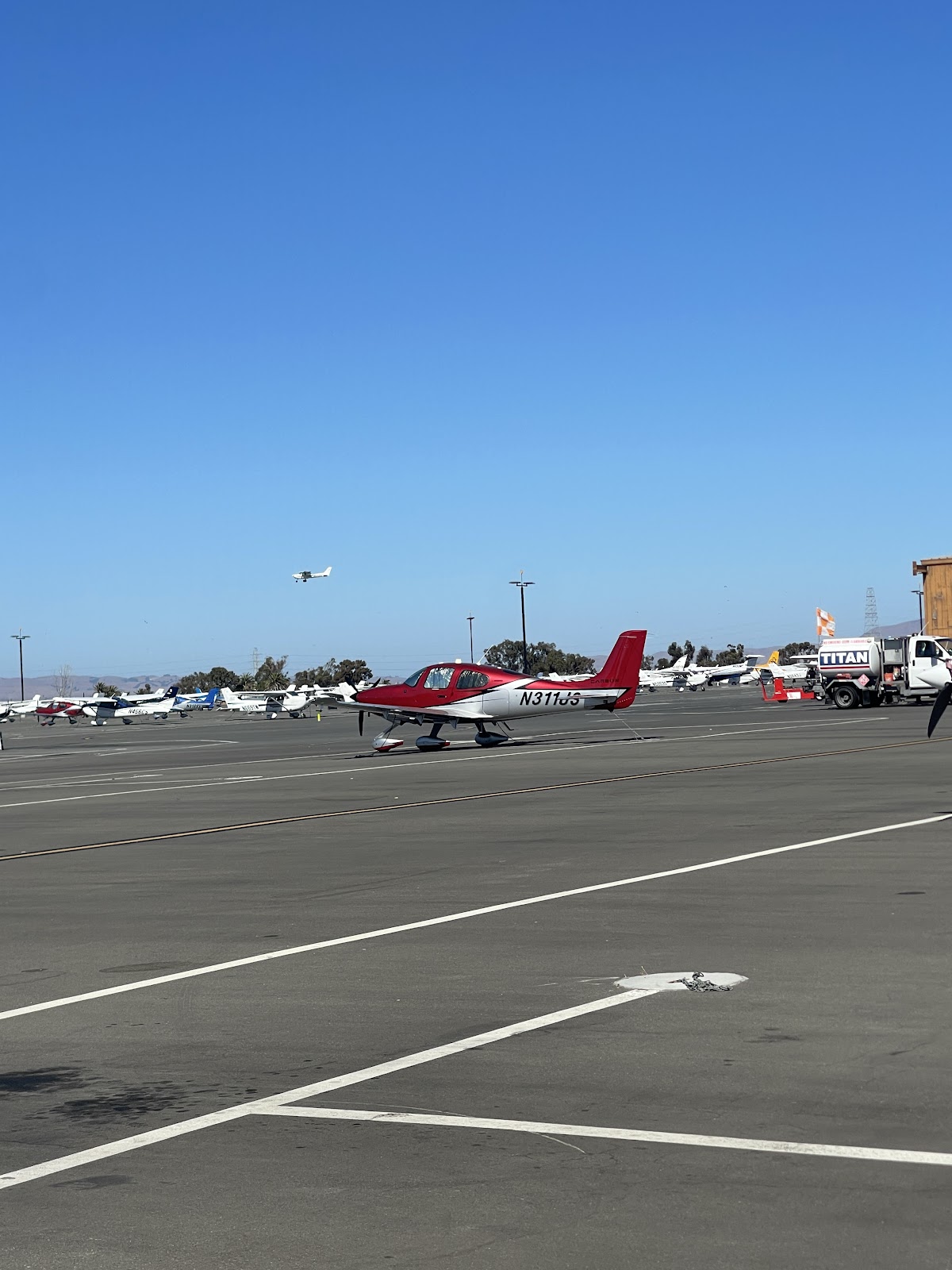
Palo Alto, CA · KPAO
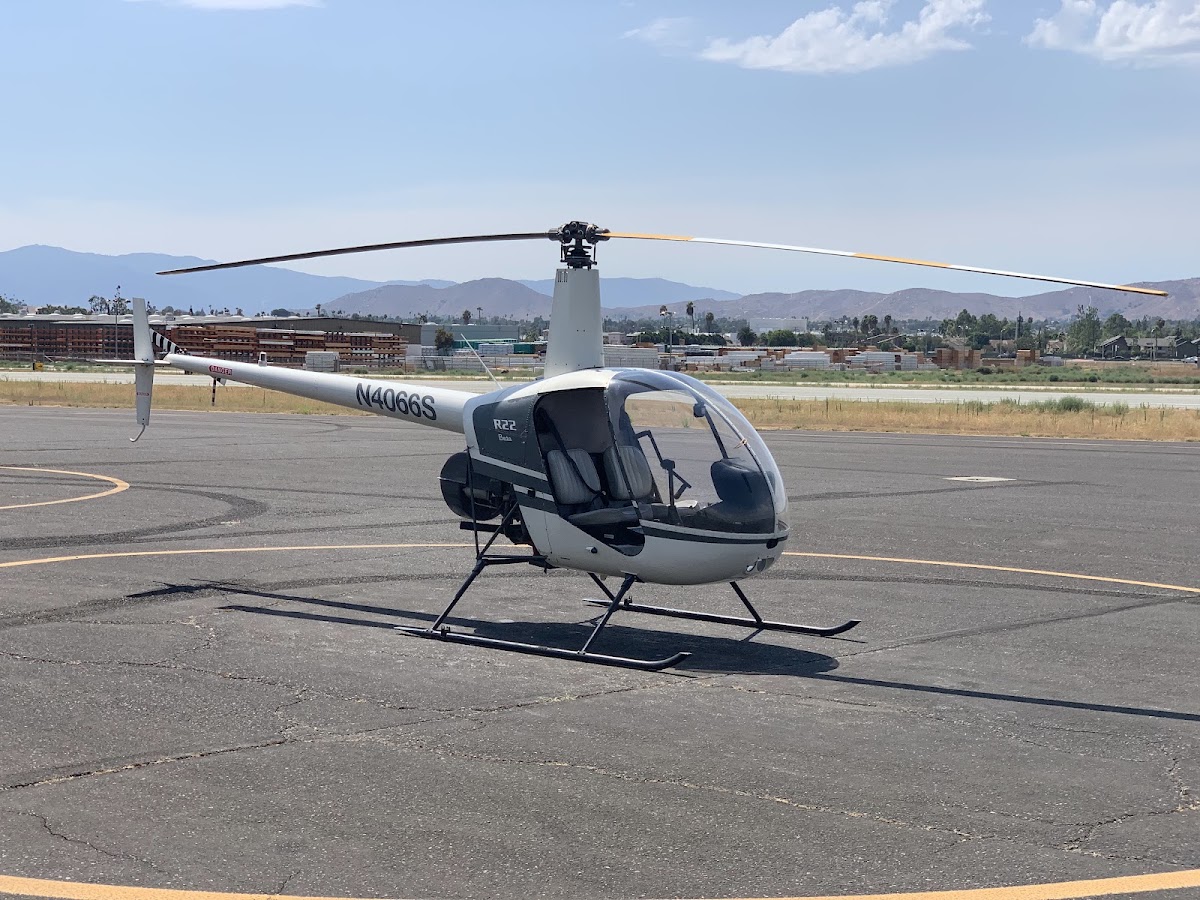
Riverside, CA · KRAL
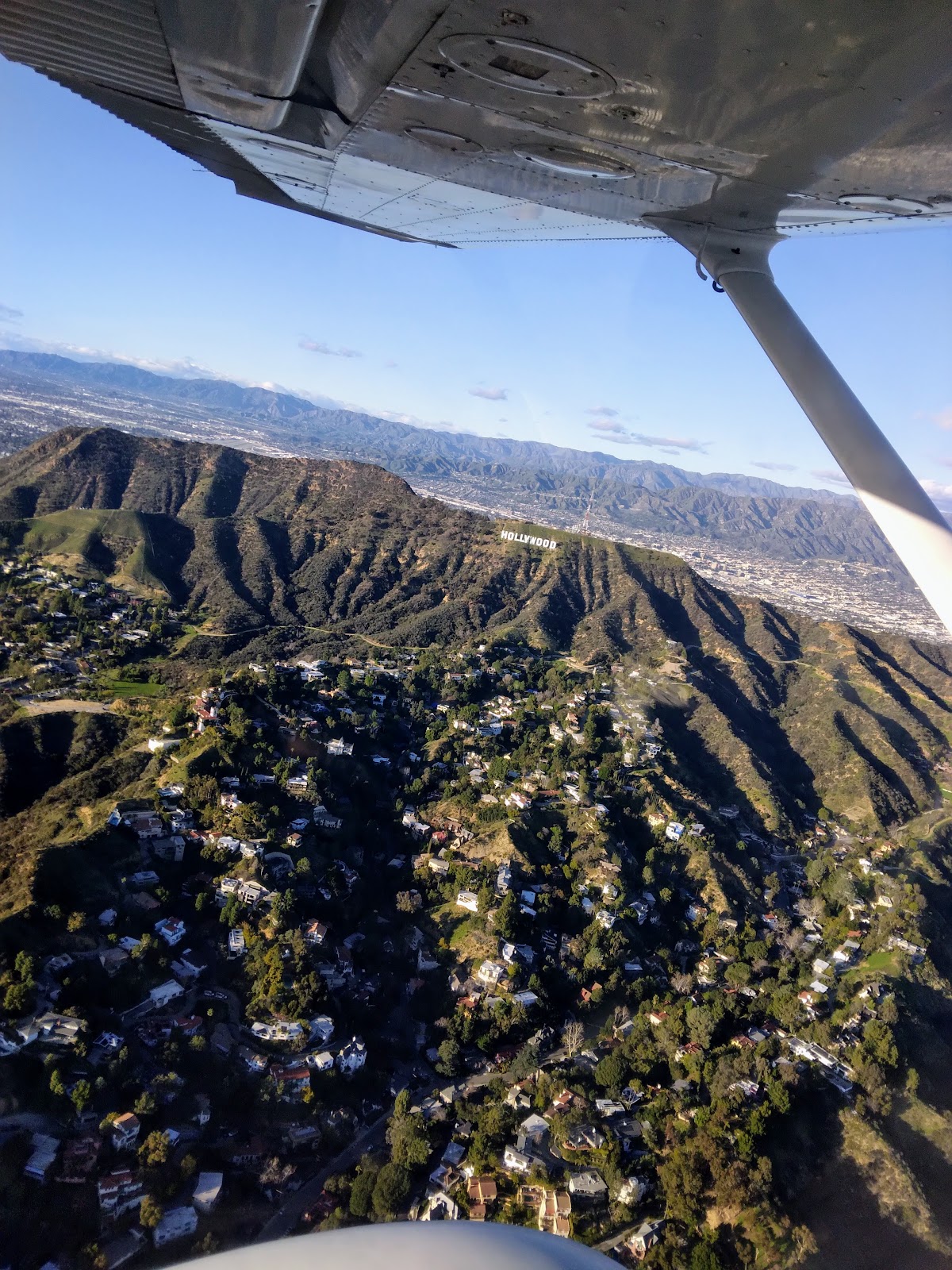
Torrance, CA · KTOA
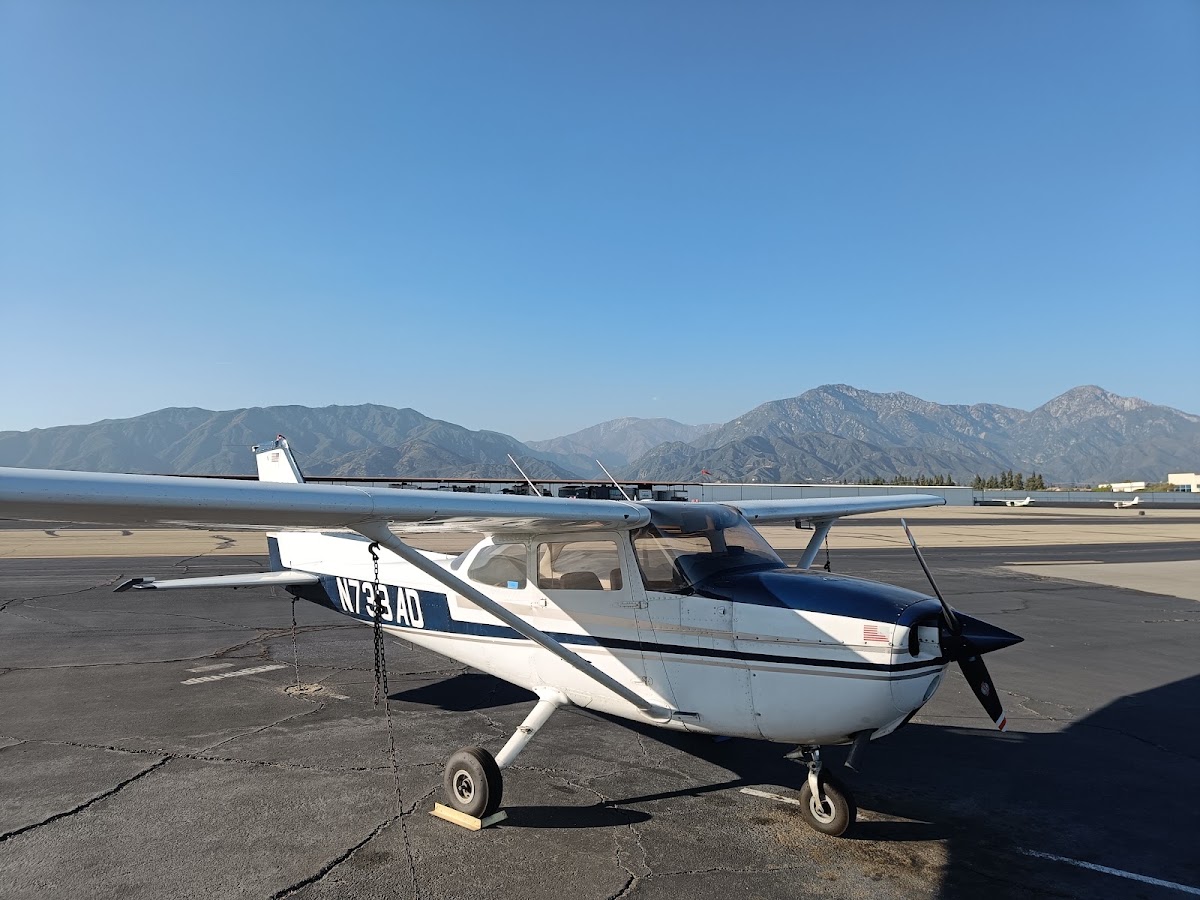
Upland, CA · KCCB

Lincoln, CA · KLHM
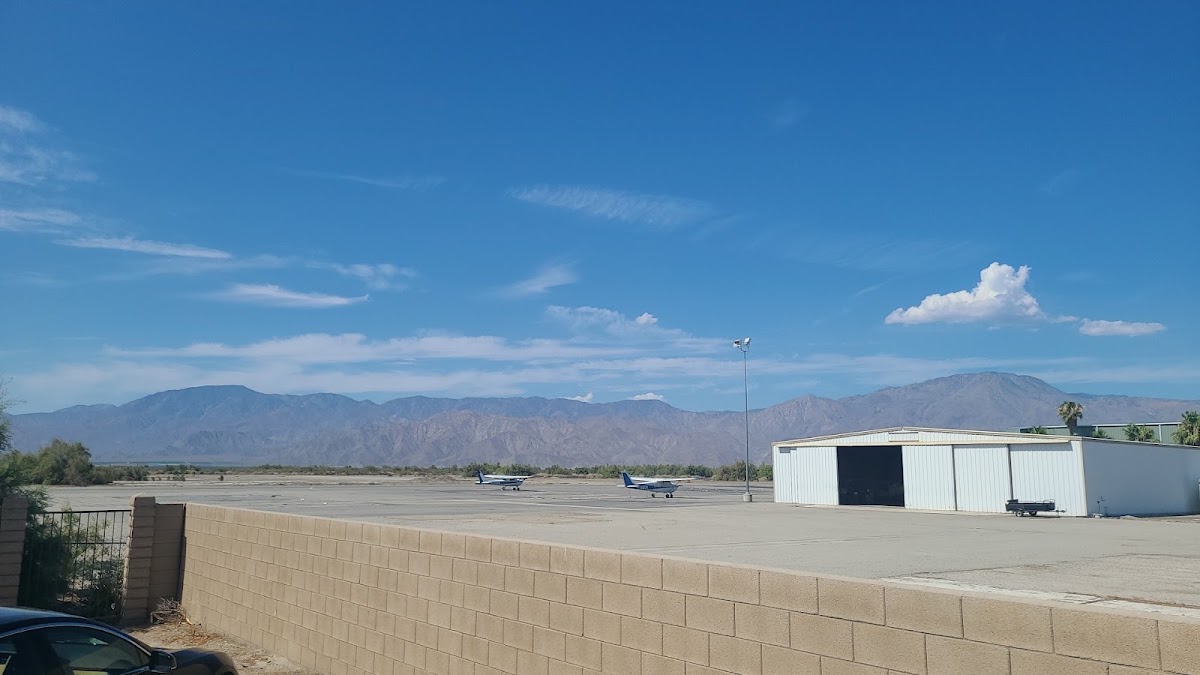
Thermal, CA · KTRM
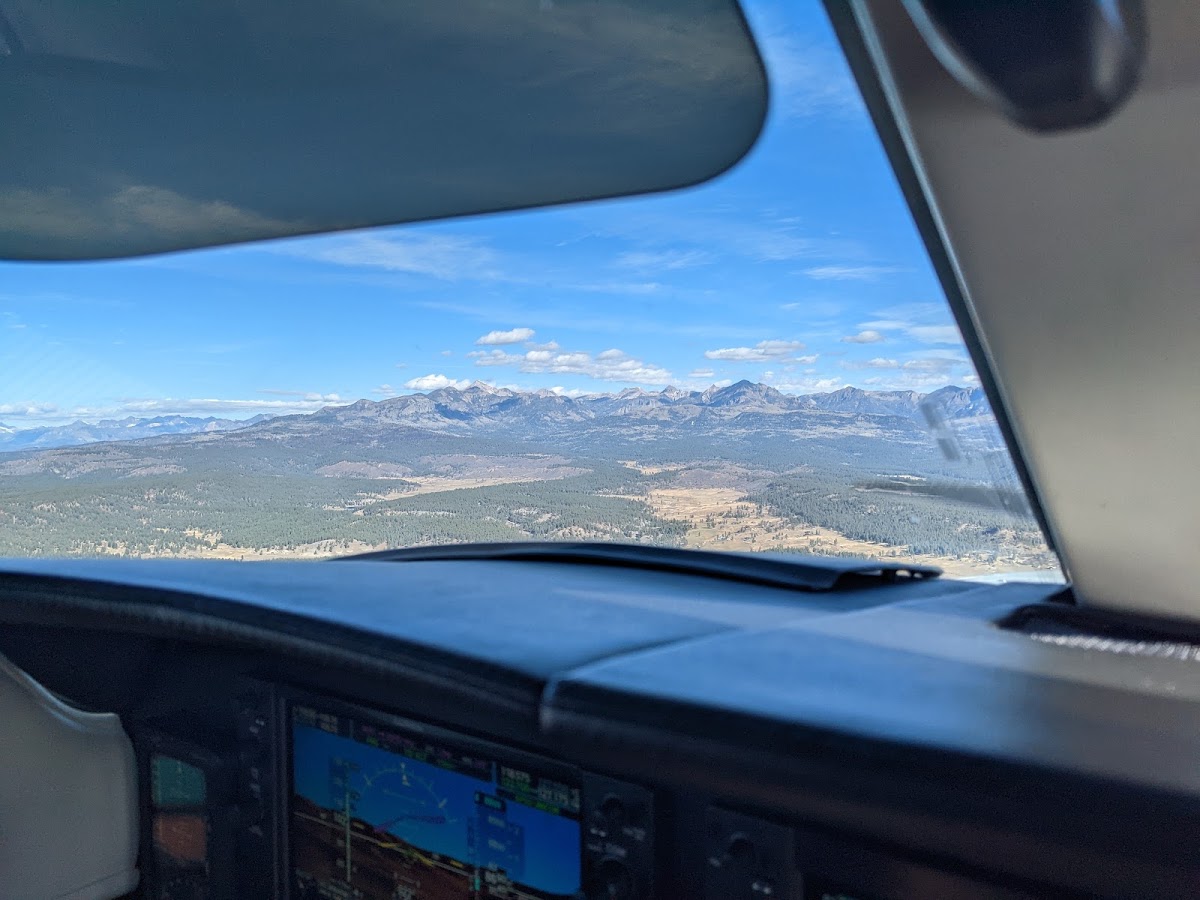
Oakland, CA · KOAK
Long Beach, CA · KLGB
Torrance, CA · KTOA
Palo Alto, CA · KPAO
Chino, CA · KCNO
Lincoln, CA · KLHM
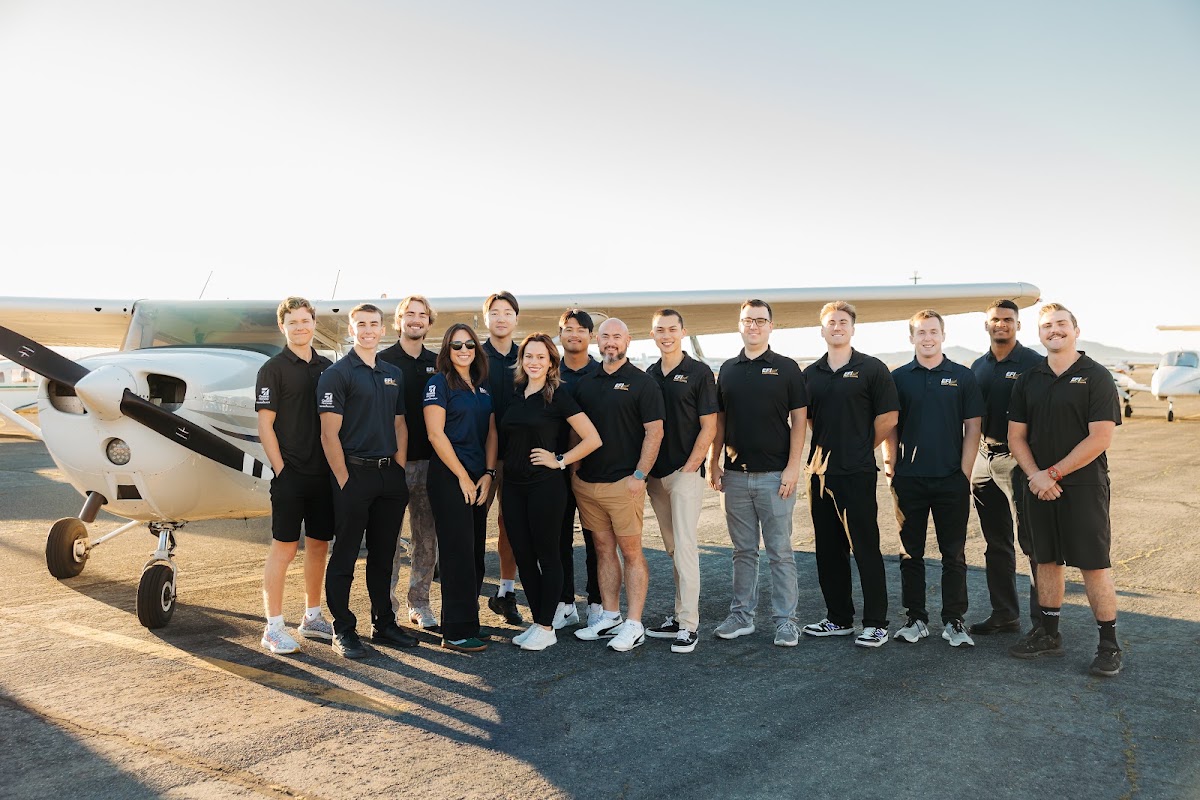
Murrieta, CA · KF70
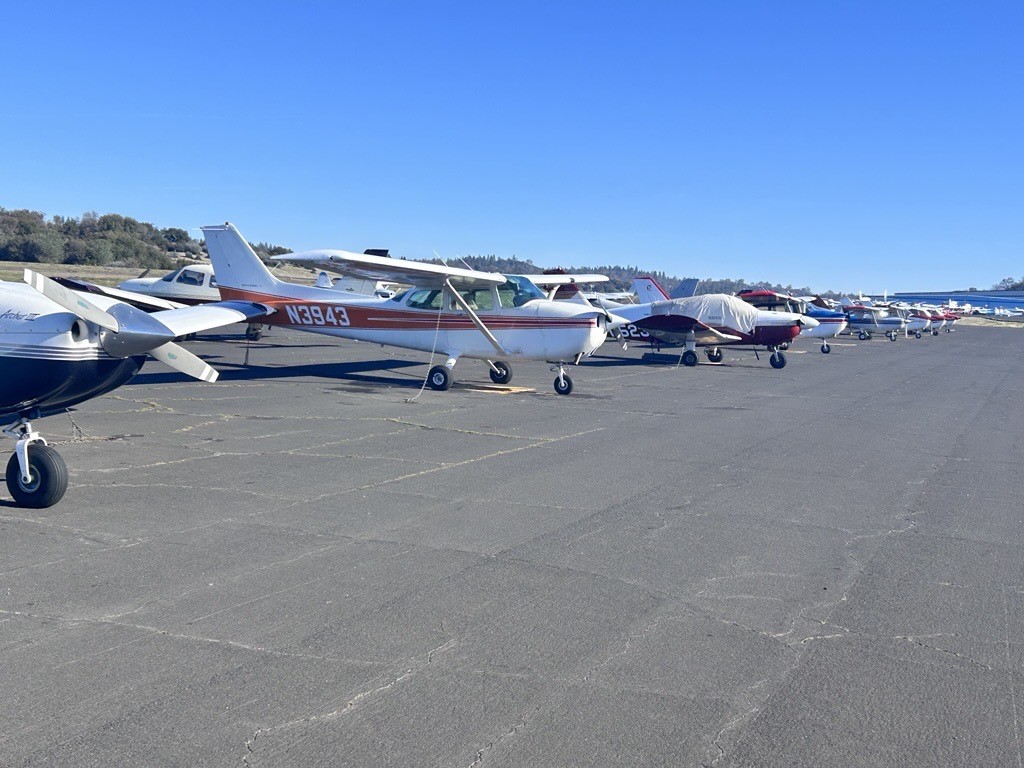
Auburn, CA · KAUN
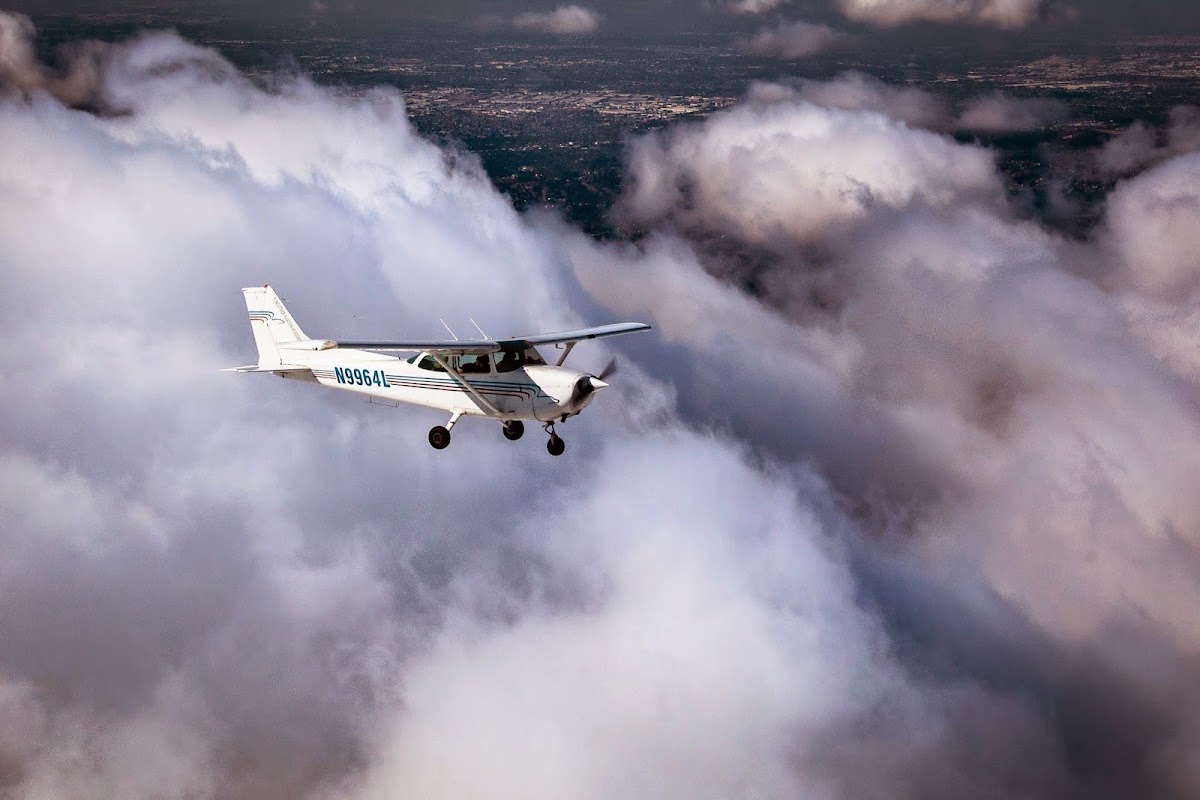
Fullerton, CA · KFUL
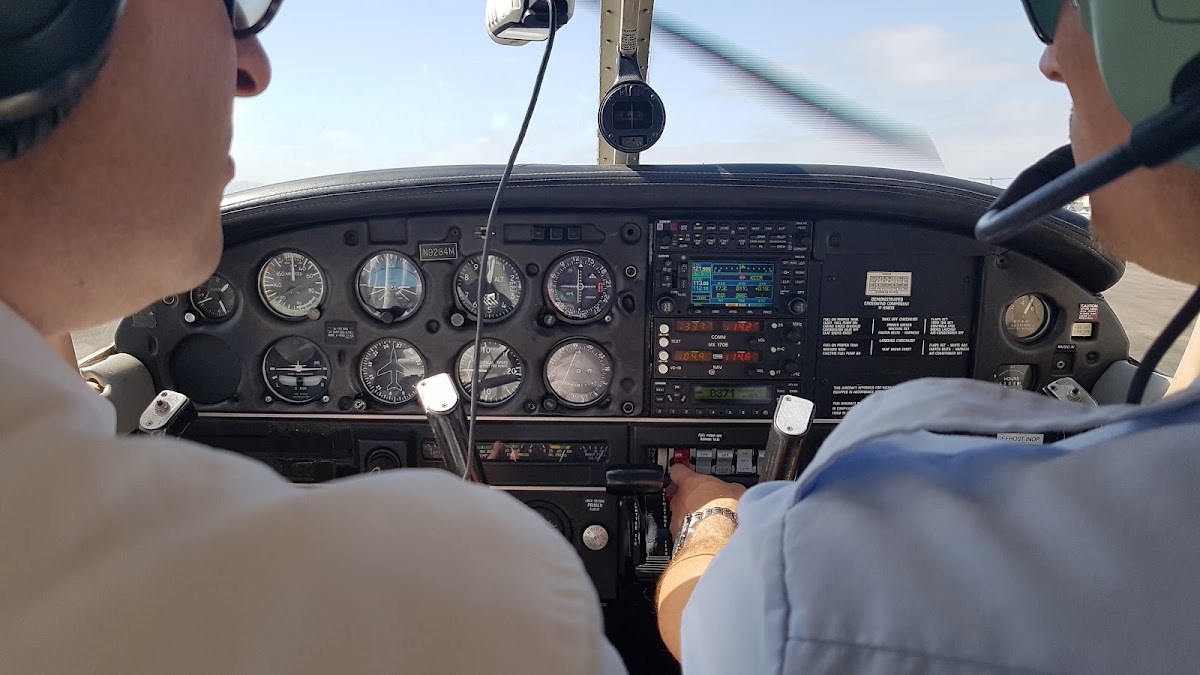
Oakland, CA · KOAK
San Diego, CA · KSDM
Compton, CA · KCPM
Long Beach, CA · KLGB
Hayward, CA · KHWD
Riverside, CA · KRAL
Los Angeles, CA · KVNY
San Diego, CA · KMYF
Long Beach, CA · KLGB
![14DAYPILOT [Relocated]](/uploads/schools/14daypilot-relocated-los-angeles-ca-1.jpg)
Los Angeles, CA · KVNY
Chino, CA · KCNO
La Verne, CA · KPOC
San Jose, CA · KRHV
Long Beach, CA · KLGB
Costa Mesa, CA · KSNA
Santa Ana, CA · KSNA

Long Beach, CA · KLGB
San Jose, CA · KRHV
El Cajon, CA · KSEE
San Diego, CA · KMYF

Los Angeles, CA · KVNY
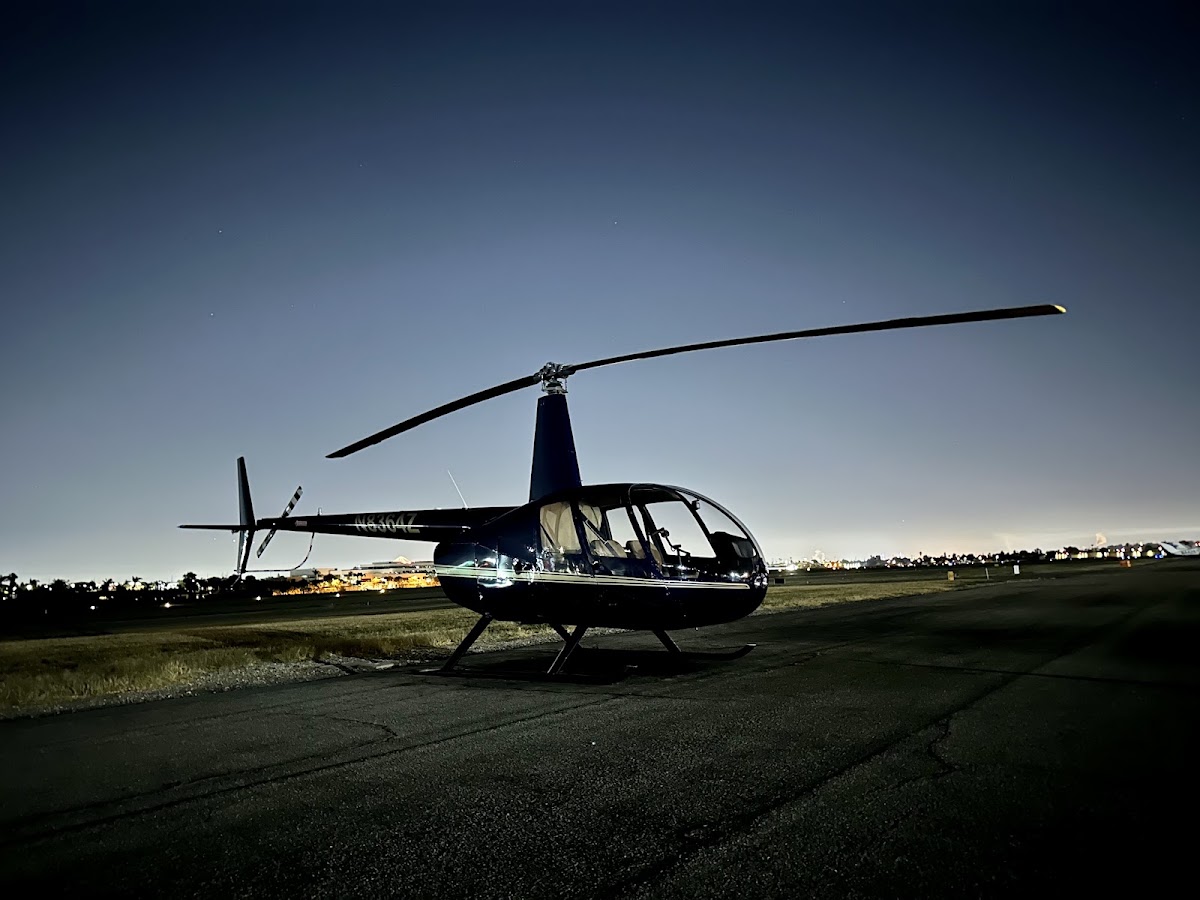
Torrance, CA · KTOA
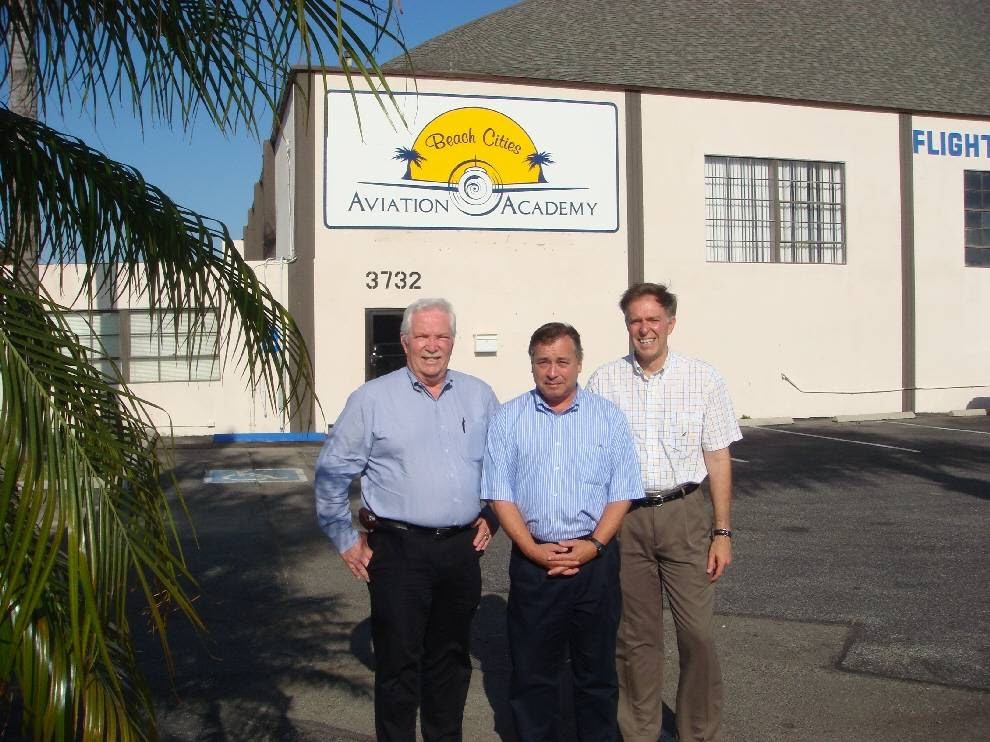
Hawthorne, CA · KHHR
Livermore, CA · KLVK
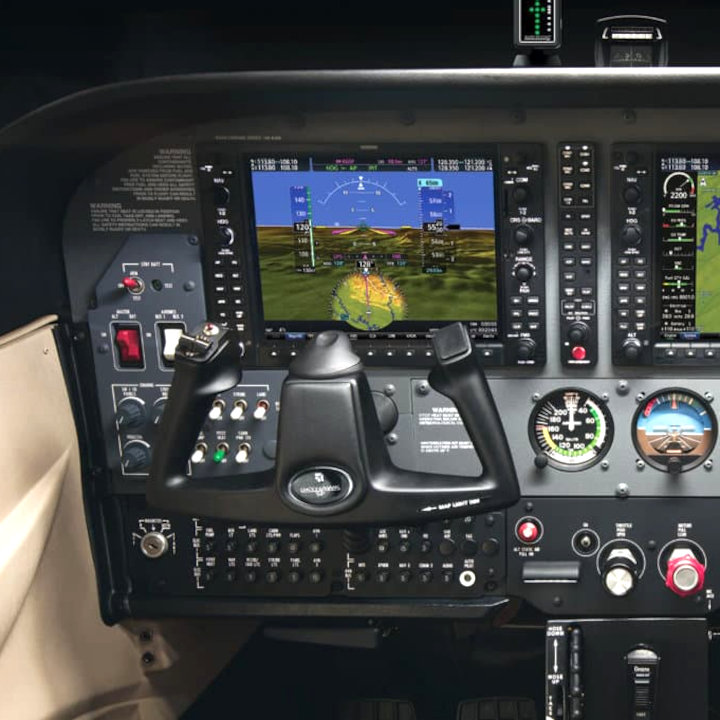
Palo Alto, CA · KPAO
Long Beach, CA · KCNO
Riverside, CA · KRAL
Concord, CA · KCCR

Bakersfield, CA · KBFL
Los Angeles, CA · KVNY
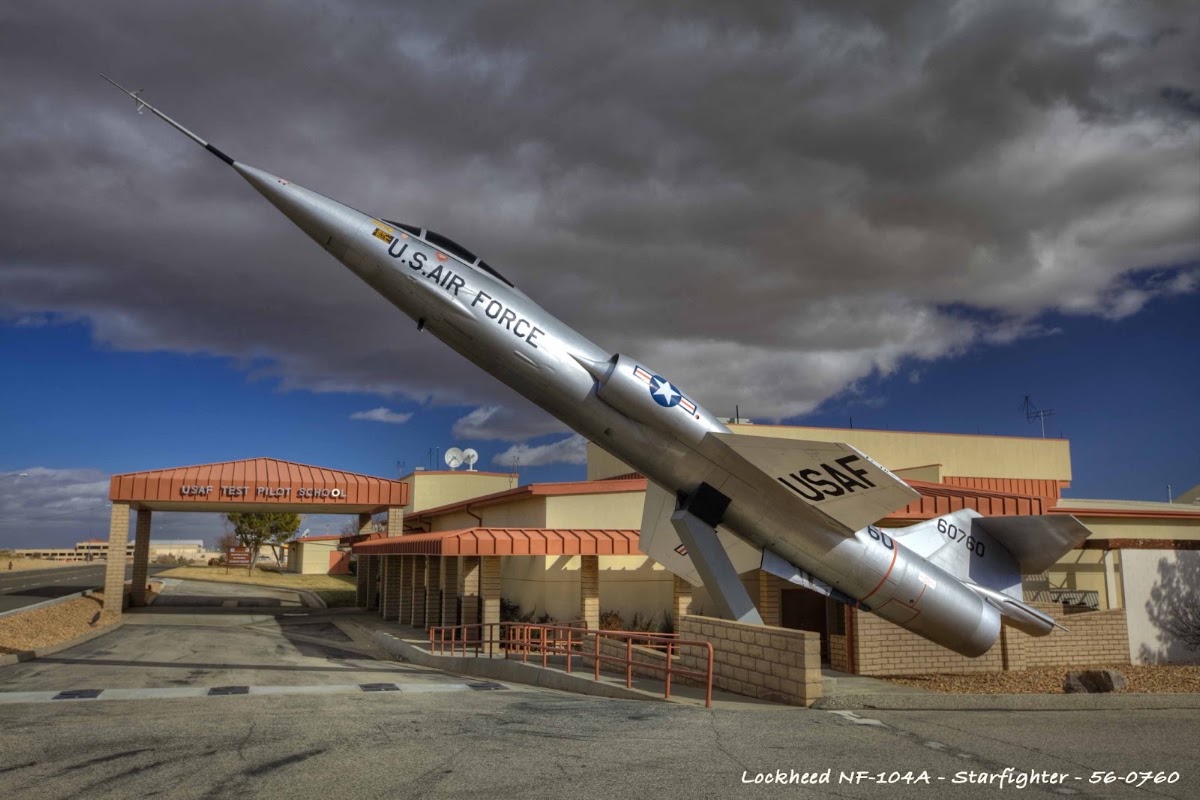
Edwards Air Force Base, CA · KEDW
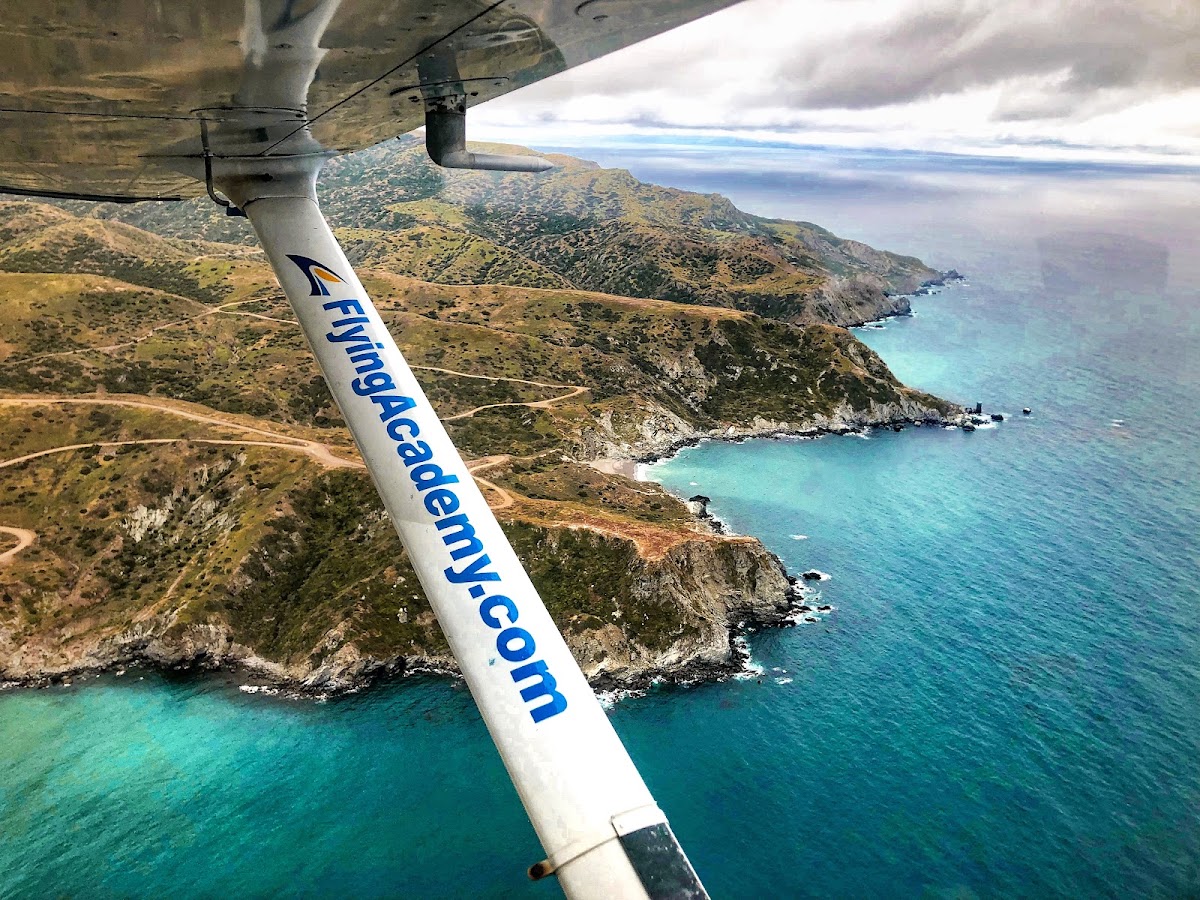
Corona, CA · KAJO
Napa, CA · KAPC
Mather, CA · KMHR
Hayward, CA · KHWD
San Diego, CA · KMYF
Hayward, CA · KHWD
San Jose, CA · KSJC
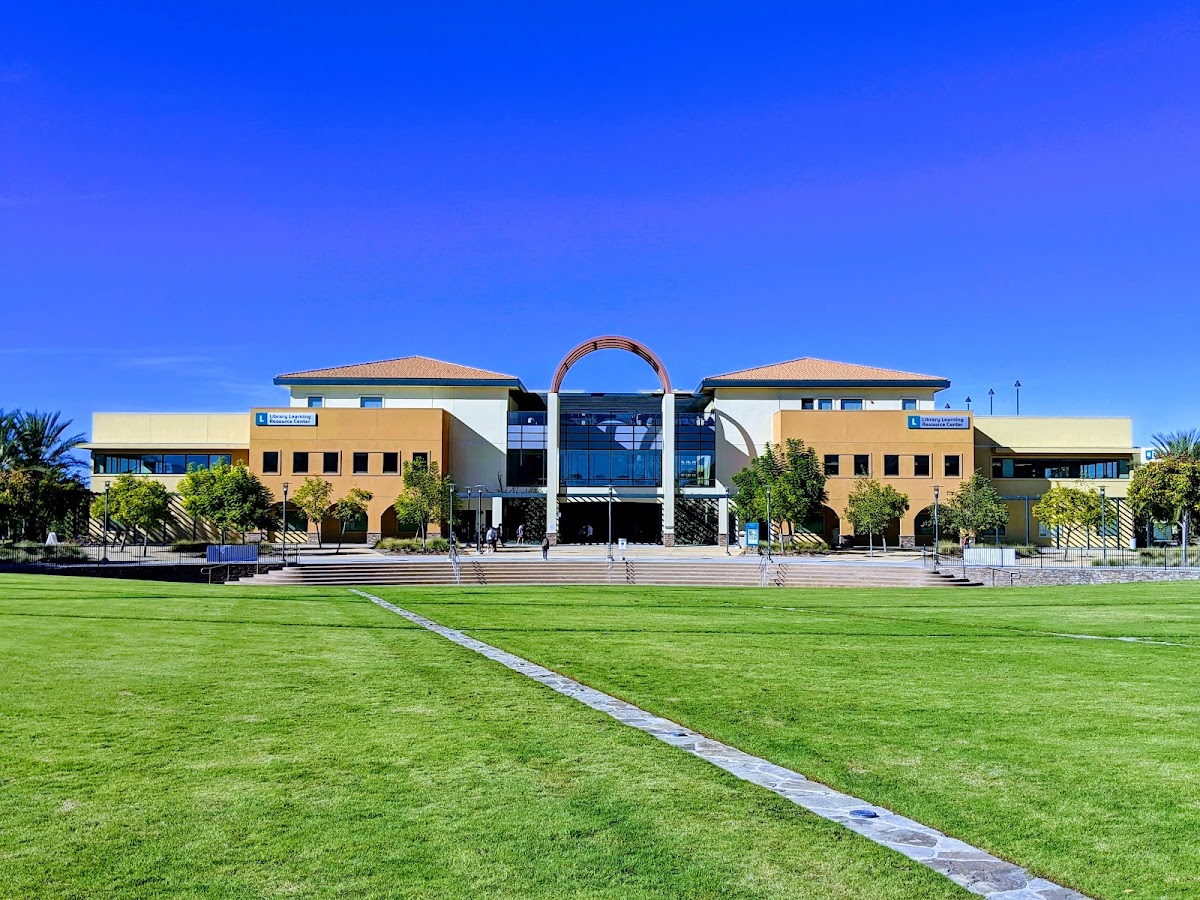
San Diego, CA · KNKX
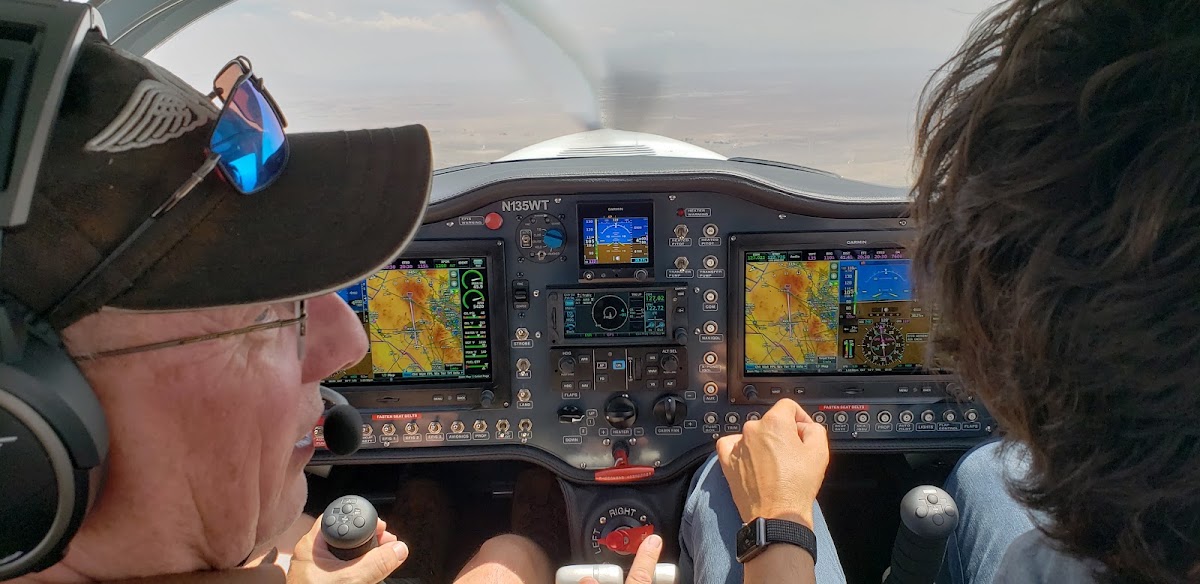
Torrance, CA · KTOA
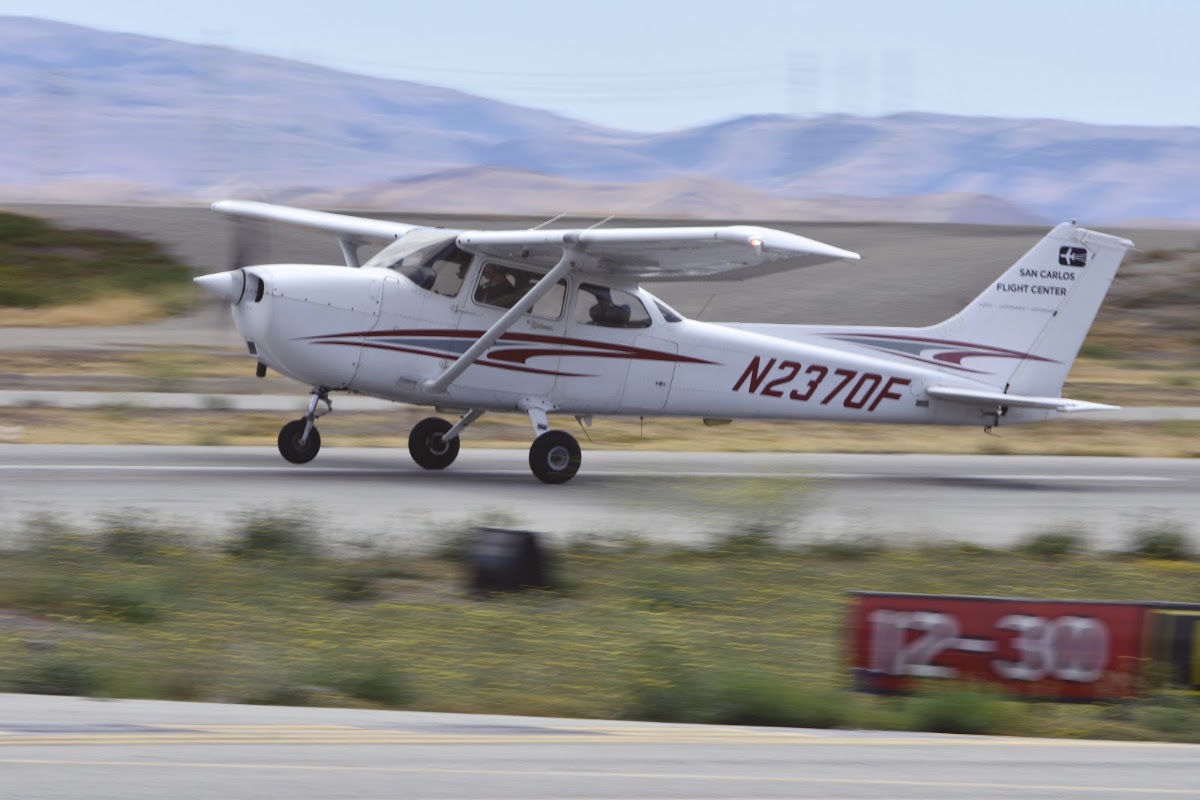
San Carlos, CA · KSQL
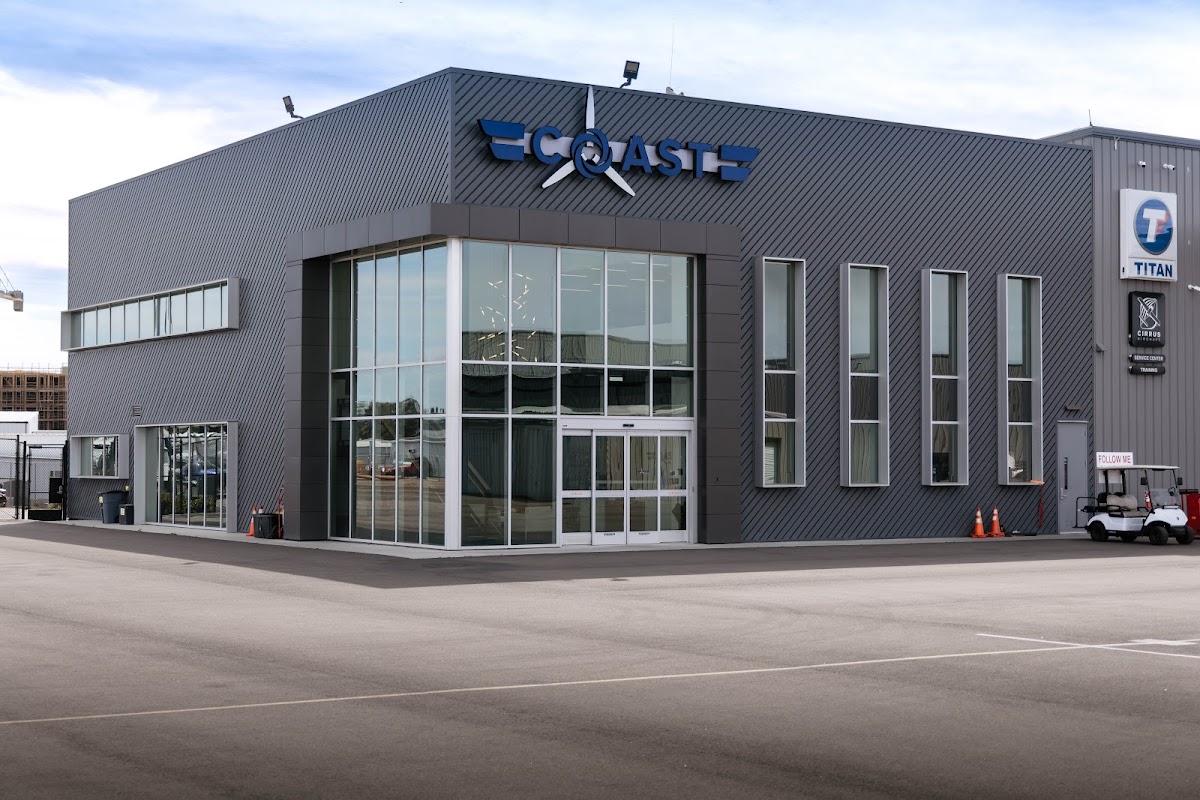
San Diego, CA · KMYF
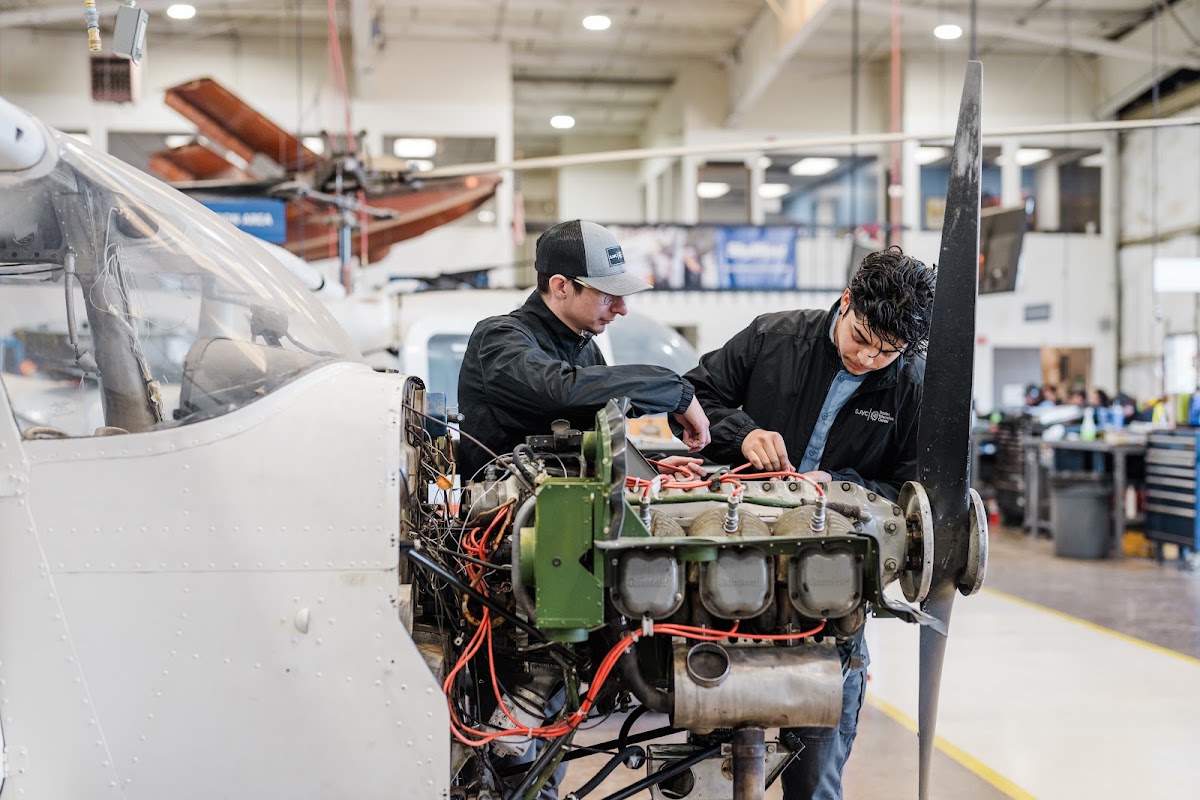
Fresno, CA · KFAT
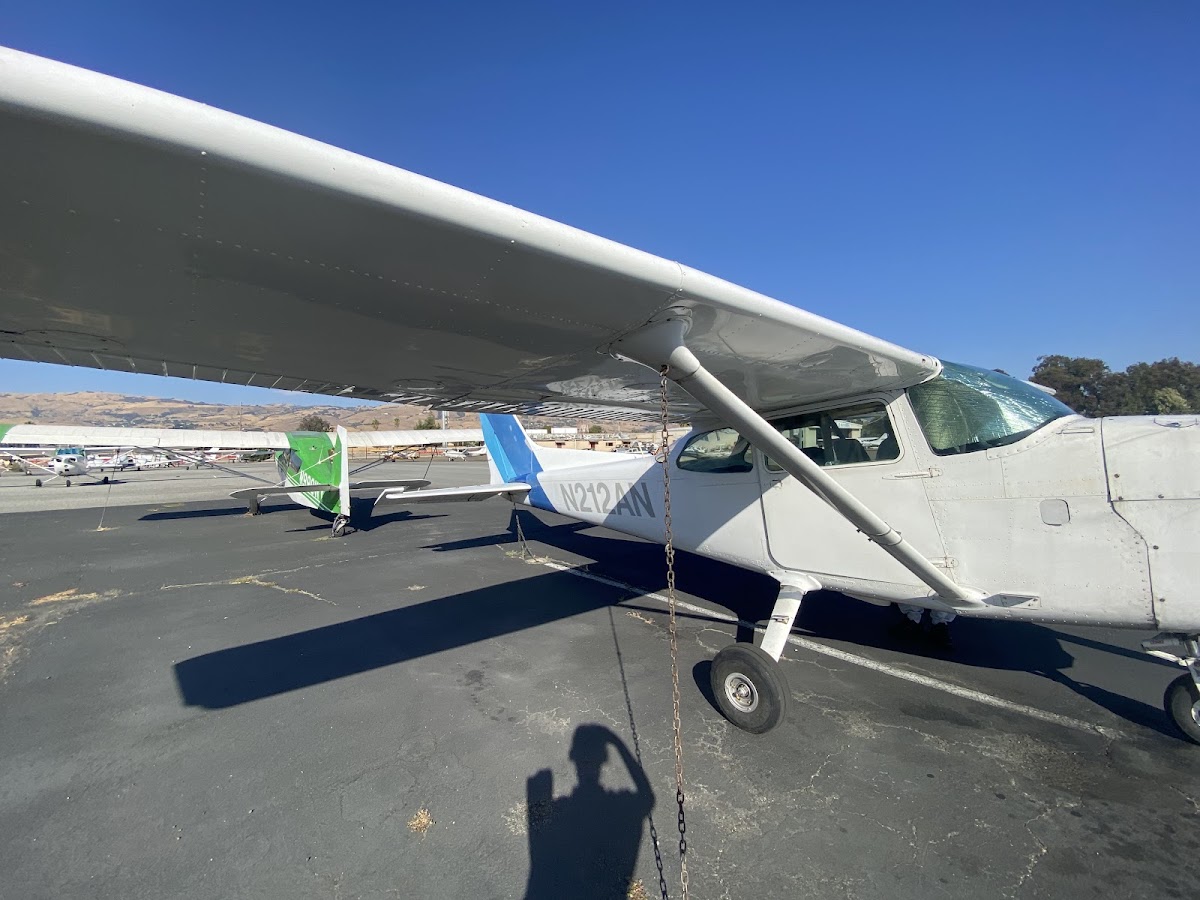
San Jose, CA · KRHV
San Diego, CA · KMYF
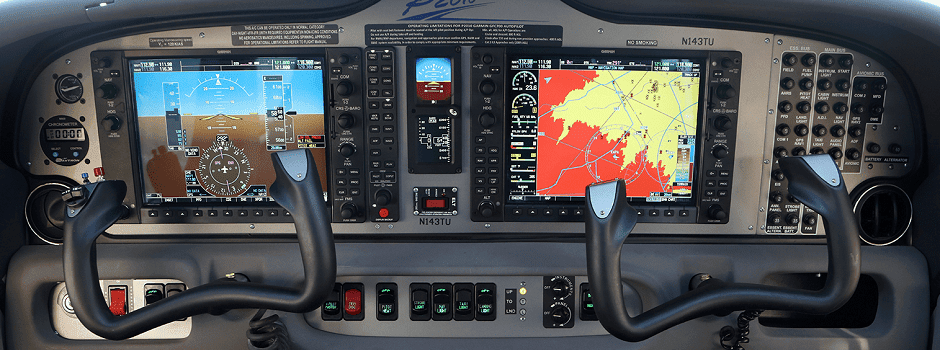
Livermore, CA · KLVK
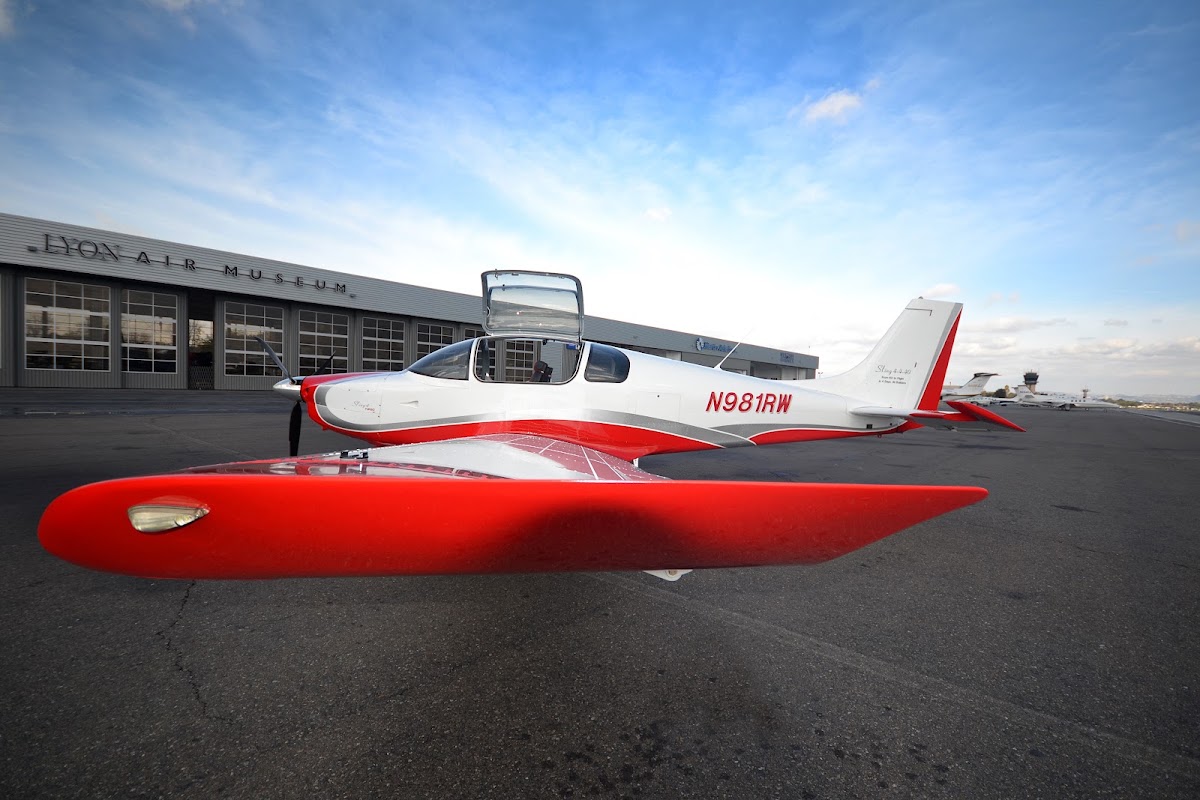
Torrance, CA · KTOA
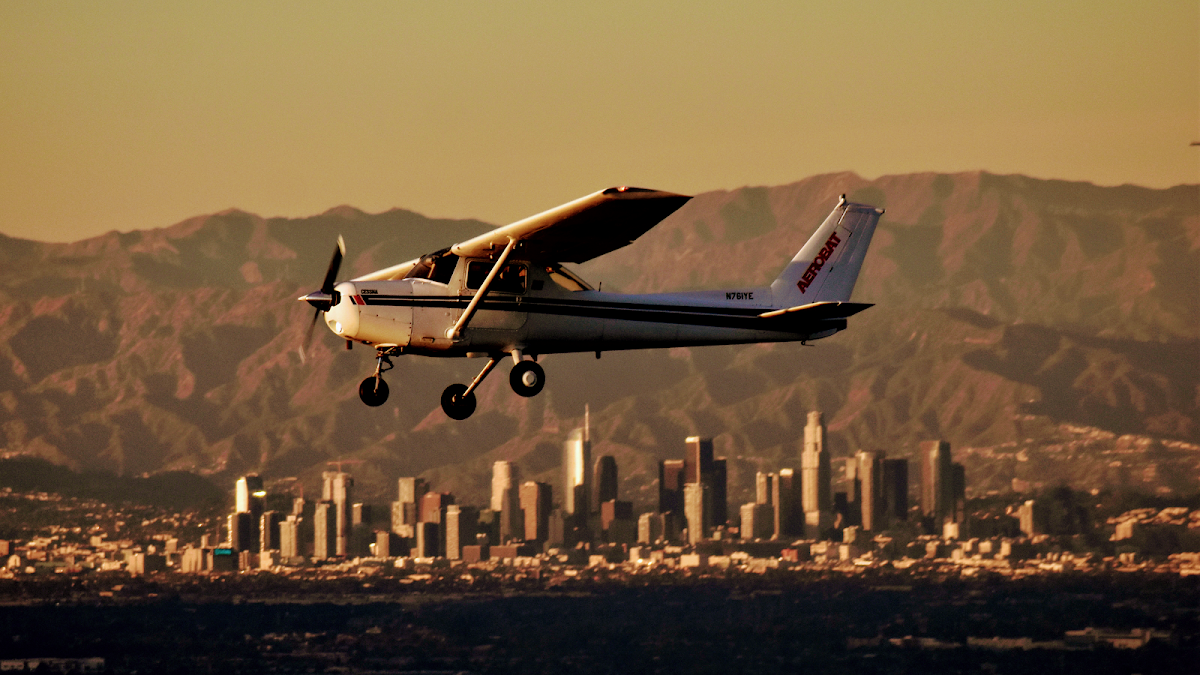
Long Beach, CA · KLGB
Palo Alto, CA · KPAO
Fresno, CA
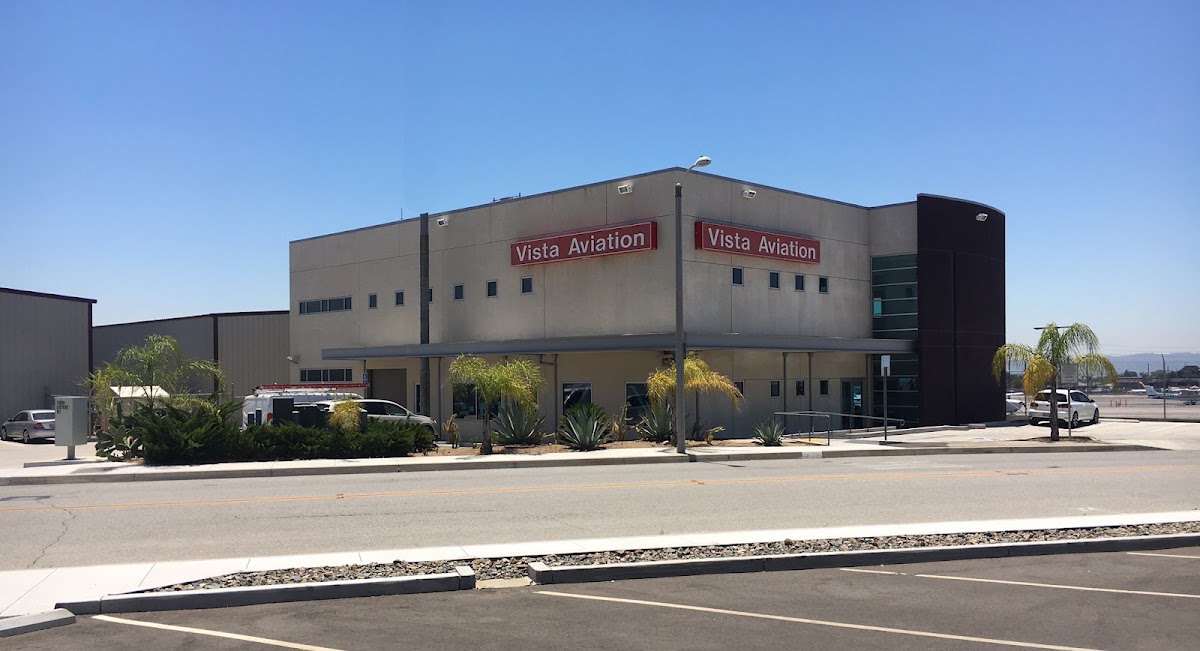
Los Angeles, CA · KWHP
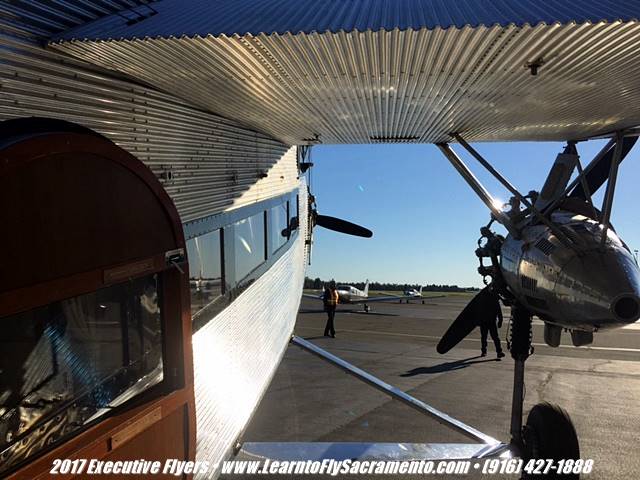
Sacramento, CA · KSAC
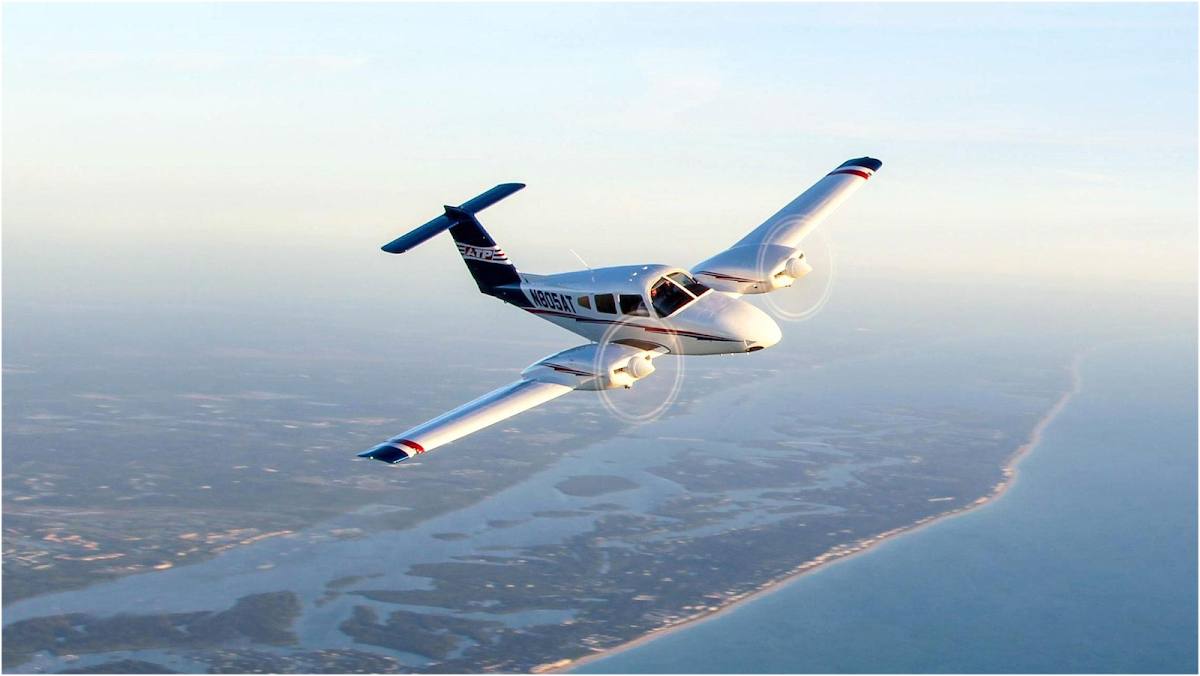
Carlsbad, CA · KCRQ
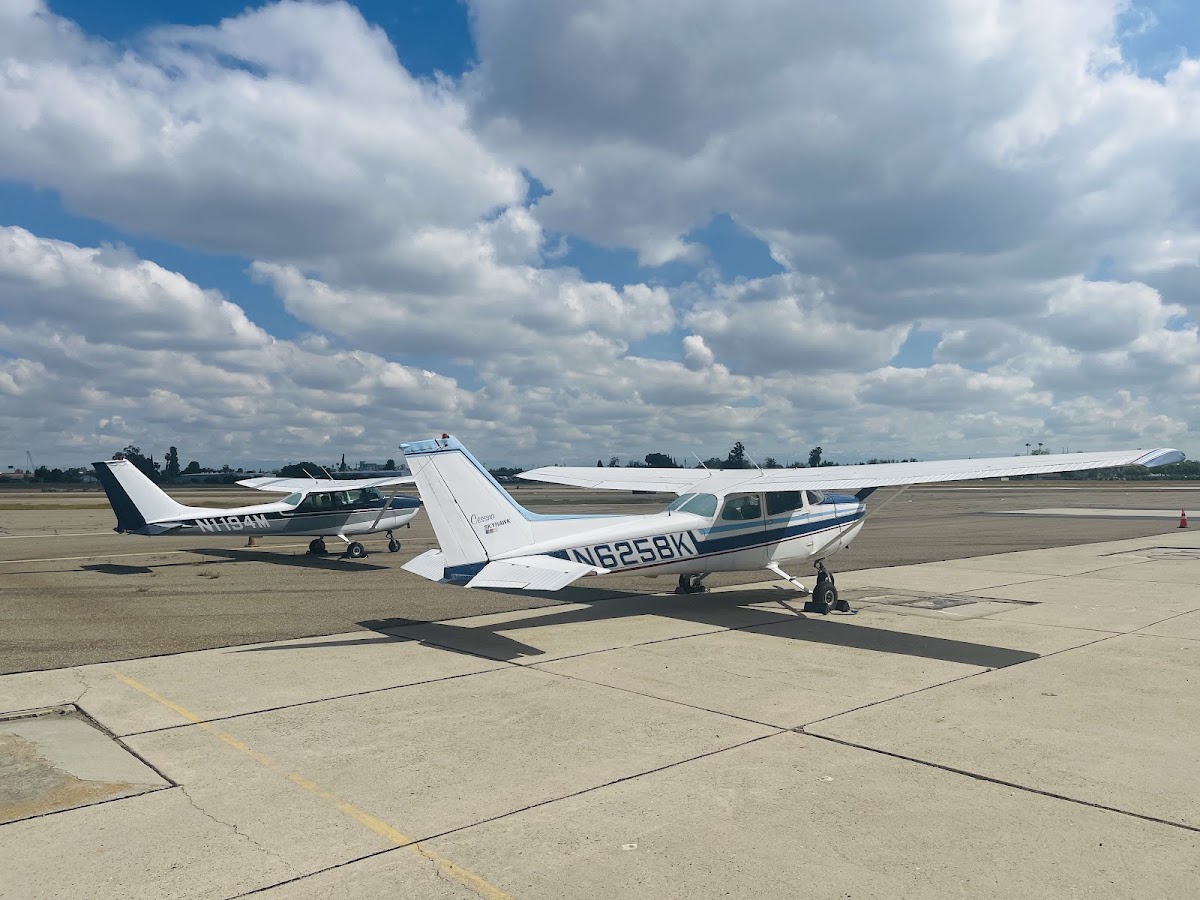
Fresno, CA · KFCH
Inglewood, CA · KLAX
Riverside, CA · KRIR
Los Angeles, CA · KVNY
Santa Rosa, CA · KSTS
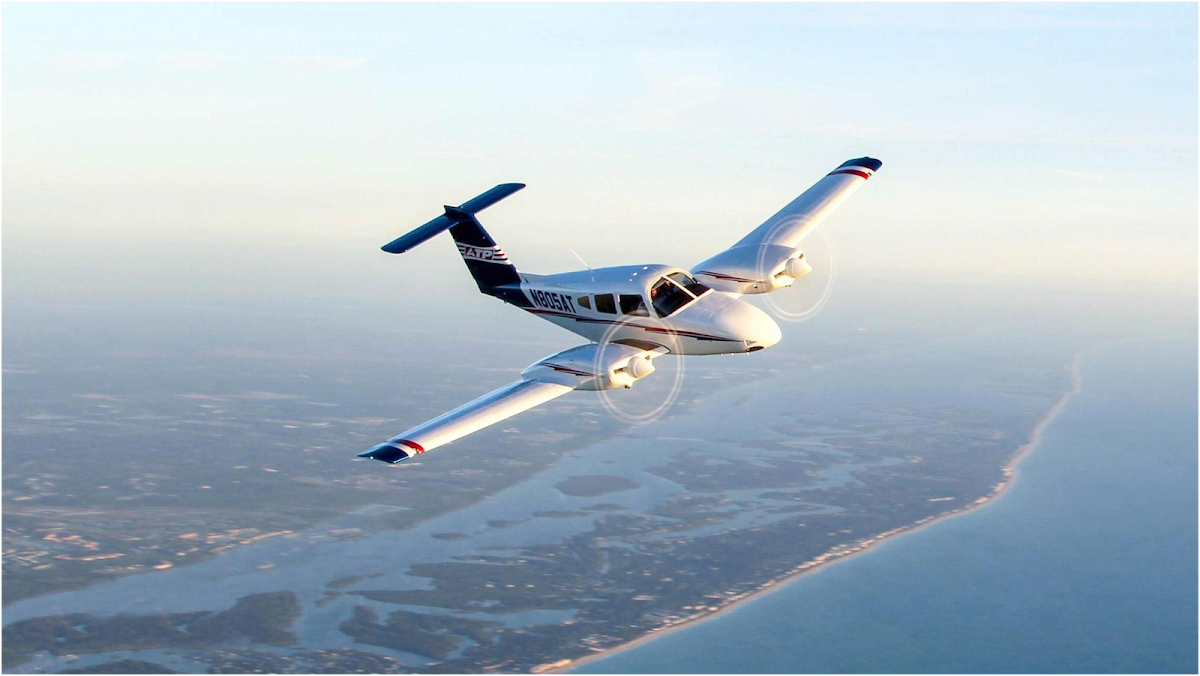
Sacramento, CA · KSAC
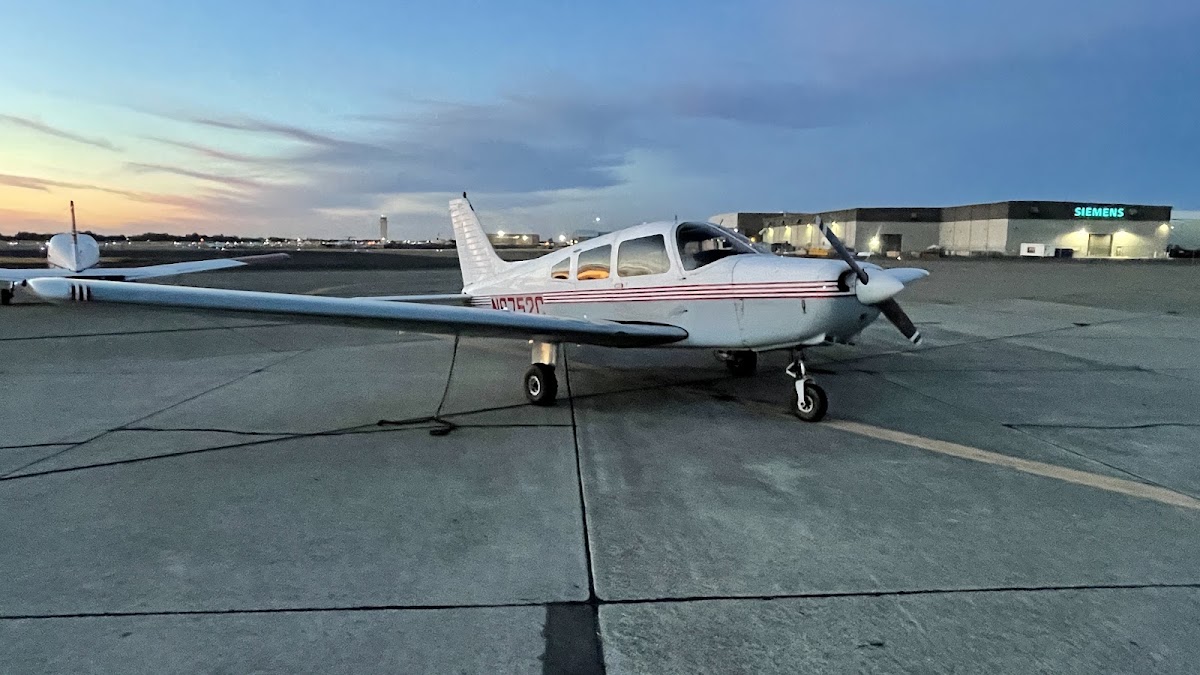
McClellan Park, CA · KMCC
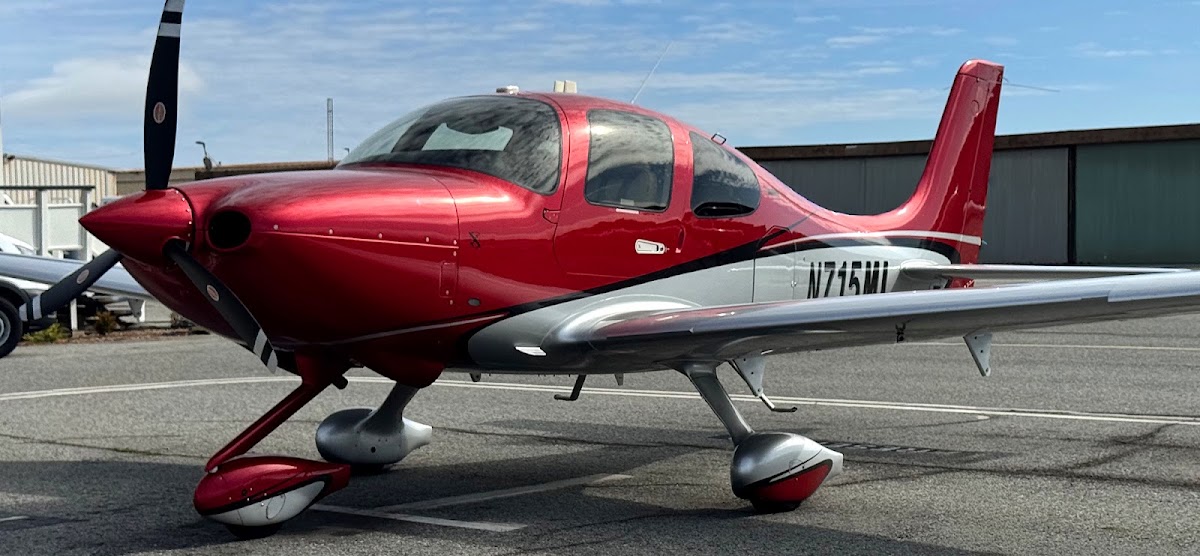
San Carlos, CA · KSQL
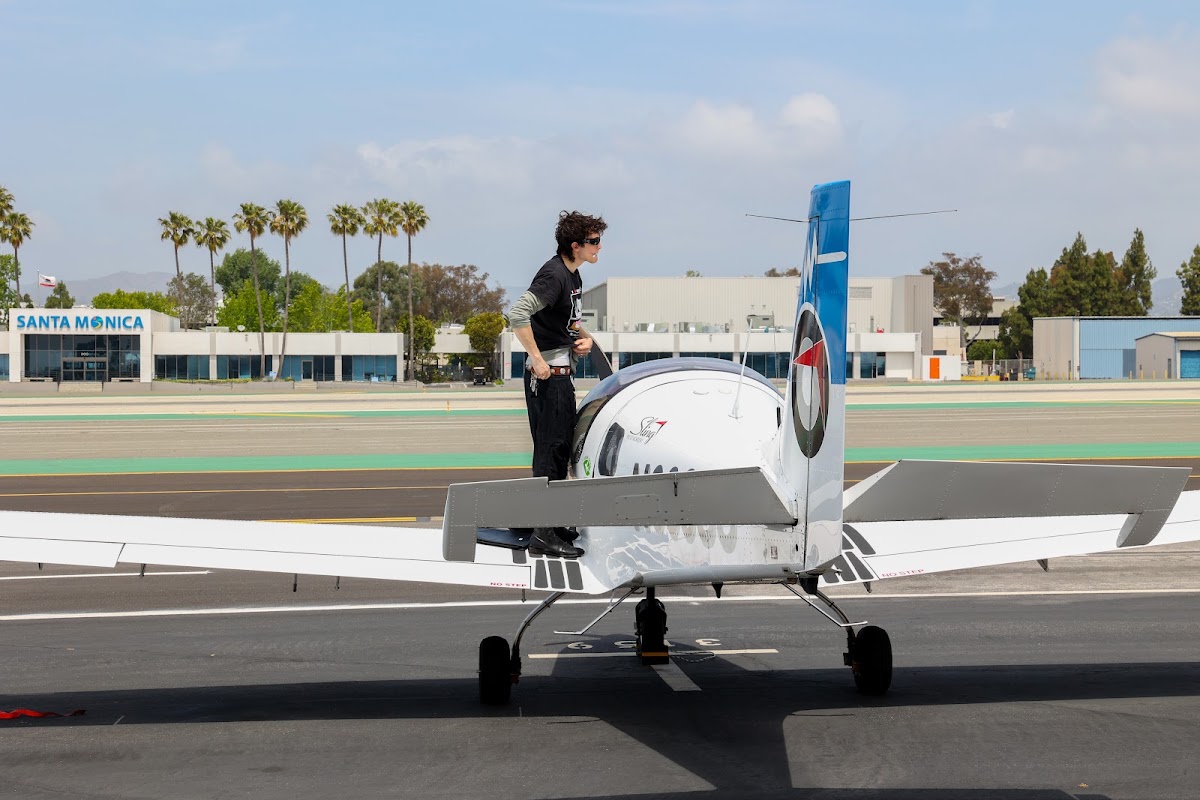
Santa Monica, CA · KSMO
Chino, CA · KCNO
El Cajon, CA · KSEE

Santa Ana, CA · KSNA
Chino, CA · KCNO
Costa Mesa, CA · KSNA
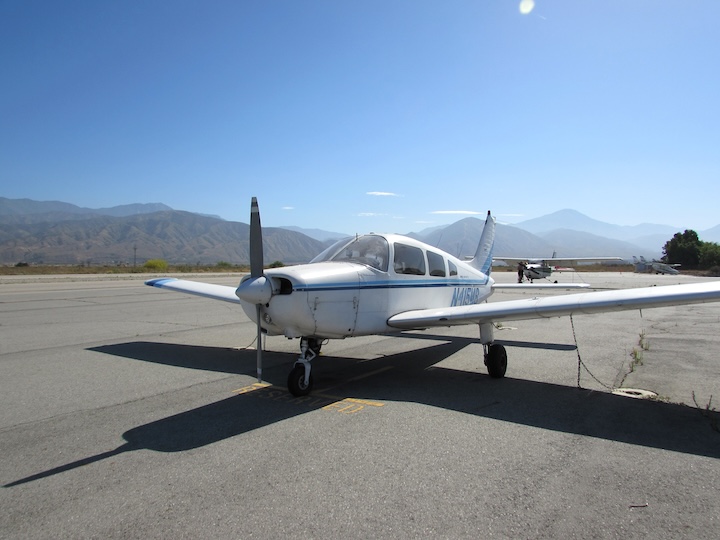
Redlands, CA · KREI
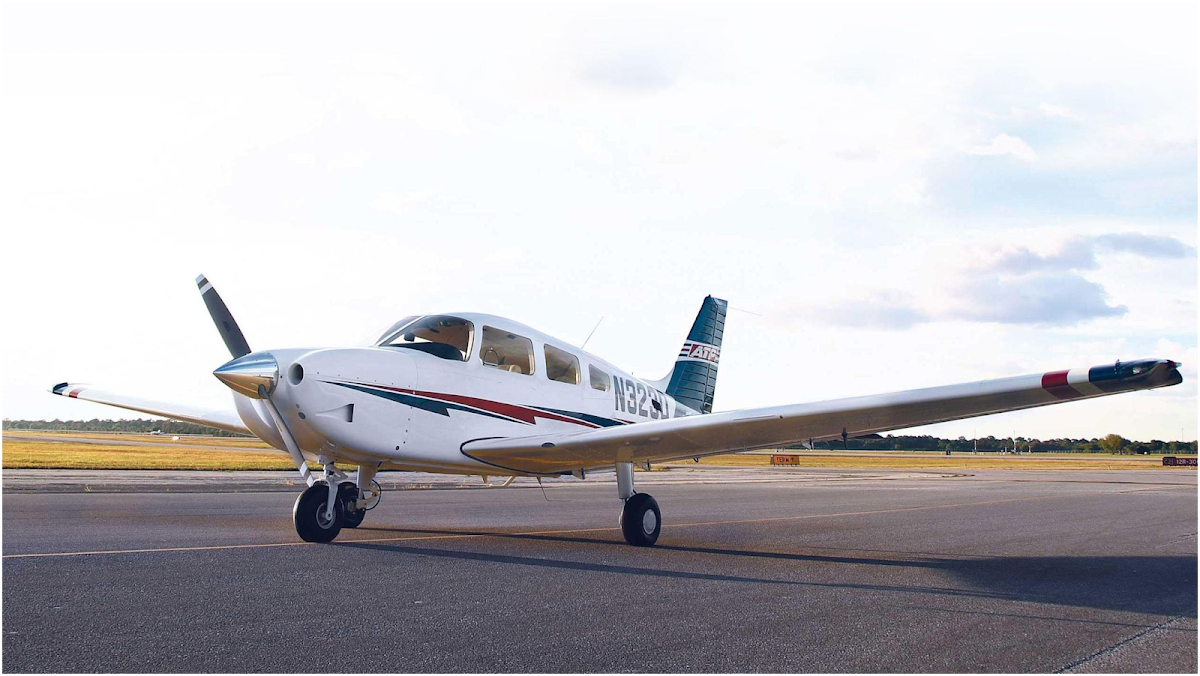
San Diego, CA · KMYF
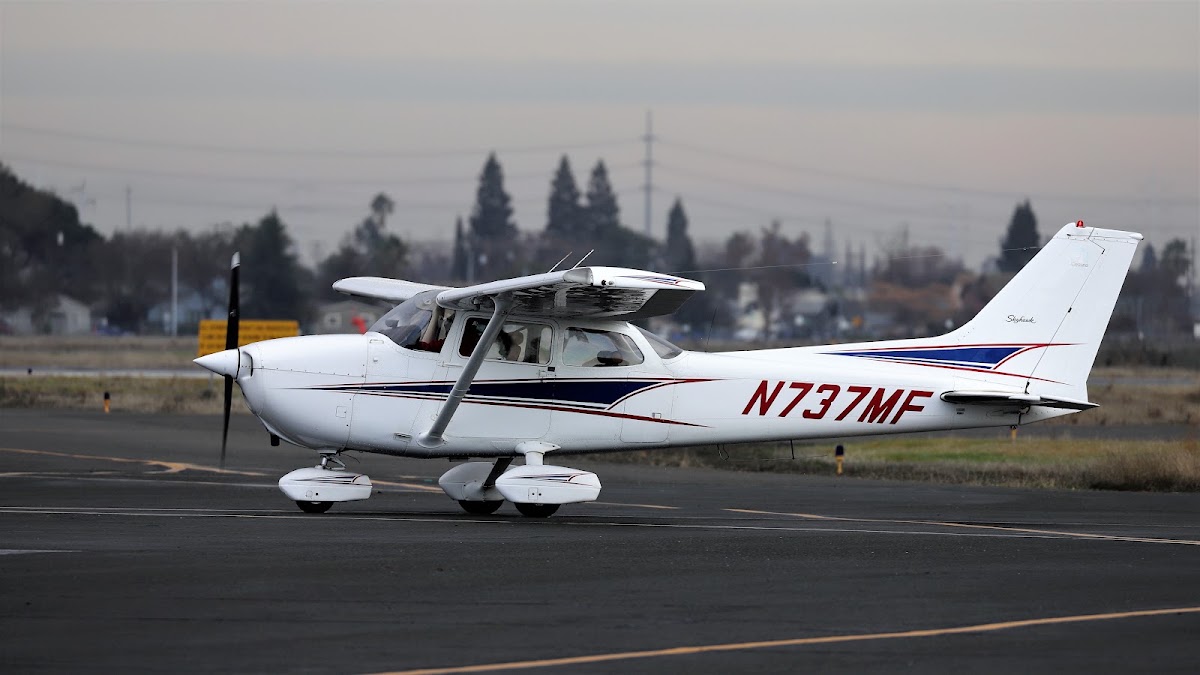
Sacramento, CA · KSAC
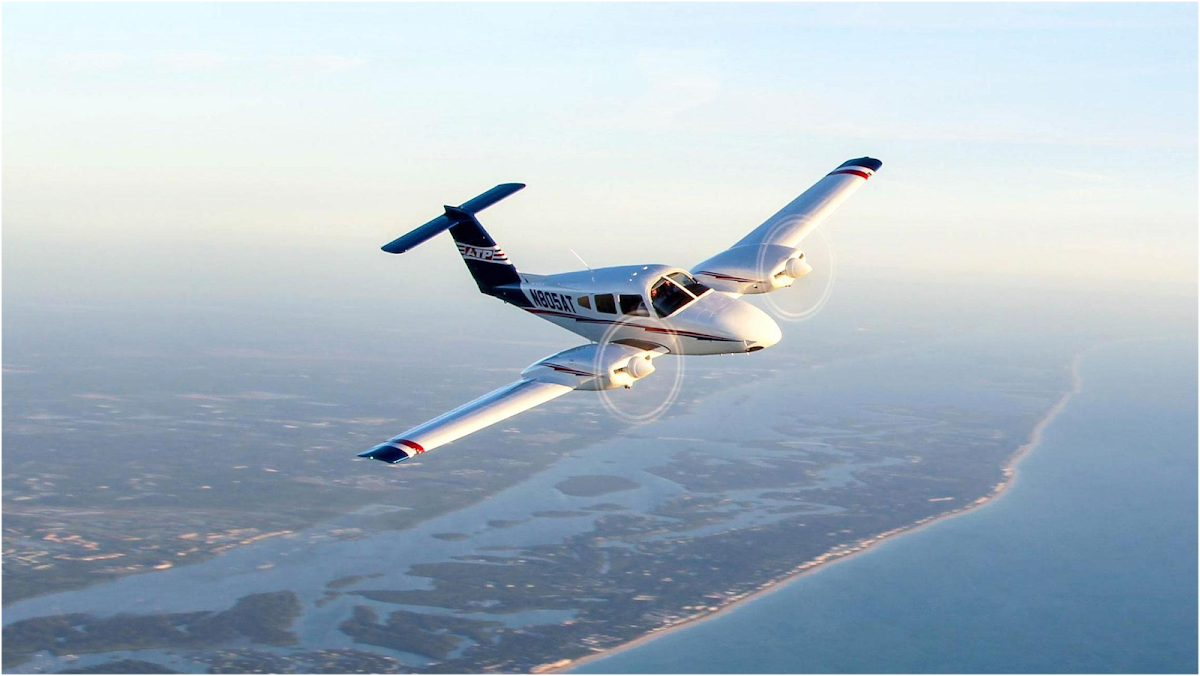
Riverside, CA · KRAL
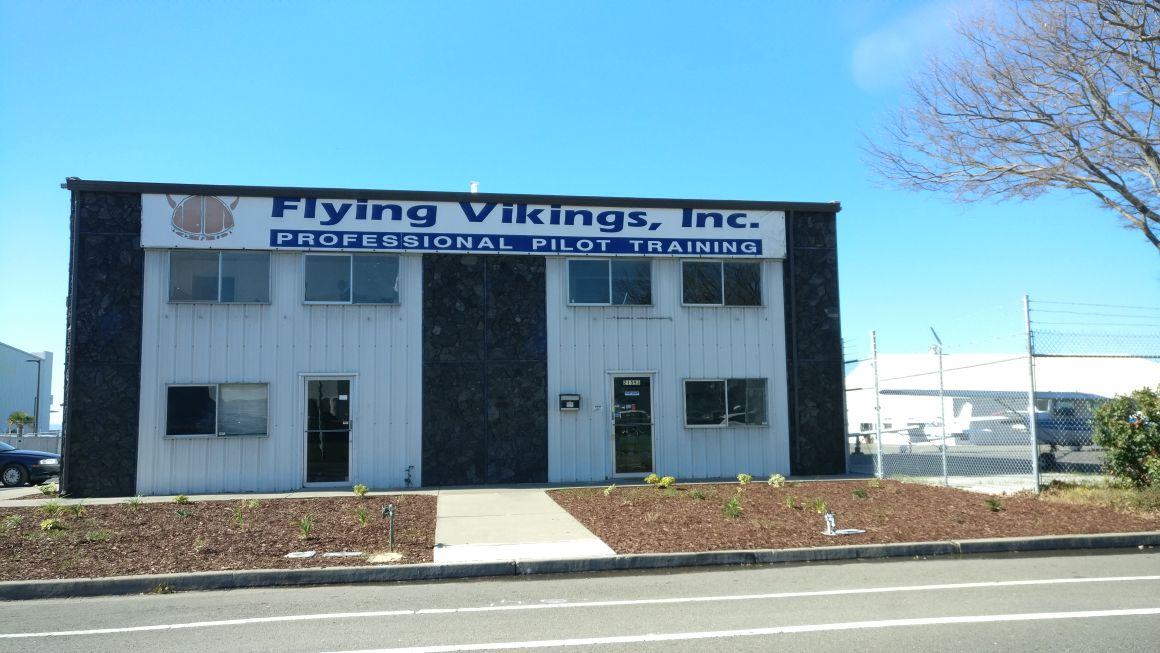
Hayward, CA · KHWD
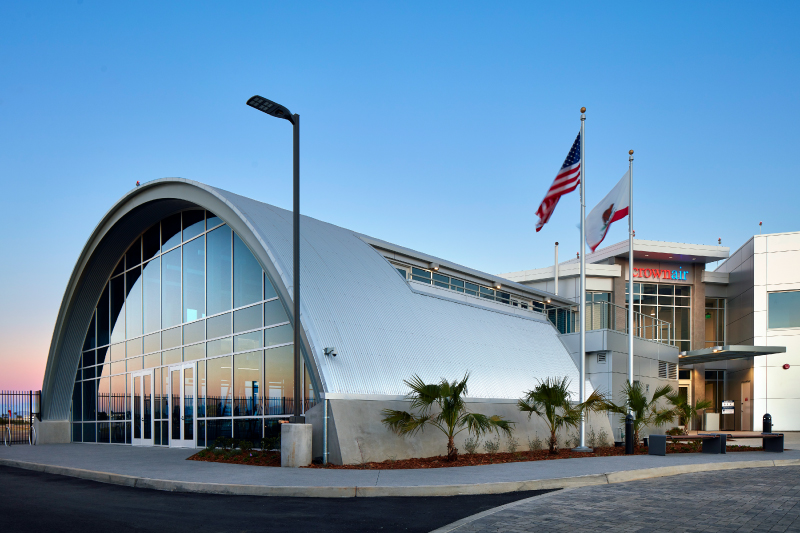
San Diego, CA · KMYF
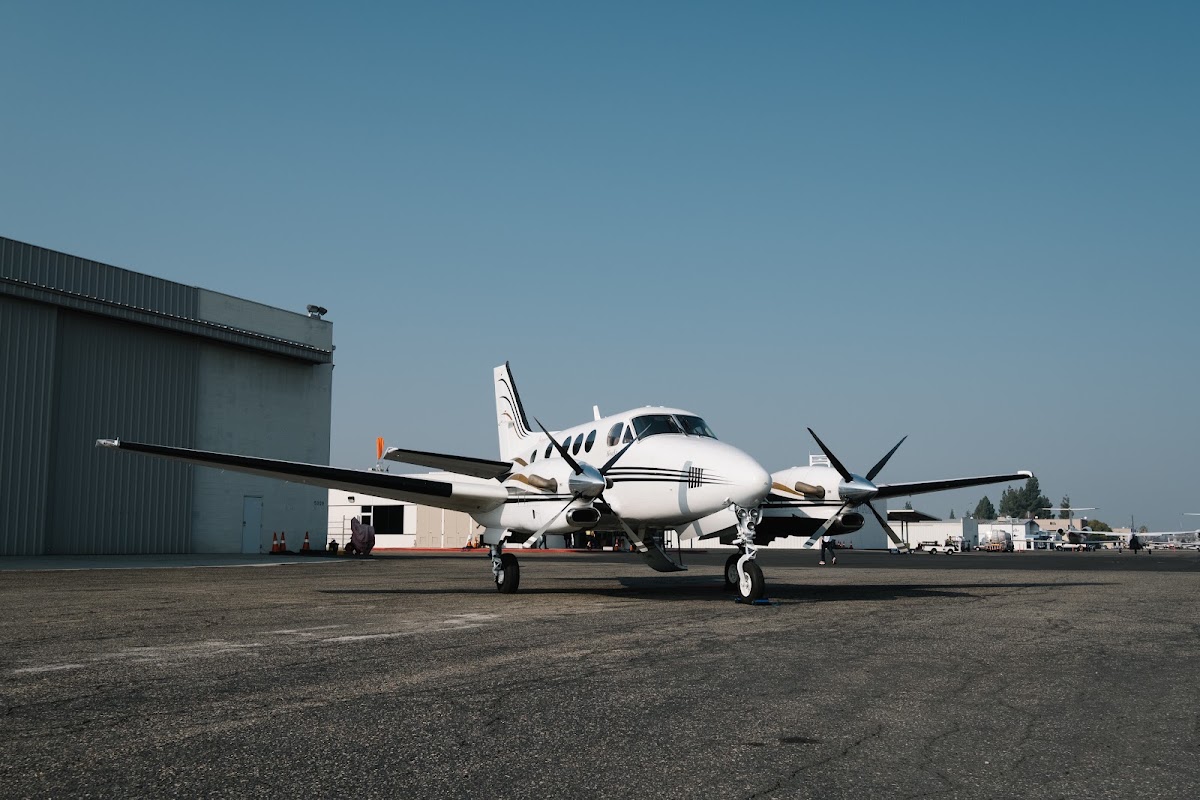
Fresno, CA · KFCH
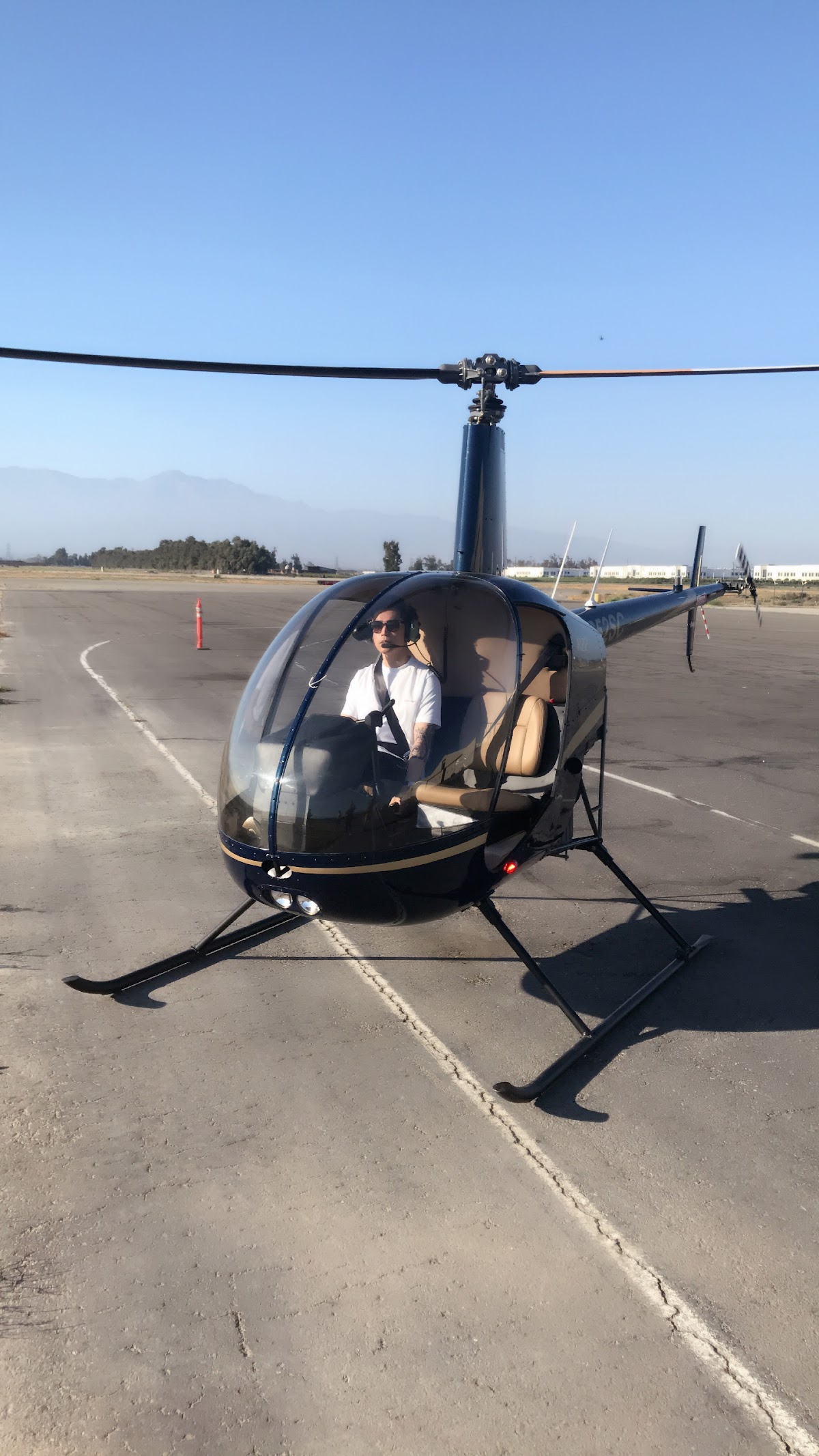
Chino, CA · KCNO
City of Atwater, CA · KMER
Livermore, CA · KLVK
San Diego, CA · KMYF
Long Beach, CA · KLGB
Long Beach, CA · KLGB

El Cajon, CA · KSEE
Concord, CA · KCCR
Riverside, CA · KRAL
Long Beach, CA · KLGB
Concord, CA · KCCR
El Cajon, CA · KSEE
Torrance, CA · KTOA
Torrance, CA · KTOA
Bakersfield, CA · KBFL
Los Angeles, CA · KVNY
Oakland, CA · KOAK
Fresno, CA · E79
Hayward, CA · KHWD
San Jose, CA · KRHV
Hayward, CA · KHWD
Torrance, CA · KTOA
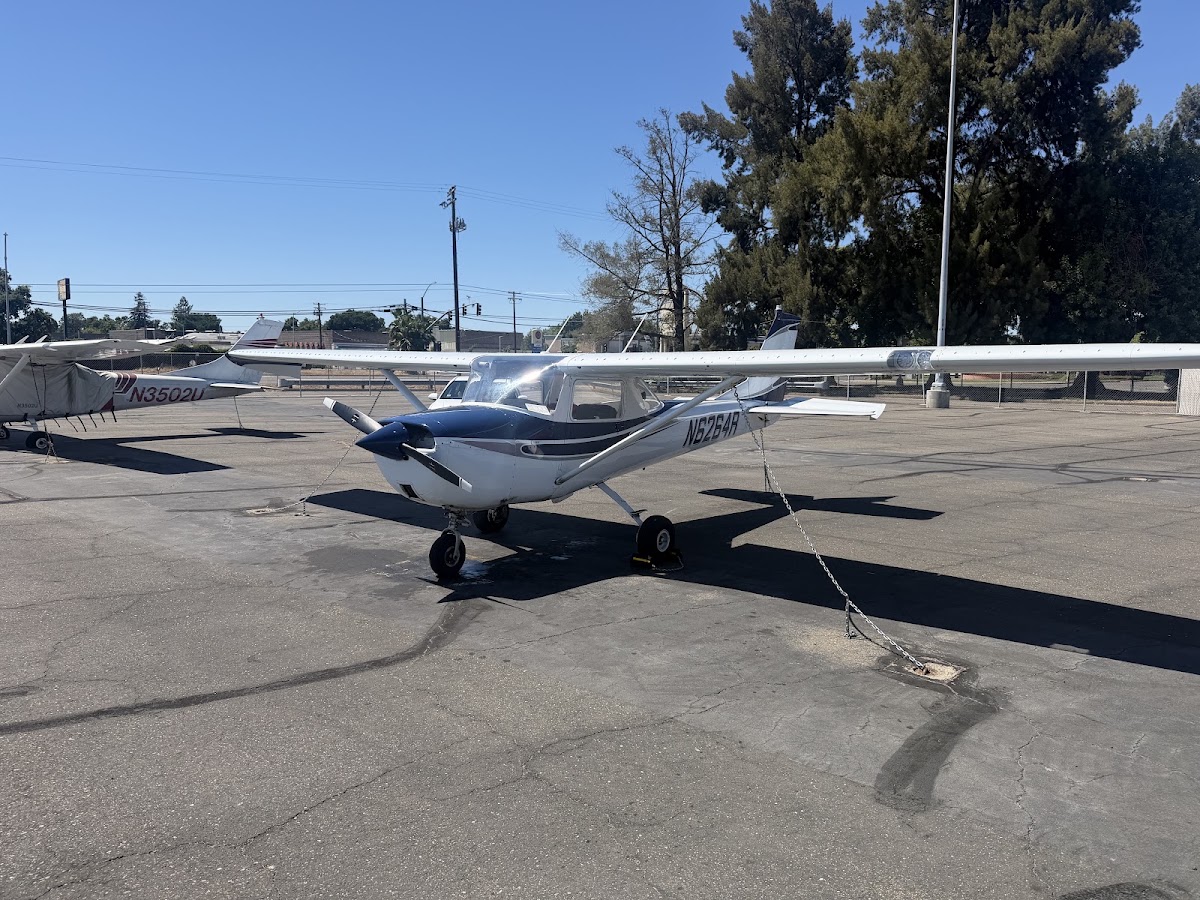
Sacramento, CA · KSAC
Santa Rosa, CA
San Jose, CA · KSJC
Riverside, CA · KRIR
San Jose, CA · KSJC
Palo Alto, CA · KPAO
San Diego, CA · KSAN
Long Beach, CA · KLGB
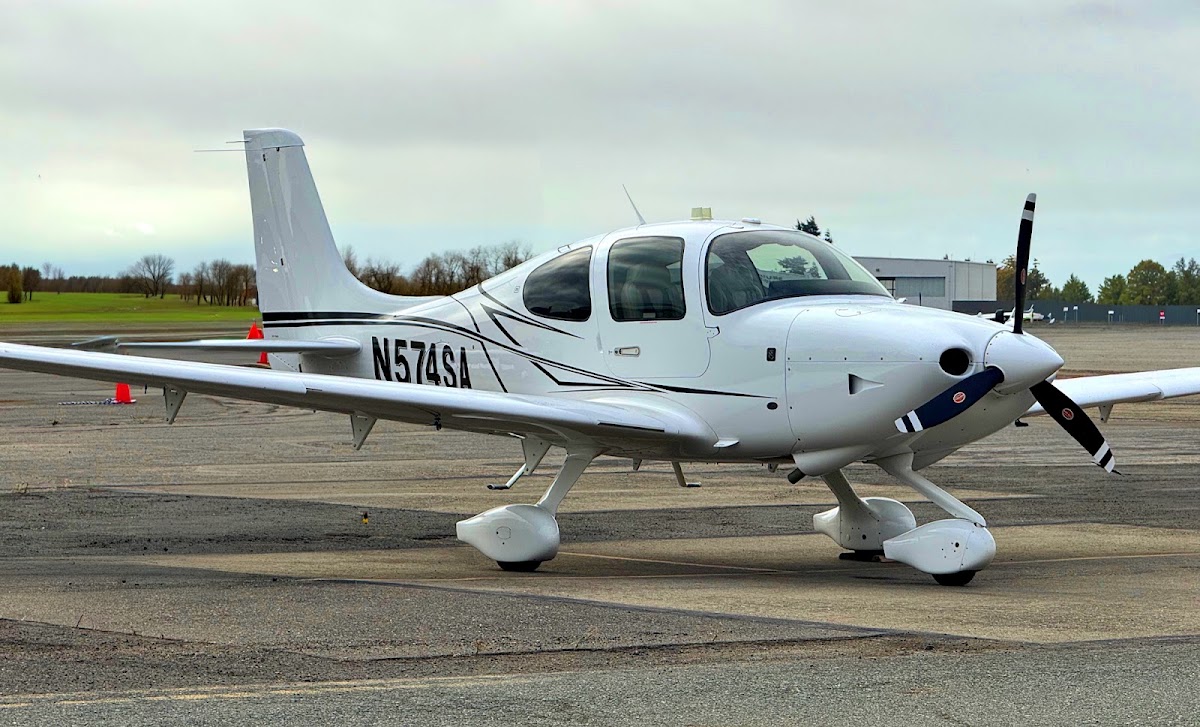
Hayward, CA · KHWD
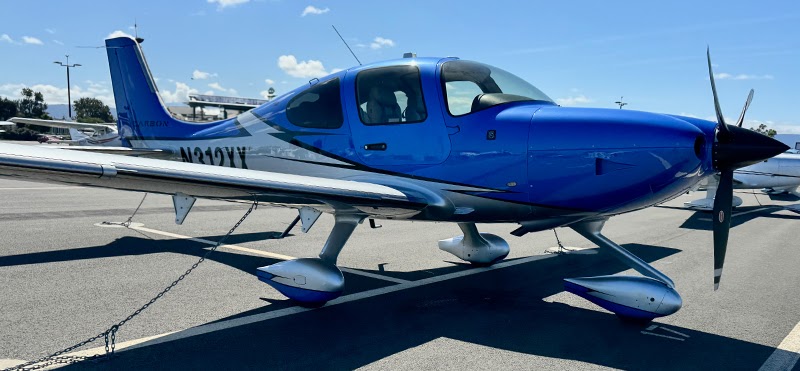
Palo Alto, CA · KPAO
Fresno, CA · KFCH
San Diego, CA · KSAN
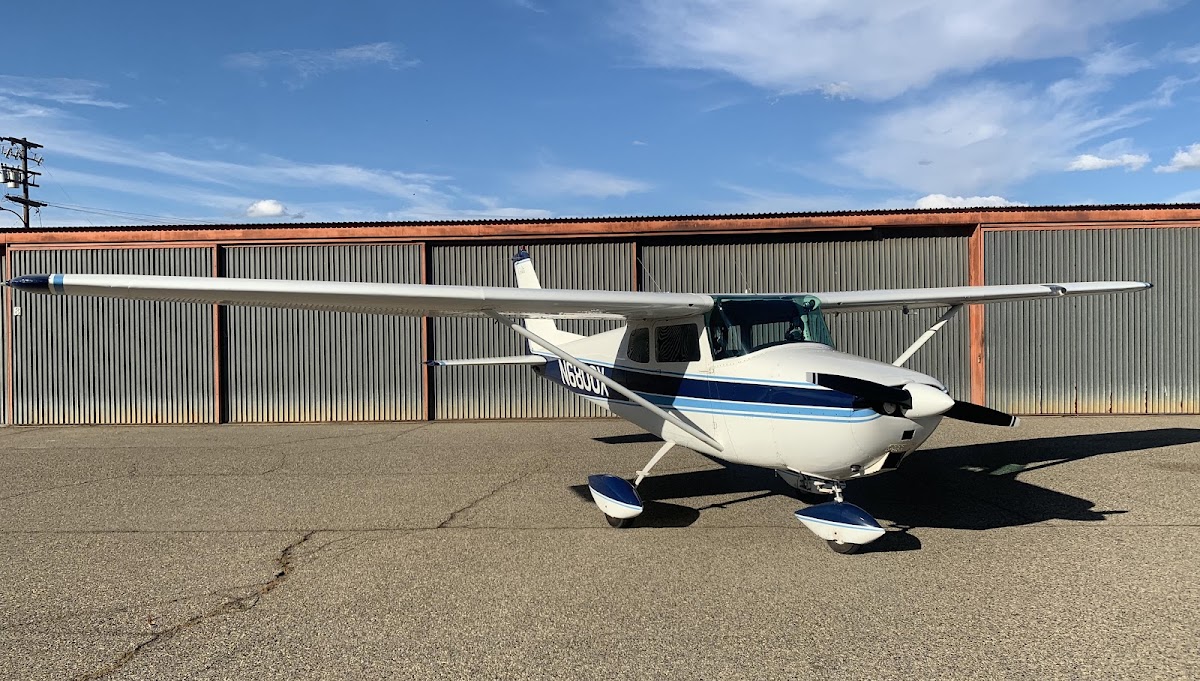
Fresno, CA · KFCH
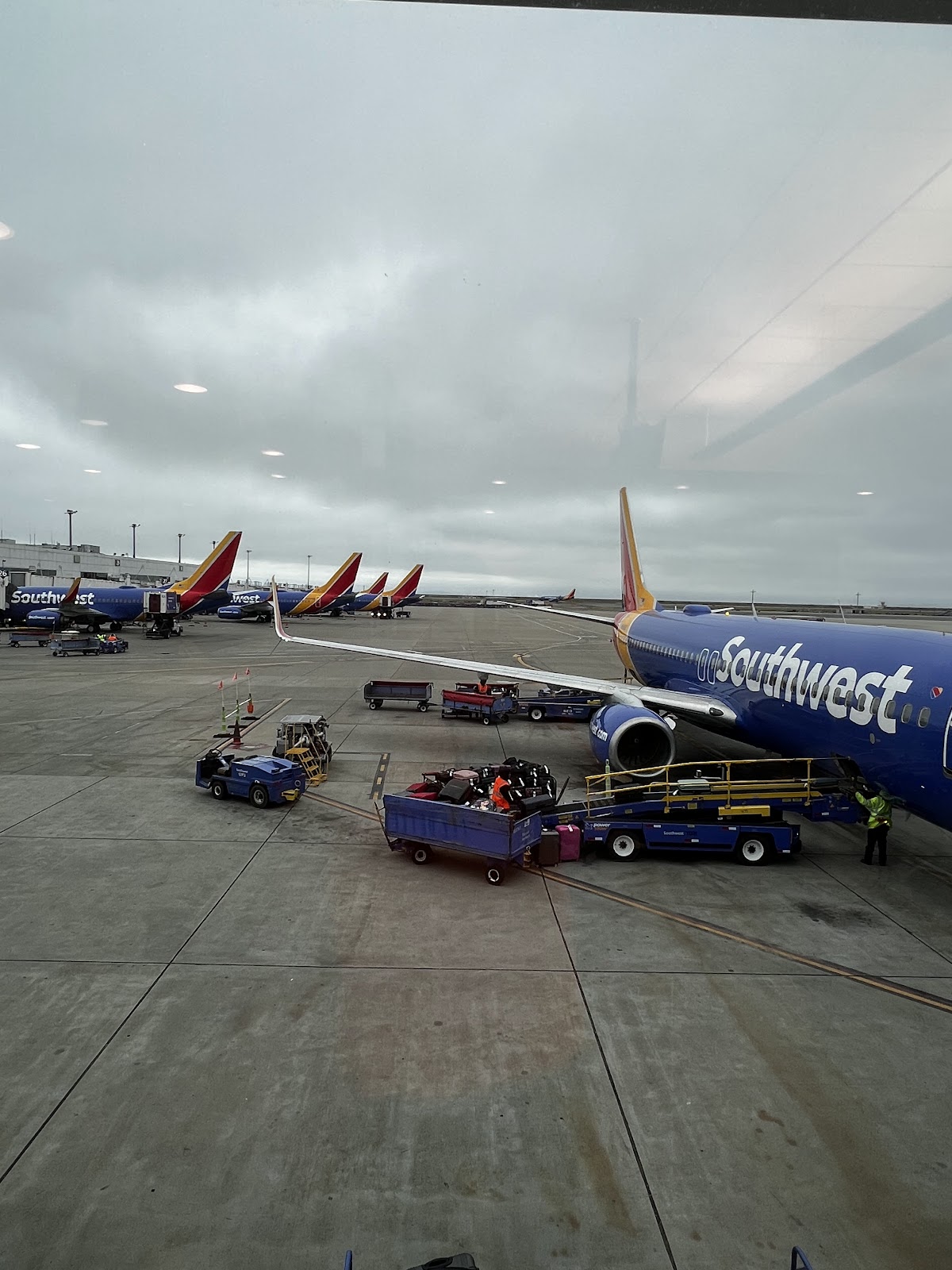
Oakland, CA · KOAK
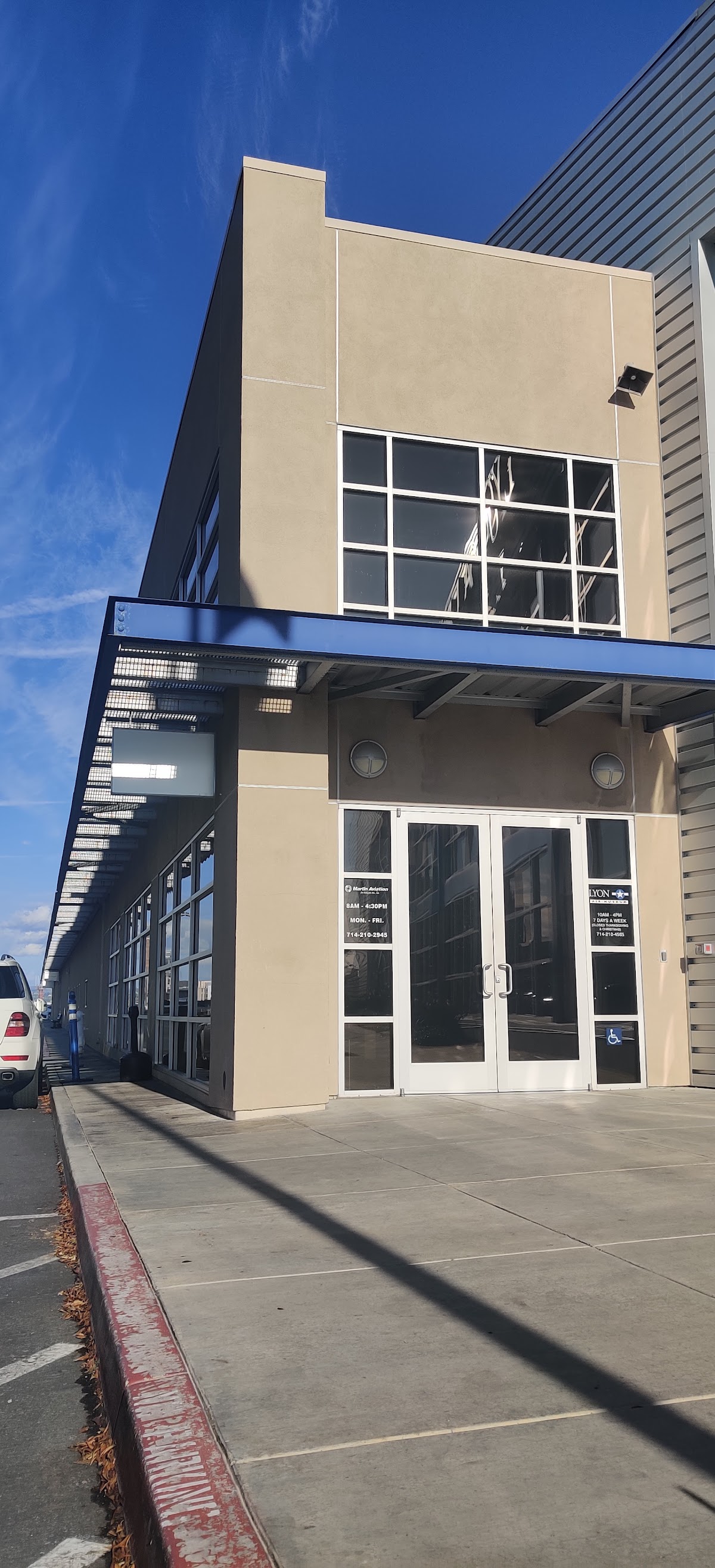
Santa Ana, CA · KSNA
Bakersfield, CA · KBFL
Sacramento, CA · KSAC
Sacramento, CA · KSAC
San Diego, CA · KMYF
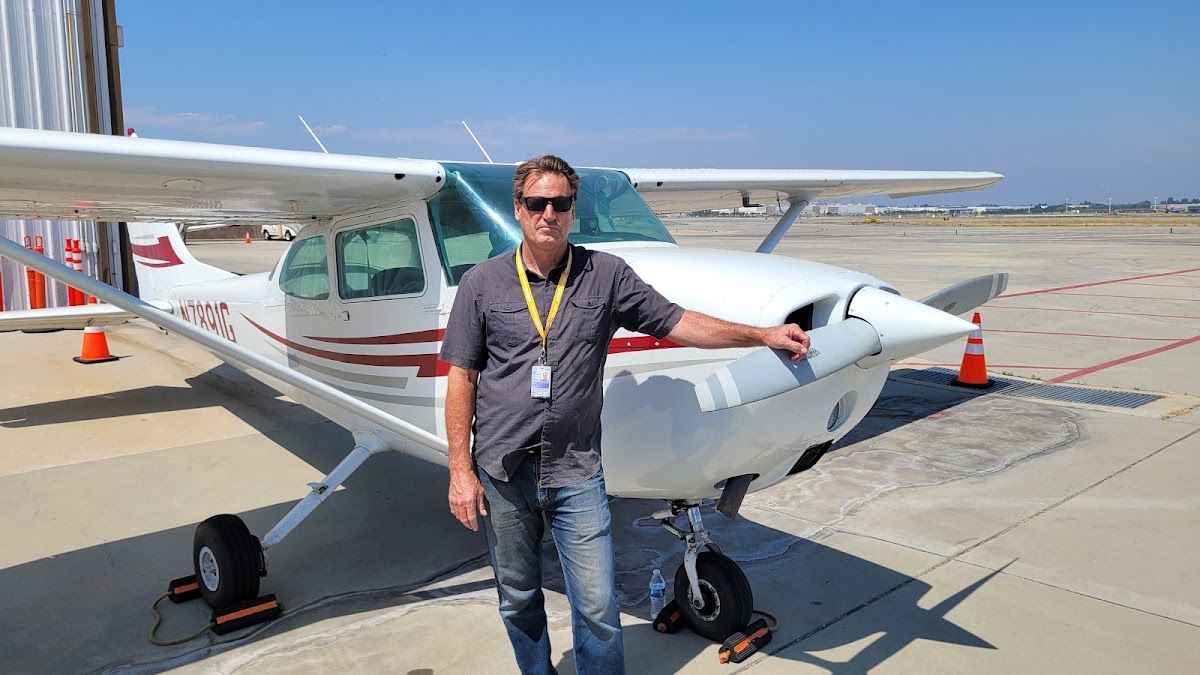
Long Beach, CA · KLGB

Long Beach, CA · KLGB
California is not one training environment. It is at least four, and they sit close enough together that you can fly between them in a morning. The coast runs cool and damp, the Central Valley runs hot and flat, the Sierra Nevada is real mountain country, and the Mojave is high desert. A student in San Diego and a student in Fresno are learning the same maneuvers in genuinely different air.
What they share is a dry summer. From roughly May through October most of the state sees very little rain, which is why California posts some of the highest counts of flyable days anywhere in the country. The catch is the marine layer. Along the coast, late spring and summer mornings often start under a low stratus deck sitting at pattern altitude, which burns off by late morning and returns at dusk. Book an early June lesson at a coastal field and you may spend it waiting.
Browse flight schools across California to see how differently the state divides up.
242 flight schools are listed across 53 cities in California, flying from 60 different airports. Between them they carry 7,625 reviews from students on Google, averaging 4.57 out of five. 71 schools hold a rating of 4.8 or better across at least ten reviews, which is the bar worth using when a five-star average rests on two people.
Fields with more than one school on them are worth knowing about: you can visit two or three in an afternoon and compare them properly instead of driving across the state twice.
Los Angeles 28 San Diego 23 Long Beach 20 Fresno 14 Hayward 13
Not every school teaches everything. These are the California schools that list training past the basic airplane certificate, which is where the state's geography tends to show: seaplane work follows the water, and mountain and tailwheel training follow the terrain.
Instrument Rating (IFR) 48 Airline Transport Pilot (ATP) 7 Helicopter 4
Ranked on Google rating, counting only schools with fifteen reviews or more. We take no payment for position; this is arithmetic on public review data, not an endorsement.
Coastal fields from San Diego to the Bay Area spend much of late spring and early summer under morning stratus. Locals call it May Gray and June Gloom, and it is the most common reason a coastal lesson slides. There is a real upside. That layer is genuine instrument weather, close to the field, usually benign and reasonably predictable, which makes California one of the better places in the country to fly an instrument rating in actual conditions instead of under a hood. If you intend to keep going past the private certificate, look at schools teaching the instrument rating in California before you settle on a home field.
The Central Valley is a different animal. Summer afternoons run hot enough that density altitude starts eating climb performance even at low field elevations, so valley training in July follows the same early-morning rhythm as the desert states. Winter brings tule fog, a dense radiation fog that forms over the valley floor on calm nights after rain and can hold visibility down for days at a stretch, most often between November and February. It is not a passing inconvenience. It is why a valley student can lose most of a January, and why instructors there push hard for consistency the rest of the year.
The Los Angeles basin is one of the busiest general aviation environments in the world. Class B airspace sits over Los Angeles, San Francisco and San Diego, the ground between them is layered with Class C and Class D fields, and the military holds enormous blocks of the interior around Edwards, China Lake and Fort Irwin. Southern California students tend to learn the LAX Special Flight Rules Area early, because it is the practical way across the basin. All of this is demanding for a beginner. It is also worth every hour: a pilot who is relaxed talking to SoCal Approach is relaxed almost anywhere.
The Sierra Nevada gives California something most states cannot offer, which is serious high terrain a short flight from populated training fields. Summer density altitude at mountain airports climbs thousands of feet above the field elevation, and wind over a ridge can produce a downdraft a trainer will not outclimb. That is not an argument for avoiding the mountains. It is an argument for getting taught by somebody who flies them weekly. California schools offering mountain flying instruction exist for this reason. Treat a mountain checkout as a course of training, not as an add-on to a rental checkout.
It usually runs above the national middle, and the drivers matter more than any figure. Rental rates reflect local hangar and tiedown costs, which are steep near the coast. Fuel prices swing sharply between fields, sometimes inside one metro area. Busy towered airports add taxi and hold time to every Hobbs hour you buy. Get quotes from two or three schools, include at least one inland field, and price the same syllabus at each.
Inland fields give you more flyable mornings and simpler airspace, so early training often moves faster there. Coastal fields give you harder airspace, real instrument conditions and busier frequencies, which is more work up front and useful afterwards. Neither is wrong. If you are starting at zero and want steady progress, a quieter valley or inland field is the easier build, and you can always go fly the complicated airspace with an instructor once the basics are solid.
In most of the state, yes. Southern California and the desert fly through winter with little interruption, and the wet season, roughly November through March, arrives in bands rather than as continuous weather. The exceptions are specific and worth asking about: tule fog in the Central Valley, mountain fields that become unusable under snow, and the coastal marine layer in late spring. Ask a local school which weeks it actually loses.
Not for the private pilot certificate, and there is no FAA mountain endorsement to collect. The requirement, where it exists, comes from your insurer or from the school renting you the aircraft, and it rests on demonstrated experience rather than paperwork. If your flying will cross the Sierra, the Tehachapis or the coastal ranges in summer, get the training. Density altitude, mountain wave and terrain-driven wind are things to learn from an instructor in the airplane, not from a web page.
Text size
Contrast and legibility
Motion
These are display preferences saved to this browser. They do not replace your operating system or browser accessibility settings, which this site also respects. If something here does not work with your assistive technology, our accessibility statement lists the known gaps and how to report a new one.