
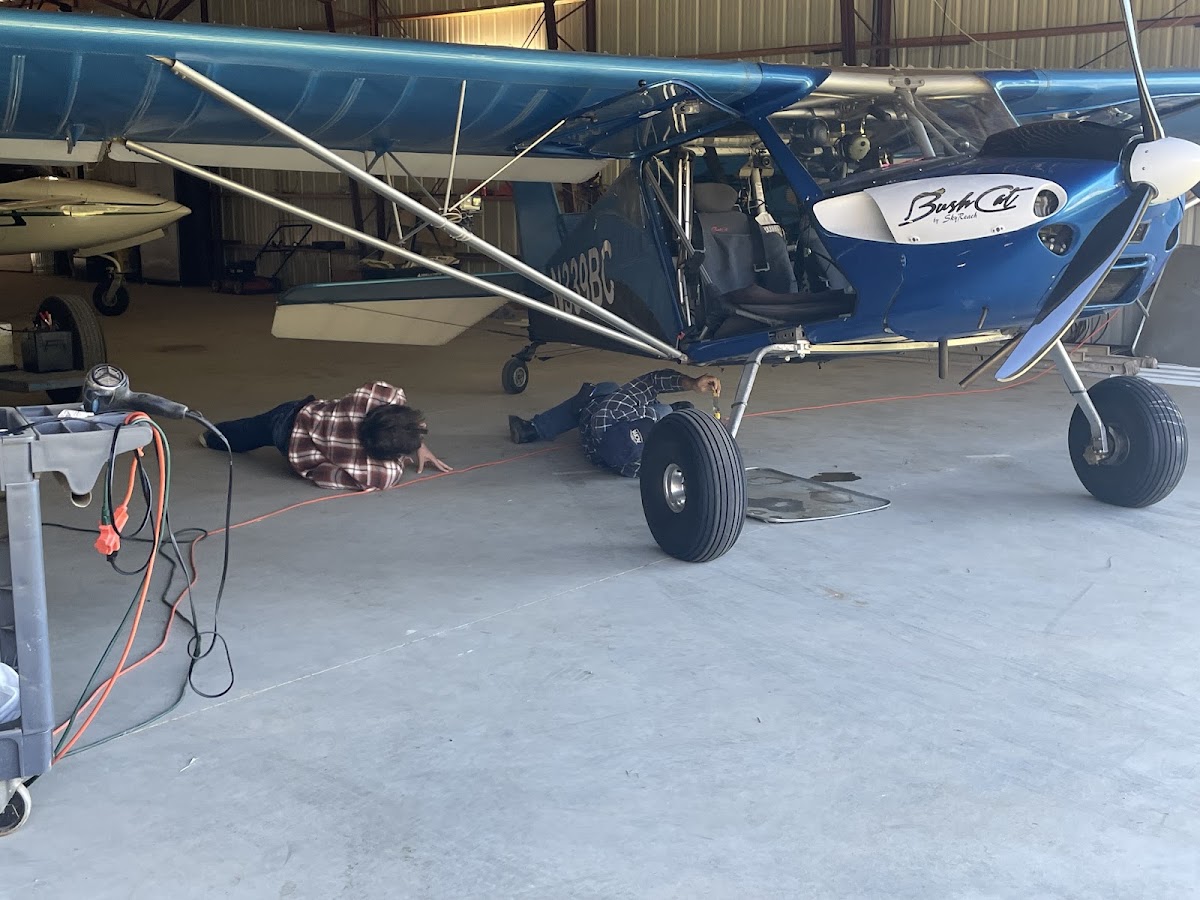
Jasper, GA · KJZP

Flight schools by state
78 schools across 32 cities, with ratings and reviews from Google.
Airplane College & university Simulator center
Jasper, GA · KJZP
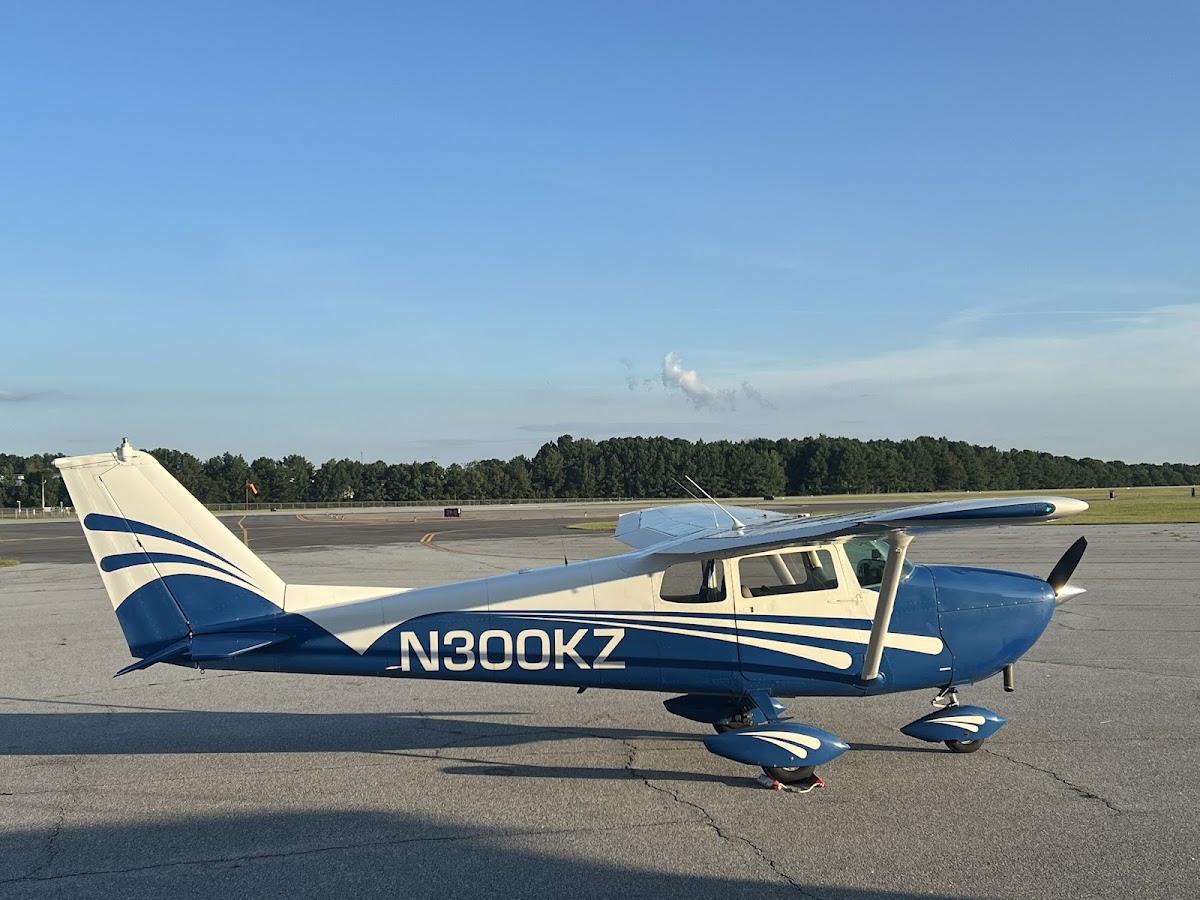
Dallas, GA · KPUJ
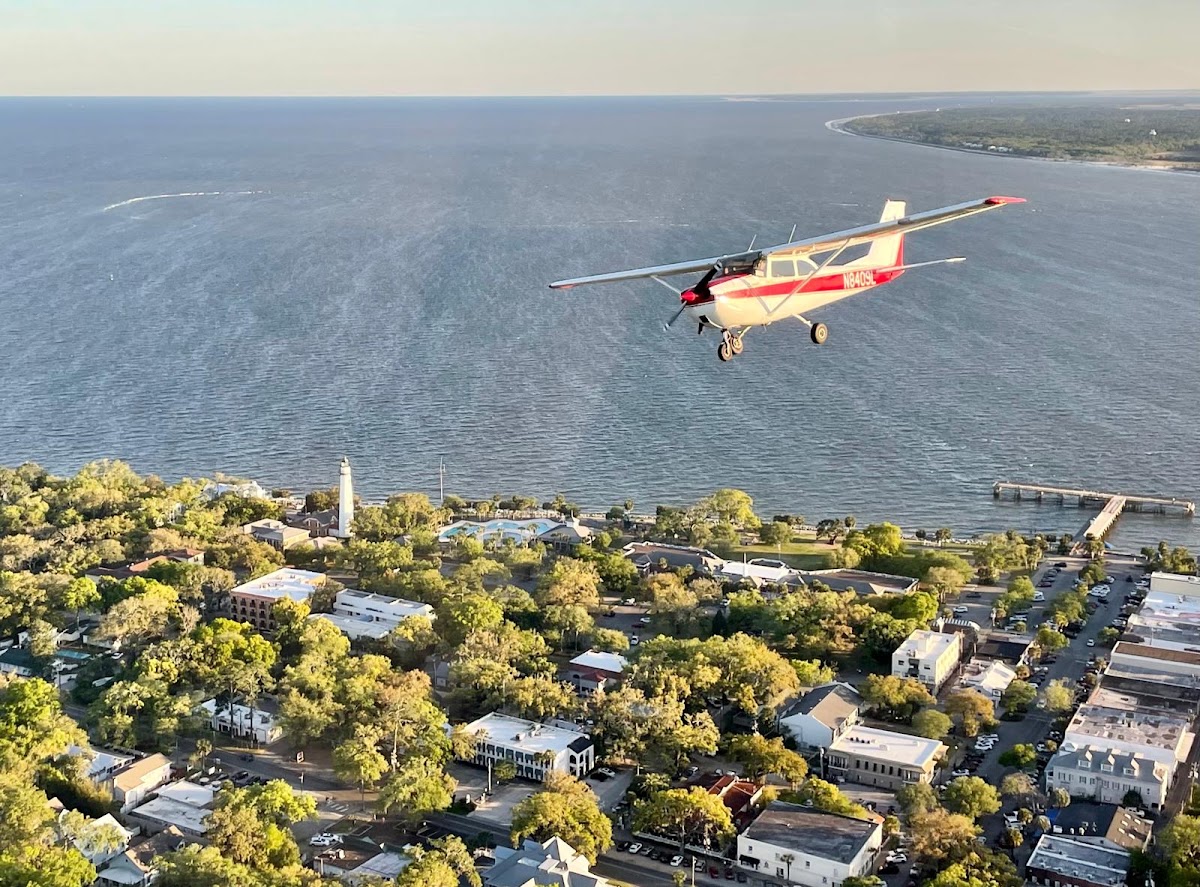
St. Simons Island, GA · KSSI
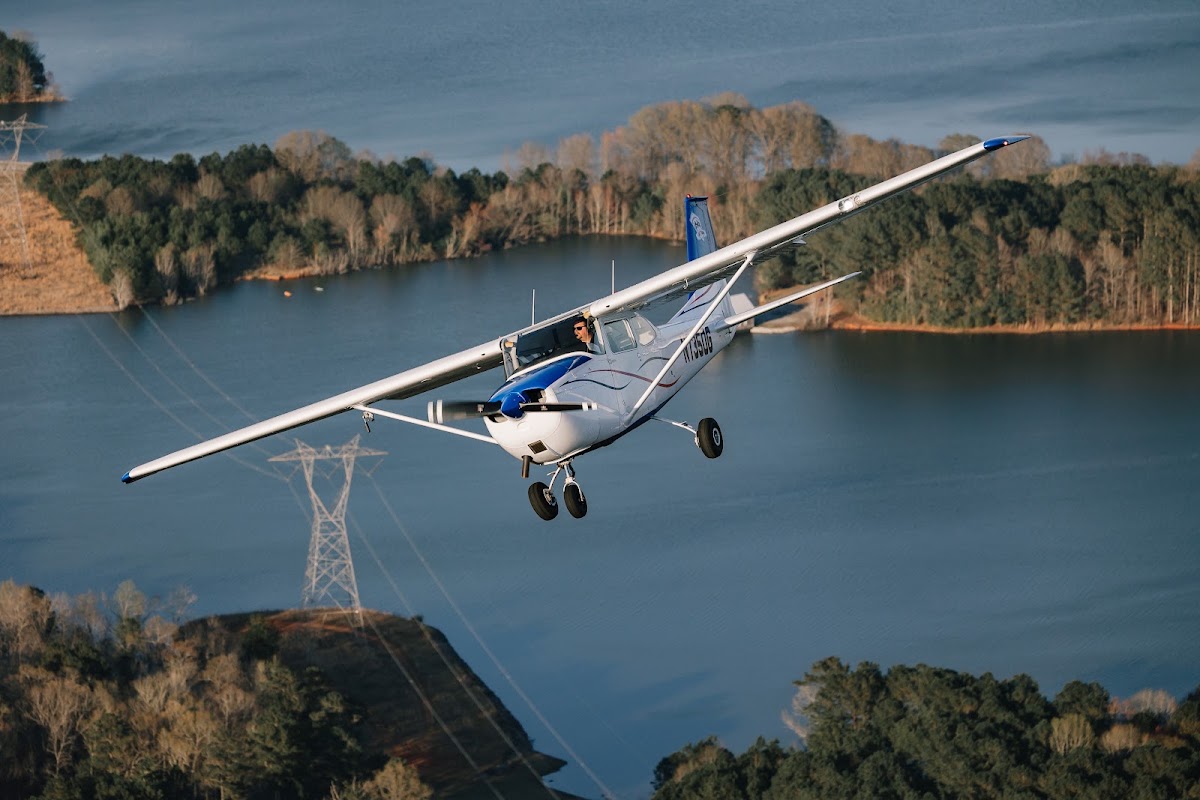
Hampton, GA · K4A7
Atlanta, GA · KPDK
Valdosta, GA · KVLD
Perry, GA · KPXE
Peachtree City, GA · KFFC
Savannah, GA · KSAV
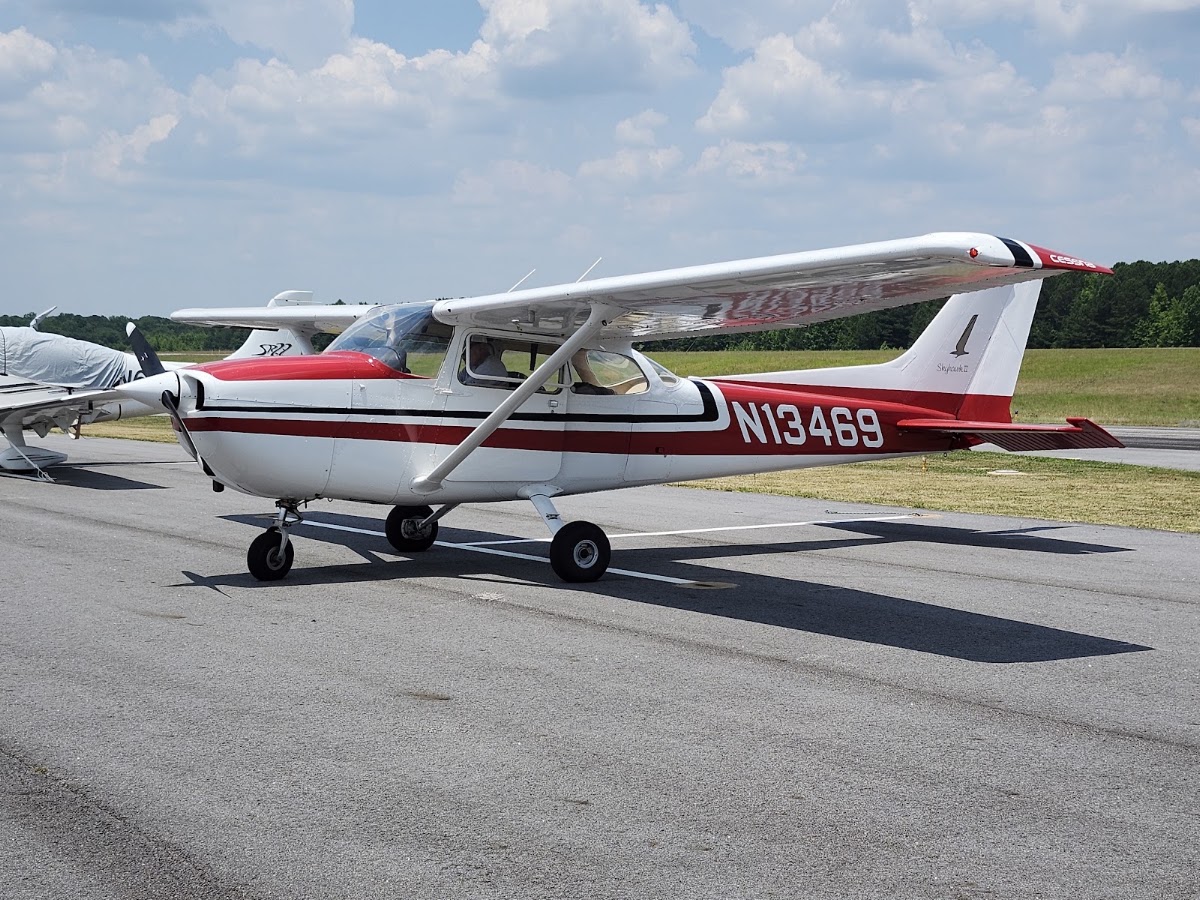
Griffin, GA · GA62
Dallas, GA · KPUJ
Jefferson, GA · K19A
Peachtree City, GA · KFFC
Lawrenceville, GA · KLZU
Augusta, GA · KAGS

Hampton, GA · K4A7

Dalton, GA · KDNN

Atlanta, GA · KPDK
Lawrenceville, GA · KLZU
Dallas, GA · KPUJ
Kennesaw, GA · KRYY
Monroe, GA · KD73
Hampton, GA · K4A7
Peachtree City, GA · KFFC
Newnan, GA · KCCO
Kennesaw, GA · KRYY
Perry, GA · KPXE
Statesboro, GA · KTBR
Atlanta, GA · KPDK
Calhoun, GA · KCZL
Milledgeville, GA · KMLJ

Savannah, GA · KSVN
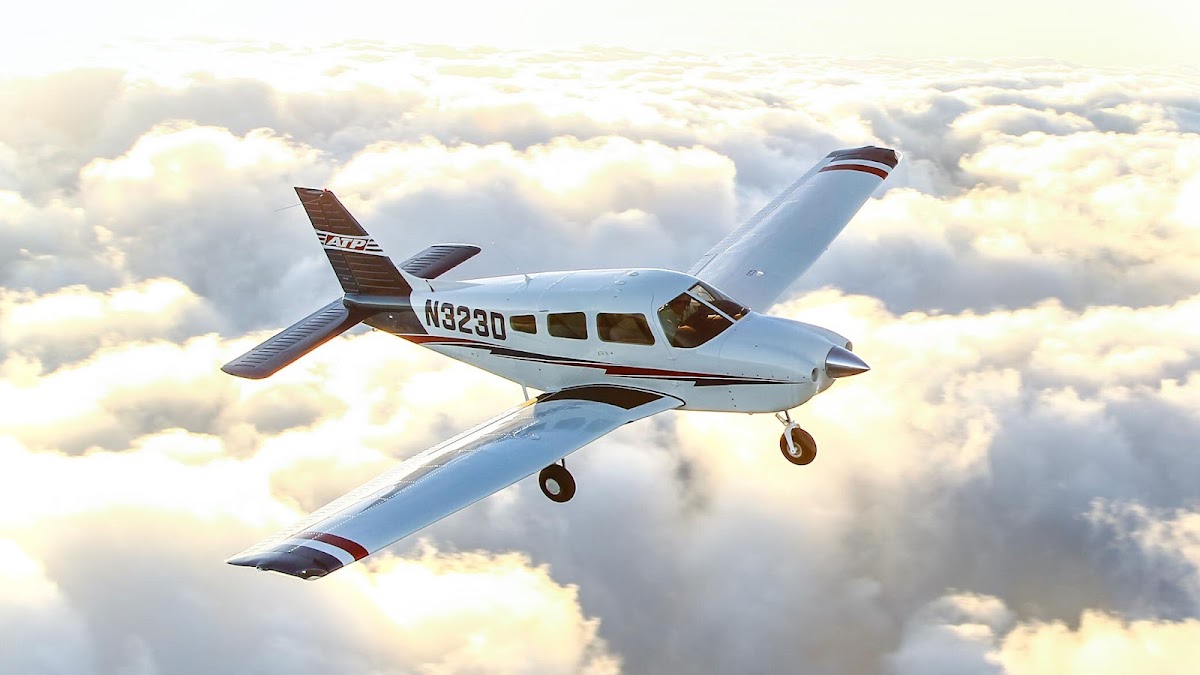
Atlanta, GA · KFTY
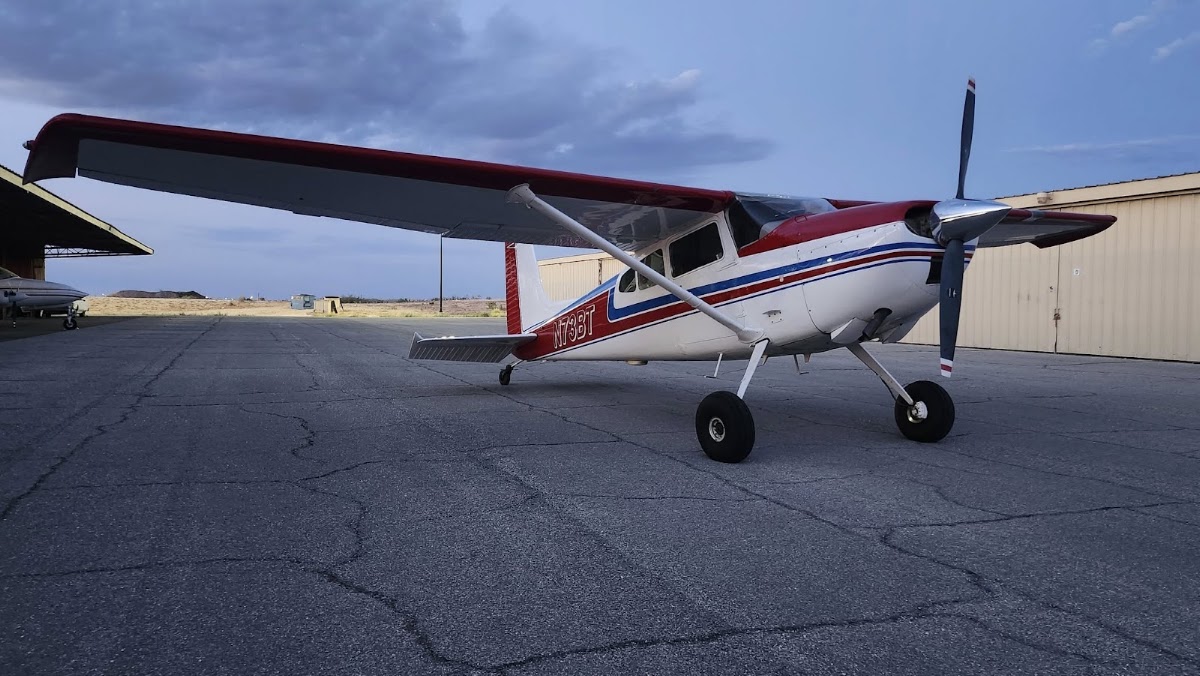
Elberton, GA · K27A

Atlanta, GA · KATL
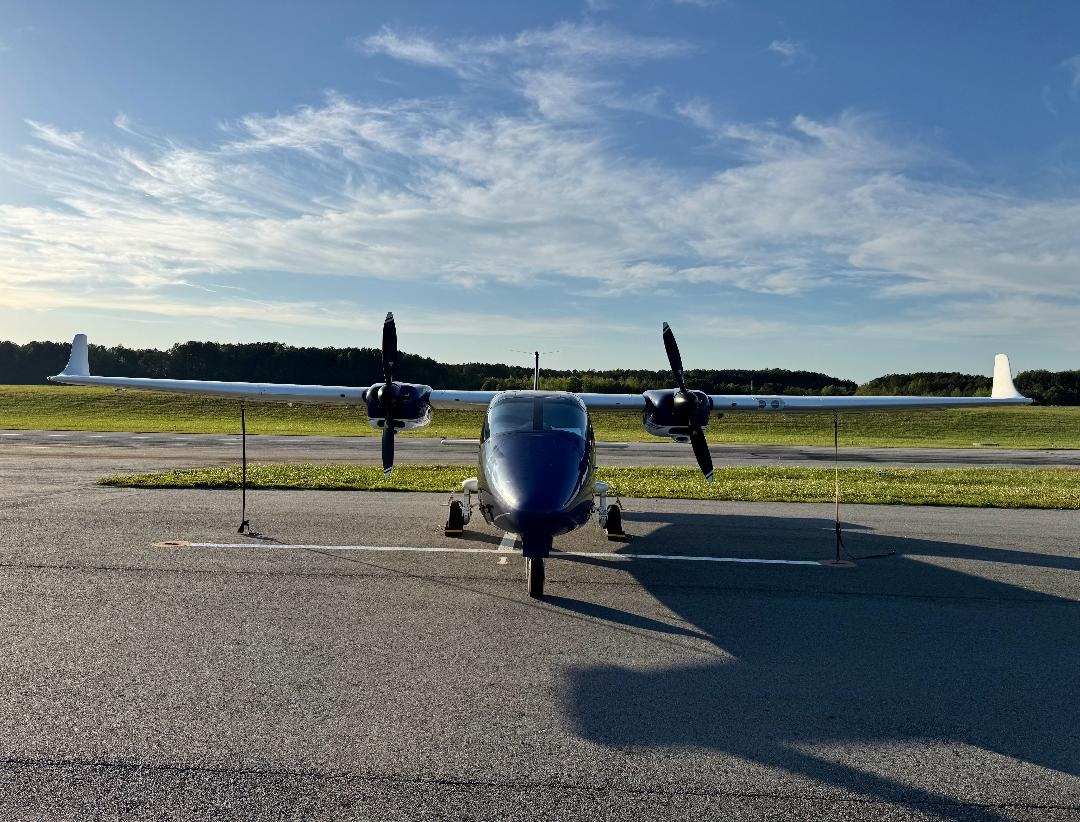
Hampton, GA · K4A7
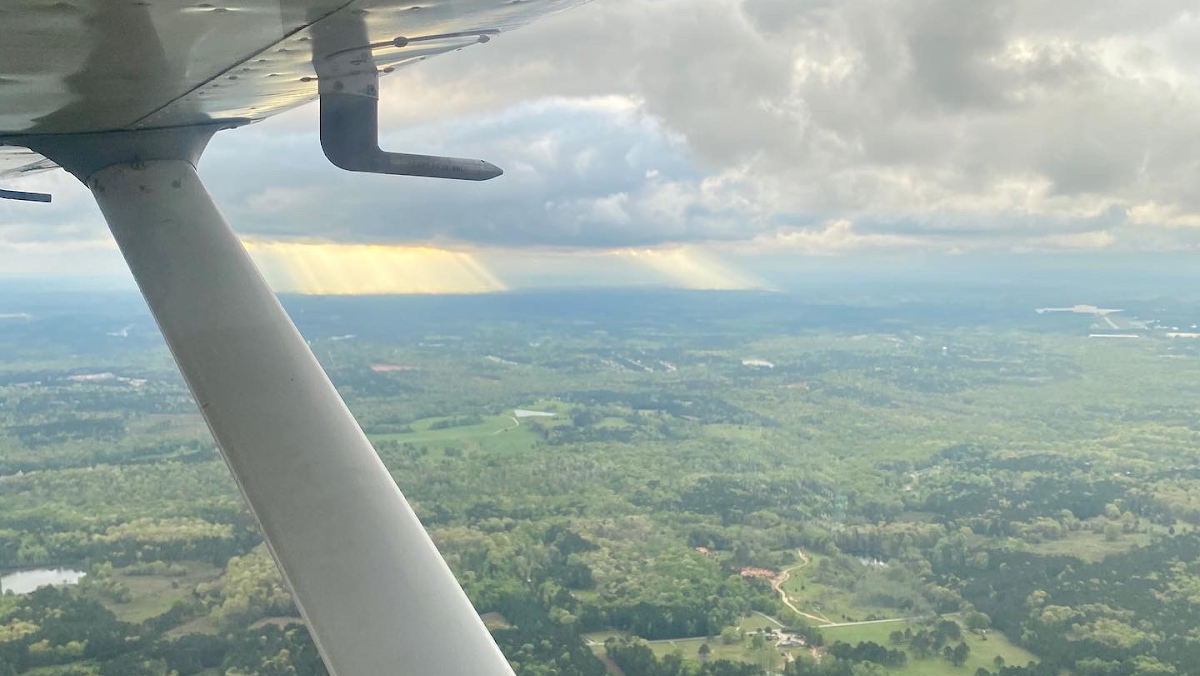
Peachtree City, GA · KFFC
Augusta, GA · KDNL
Atlanta, GA · KPDK
Carrollton, GA · KCTJ

Kennesaw, GA · KRYY
Atlanta, GA · KFTY
Atlanta, GA · KPDK
Kennesaw, GA · KRYY
Savannah, GA · KLHW
Lawrenceville, GA · KLZU

Savannah, GA · KSAV

Winder, GA · KWDR
Atlanta, GA · KPDK

Atlanta, GA · KATL
Savannah, GA · KSAV
Eastman, GA · KEZM
East Point, GA · KATL
Peachtree City, GA · KFFC
Atlanta, GA · KFTY
Macon, GA · KMCN

Gainesville, GA · KGVL
Atlanta, GA · KPDK
Lawrenceville, GA · KLZU
Columbus, GA · KCSG
Chamblee, GA · KPDK
Forest Park, GA · KATL

Lawrenceville, GA · KLZU

LaGrange, GA · KLGC
Bainbridge, GA · KBGE
Peachtree City, GA · KFFC
Peachtree City, GA · KFFC

Peachtree City, GA · KFFC
Atlanta, GA · KPDK
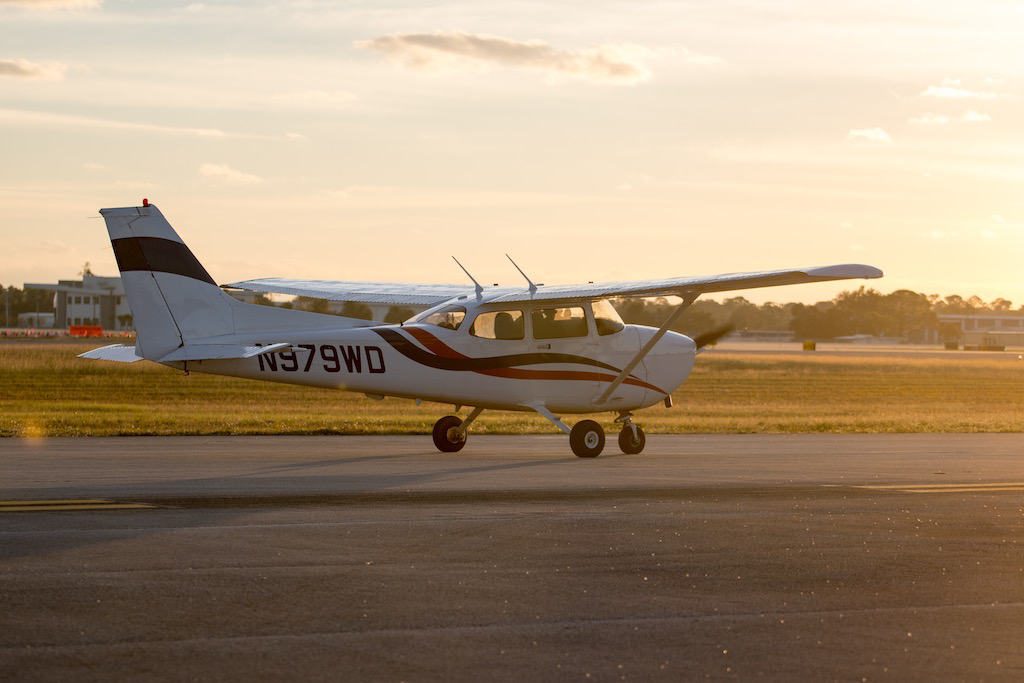
Kennesaw, GA · KRYY
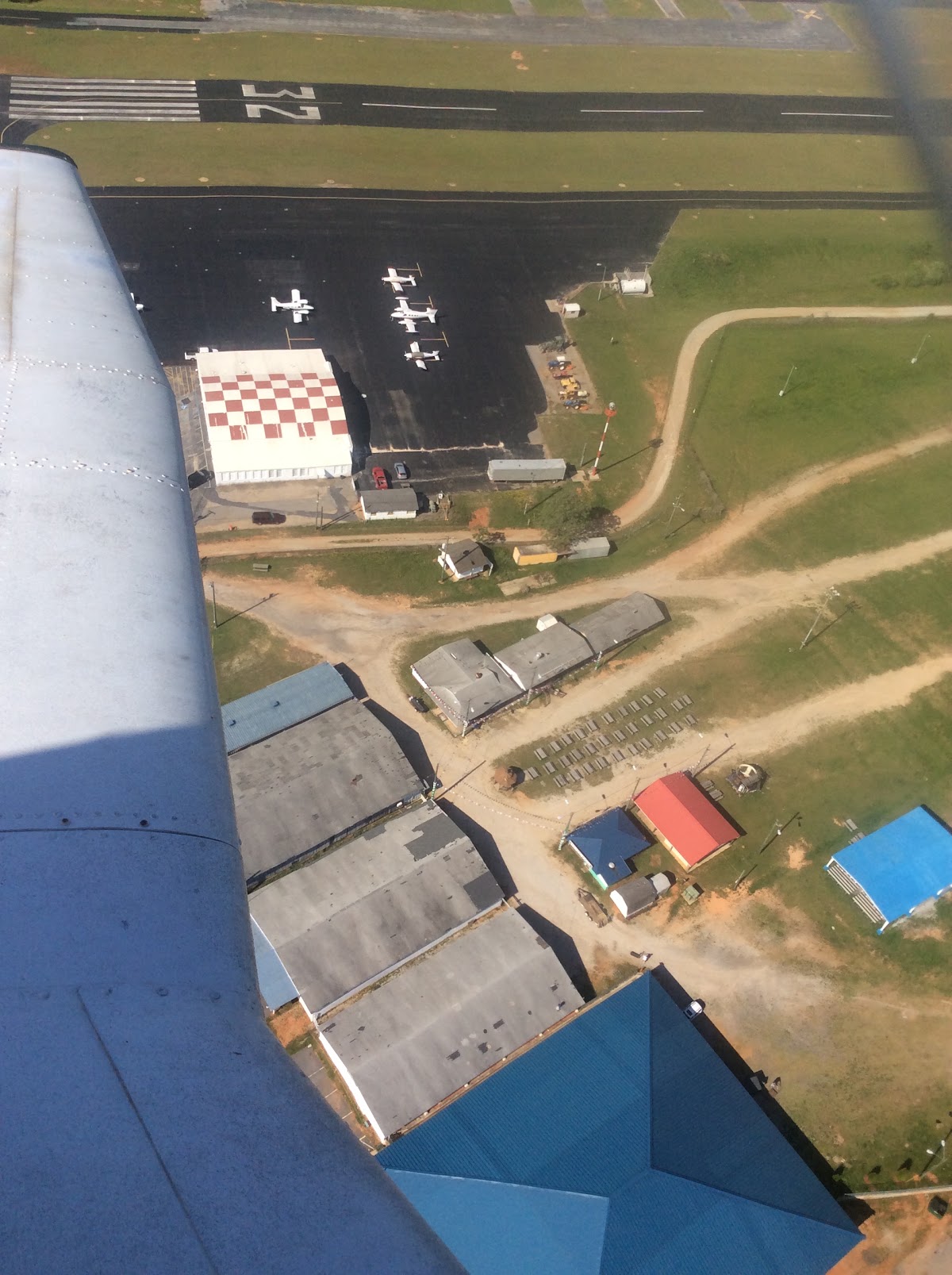
Griffin, GA · K6A2
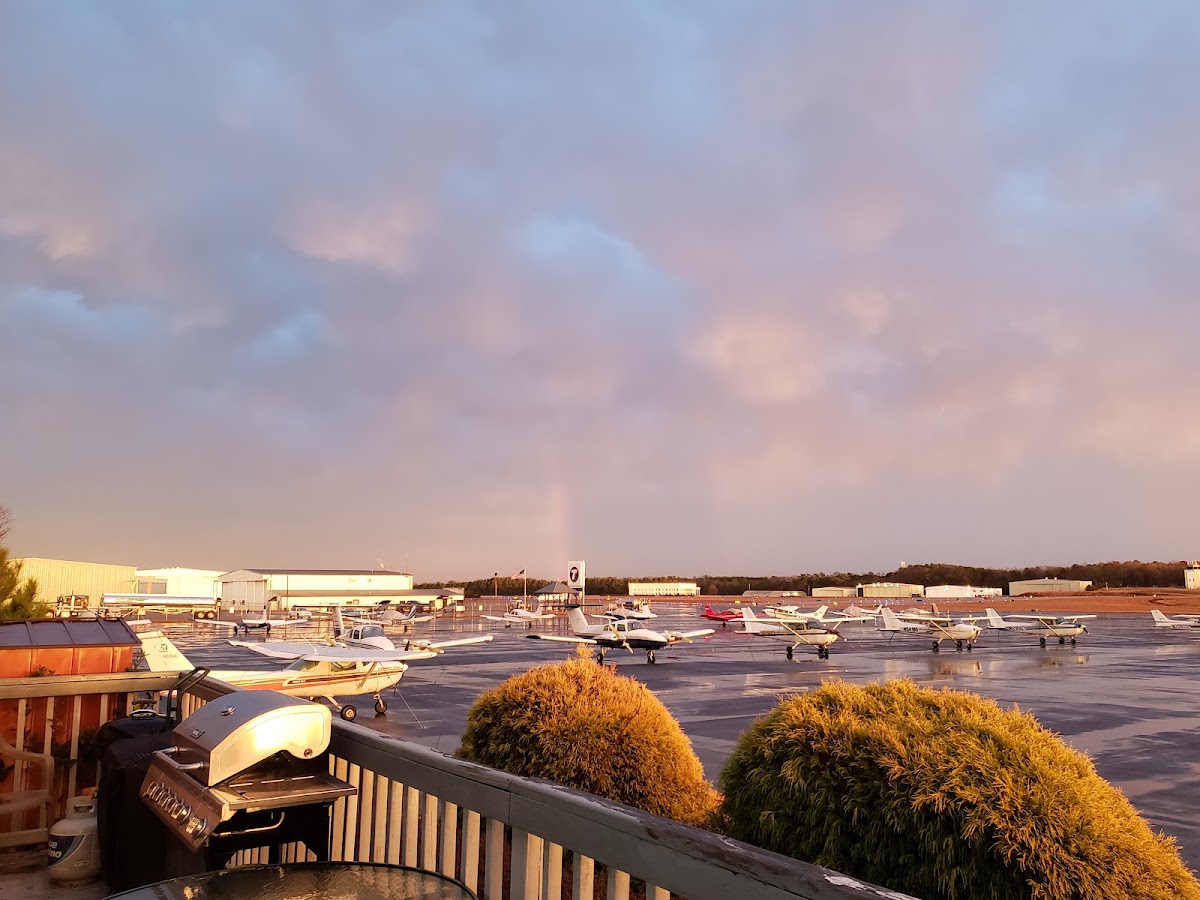
Lawrenceville, GA · KLZU

Savannah, GA · KSVN
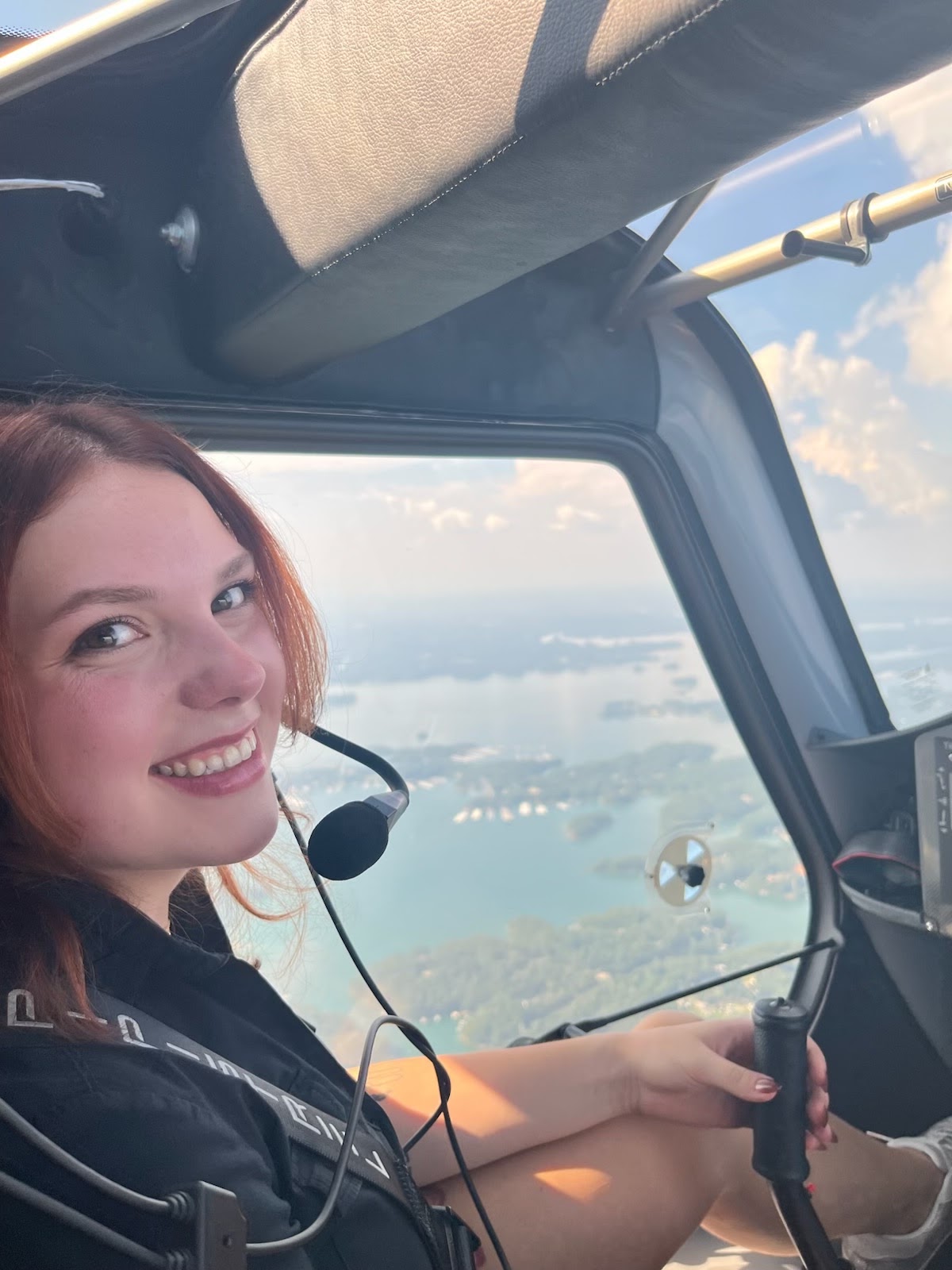
Chamblee, GA · KPDK
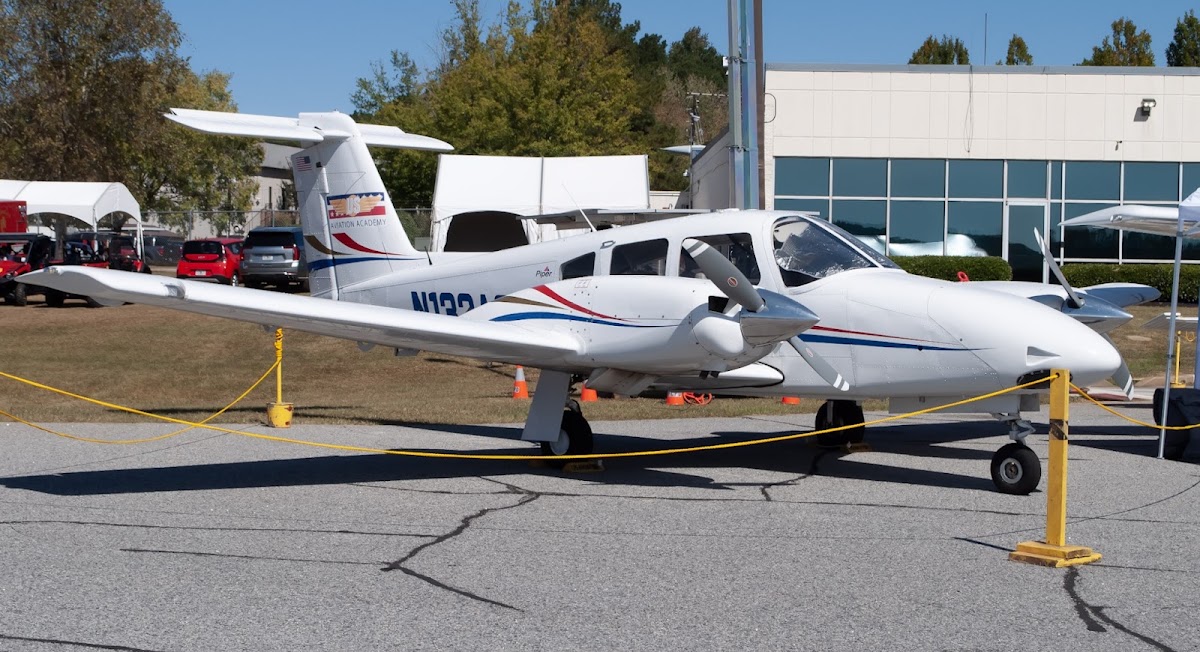
Peachtree City, GA · KFFC
Atlanta, GA · KPDK
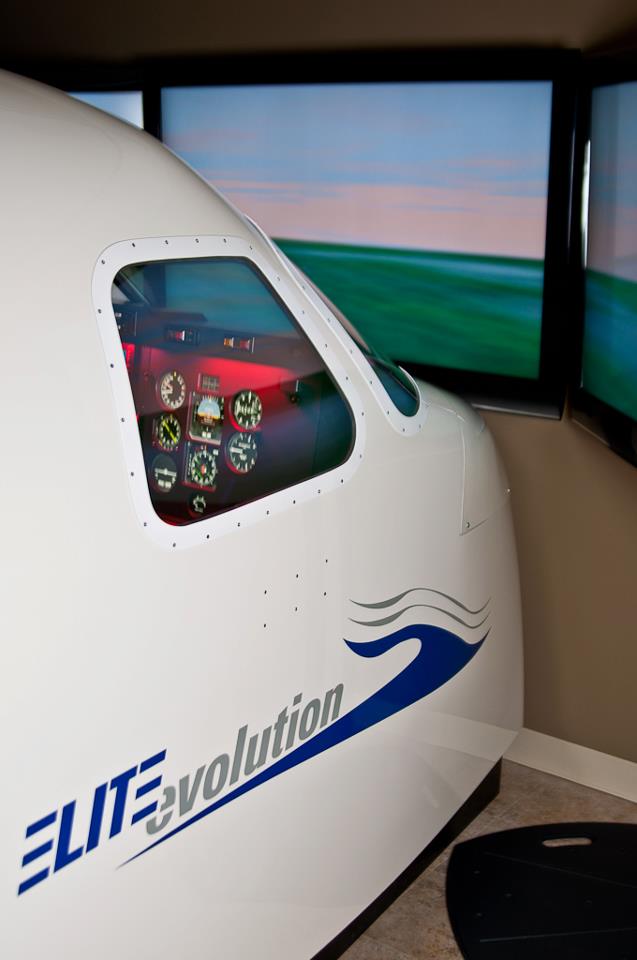
Lawrenceville, GA · KLZU

Carrollton, GA · KCTJ
Georgia gives you a long flying season and a short list of excuses. The ground runs from the southern end of the Blue Ridge down through red clay and pine to the marsh behind the barrier islands, and weather rather than terrain decides whether you fly.
Summers are hot, humid and loud in the afternoon. This is not the Florida machine, where two sea breezes collide in roughly the same place most days of the wet season. Georgia storms are looser. Air mass cells go up wherever the heat and moisture line up, some days over your practice area and some days nowhere near it. The answer is the same either way: fly early. Students who take the seven o'clock slot from June into September lose very few lessons. Students who book after work in July learn about cancellation policies.
Winter costs you days and rarely whole weeks. Flight schools in Georgia run from the ring of fields around Atlanta out to the coast, and the two ends of that spread are different products.
78 flight schools are listed across 32 cities in Georgia, flying from 35 different airports. Between them they carry 2,098 reviews from students on Google, averaging 4.74 out of five. 29 schools hold a rating of 4.8 or better across at least ten reviews, which is the bar worth using when a five-star average rests on two people.
Fields with more than one school on them are worth knowing about: you can visit two or three in an afternoon and compare them properly instead of driving across the state twice.
Atlanta 14 Peachtree City 9 Lawrenceville 7 Savannah 6 Kennesaw 5
Not every school teaches everything. These are the Georgia schools that list training past the basic airplane certificate, which is where the state's geography tends to show: seaplane work follows the water, and mountain and tailwheel training follow the terrain.
Instrument Rating (IFR) 18 Airline Transport Pilot (ATP) 5
Ranked on Google rating, counting only schools with fifteen reviews or more. We take no payment for position; this is arithmetic on public review data, not an endorsement.
Spring and autumn are the payoff: cool dry high pressure for days at a time, stable air, long visibility, the conditions precise work wants. Summer is front loaded. Gulf moisture and Georgia heat put cumulus up by late morning and cells by mid afternoon, and even on a storm free day the haze can pull slant visibility down to something that unsettles a student solo on a cross country. Winter is the quiet surprise: mostly flyable, cold fronts dropping the ceiling for a day and clearing behind them. The northern half of the state still collects an ice event most years that stops a fleet for days.
Hartsfield-Jackson sits just south of downtown Atlanta and has spent years at the top of the world list for passengers and aircraft movements. The Class B stacked over it, shelves stepping outward and upward, covers the densest concentration of flight training in the state. You will spend your primary training underneath and around it, and that is the education. Reading a shelf floor off the chart and holding an altitude below it. Knowing that Class B entry takes a clearance and that radar contact is not one. Sorting out the transponder and ADS-B rules inside the veil. Students who learn here treat airspace as a thing with edges instead of shading on a chart.
Two hours south of the metro the sky empties out. South Georgia and the coastal plain are flat and wide, dotted with non-towered county fields and old wartime runways longer than a trainer needs. Traffic is light, the practice area starts near the fence, and more of the hour you buy is spent flying instead of taxiing. What you trade is fleet depth, instructor choice and the radio fluency metro students pick up by accident. Two things belong on your chart down there: the restricted areas and military operating areas around Warner Robins, Valdosta, Columbus and Savannah, and hurricane season, June 1 through November 30, which can take days out of the coast without a storm arriving.
Nobody can quote you a Georgia price, and an average would not be yours. The drivers are predictable. Aircraft type first, because an older two seat trainer and a glass panel four seater are different businesses. Training frequency second, and it matters more than people expect: fly twice a week and you spend the first minutes of a lesson remembering, fly twice a month and you spend most of it. Then where you are based: taxi and hold time at a busy metro field is meter time with the airplane going nowhere. Last, weather downtime, which Georgia has less of than the north. Get written quotes from two or three private pilot programs in Georgia and compare what each includes.
Close to it, though the season changes shape. From June into September the good air is in the morning, so an early slot is worth rearranging your week for. Winter hands you cold clear days between fronts and takes a handful away for low ceilings and ice, mostly in the north. Spring and autumn are the best flying of the year. Across twelve months you lose afternoons far more often than weeks.
It makes it busier, not harder. You do not need to enter Class B to train, and most students spend their time at satellite fields under the shelves. What the airspace gives you is early practice at the things pilots elsewhere postpone: altitude discipline under a shelf, a transition request that gets refused, and a controller working fast enough that you have to listen properly. Ask your instructor to fly the boundaries with you on purpose rather than by accident.
It depends on what your money is buying. A towered metro field builds radio confidence early and usually puts a bigger fleet and more instructors within reach. It charges you in taxi and hold time. A quiet field away from the crowd buys more airborne minutes per hour and forces you to build your own traffic picture. Plenty of students split it: train at the quieter field, then buy a few hours flying into the busy one.
The same ladder as everywhere else, because the requirements are federal and identical in every state: an instrument rating, a commercial certificate, then for most airline jobs the experience needed to hold an ATP. Georgia weather argues for the instrument rating on its own: summer haze and winter low cloud will cancel days you would rather have flown. Read the path from first lesson to airline before you commit to a program.
Text size
Contrast and legibility
Motion
These are display preferences saved to this browser. They do not replace your operating system or browser accessibility settings, which this site also respects. If something here does not work with your assistive technology, our accessibility statement lists the known gaps and how to report a new one.