
Philadelphia, PA · KPNE

Flight schools by state
73 schools across 40 cities, with ratings and reviews from Google.
Airplane Helicopter College & university Simulator center
Philadelphia, PA · KPNE
Lititz, PA · KLNS
New Cumberland, PA · KCXY
Tobyhanna, PA · KMPO
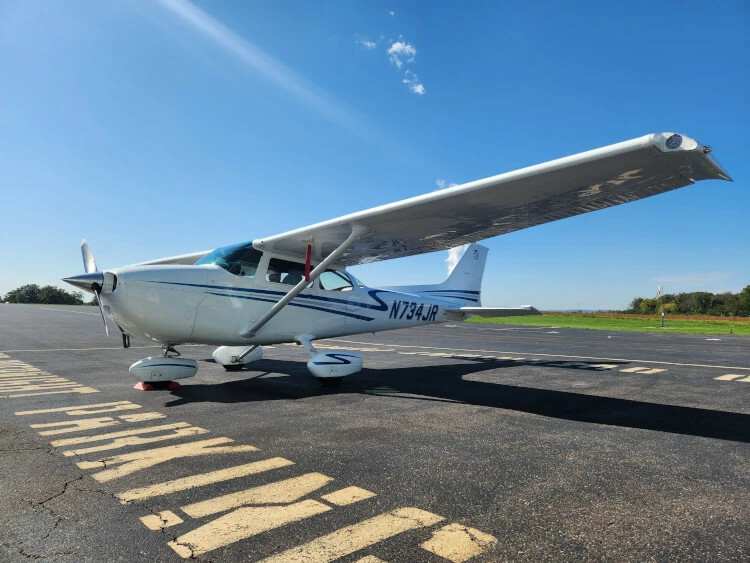
Pottstown, PA · KPTW
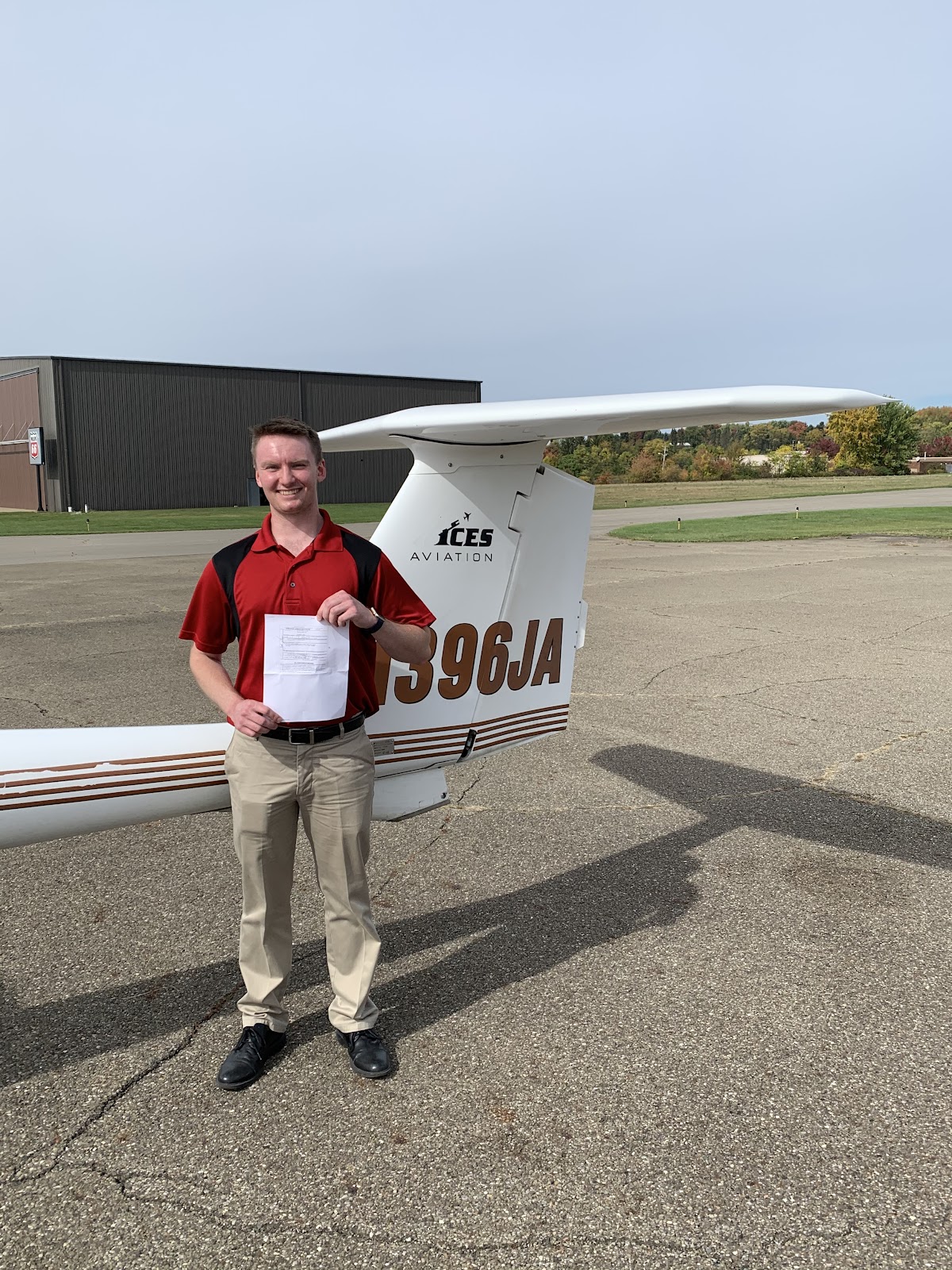
Beaver Falls, PA · KBVI
Gettysburg, PA · KW05

Toughkenamon, PA · KN57
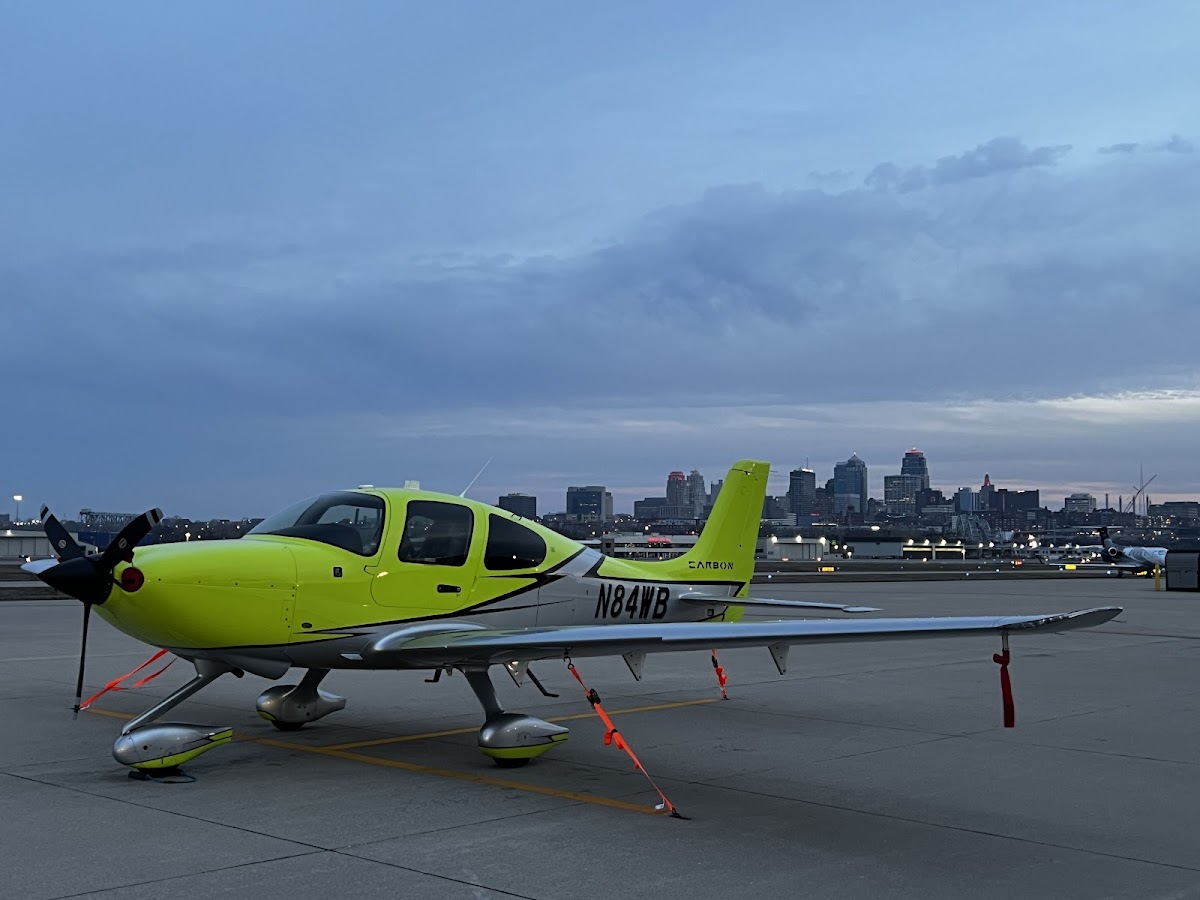
Washington, PA · KAFJ
Latrobe, PA · KLBE
Johnstown, PA · KJST
Philadelphia, PA · KPNE
Shippensburg, PA · N42
Mercer, PA · K29D
Lehighton, PA · K22N
Indiana, PA · KIDI
Latrobe, PA · KLBE
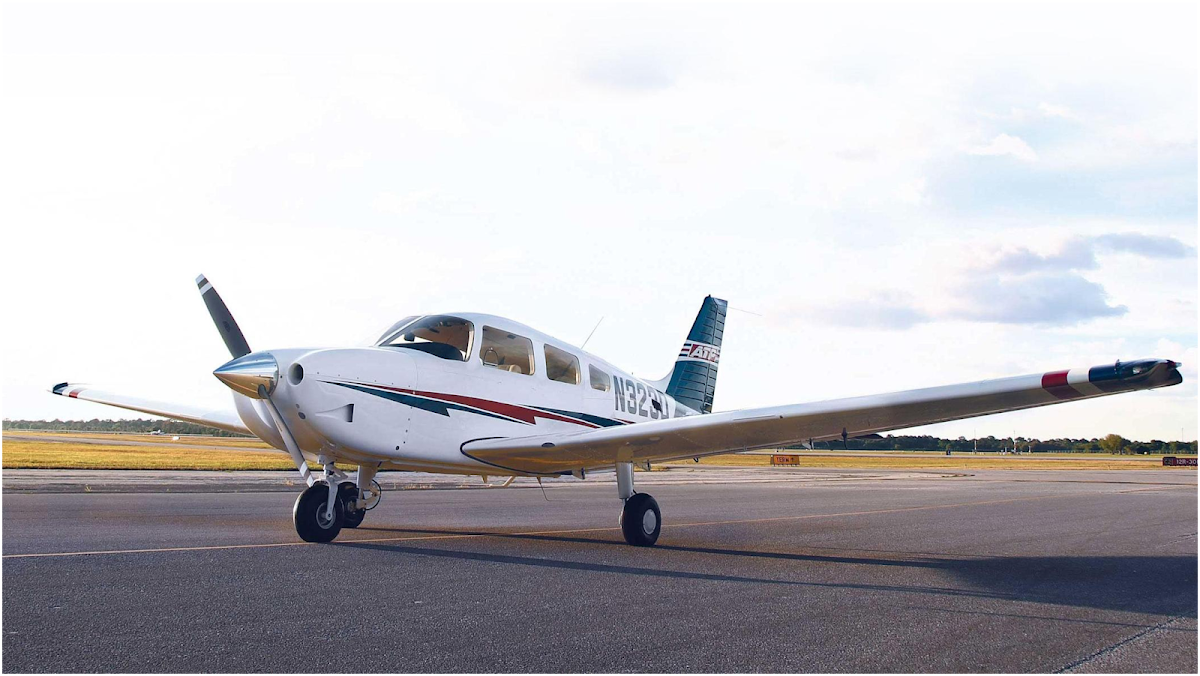
Philadelphia, PA · KPNE
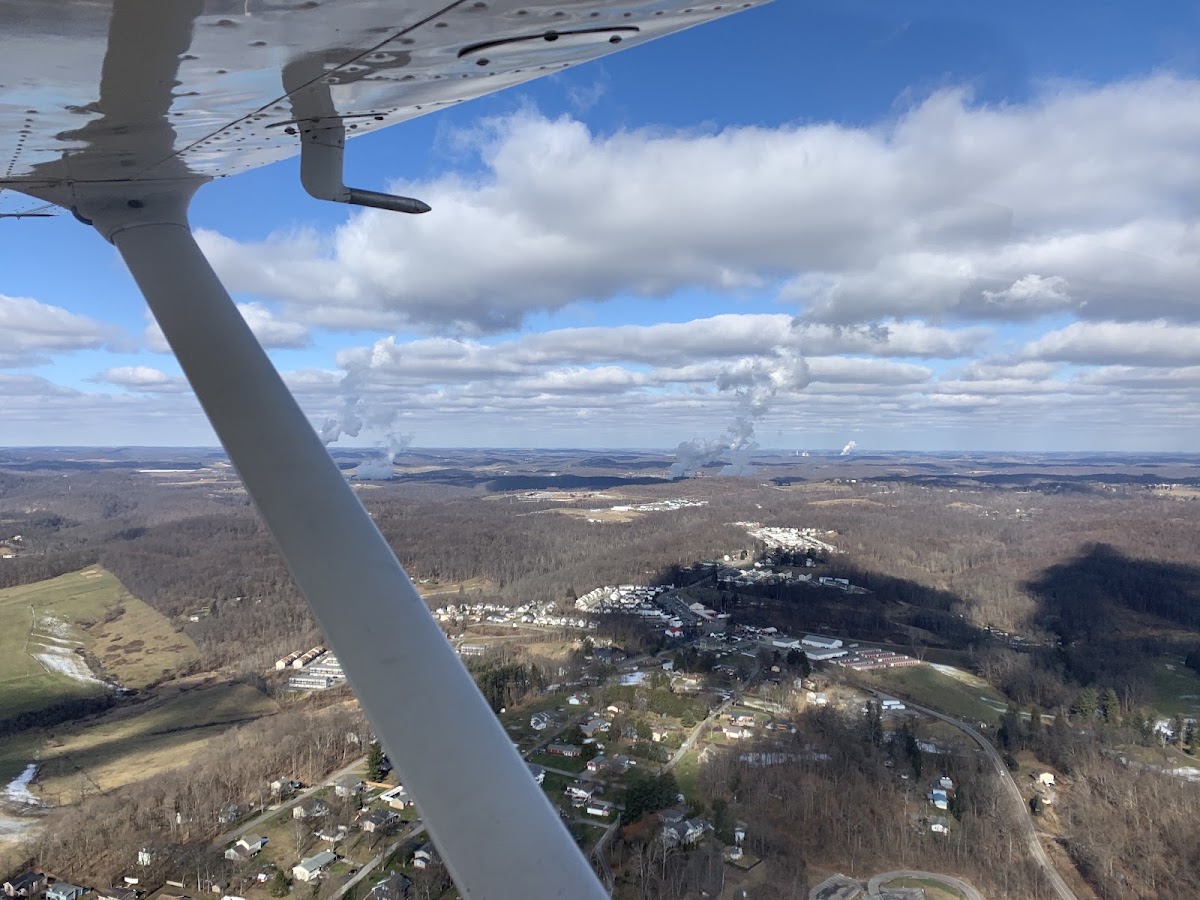
Lemont Furnace, PA · KVVS
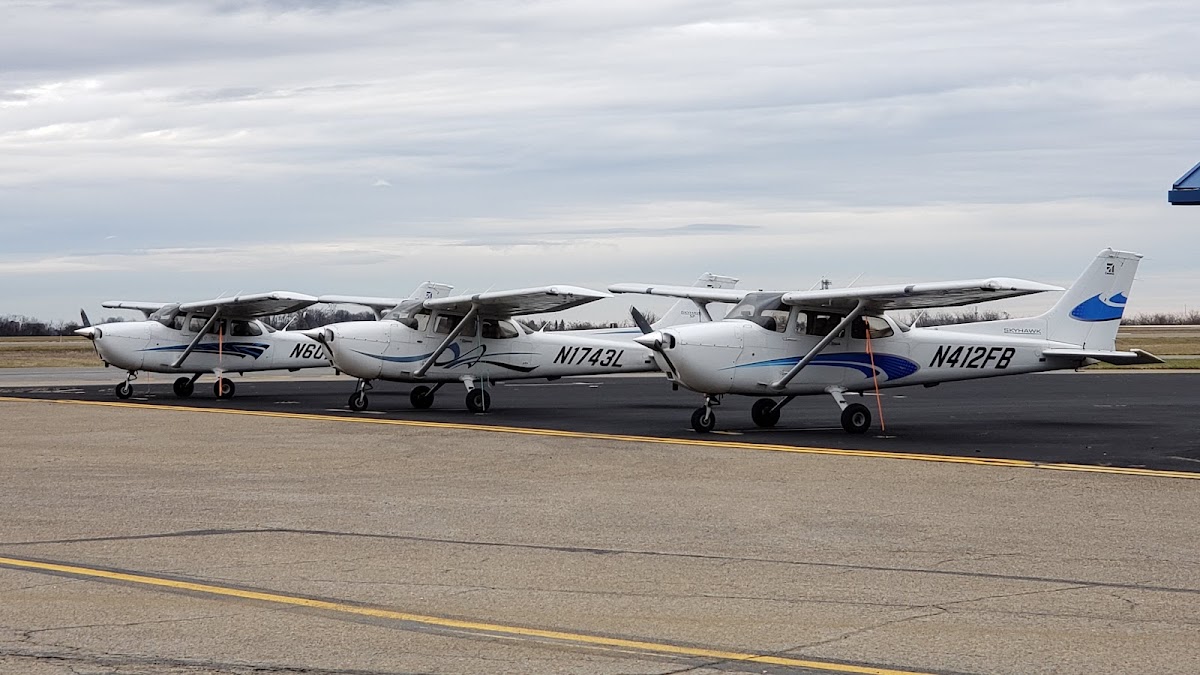
West Mifflin, PA · KAGC
Indiana, PA · KIDI
Thomasville, PA · KTHV
Bloomsburg, PA · KN13
Allentown, PA · KABE
Middletown, PA · KMDT
Reading, PA · KRDG
Butler, PA · KBTP
Erie, PA · KERI
Philadelphia, PA · KPNE
Philadelphia, PA · KPNE
Palmyra, PA · 58N
Quakertown, PA · KUKT
Philadelphia, PA · KPNE
Philadelphia, PA · KPNE
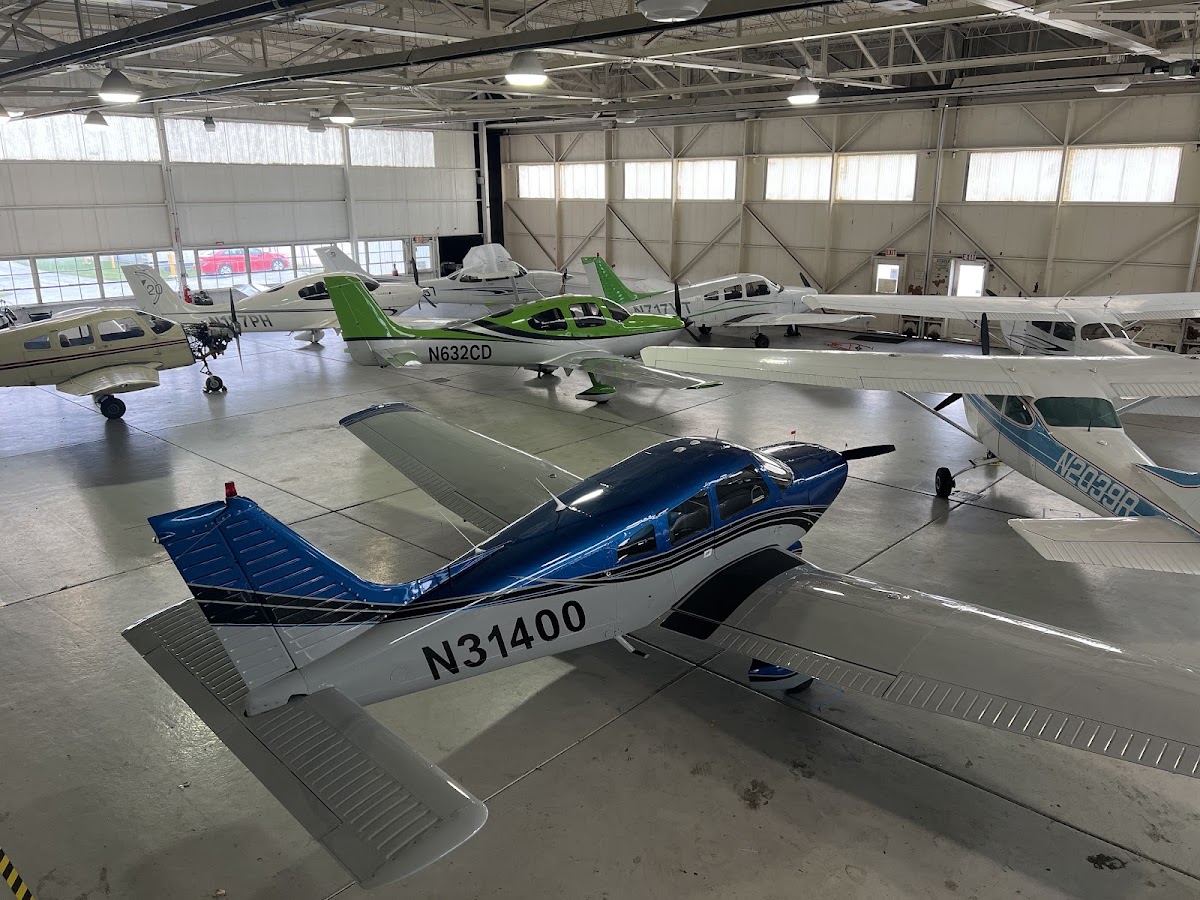
Coatesville, PA · KMQS
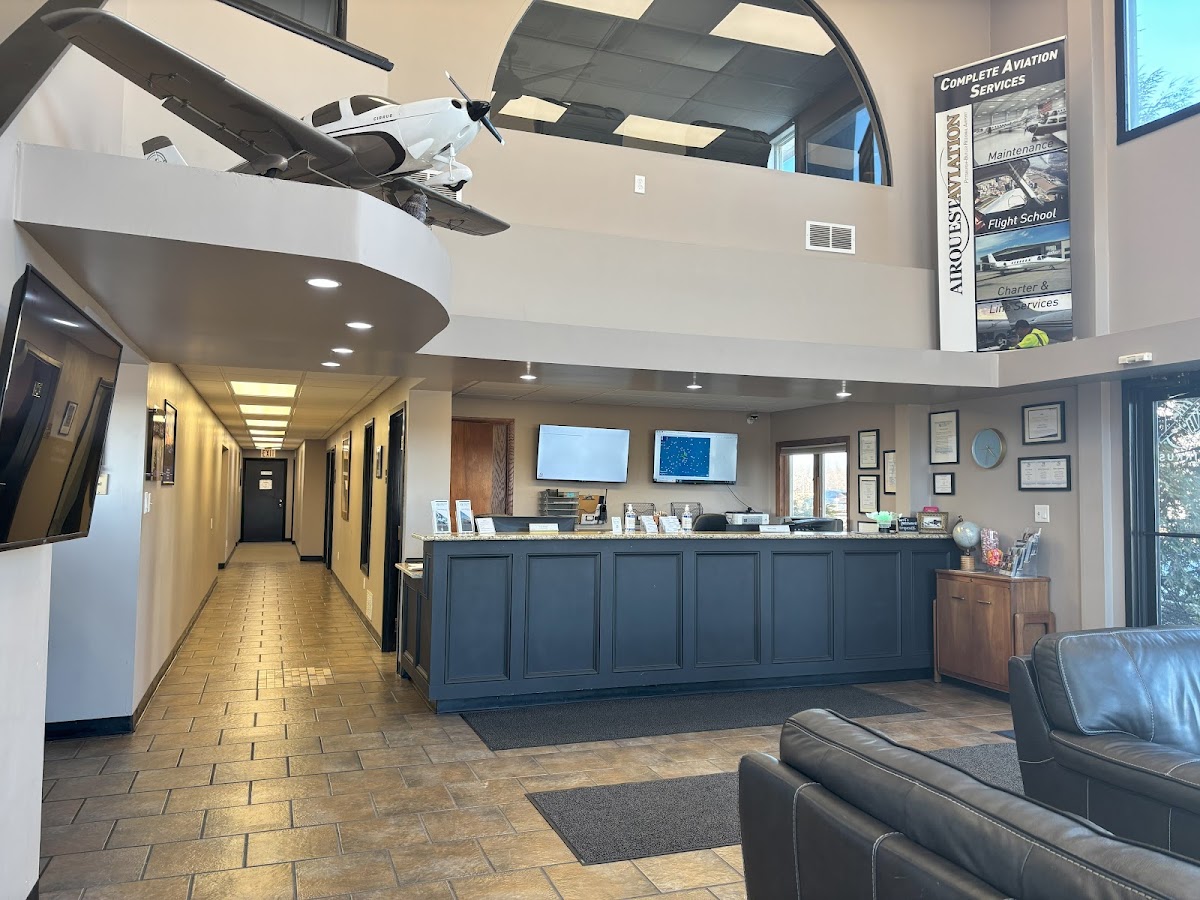
Butler, PA · KBTP
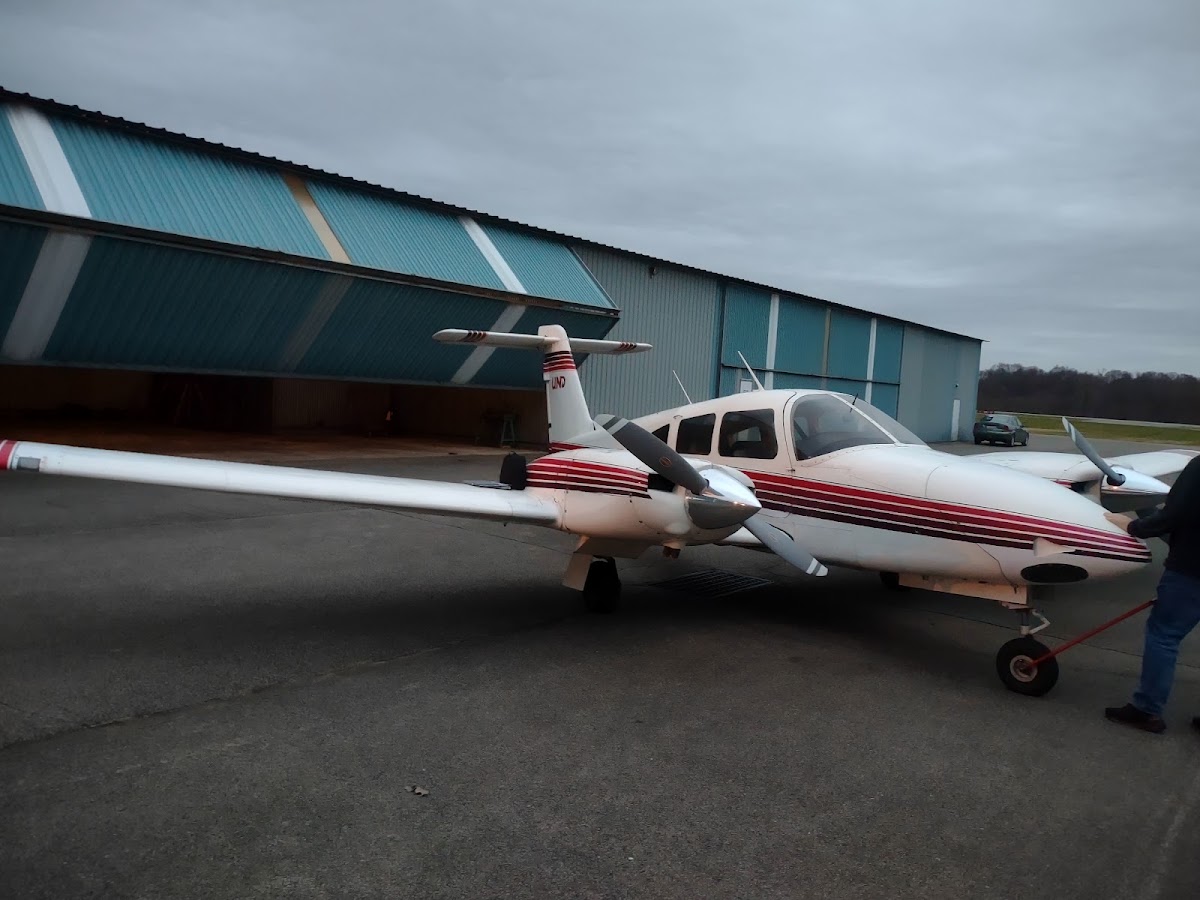
Beaver Falls, PA · KBVI

Lititz, PA · KLNS
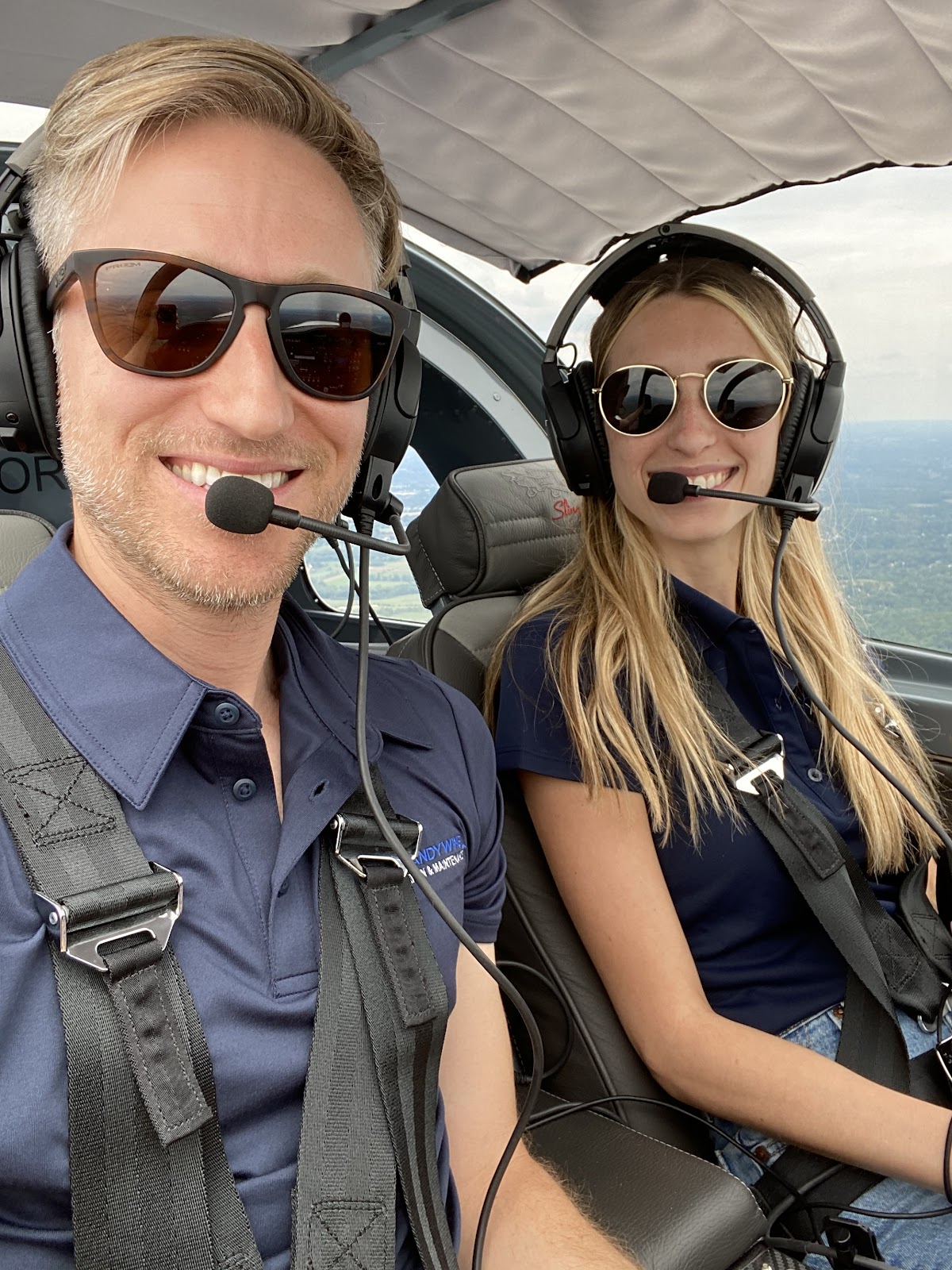
West Chester, PA · KOQN
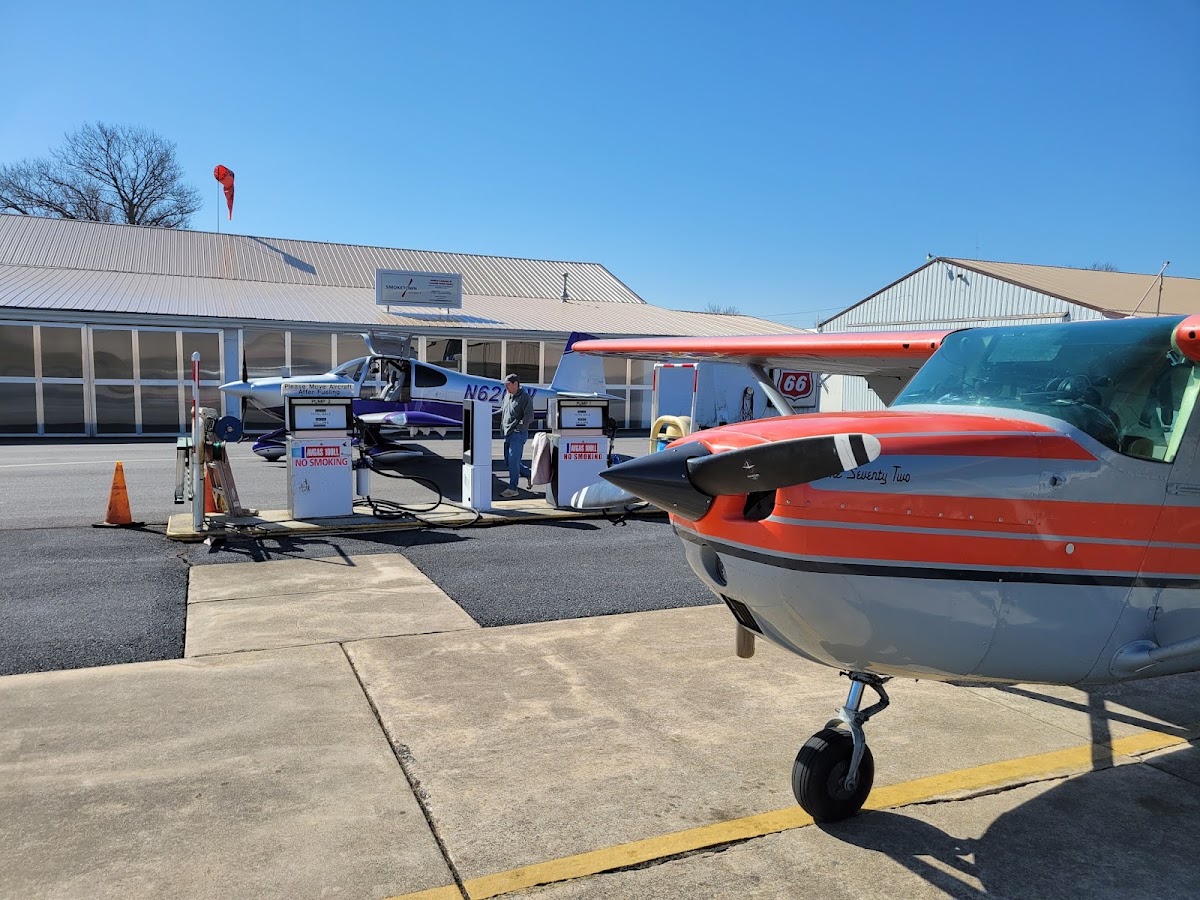
Smoketown, PA · S37
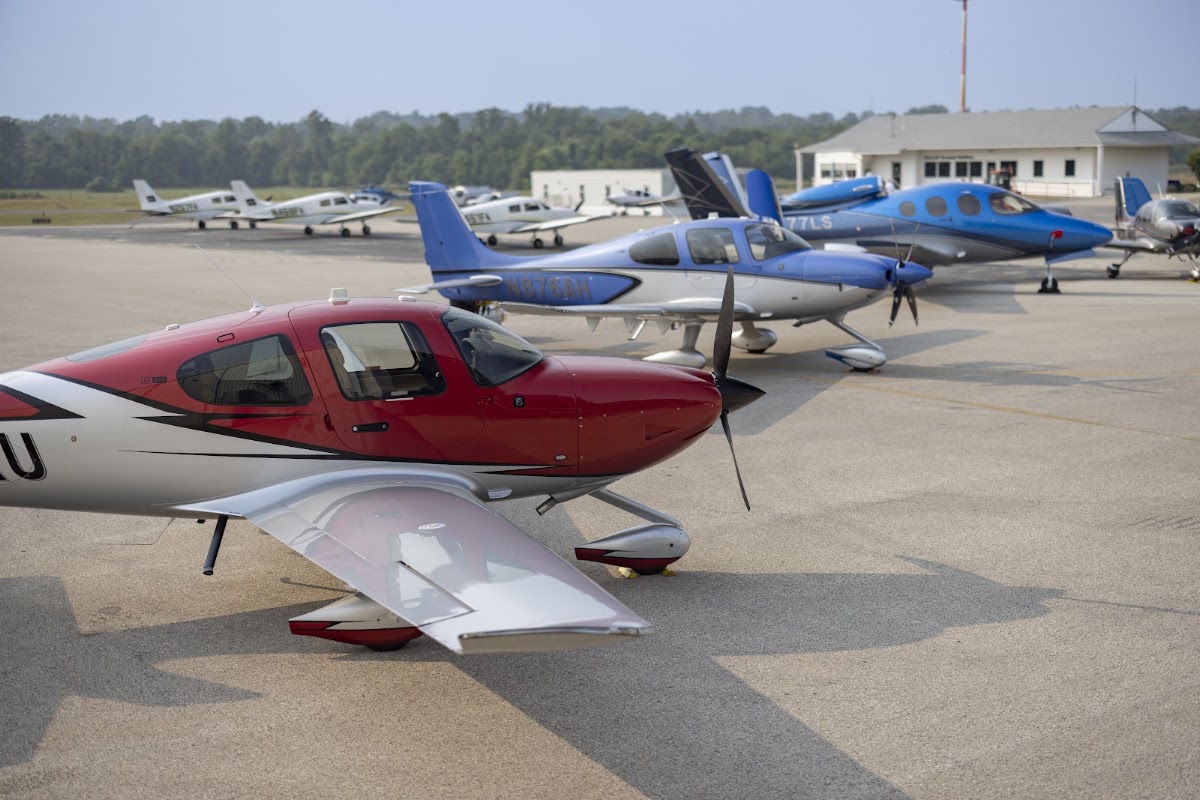
Blue Bell, PA · KLOM
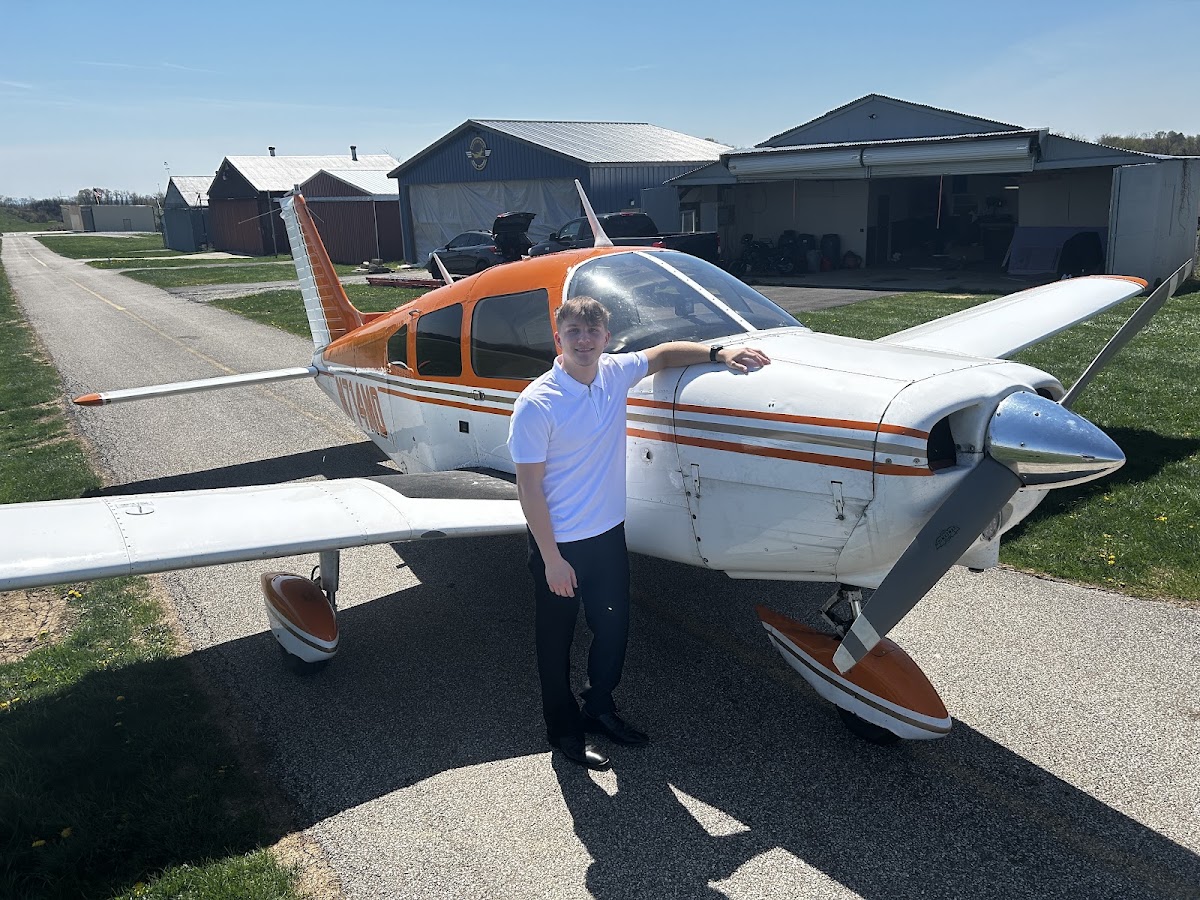
Finleyville, PA · G05
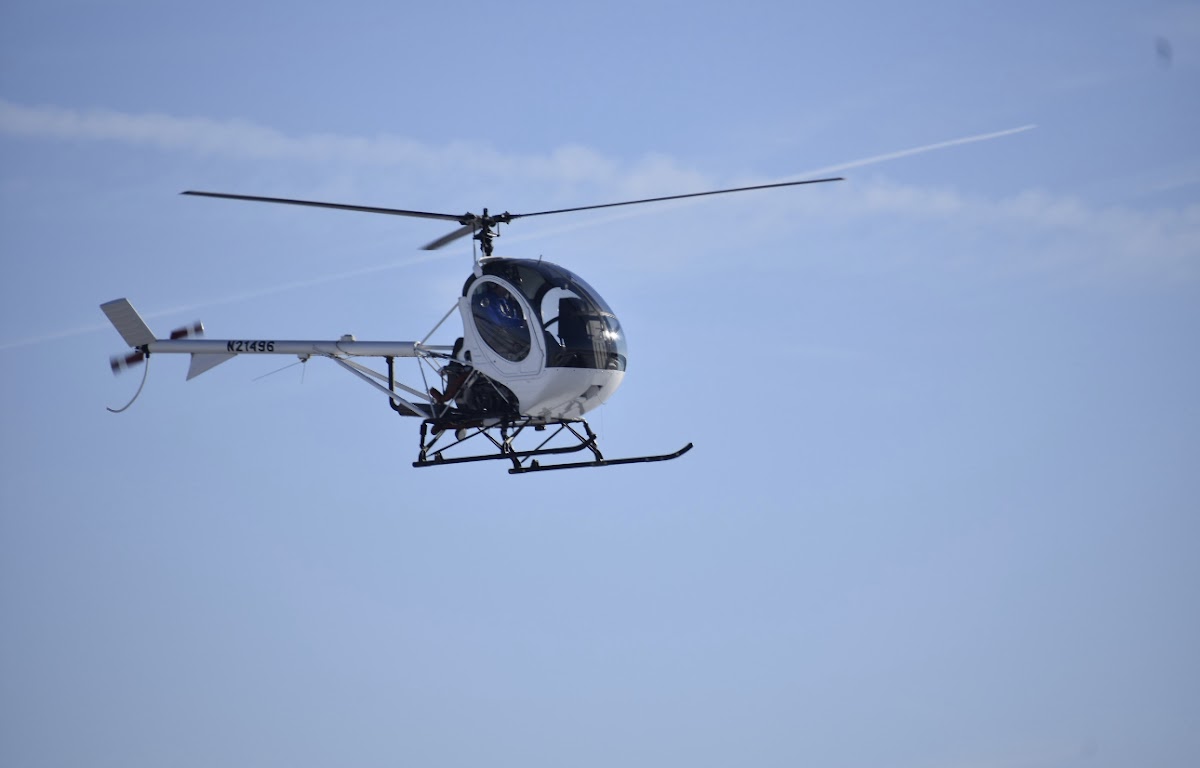
Tobyhanna, PA · KMPO
Freeport, PA · P37
Elysburg, PA · KN79
West Chester, PA · KOQN
Johnstown, PA · KJST
Allentown, PA · KABE
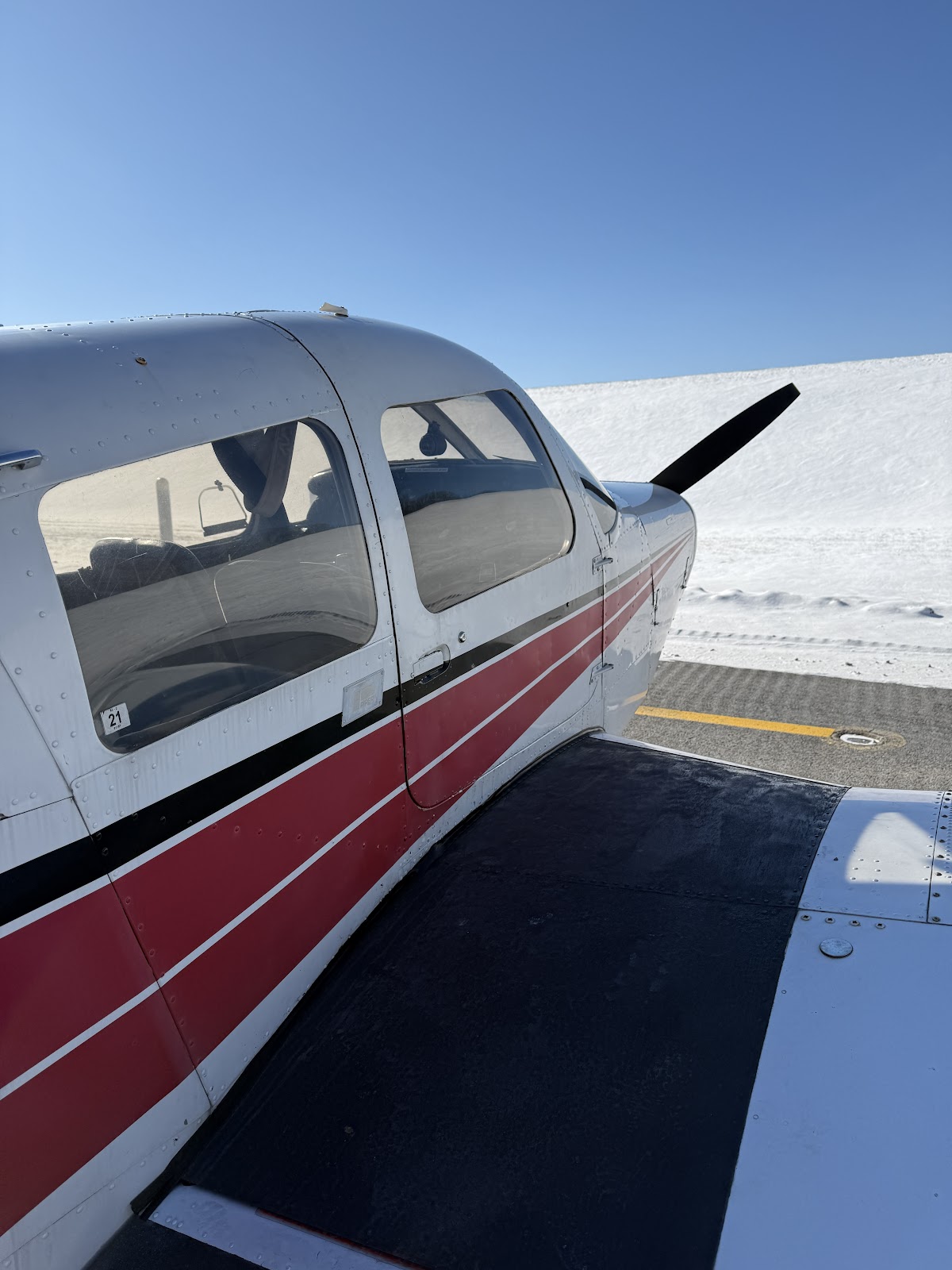
State College, PA · KUNV

West Mifflin, PA · KAGC
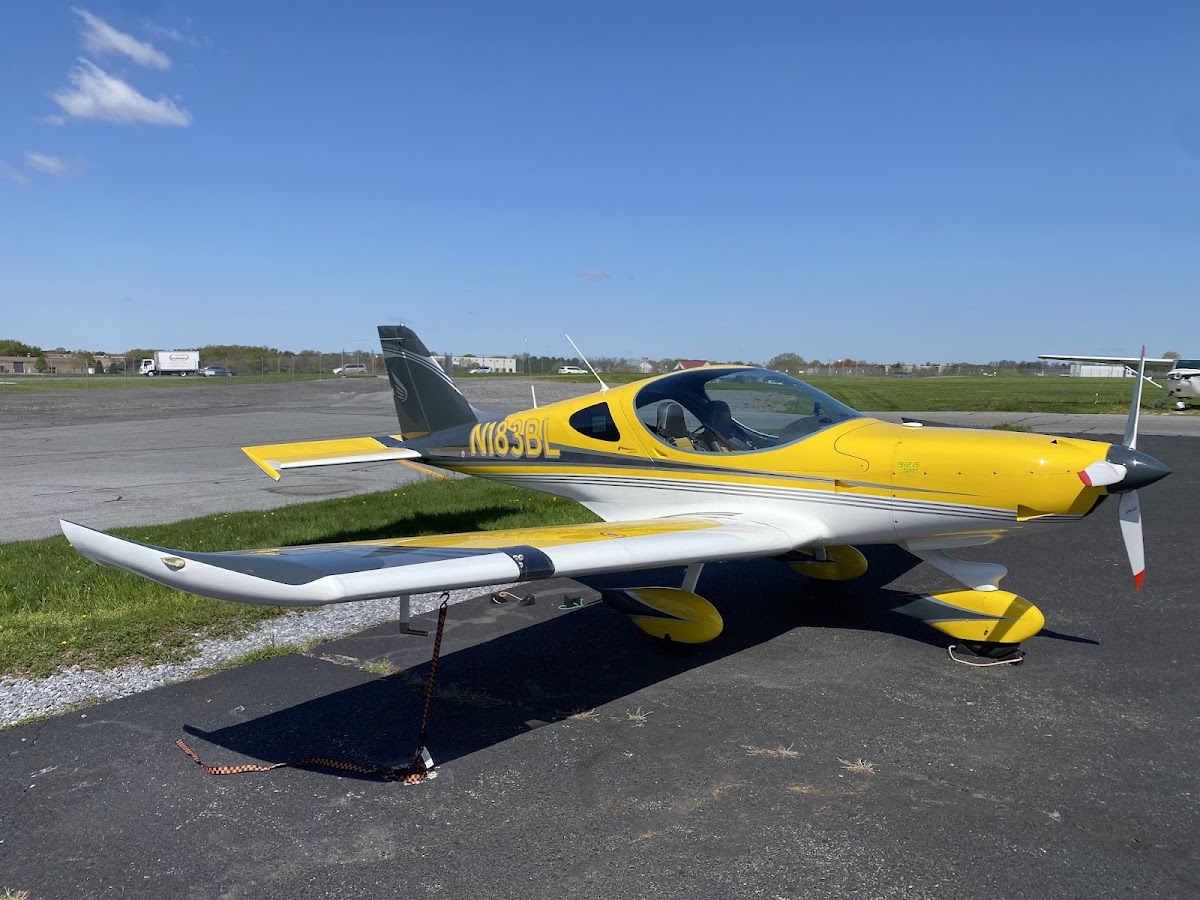
Lititz, PA · KLNS
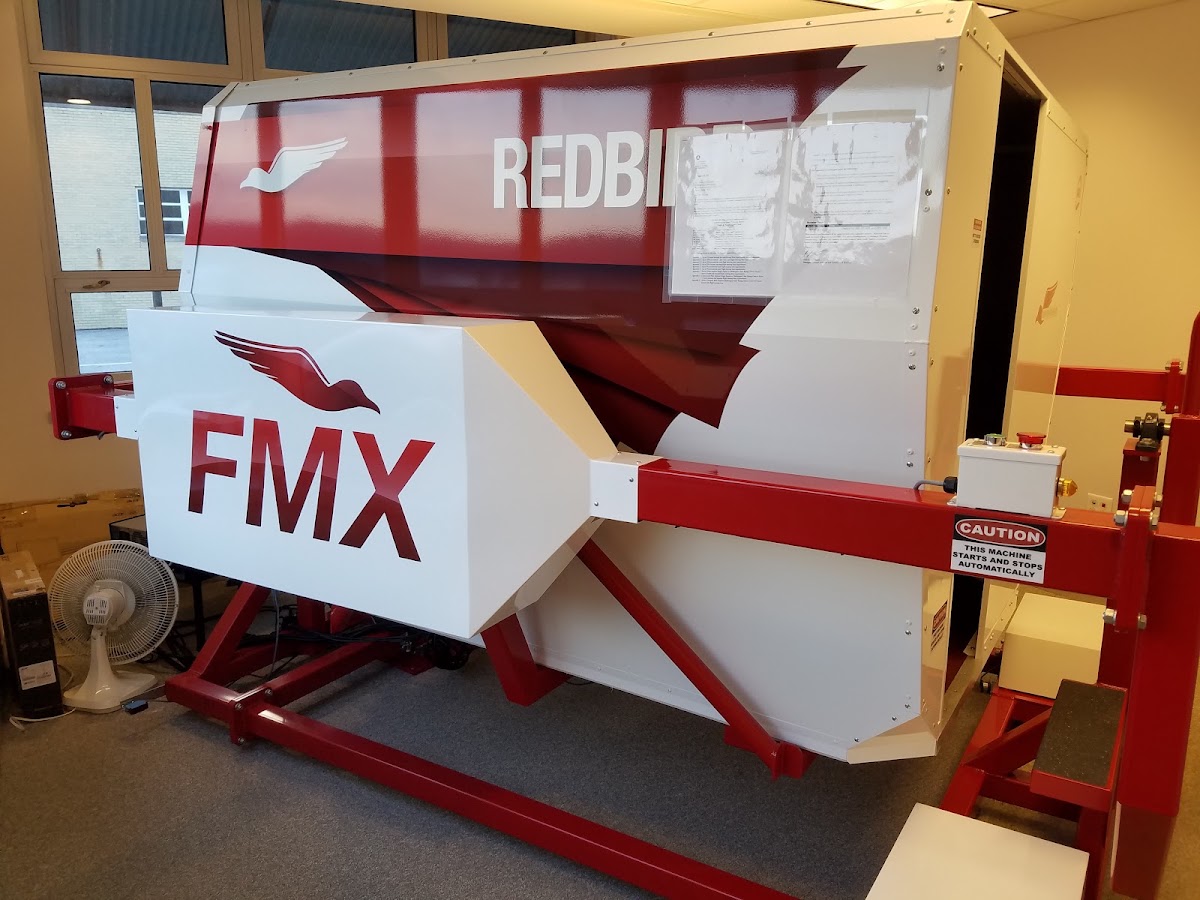
New Cumberland, PA · KCXY
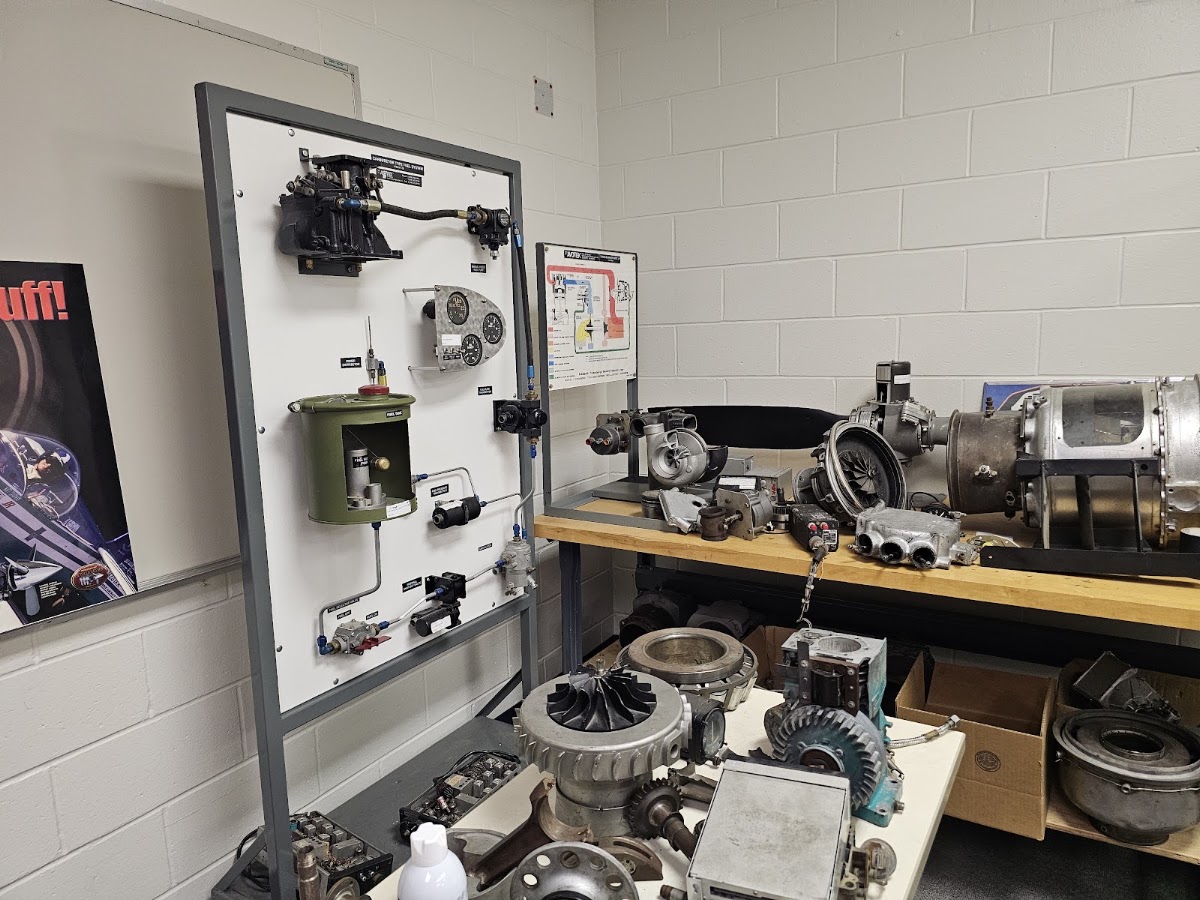
Beaver Falls, PA · KBVI
Jersey Shore, PA · P96
Allentown, PA · KABE
Allentown, PA · KXLL
Kingston, PA · KWBW
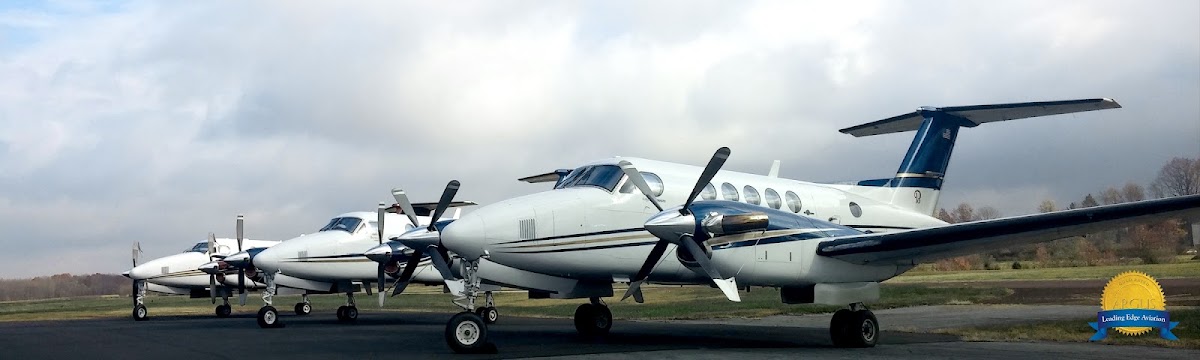
Doylestown, PA · KDYL
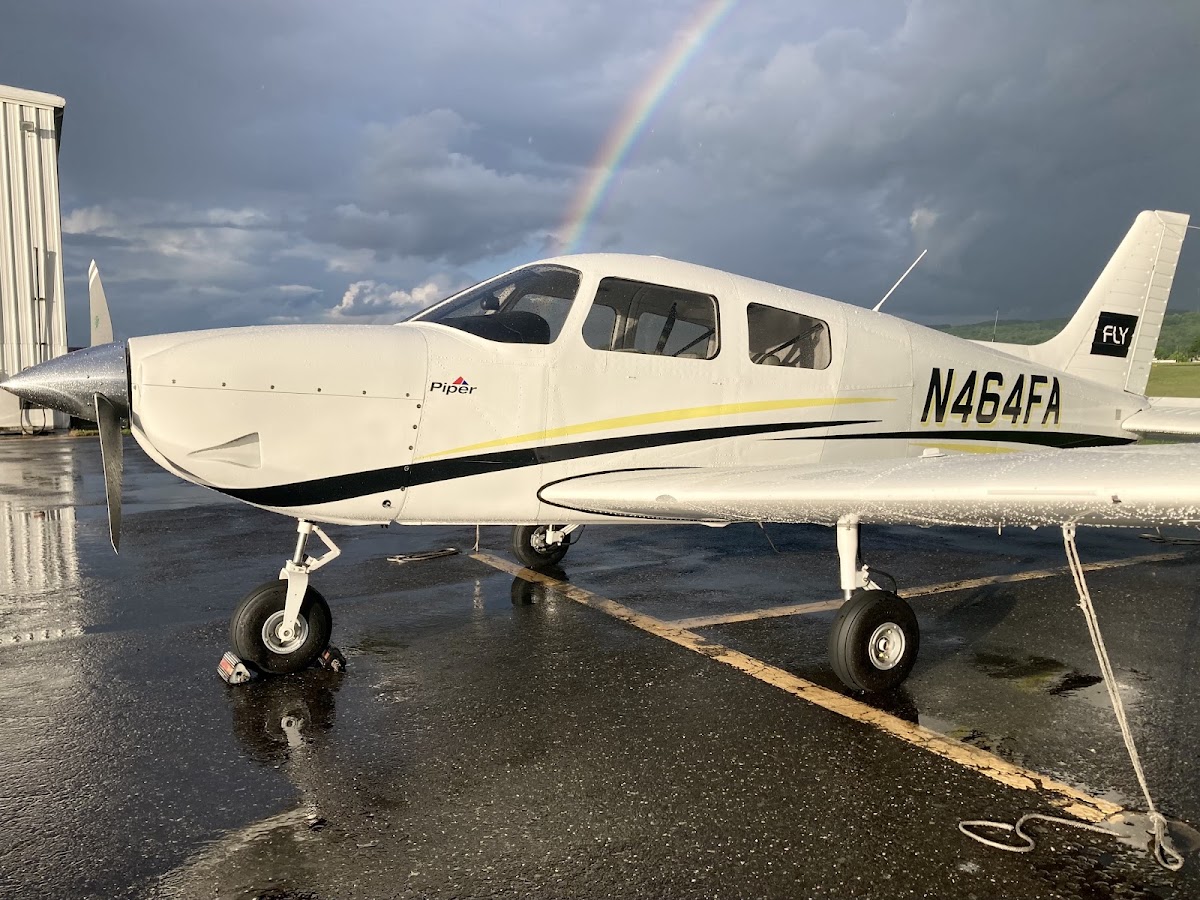
Lititz, PA · KLNS
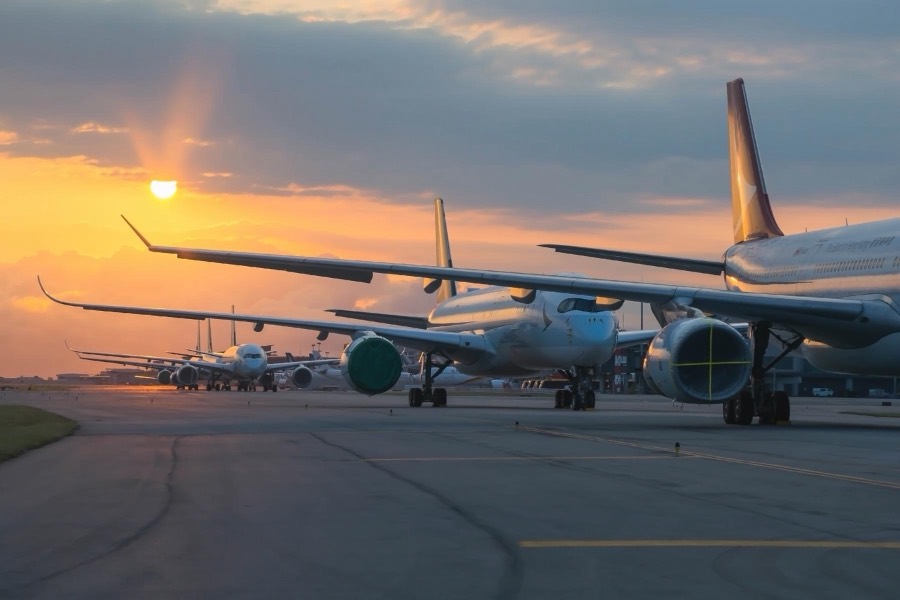
Philadelphia, PA · KPNE
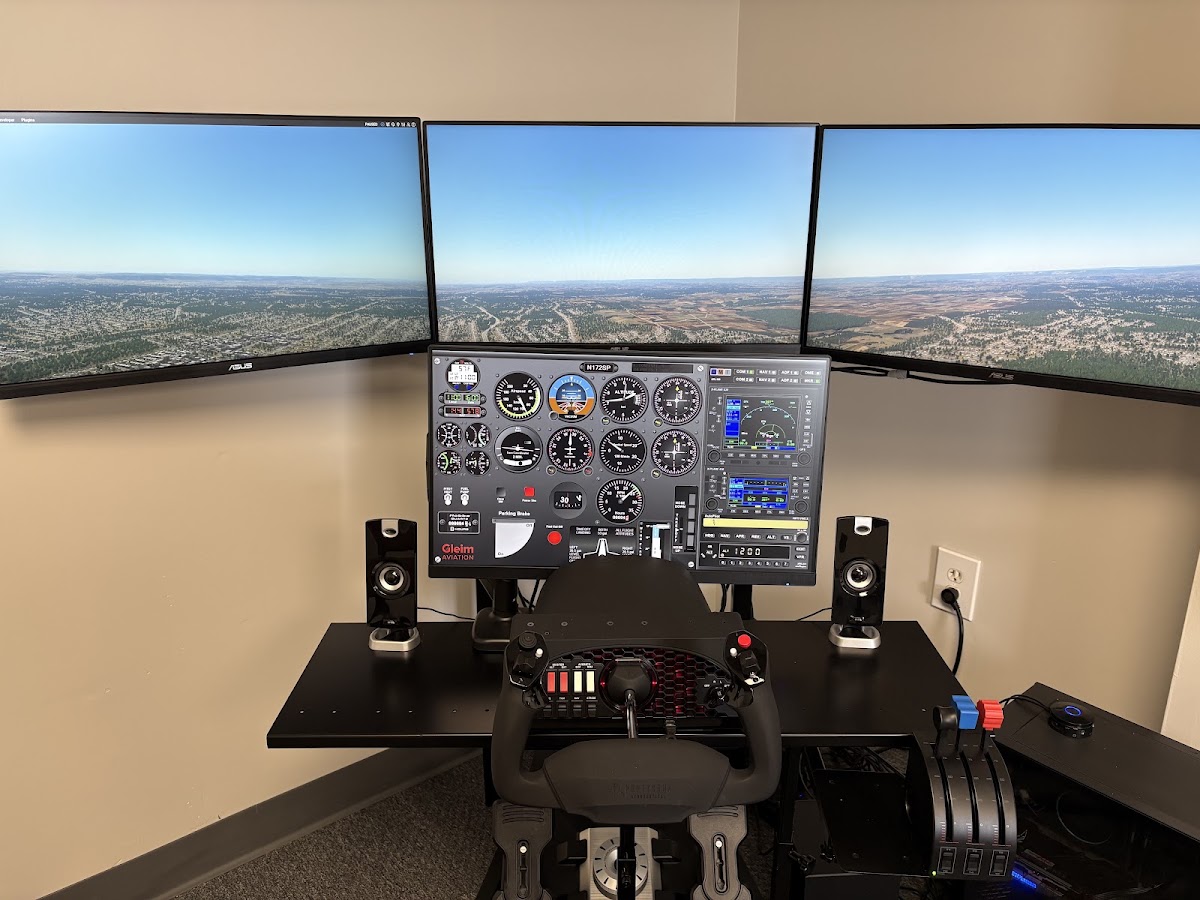
Easton, PA · N43

Philadelphia, PA · KPNE
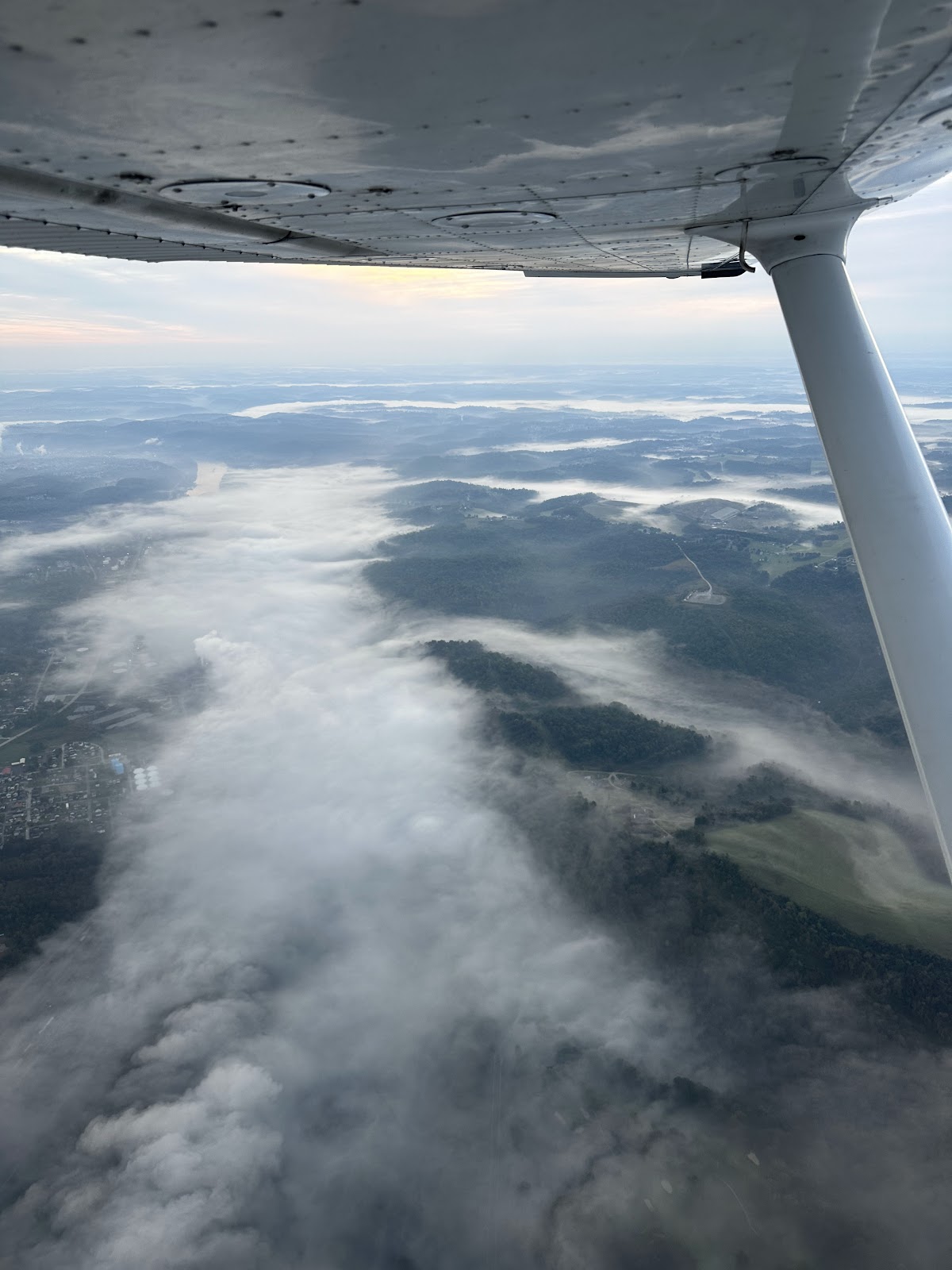
West Mifflin, PA · KAGC
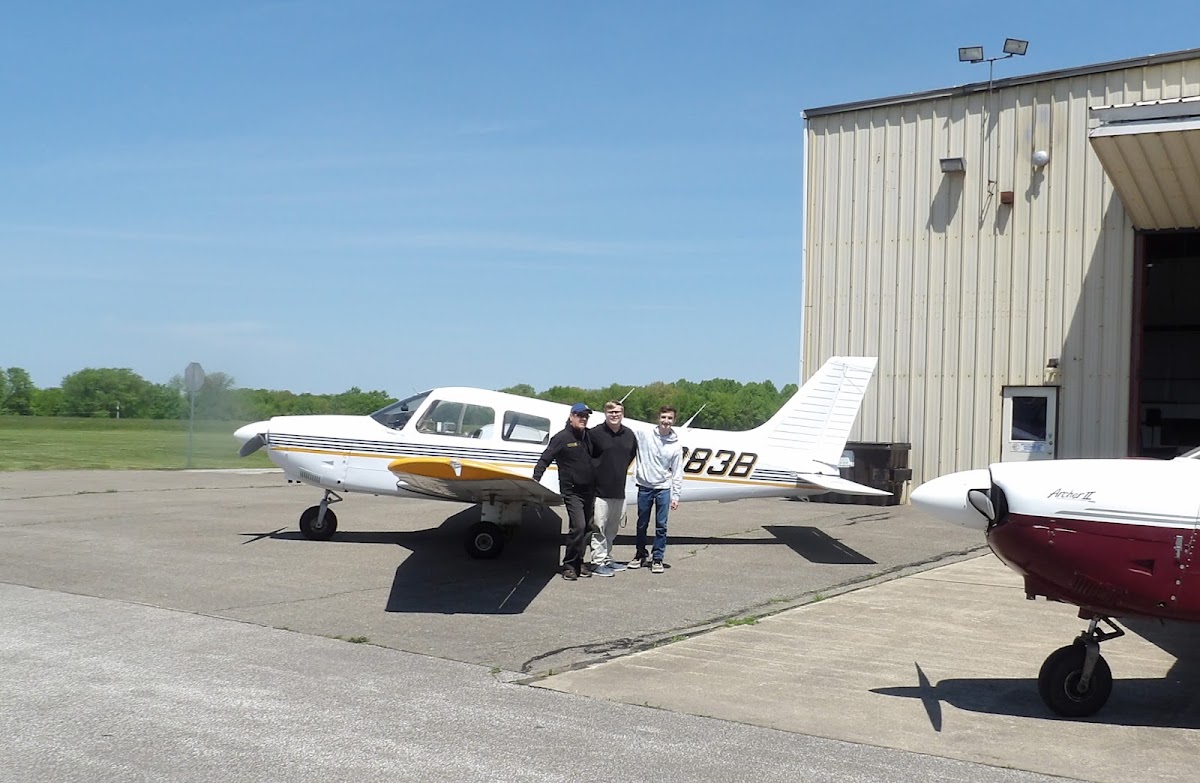
Meadville, PA · KGKJ
Blue Bell, PA · KLOM
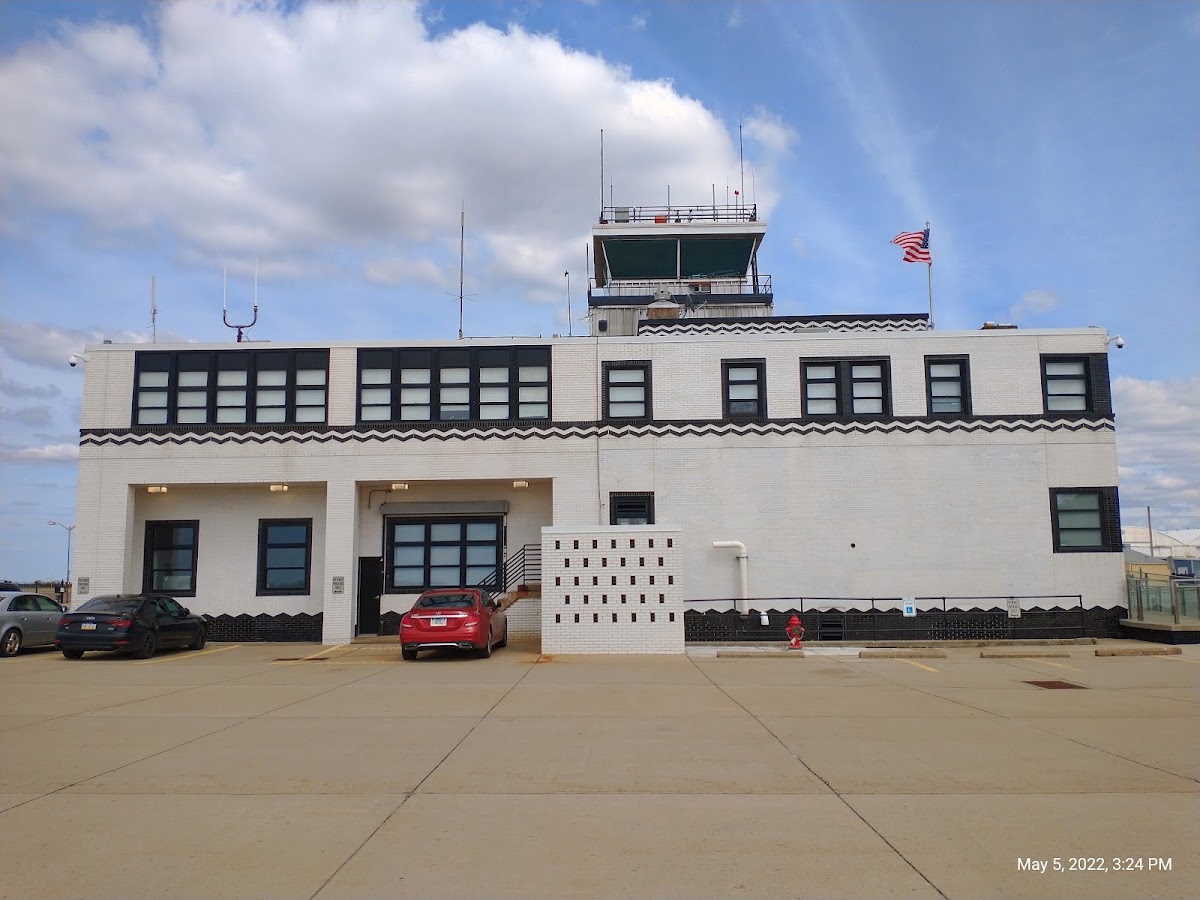
West Mifflin, PA · KAGC
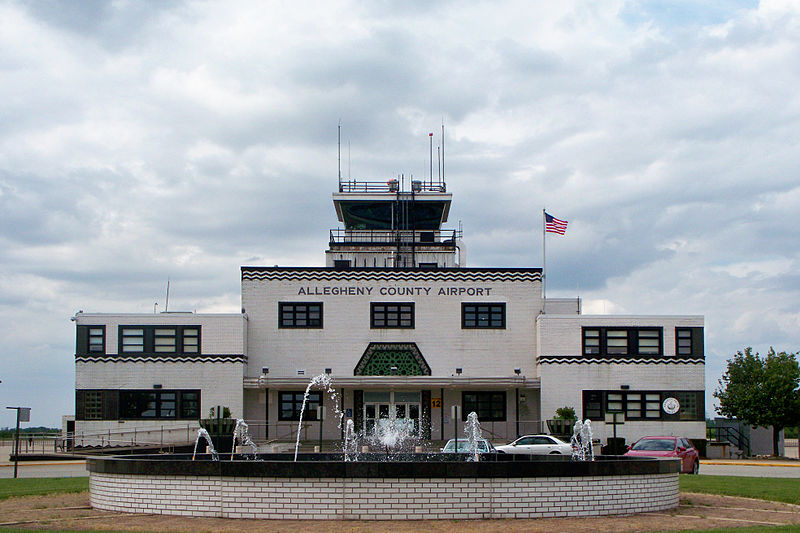
West Mifflin, PA · KAGC
Pittsburgh, PA
Allentown, PA · KXLL
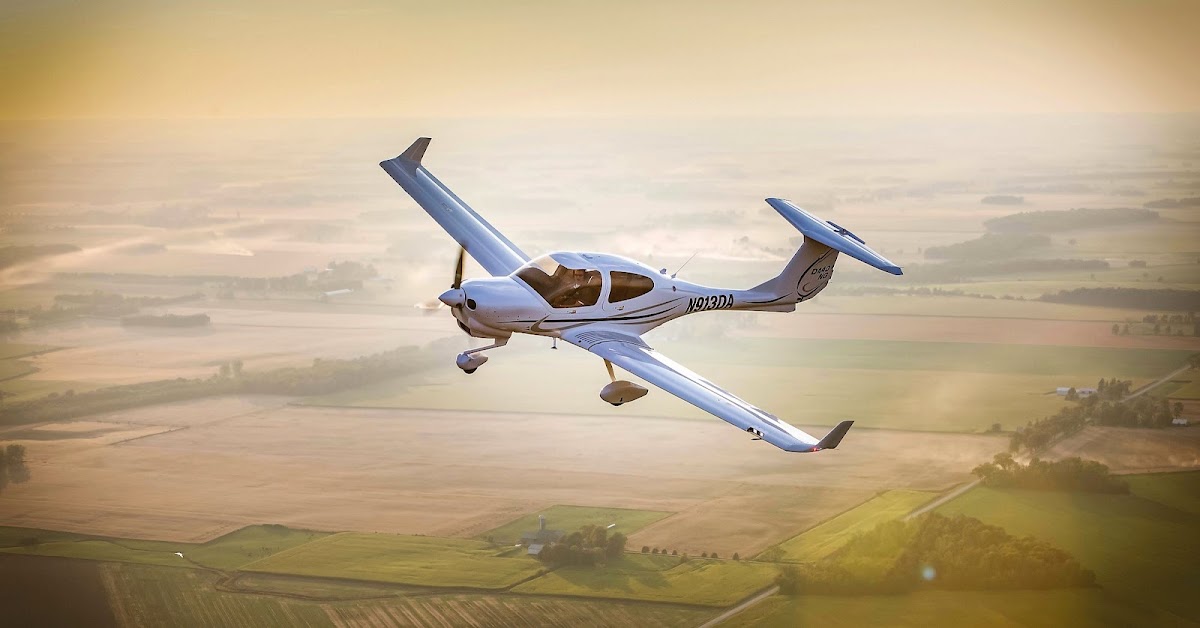
Allentown, PA · KABE
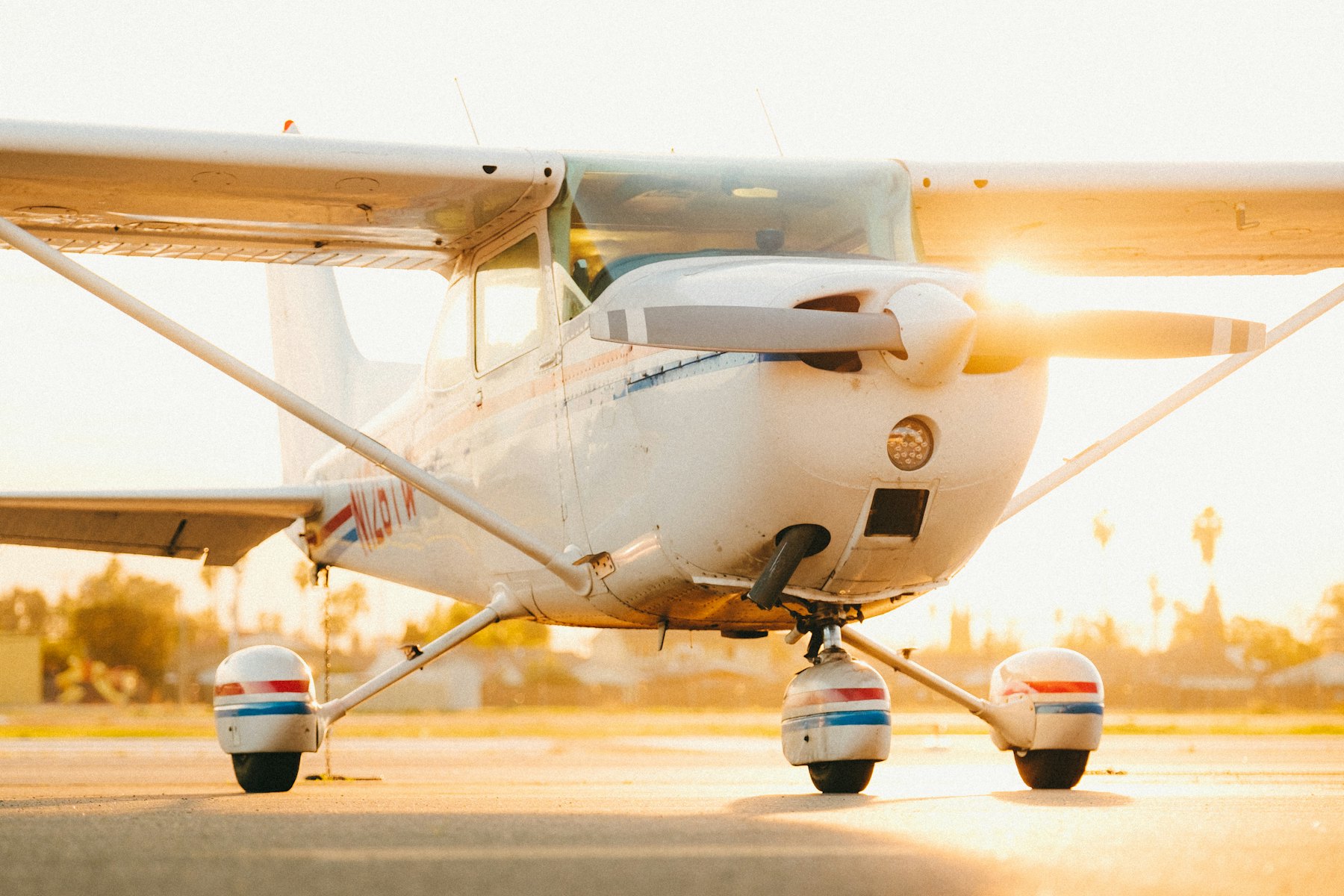
Johnstown, PA · KJST

Philadelphia, PA
Philadelphia, PA · KPNE
Pennsylvania makes you earn it. Four real seasons cross this state and each has its own way of taking a lesson off you: summer haze and afternoon storms, autumn wind, winter snow and ice, spring fronts on a schedule of their own. A student in Arizona will fly more days than you next year. True, and not the whole argument.
The rest of the argument is judgement. Learn somewhere the answer to "can we go today" is genuinely different every week and you get good at asking the question. You read forecasts because they matter. You find out what a lowering ceiling looks like from the cockpit, not a textbook. You cancel, and you learn that cancelling is a decision rather than a failure. Year-round VFR states turn out smooth stick and rudder pilots who have never had to make that call.
Terrain and airspace do the rest. Appalachian ridges through the middle and west, Philadelphia at one end, Pittsburgh at the other, quiet fields in between. Flight schools in Pennsylvania sit in all of it.
73 flight schools are listed across 40 cities in Pennsylvania, flying from 40 different airports. Between them they carry 1,568 reviews from students on Google, averaging 4.67 out of five. 22 schools hold a rating of 4.8 or better across at least ten reviews, which is the bar worth using when a five-star average rests on two people.
Fields with more than one school on them are worth knowing about: you can visit two or three in an afternoon and compare them properly instead of driving across the state twice.
Philadelphia 11 Allentown 6 West Mifflin 5 Lititz 4 Beaver Falls 3
Not every school teaches everything. These are the Pennsylvania schools that list training past the basic airplane certificate, which is where the state's geography tends to show: seaplane work follows the water, and mountain and tailwheel training follow the terrain.
Instrument Rating (IFR) 12 Airline Transport Pilot (ATP) 2 Helicopter 1
Ranked on Google rating, counting only schools with fifteen reviews or more. We take no payment for position; this is arithmetic on public review data, not an endorsement.
The best flying here happens in May and again from late September into October. Cool dense air, high ceilings, an engine that climbs like it means it, and a landscape worth a cross country for its own sake. Summer is warm, humid and hazy, with afternoon thunderstorms that fire along the ridges and drift east, so the morning slot is the reliable one here too. What the shoulder seasons cost you is wind. A crisp October day with a strong northwesterly behind a front is beautiful at altitude and a handful in the pattern, and exactly the day a low-time student should fly with an instructor.
West of Harrisburg the ground folds into long parallel ridges running southwest to northeast, and the air does specific things with them. Wind climbs the windward face and dives down the lee, and a strong steady flow can set the atmosphere downwind of a range oscillating as mountain wave. Glider pilots come to central Pennsylvania on purpose for that lift. In a training airplane the same air arrives as ridge turbulence, lee side sink you did not plan for, and rotor under the wave, which can be violent. Farther west the Allegheny Plateau adds valley airports ringed by higher ground. None of it is exotic and none of it is learned from a website. Fly it with somebody who flies it every week.
The northwest corner sits downwind of Lake Erie, and when cold air runs out across open water the snow bands set up over the same ground and stay there. Erie and the counties around it are in a real snow belt. That is a different problem from a passing storm: local, stubborn, and indifferent to the regional forecast. Elsewhere winter is ordinary, which still means frost off the wing before you go and preheating on the coldest mornings. Then there is the light. In December the sun is gone by late afternoon, which deletes the after-work lesson for most of the winter. Move to weekend mornings, or use the dark for the night training the certificate requires.
Philadelphia carries Class B at one end of the state, Pittsburgh at the other, with Class C fields between them at Harrisburg, Allentown and Wilkes-Barre. Between and around all of it sits one of the better collections of quiet non-towered fields in the northeast. That layout is useful if you use it. Base yourself somewhere uncrowded, get real airborne time for your money, and you are still half an hour from controlled airspace. Go and use it. A pilot who has never talked to a busy tower has a gap, and it shows up on the day it is least welcome.
Yes, with interruptions you plan for rather than resent. Winter takes days at a time, more in the northwest snow belt than the southeast. Summer takes afternoons. Spring and autumn hand most of it back. The students who finish book more slots than they need and treat a cancellation as normal, rather than waiting for a settled month that never arrives.
It can, and the reason is continuity rather than the hourly rate. A month of cancellations means the next lesson opens with review instead of progress, and review is billable. So fly twice a week through the good seasons and get ahead of your own winter. The other drivers are ordinary: aircraft type, taxi and hold time at a towered field, and how much ground study you do on your own time. Ask local schools for written quotes rather than a national figure.
No rule requires it, which is exactly why it catches people out. Ridge turbulence, lee sink and mountain wave are ordinary weather in the central and western counties on a windy day, and they behave in ways a flatland briefing never covers. Get a checkout with an instructor who flies that terrain regularly before you take passengers into a valley field. Mountain flying instruction in Pennsylvania is worth it even if you never base there.
It is a slower place to build hours and not a worse place to build a pilot. The requirements do not change at the state line: an instrument rating, a commercial certificate, and for most airline jobs the experience needed to hold an ATP. What this state adds is a logbook full of real go and no-go decisions. The instrument rating is close to mandatory here if you want to keep flying through the grey half of the year. Read the path from first lesson to airline before you sign anything.
Text size
Contrast and legibility
Motion
These are display preferences saved to this browser. They do not replace your operating system or browser accessibility settings, which this site also respects. If something here does not work with your assistive technology, our accessibility statement lists the known gaps and how to report a new one.