

Flight schools by state
Flight schools in Colorado
64 schools across 25 cities, with ratings and reviews from Google.
Schools across Colorado
Airplane College & university Simulator center
Montrose, CO · KMTJ
Western Colorado Flight Training
Englewood, CO · KAPA
Colorado's BEST Flight School
Aspen, CO · KASE
Aspen Flight Academy
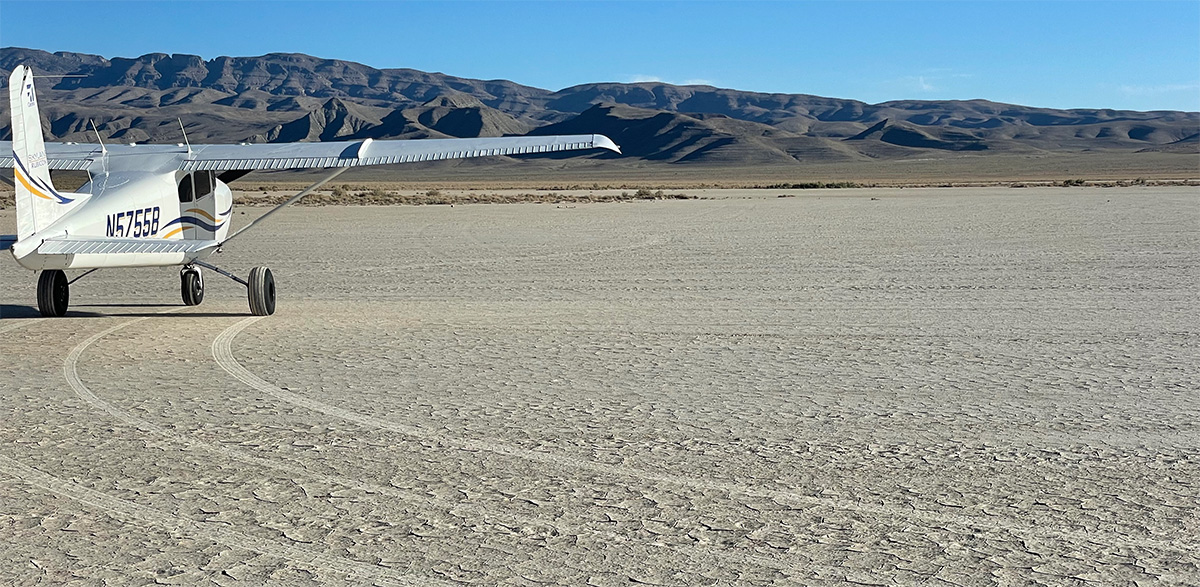
Gypsum, CO · KEGE
Alpine Flight Training
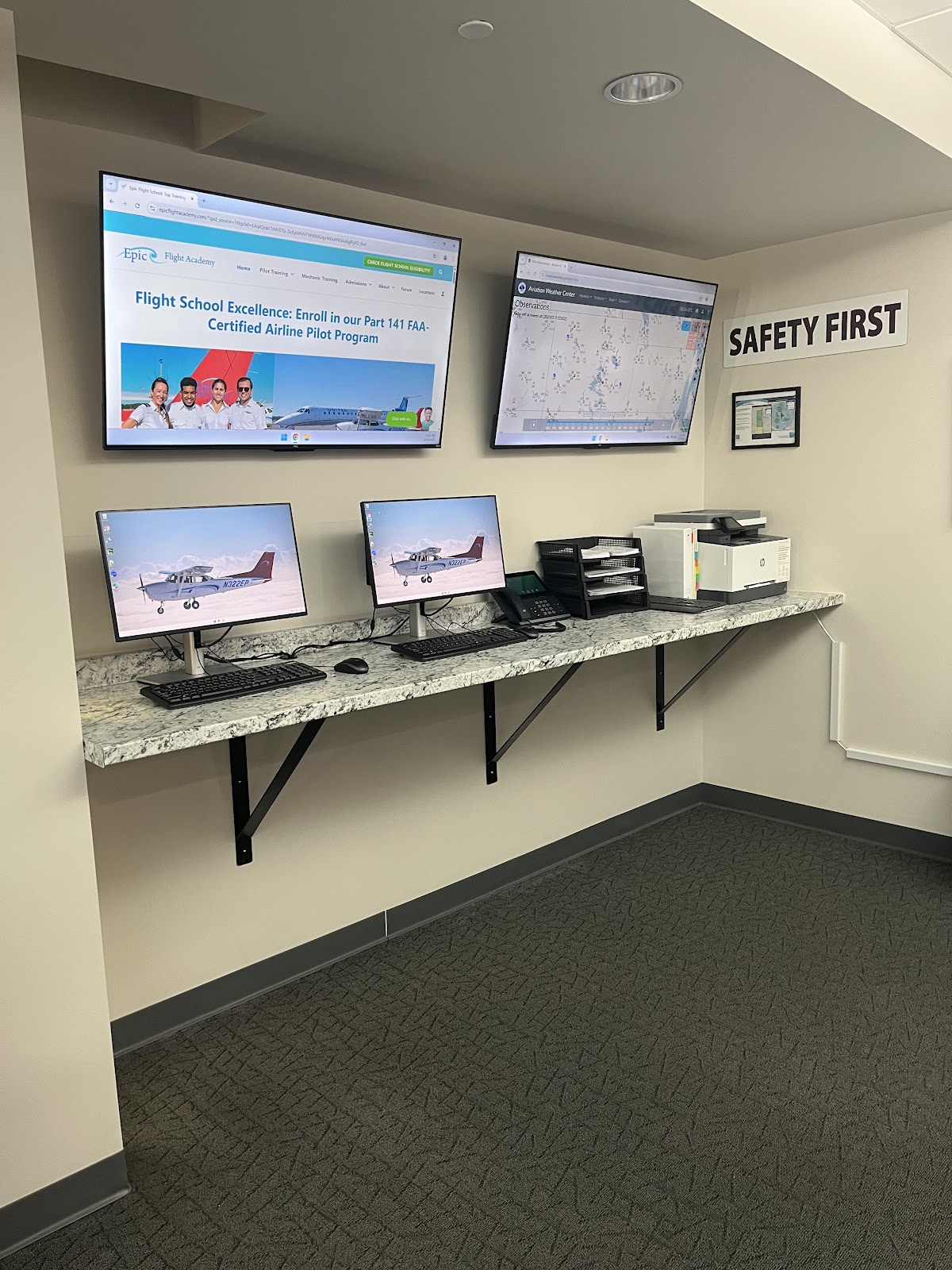
Englewood, CO · KAPA
Epic Flight Academy
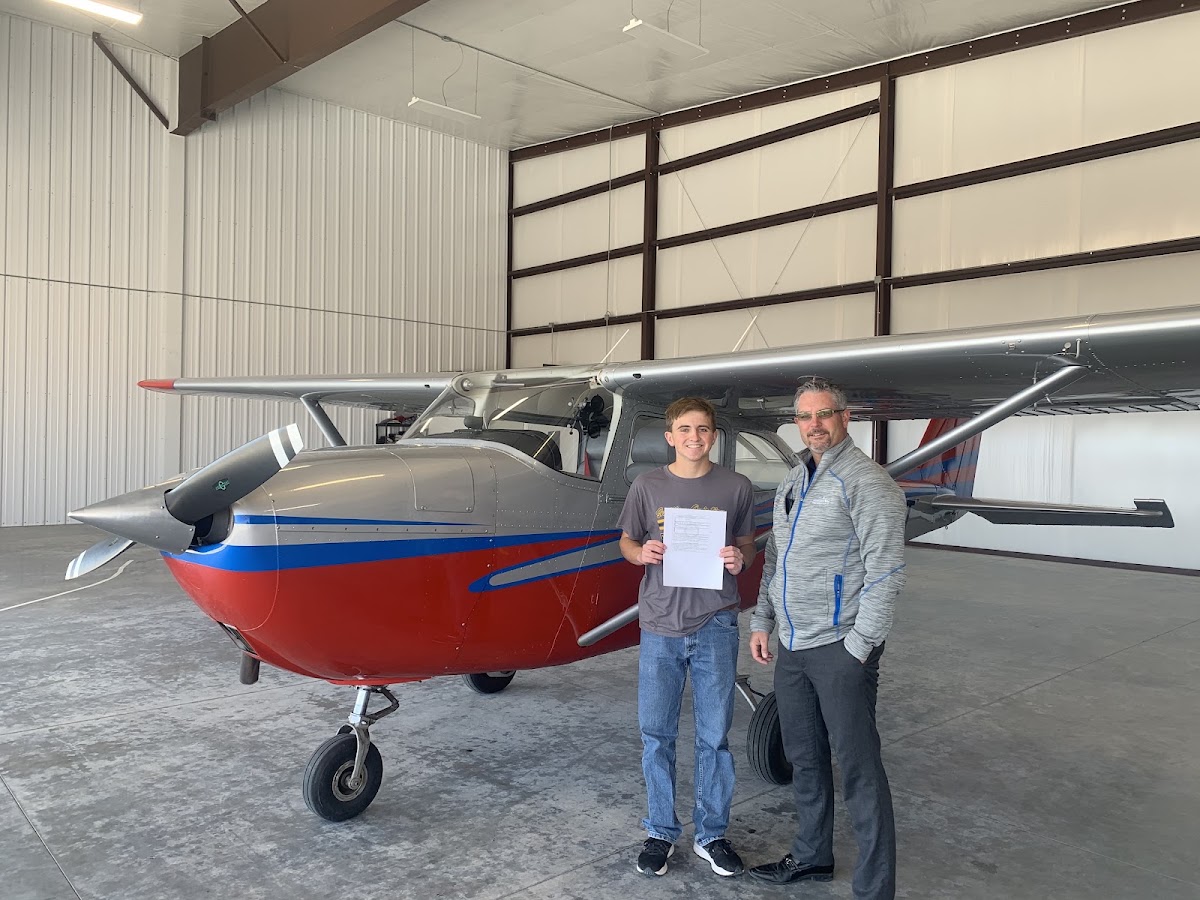
Delta, CO · KAJZ
Colorado Flight School
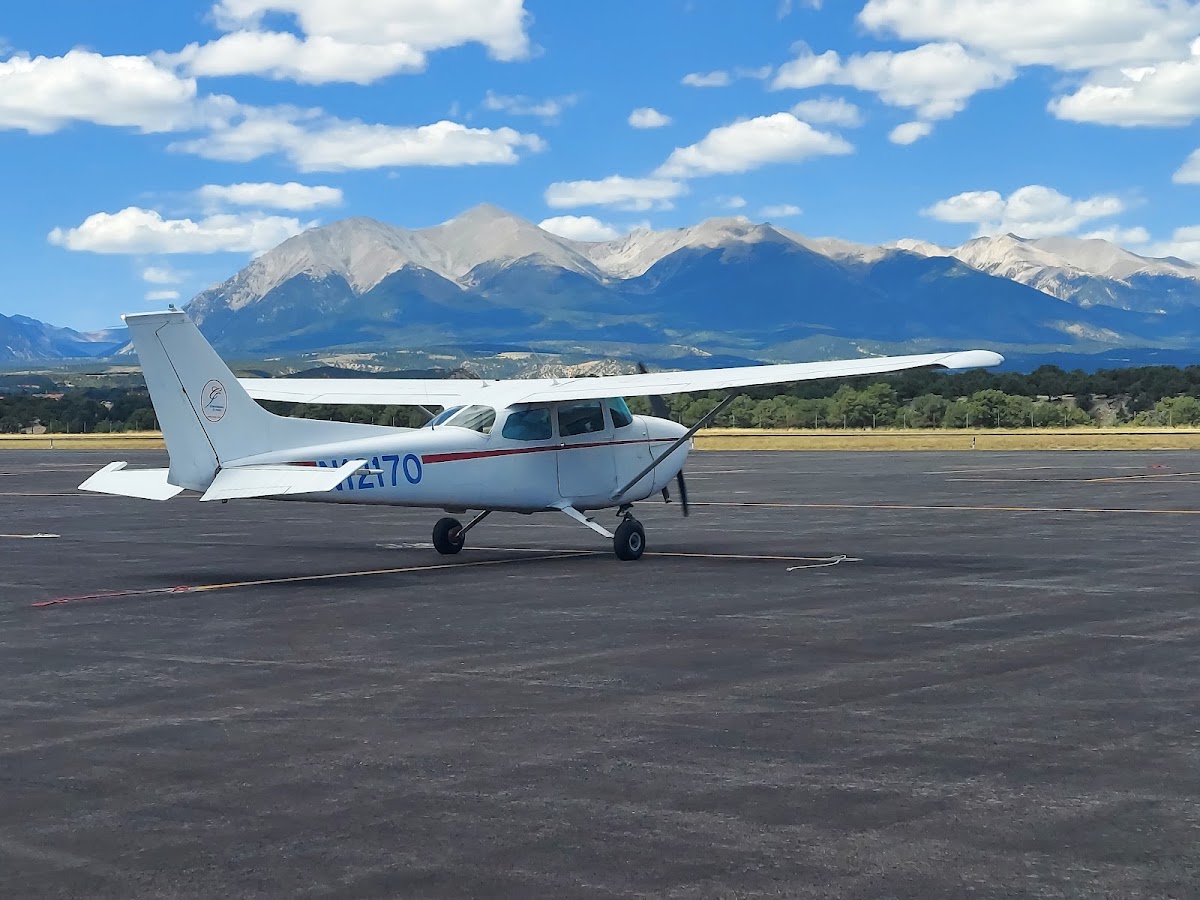
Salida, CO · KANK
Seven Peaks Aviation
Pueblo, CO · KPUB
Southern Colorado Flight Professionals LLC
Aurora, CO
Garhy Mohammad Aviation training
Colorado Springs, CO · KCOS
Arise Aviation
Aspen, CO · KASE
Fly Aspen
Colorado Springs, CO · KCOS
Rocky Mountain Flight Training Center
Broomfield, CO · KBJC
Simply Aviation
Englewood, CO · KAPA
Van Aviation Services
Colorado Springs, CO · KCOS
Colorado Backcountry Aviation, LLC
Fort Collins, CO · CO55
Mountain Flying Aviation Ltd
Denver, CO
Pan AM International Flight Academy
Colorado Springs, CO · KCOS
US Air Force Base Flight Train
Loveland, CO · KFNL
Leading Edge Flight Training
Greeley, CO · KGXY
Summit Flight Training
Pueblo, CO · KPUB
Doss Aviation
Watkins, CO · KCFO
Western Air Flight Academy at KCFO
Air Force Academy, CO · KAFF
94th Flying Training Squadron
Centennial, CO · KAPA
Flights Inc
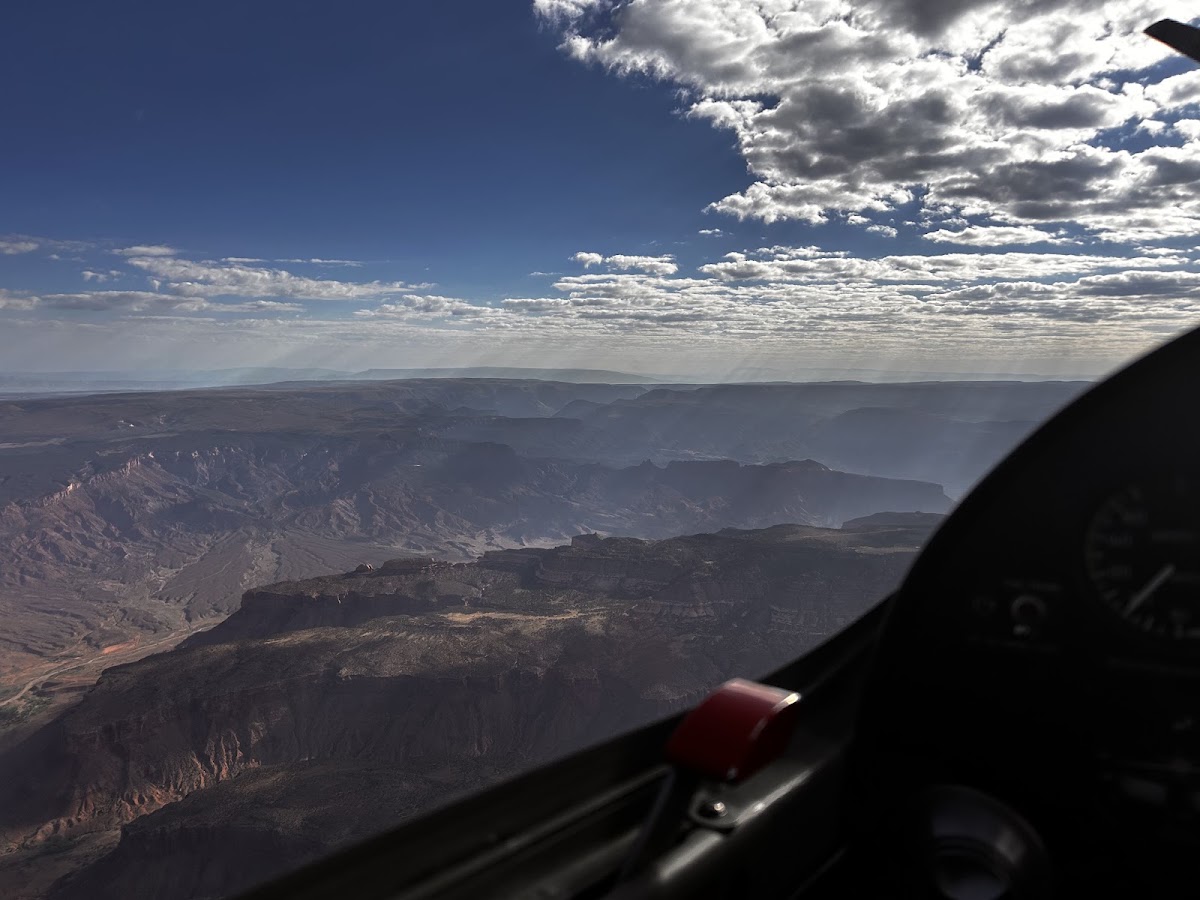
Grand Junction, CO · KGJT
Colorado Flight Center
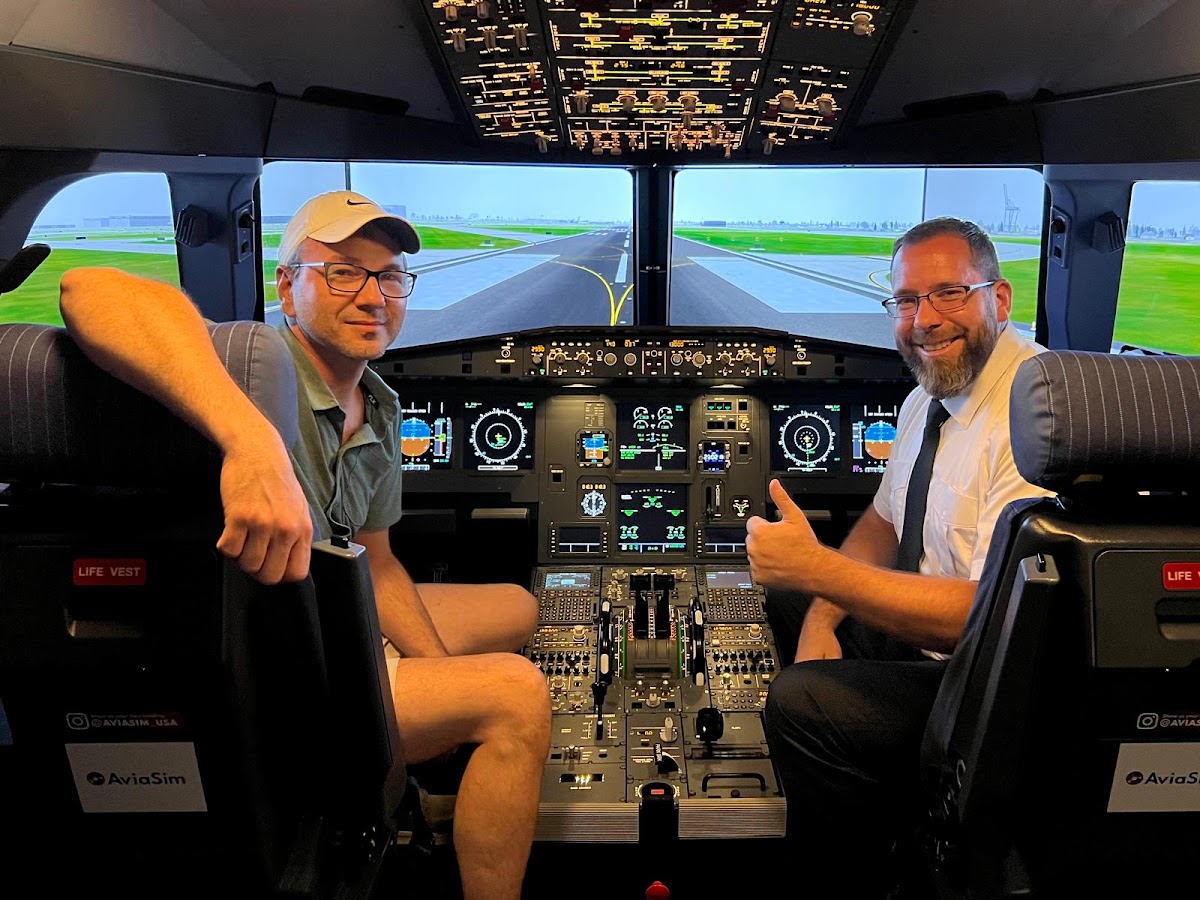
Denver, CO
AviaSim Denver - Flight Simulators
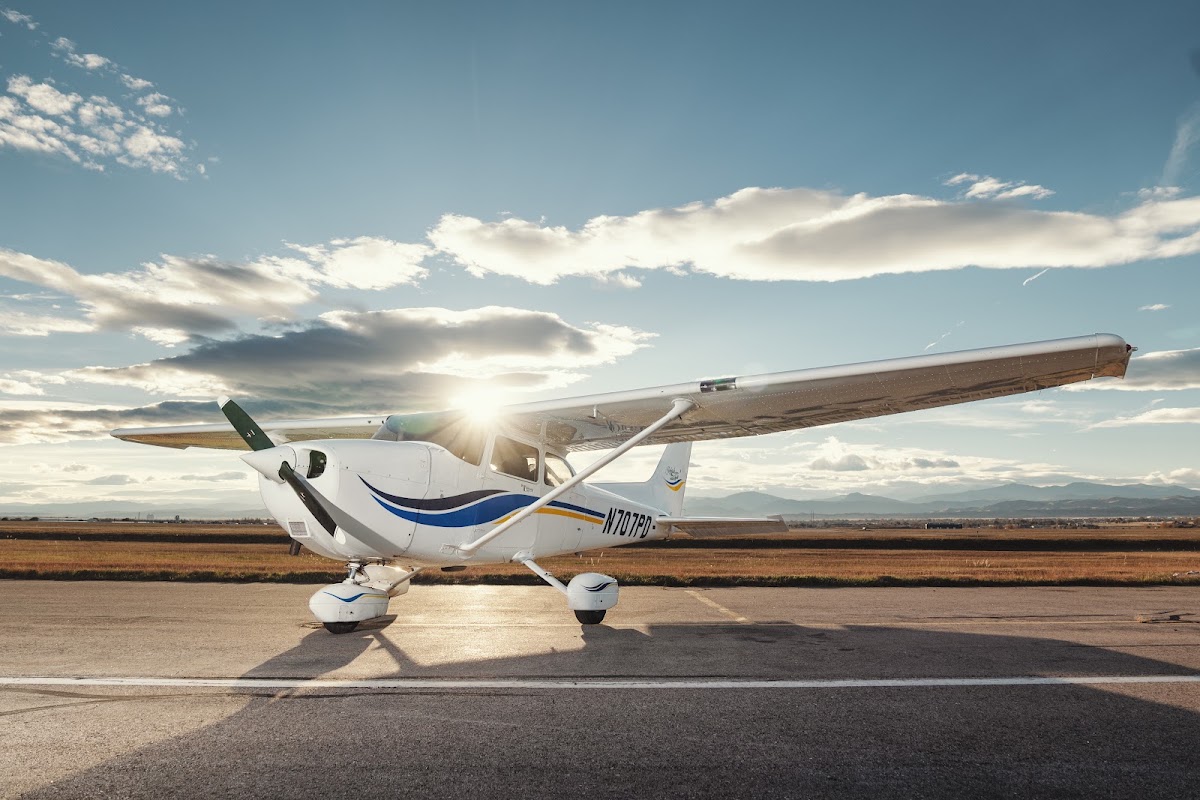
Loveland, CO · KFNL
The Flying School (Powered by AFI)
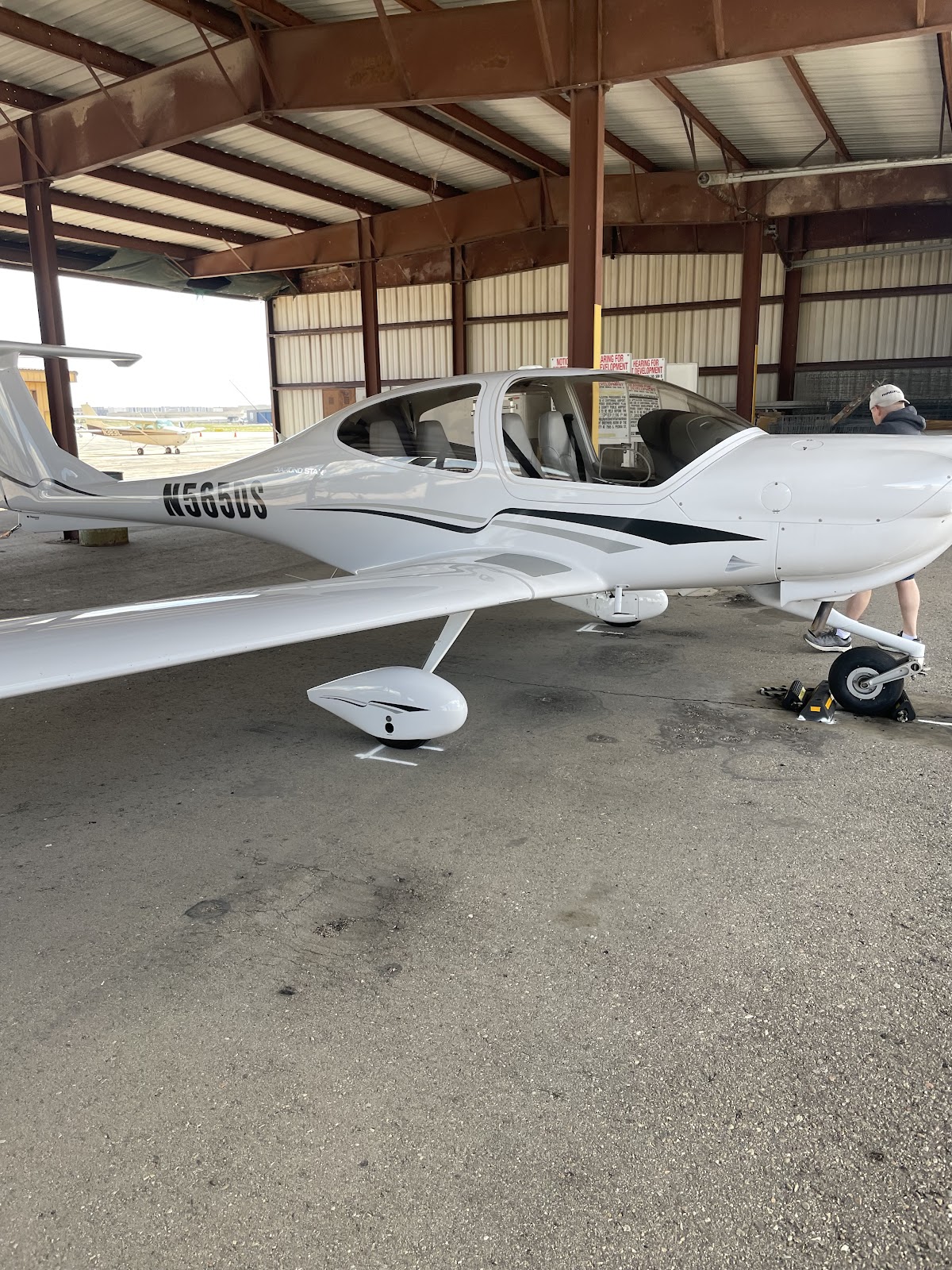
Englewood, CO · KAPA
Centennial Flyers
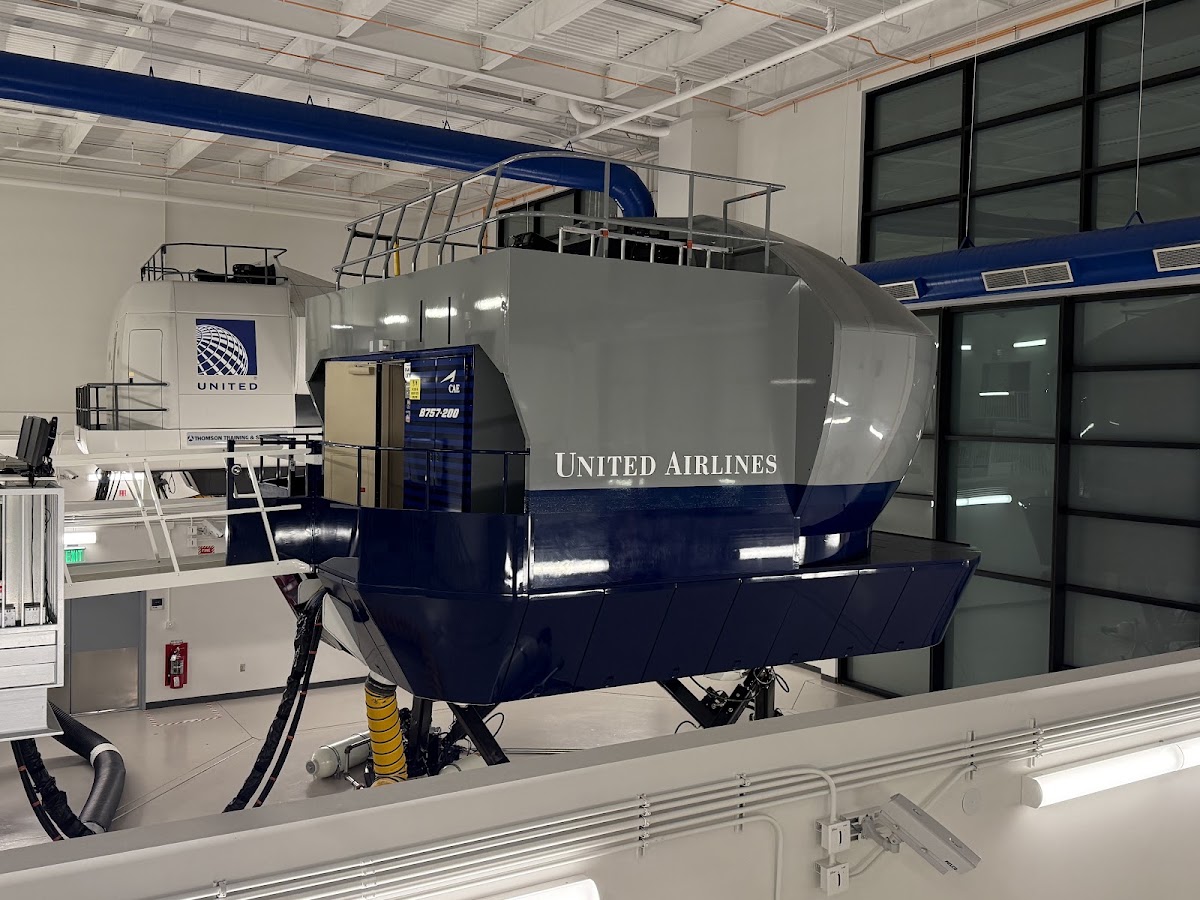
Denver, CO
United Airlines Flight Training Center
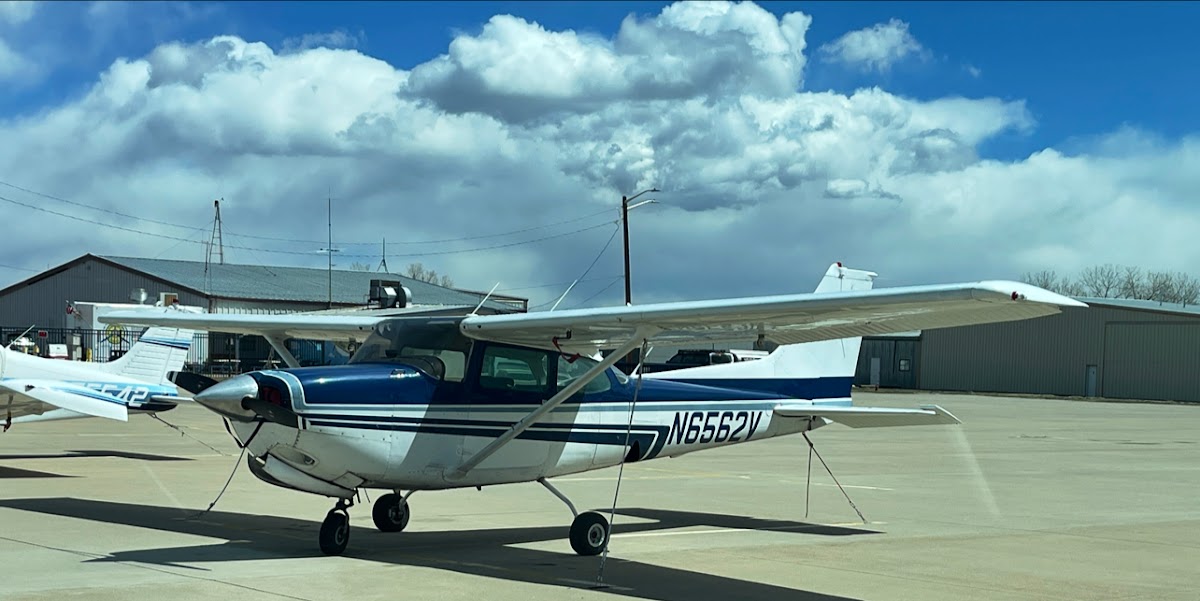
Longmont, CO · KLMO
Aero-Sphere Flight Simulation
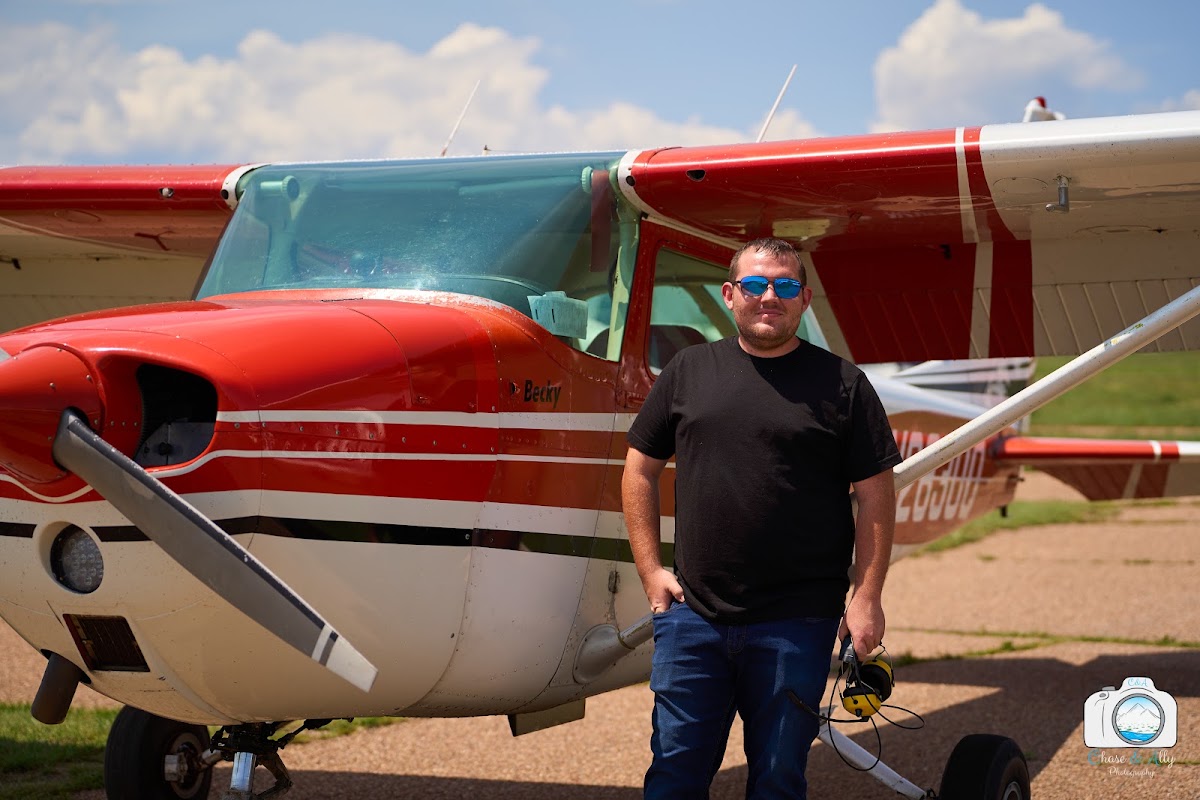
El Paso County, CO · KFLY
Springs Aviation
Colorado Springs, CO · KCOS
Direct Connect Flight Academy
Centennial, CO · KAPA
Independence Aviation, LLC
Centennial, CO · KAPA
Air Training Support
Peyton, CO · KFLY
The Flight School at Colorado Springs
Delta, CO · KAJZ
Colorado Flight School
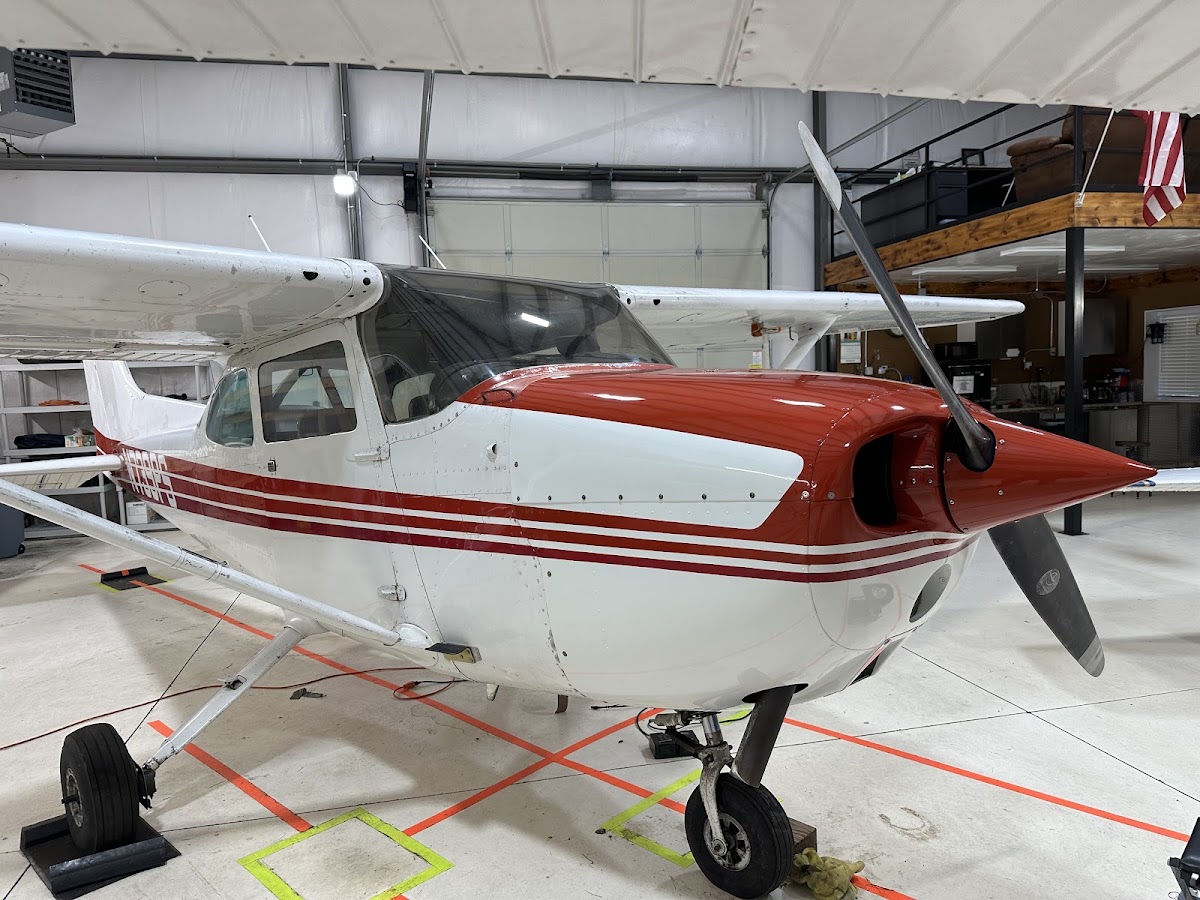
Durango, CO · K00C
DarkHorse Aviation Flight School
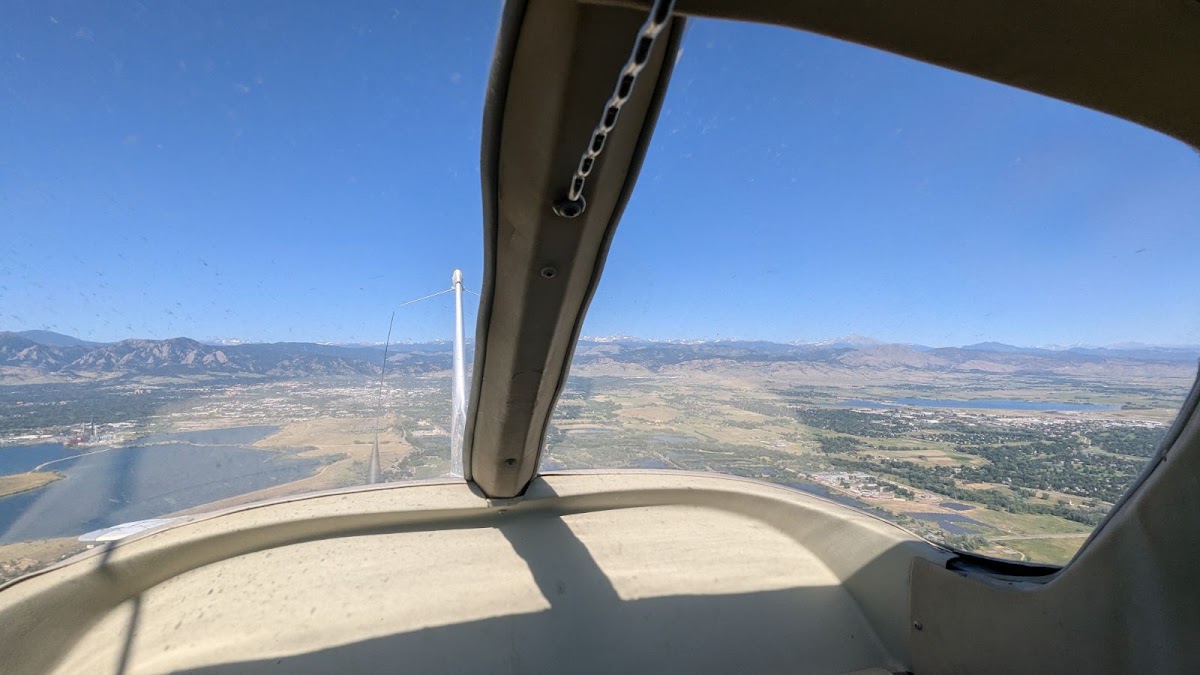
Boulder, CO · KBDU
Journeys Aviation Inc
Watkins, CO · KCFO
Front Range Flight School
Denver, CO
FlightSafety International
Colorado Springs, CO · KCOS
Peak Aviation
Denver, CO
Flight Training International Inc
Broomfield, CO · KBJC
Western Air Flight Academy
Colorado Springs, CO · KCOS
Arapahoe Flight Club
Longmont, CO · KLMO
Elite Aviation
Colorado Springs, CO · KCOS
ATP Flight School
Broomfield, CO · KBJC
Spartan College of Aeronautics and Technology - Broomfield Campus
Centennial, CO · KAPA
Aspen Flying Club
Broomfield, CO · KBJC
McAir Aviation - Broomfield
Broomfield, CO · KBJC
Rocky Mountain Flight School
Loveland, CO · KFNL
Aims Community College Flight Training Center
Air Force Academy, CO · KAFF
USAF Academy Flight Training Center
Erie, CO · KEIK
Vector Air
Englewood, CO · KAPA
ATP Flight School
Denver, CO
Metropolitan State University of Denver
Broomfield, CO · KBJC
ATP Flight School
Boulder, CO · KBDU
Specialty Flight Training, Inc.
Loveland, CO · KFNL
ATP Flight School
Fort Carson, CO
Embry-Riddle Aeronautical University - Colorado Springs
Denver, CO · KDEN
FlightSafety Services Corporation
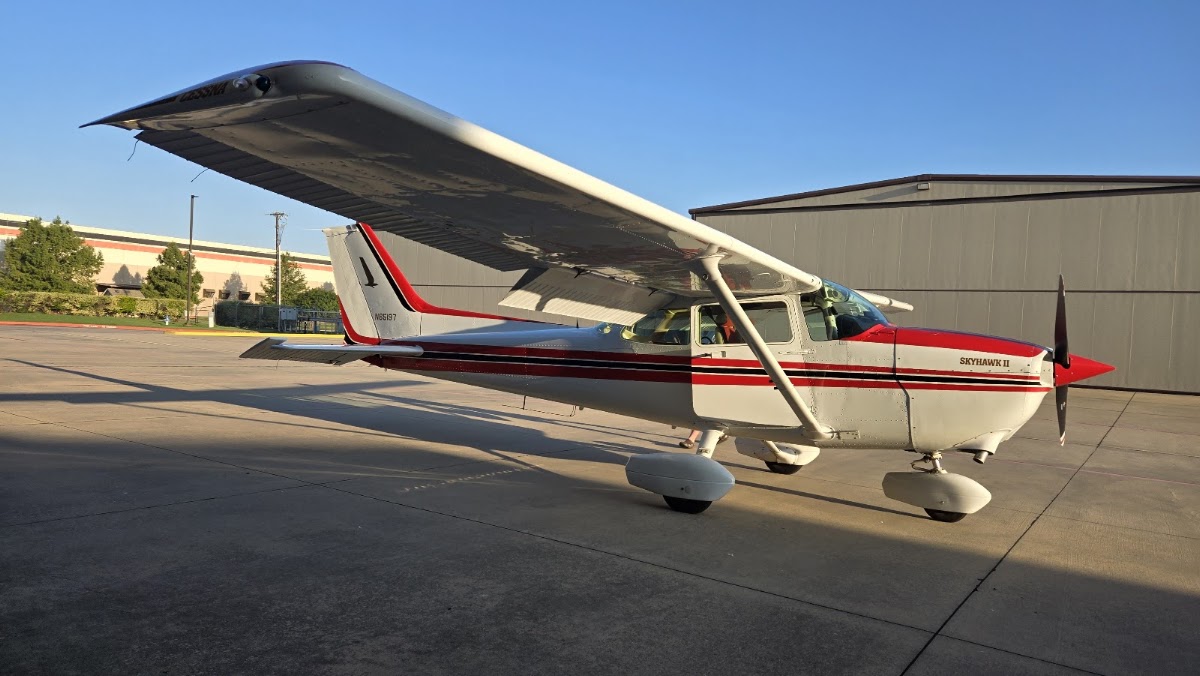
Loveland, CO · KFNL
Mach 1 Flight Training
Denver, CO
Songbird Aviation of Colorado, L.L.C.
Learning to fly in Colorado
Most students meet density altitude on a chart. In Colorado you meet it on the runway. Field elevations along the Front Range sit a mile or more above sea level before the temperature adds anything, and the trainer you are renting was tested in thicker air than this. The field elevation sign is where your planning starts, not where it ends.
The weather pays you back for the arithmetic. Colorado runs dry, sunny and clear most of the year, and winter here is often the best air a low-time pilot will ever touch. Summer asks more. Afternoons heat up, the air thins further, and over the mountains the wind and the buildups arrive on a schedule you could set a watch by.
Flight schools in Colorado cluster along the corridor from Fort Collins through Denver to Colorado Springs, with smaller fields on the eastern plains and the Western Slope.
Where training happens in Colorado
64 flight schools are listed across 25 cities in Colorado, flying from 21 different airports. Between them they carry 2,274 reviews from students on Google, averaging 4.62 out of five. 10 schools hold a rating of 4.8 or better across at least ten reviews, which is the bar worth using when a five-star average rests on two people.
Busiest training airports
Fields with more than one school on them are worth knowing about: you can visit two or three in an afternoon and compare them properly instead of driving across the state twice.
- Centennial Airport (KAPA) Denver
- City of Colorado Springs Municipal Airport (KCOS) Colorado Springs
- Rocky Mountain Metropolitan Airport (KBJC) Denver
- Northern Colorado Regional Airport (KFNL) Loveland
- Animas Air Park (K00C) Durango
- Aspen-Pitkin County Airport (Sardy Field) (KASE) Aspen
Cities with the most choice
Denver 9 Colorado Springs 8 Broomfield 6 Englewood 5 Loveland 5
Beyond the private certificate
Not every school teaches everything. These are the Colorado schools that list training past the basic airplane certificate, which is where the state's geography tends to show: seaplane work follows the water, and mountain and tailwheel training follow the terrain.
Instrument Rating (IFR) 15 Airline Transport Pilot (ATP) 5
Rated highest by their own students
Ranked on Google rating, counting only schools with fifteen reviews or more. We take no payment for position; this is arithmetic on public review data, not an endorsement.
What to expect in Colorado
Thin air, and what it costs you
Density altitude is pressure altitude corrected for temperature, with humidity nudging it further. Put a Front Range field under a hot July afternoon and the wing is working with air from somewhere much higher. Three things follow. The takeoff roll gets longer. The climb gets weaker, sometimes a lot weaker. And you touch down at a higher groundspeed for the same indicated airspeed, so the landing roll stretches too. A normally aspirated engine makes less power as well, which is why your instructor will have you lean for takeoff instead of shoving the mixture full forward out of habit. Work the charts for the aircraft, weight and temperature you actually have.
Mountains, and the clock
Colorado is one of the few states where mountain flying is a real specialisation rather than a novelty, and the pilots who do it well are unromantic about it. Wind crossing a ridge sets up a wave downstream, rising on one side and sinking on the other, and the sink on the lee side can beat the climb rate of a loaded trainer. You do not out-muscle that. You stay out of it. Copy the other local habit too: fly early, and be tied down before the wind and the summer buildups get organised. Colorado schools that teach mountain flying run it as a course, and the state has a long tradition of mountain clinics. Take one before you cross the Divide.
Denver Class B and the fields underneath it
The Denver Class B sits over the middle of the state's population, and general aviation lives around its edges. Centennial, south of the city, is one of the busiest general aviation airports in the country. Rocky Mountain Metropolitan, Front Range, Boulder, Longmont and Greeley fill in the corridor. Colorado Springs adds Class C shared with military traffic at Peterson, and the Air Force Academy airfield north of it runs gliders and parachute operations in its own airspace. You learn shelf altitudes and radio discipline early here, because the alternative is staying home.
Winter is better than you expect
Cold air is dense air, and dense air is performance. On a clear January morning the trainer that felt tired in August gets off short and climbs like it means it, and Colorado delivers a lot of those days. Two things take days back. Daylight is short, so the after-work slot vanishes from December into February. And upslope storms east of the Divide dump heavy snow that closes fields and leaves aircraft buried for a day or three. Add preheating and frost removal, and you get a season that flies beautifully but rewards booking midday.
What it does to your habits
Here is the part that shows up on the checkride. A student trained near sea level can go a long way treating the performance section of the flight manual as homework nobody checks. A student trained in Colorado cannot, because the airplane audits the work on every departure. You learn to weigh the load, to read the temperature before you plan, to know what the climb looks like off a short runway with terrain past the end, and to say no on the days the numbers say no. Examiners notice. So do insurers.
Questions people ask about flying in Colorado
Do I need mountain training to learn to fly in Colorado?
Not for the private pilot certificate, and there is no FAA mountain endorsement to collect. Most Front Range training happens over the plains east of the foothills, and plenty of Colorado pilots finish without pointing the nose west. Crossing the Divide or landing at a mountain airport is a different question, and the answer is training with somebody who flies that terrain weekly. Your school or its insurer may require it regardless.
Summer or winter, which is the better time to start?
Winter, slightly, if your schedule is flexible. Dense air, clear days, an airplane that performs. You will lose the odd week to snow and you are working inside a narrow window of daylight. Summer gives you long evenings, but hot afternoons push the good lessons early. Either way, book the first slot of the day.
Will learning at high elevation hold me back at sea level?
No, and the transfer runs the easy direction. Take a Colorado-trained pilot to a low field and everything improves: shorter ground roll, stronger climb, more margin. What changes is the arithmetic and the mixture handling, both quick adjustments with an instructor beside you. The habits are what you keep. Study the theory alongside the flying with ground school.
Does training in Colorado cost more?
Ask about the drivers rather than a headline rate. Hangar and tiedown costs on the Front Range show up in what you are quoted. Fuel varies between fields inside one metro area. A busy towered airport adds taxi and hold time to every Hobbs hour. Some schools here fly more powerful or turbocharged aircraft because of the terrain, which costs more and buys margin you can use. Price the same syllabus at two or three.