
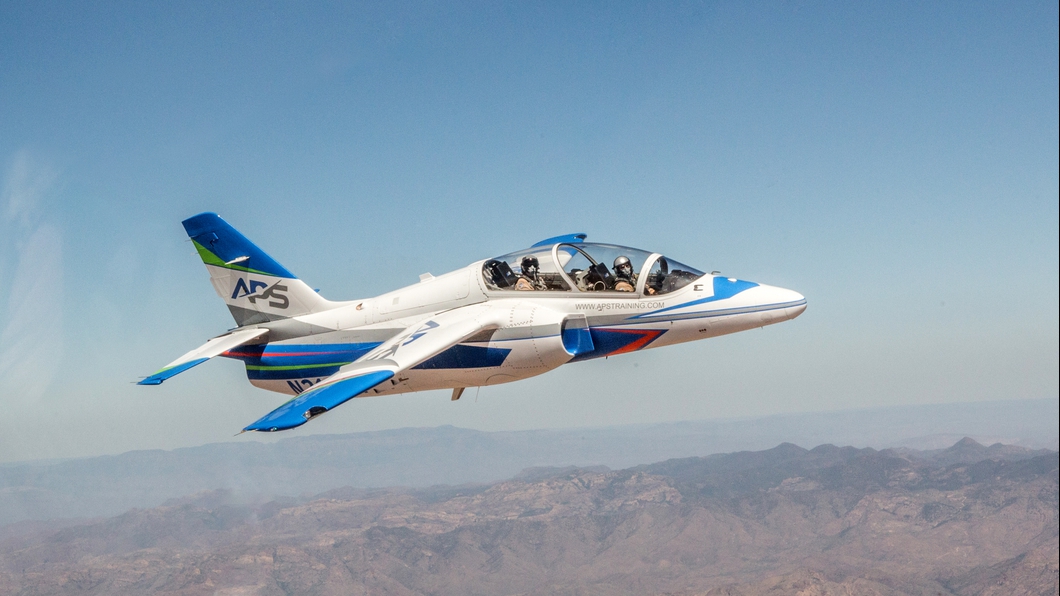
Mesa, AZ · KIWA

Flight schools by state
118 schools across 17 cities, with ratings and reviews from Google.
Airplane Helicopter College & university Simulator center
Mesa, AZ · KIWA
Phoenix, AZ · KPHX
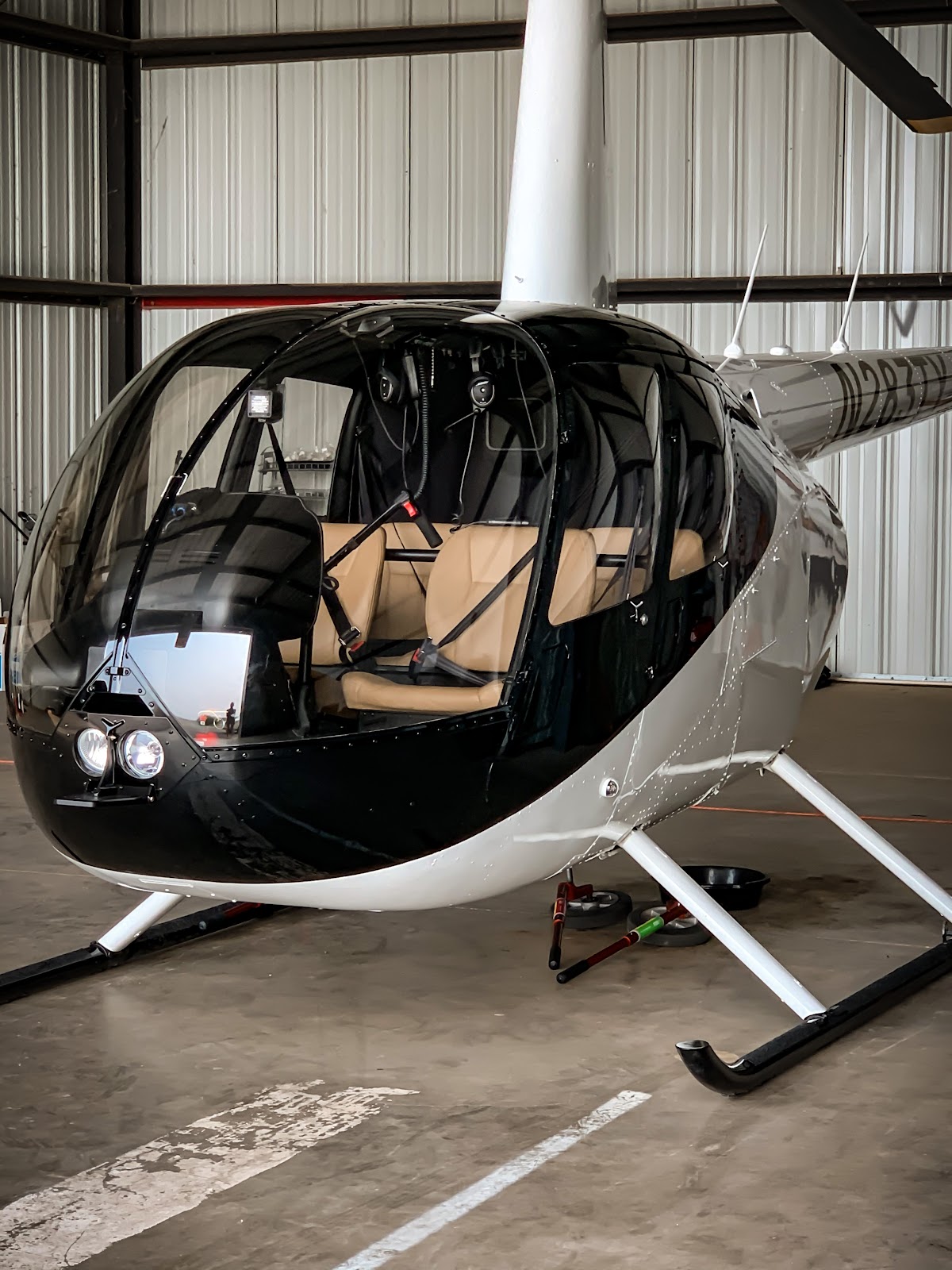
Tucson, AZ · KRYN
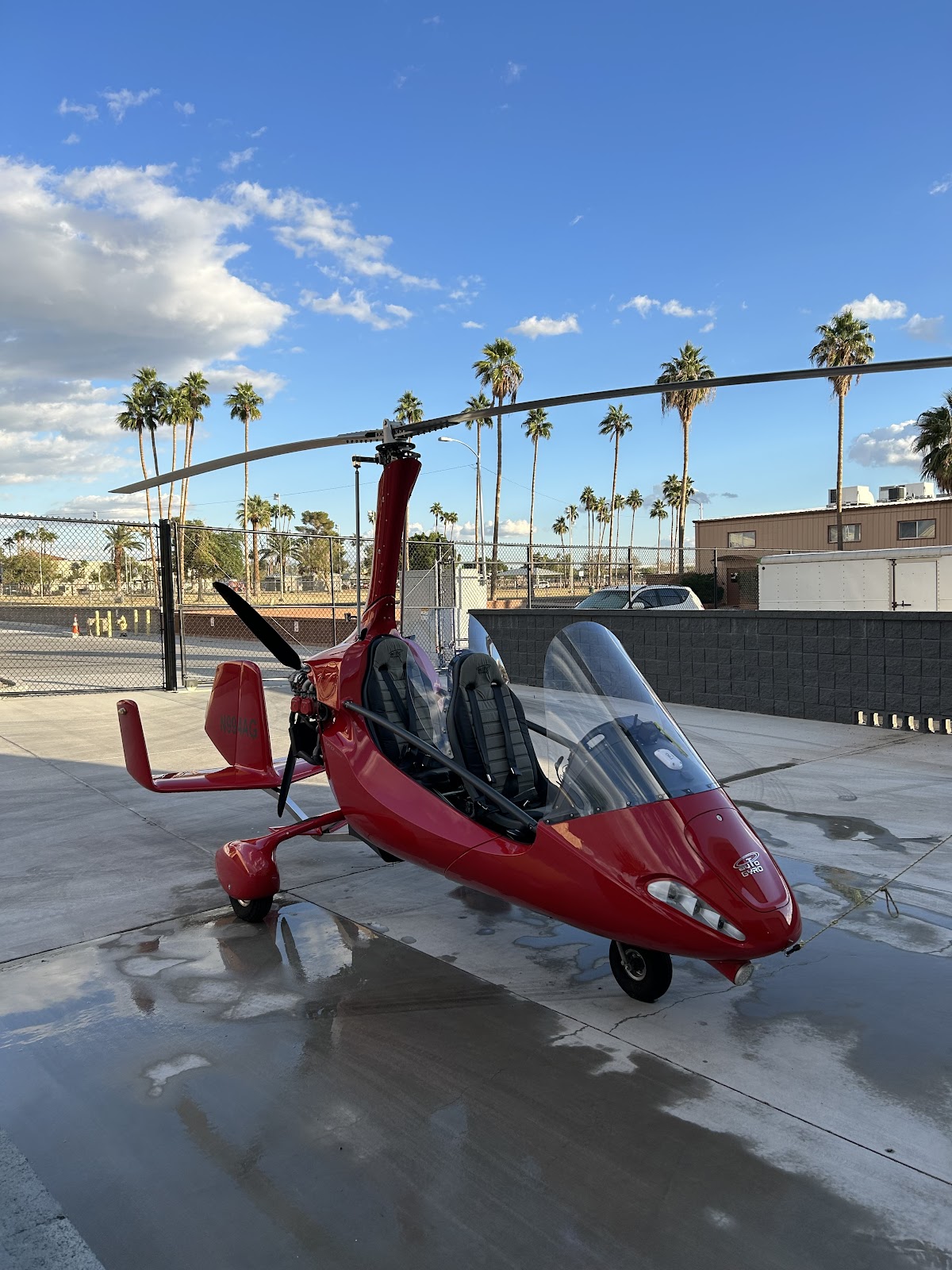
Mesa, AZ · KFFZ
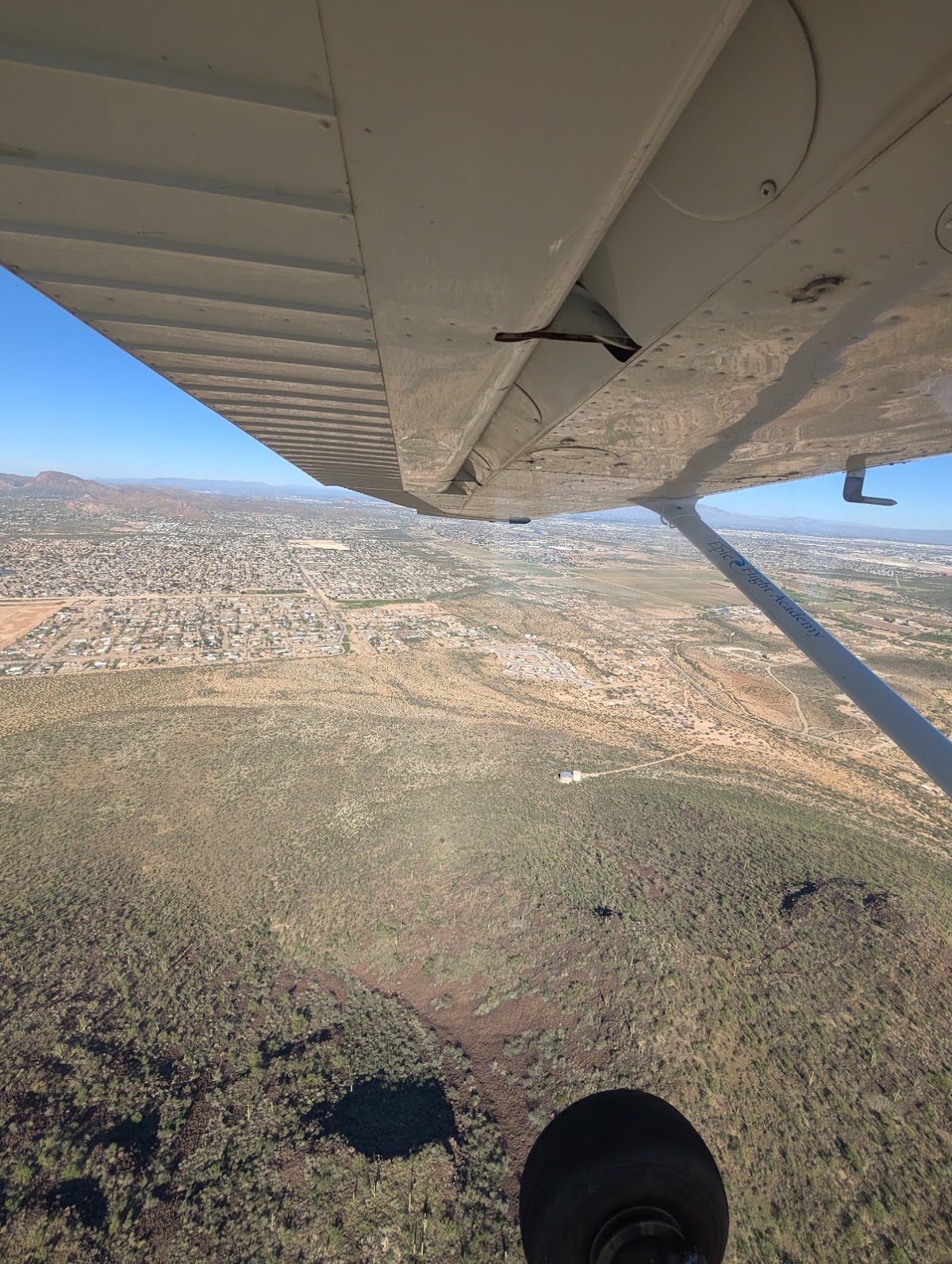
Tucson, AZ · KTUS
Scottsdale, AZ · KSDL
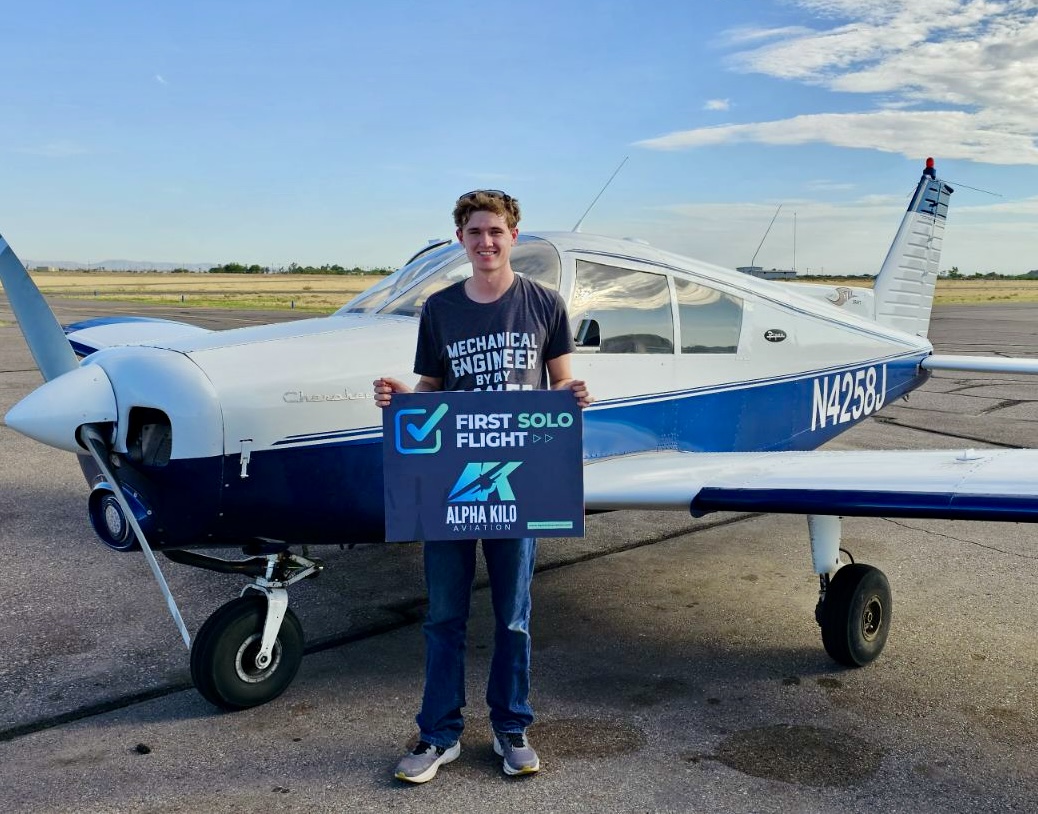
Maricopa, AZ · KA39
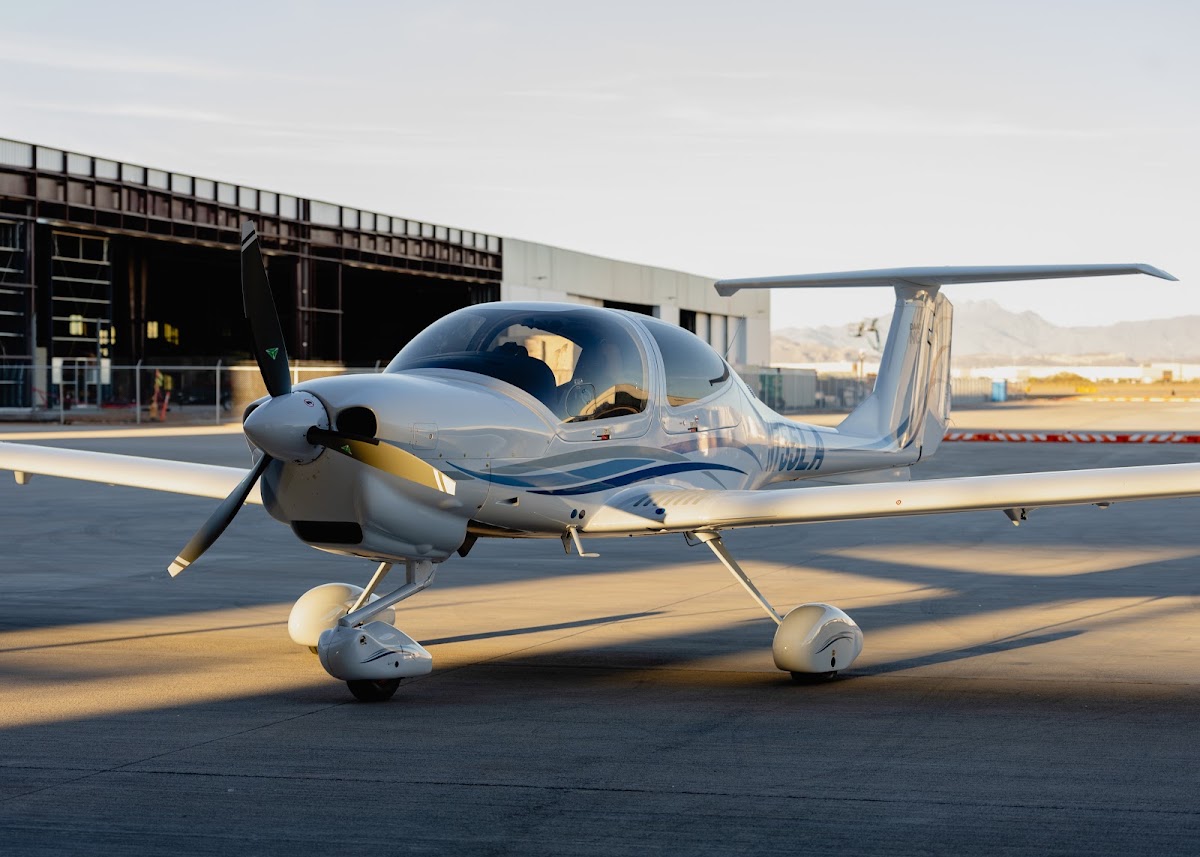
Mesa, AZ · KIWA
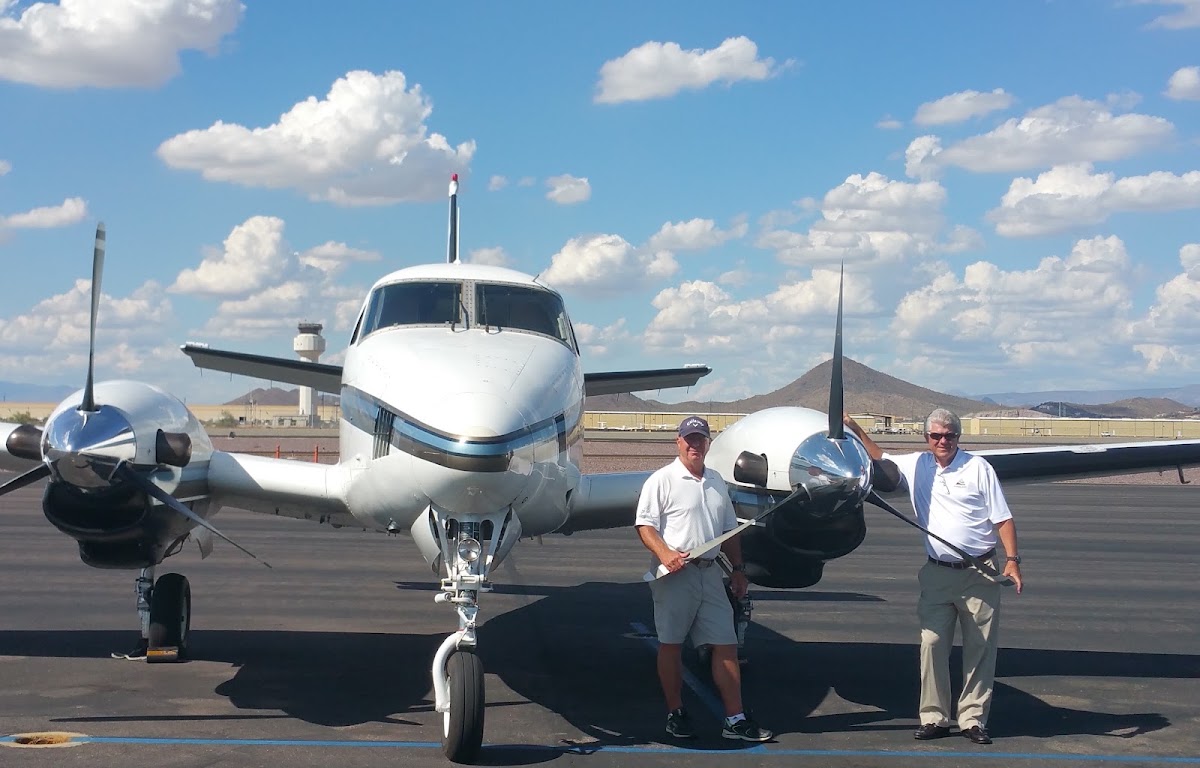
Phoenix, AZ · KDVT
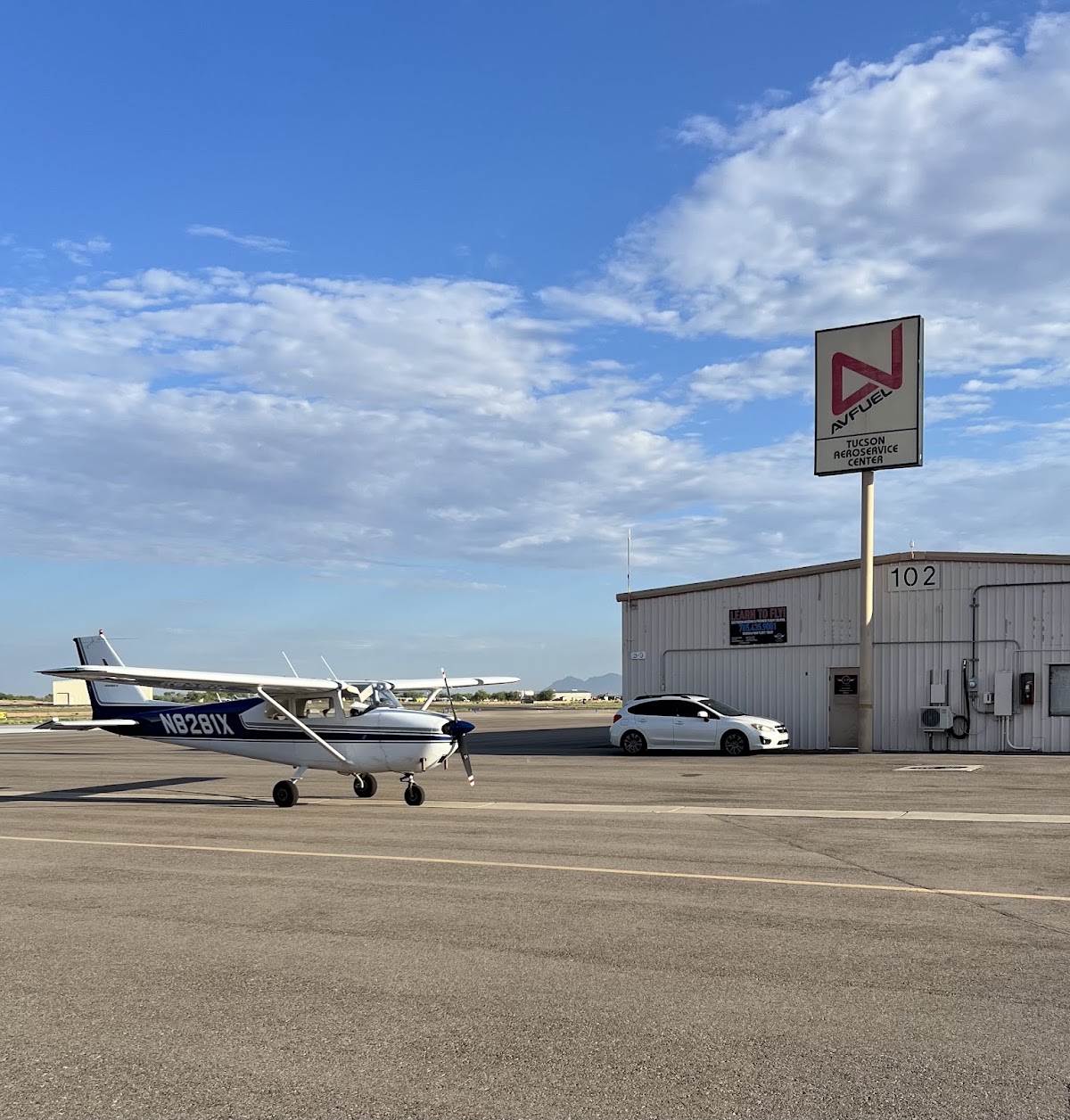
Marana, AZ · KAVQ

Phoenix, AZ

Mesa, AZ · KFFZ
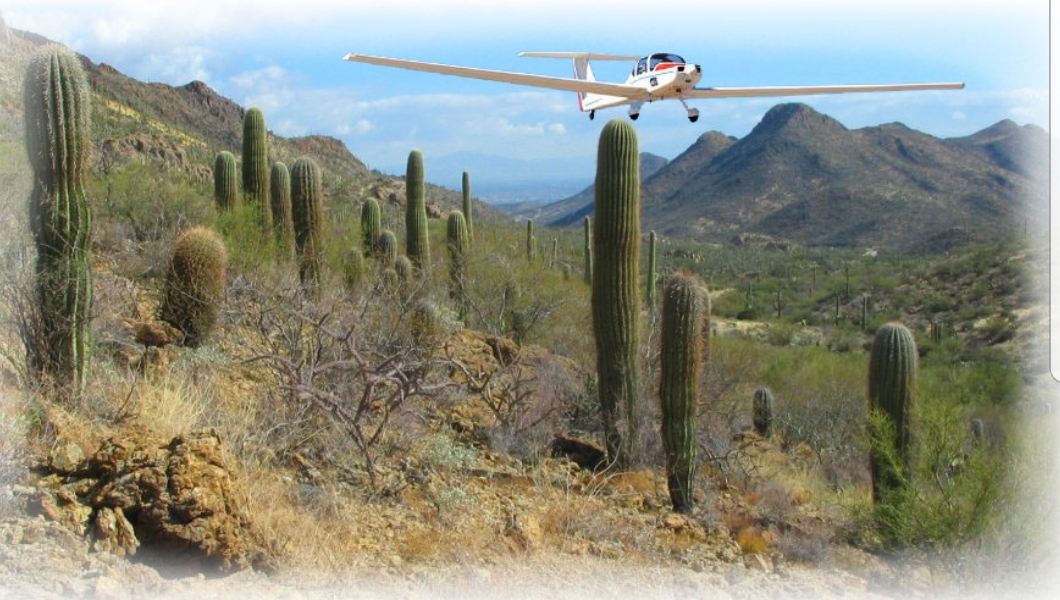
Tucson, AZ · KTUS
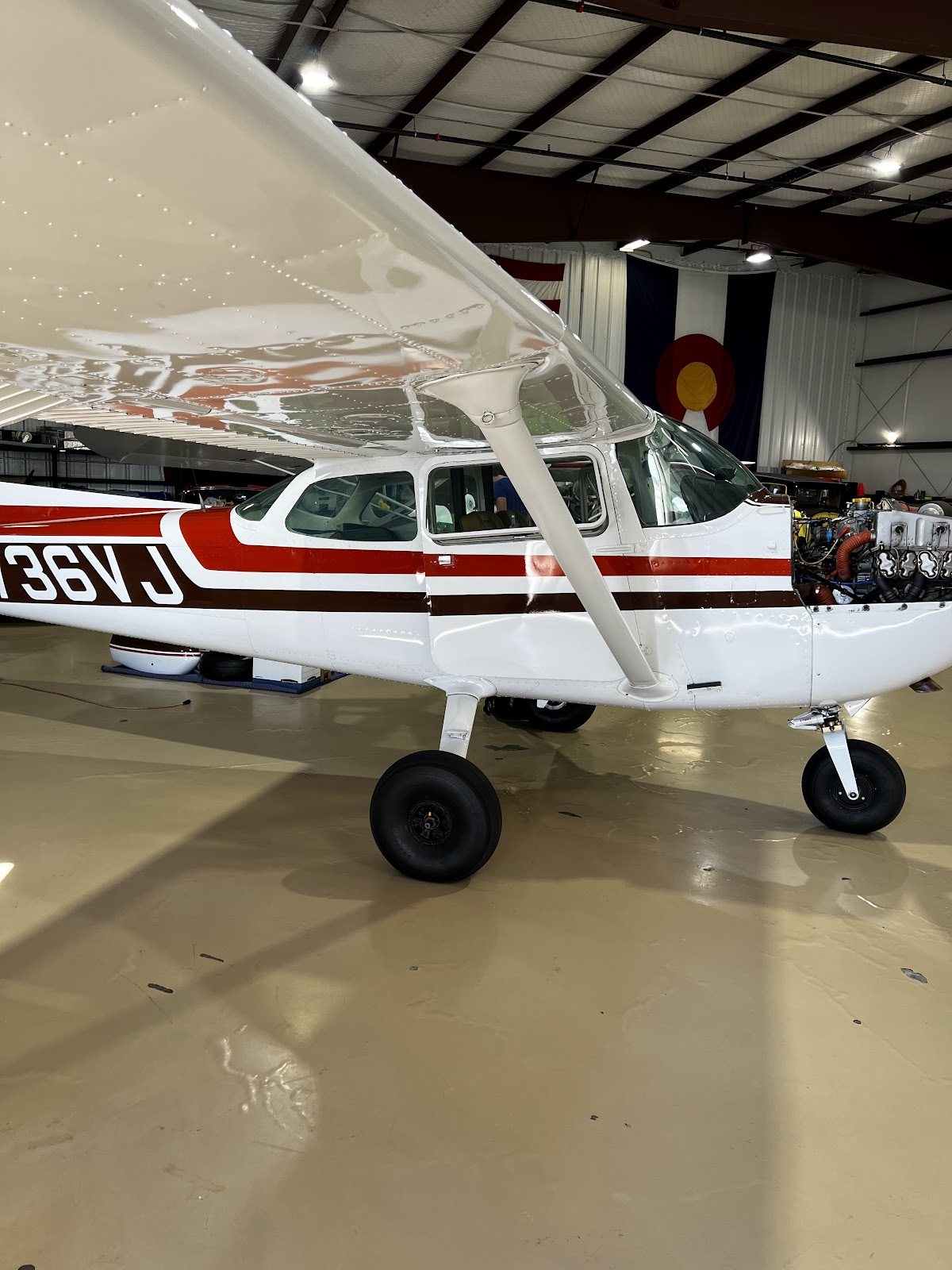
Lake Havasu City, AZ · KHII
Glendale, AZ · KGEU
Mesa, AZ · KFFZ
Tucson, AZ · KRYN
Prescott, AZ · KPRC
Chandler, AZ · KCHD
Prescott, AZ · KPRC

Chandler, AZ · KCHD
Scottsdale, AZ · KSDL
Glendale, AZ · KGEU
Chandler, AZ · KP19
Mesa, AZ · KFFZ
Scottsdale, AZ · KSDL
Chandler, AZ · KP19
Scottsdale, AZ · KSDL
Tucson, AZ · 57AZ
Chandler, AZ · KCHD
Mesa, AZ · KIWA
Scottsdale, AZ · KSDL
Mesa, AZ · KFFZ
Prescott, AZ · KPRC
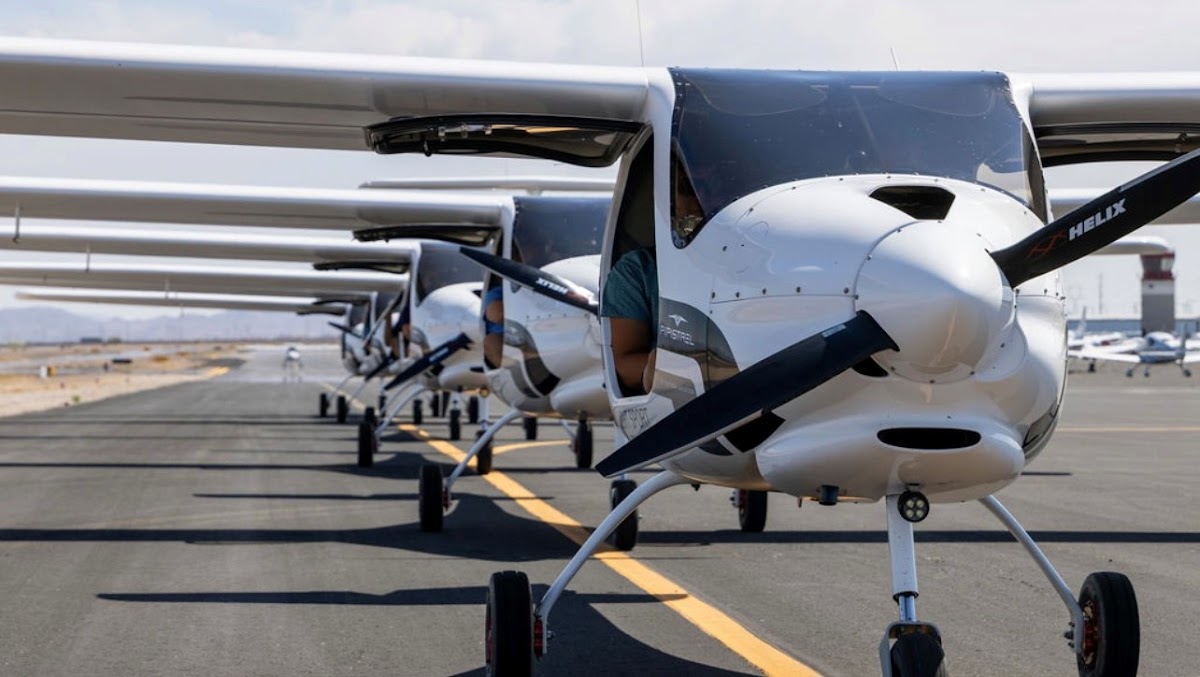
Glendale, AZ · KGEU
Prescott, AZ · KPRC
Mesa, AZ
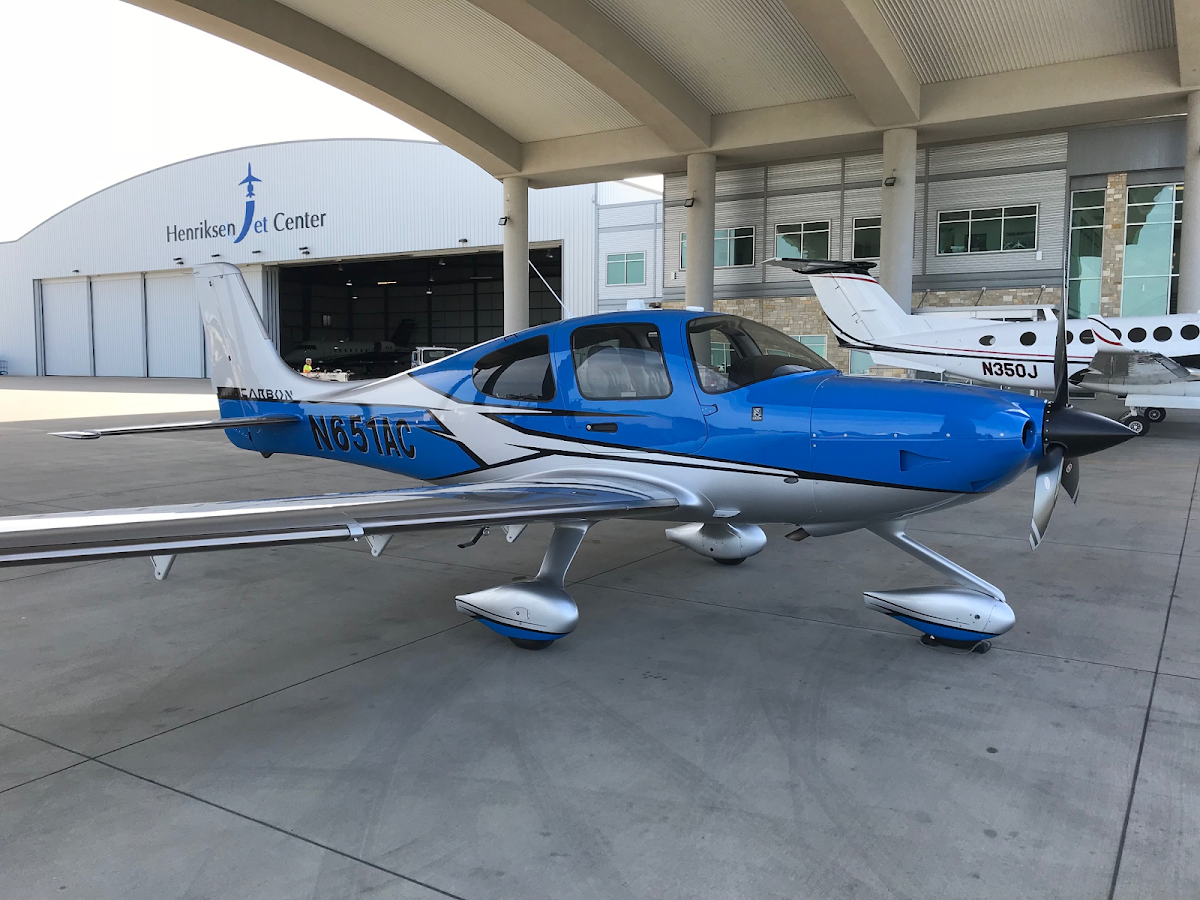
Scottsdale, AZ · KSDL
Phoenix, AZ · KPHX
Phoenix, AZ · KDVT
Prescott, AZ
Mesa, AZ · KIWA
Mesa, AZ · KFFZ

Scottsdale, AZ · KSDL
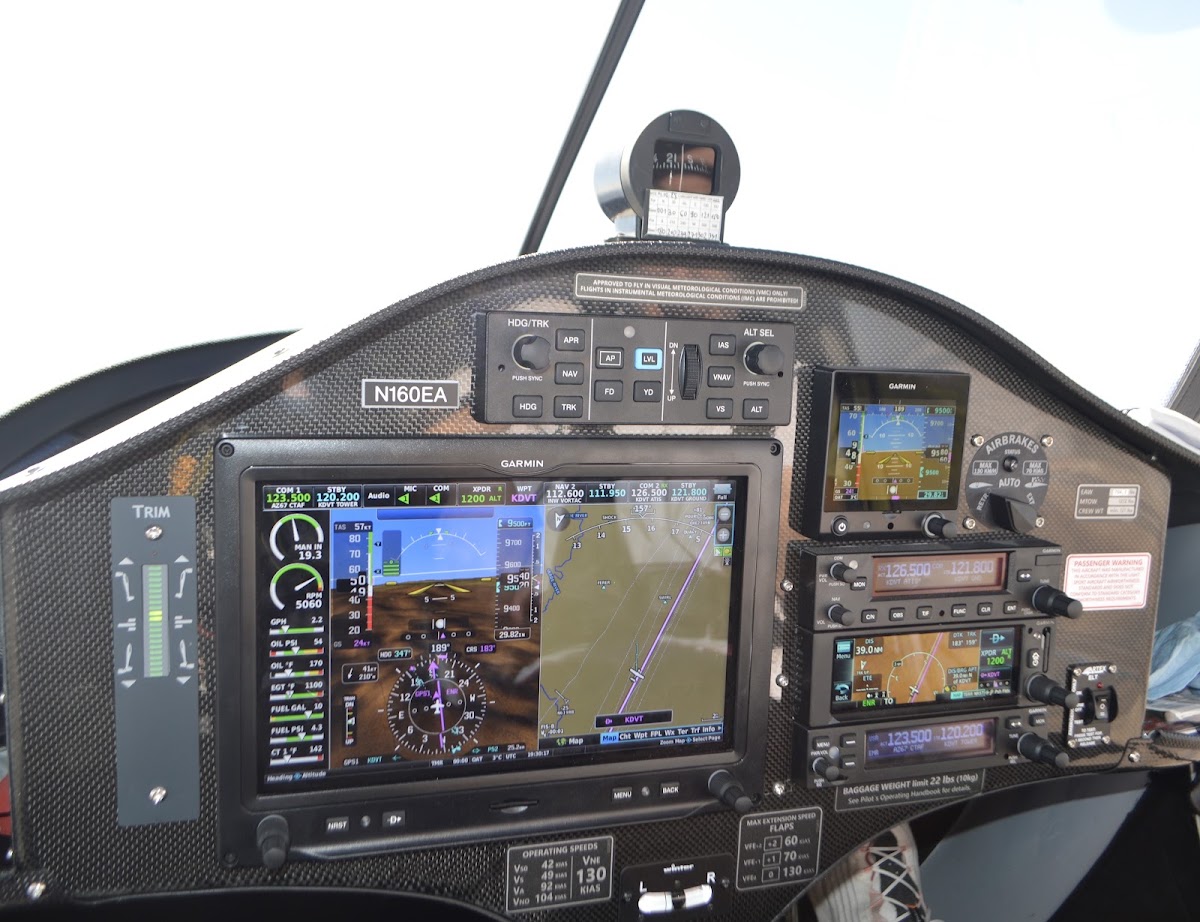
Glendale, AZ · KGEU
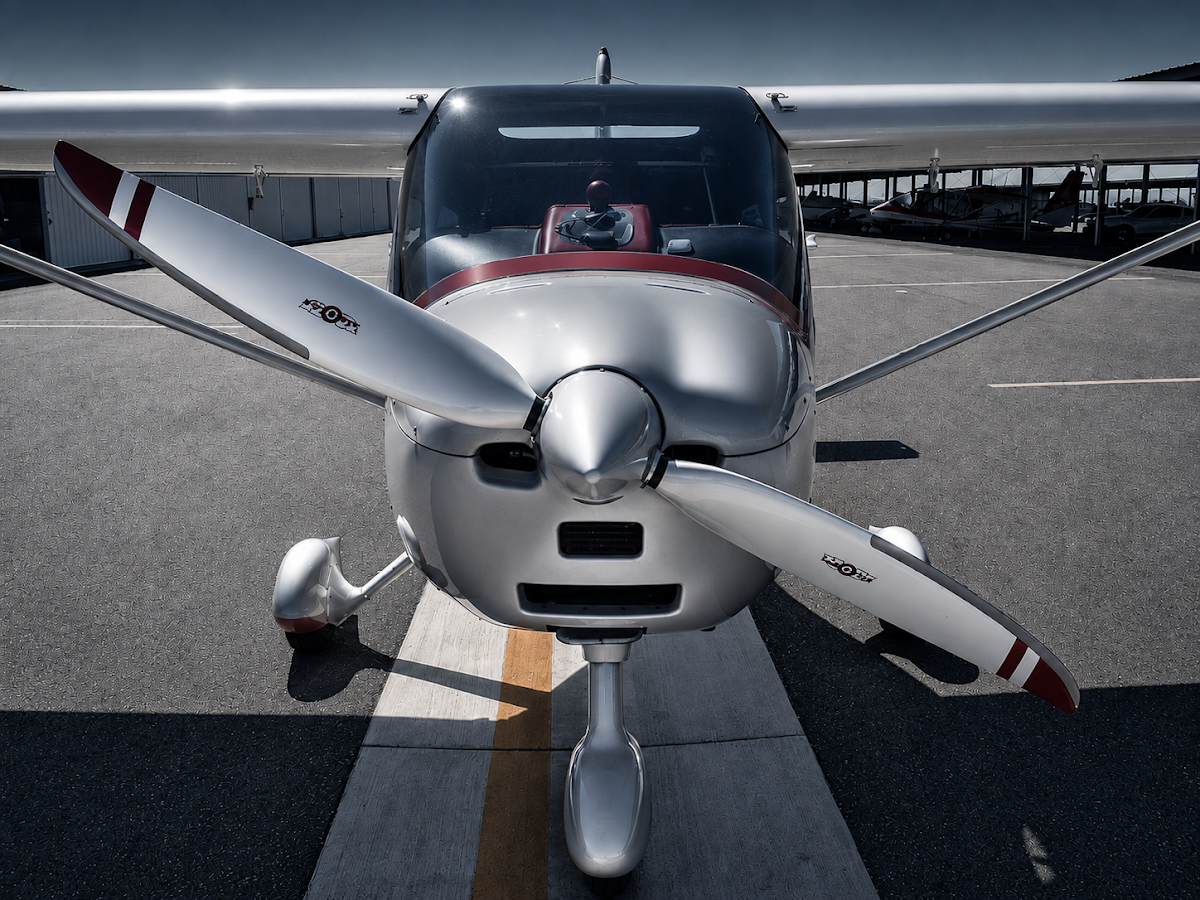
Glendale, AZ · KGEU
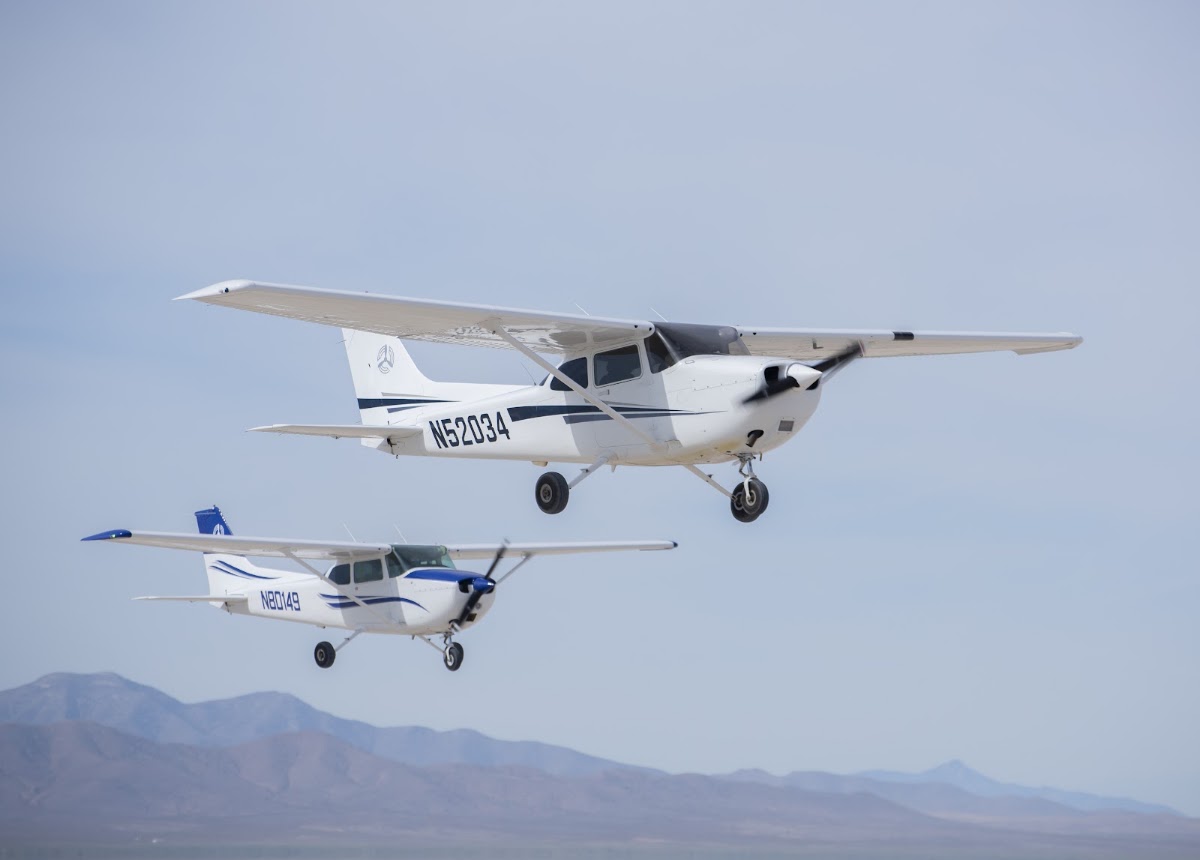
Willcox, AZ · KP33

Mesa, AZ · KFFZ
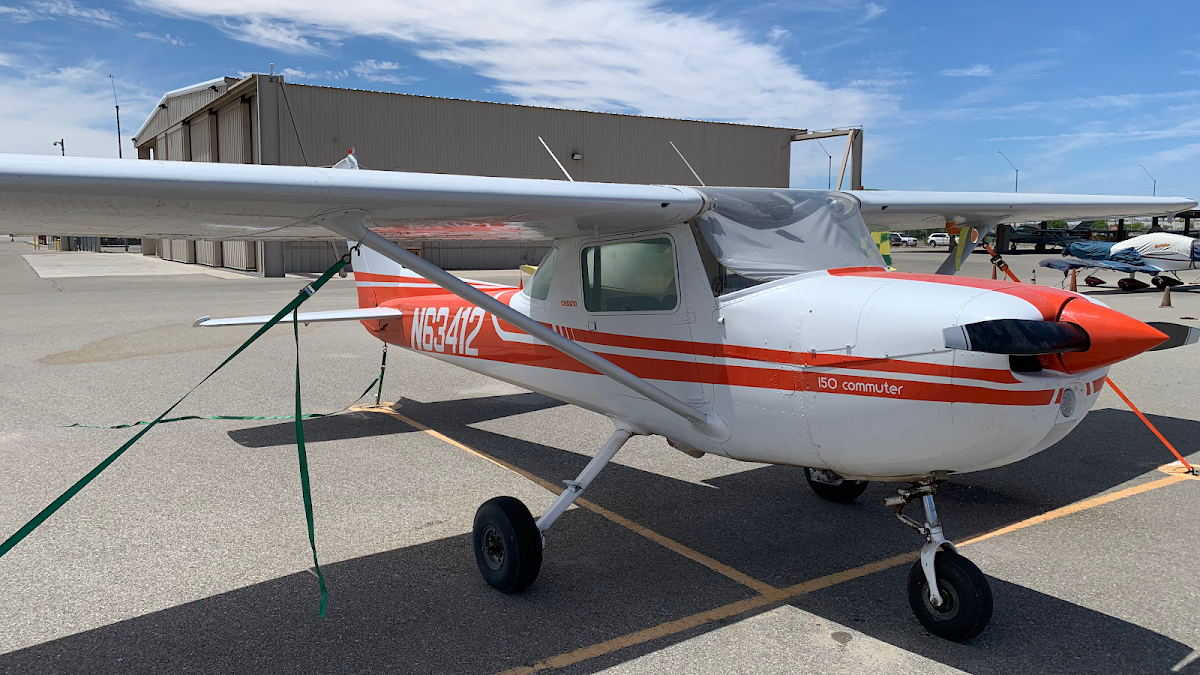
Yuma, AZ · KNYL
Scottsdale, AZ · KSDL
Mesa, AZ · KFFZ
Phoenix, AZ
Goodyear, AZ · KGYR
Mesa, AZ · KFFZ
Mesa, AZ · KFFZ
Sedona, AZ · KSEZ
Chandler, AZ · KCHD

Scottsdale, AZ · KSDL

Phoenix, AZ · KPHX
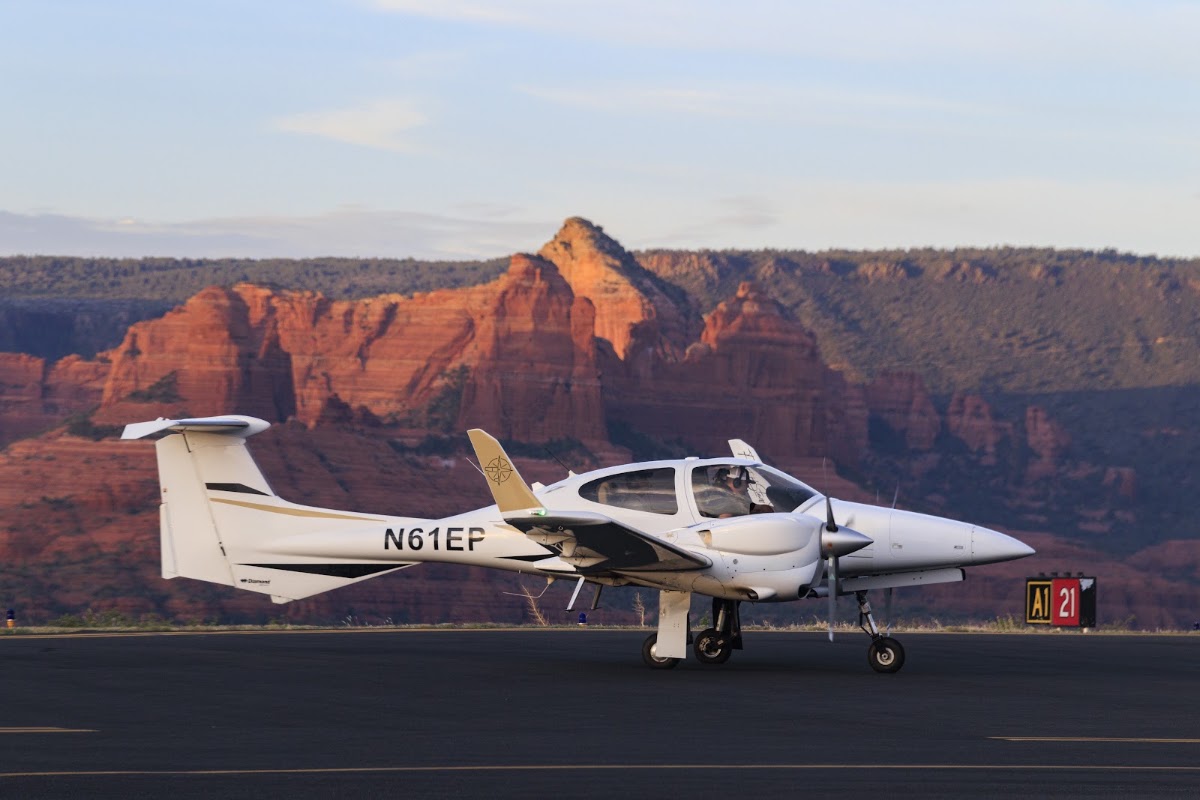
Mesa, AZ · KFFZ
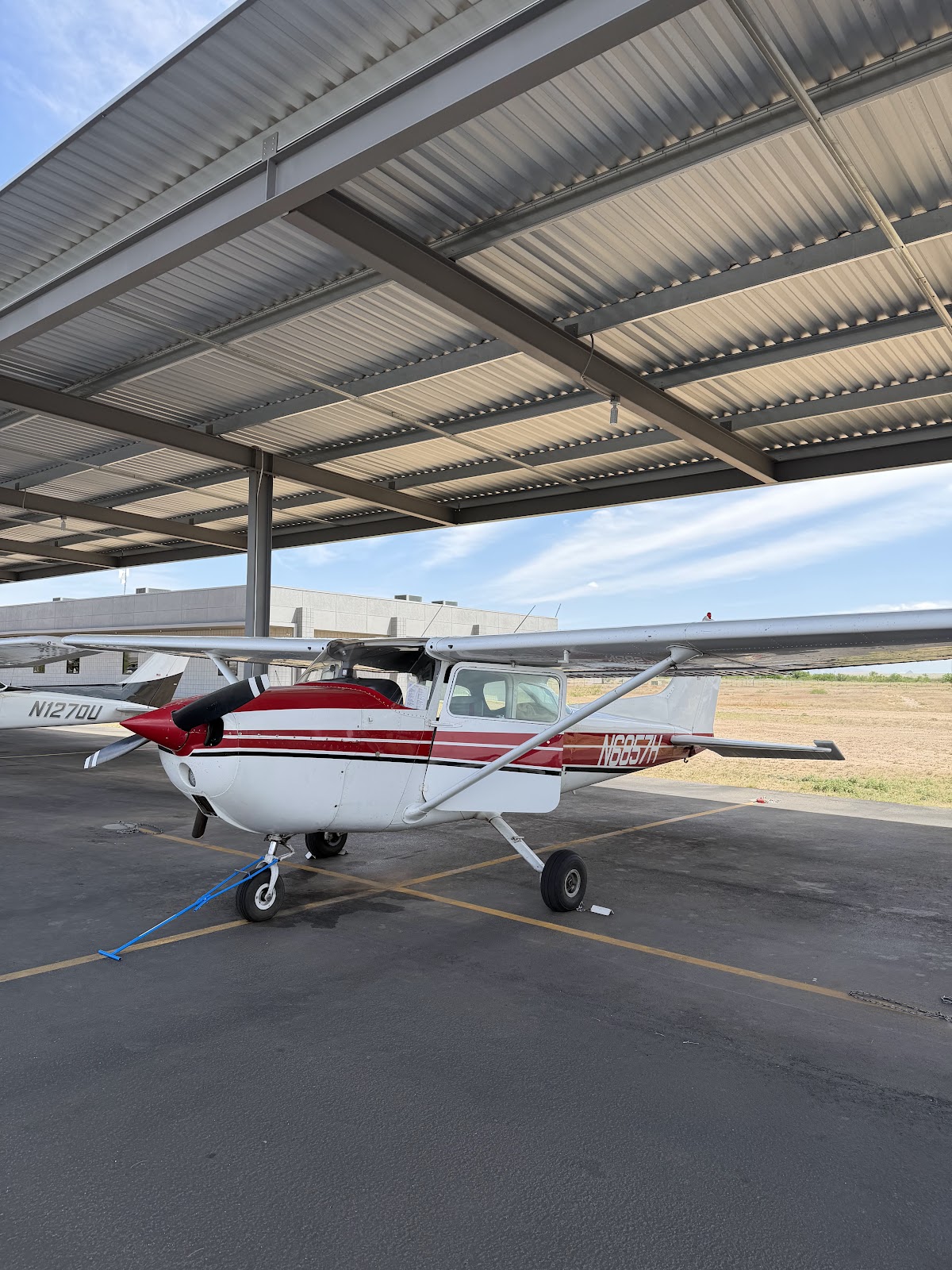
Tucson, AZ · KRYN
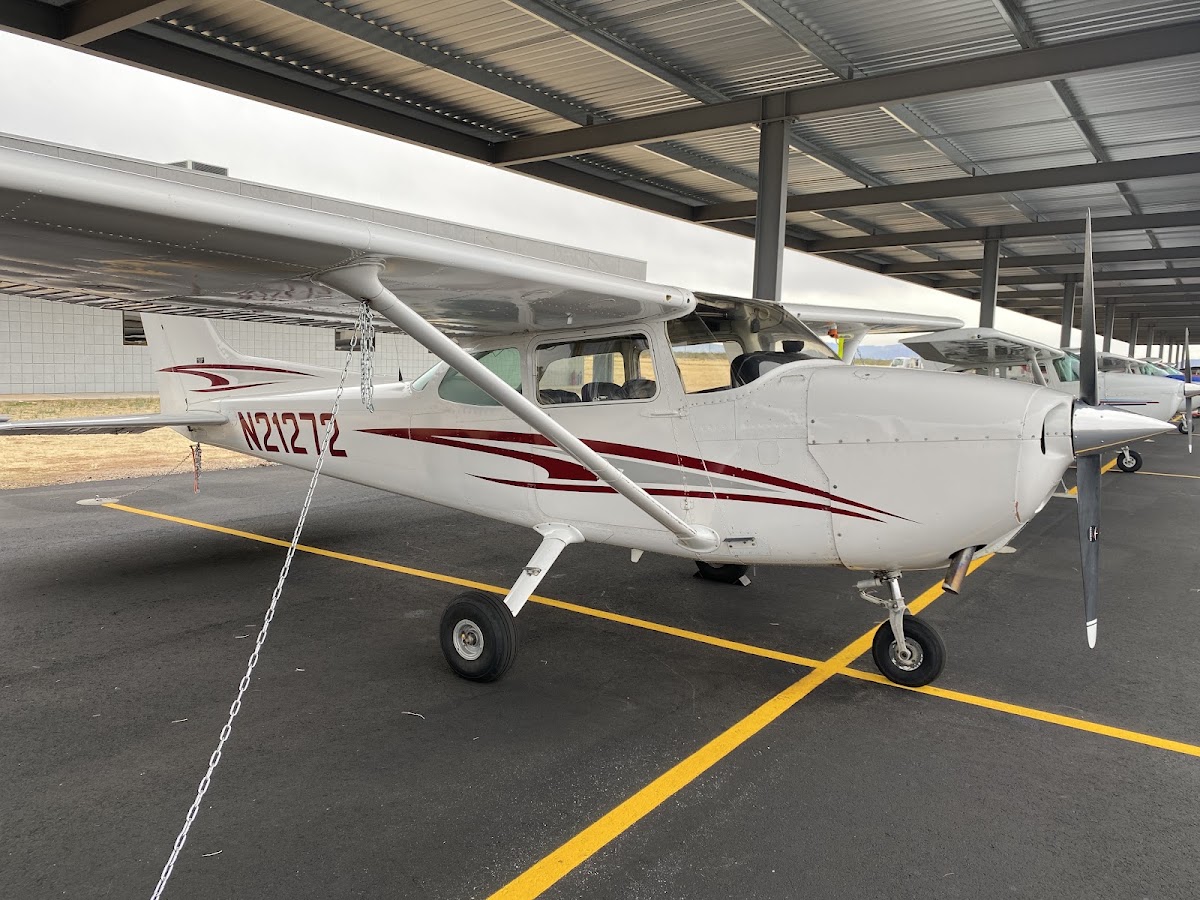
Tucson, AZ · KRYN
Tucson, AZ · KTUS
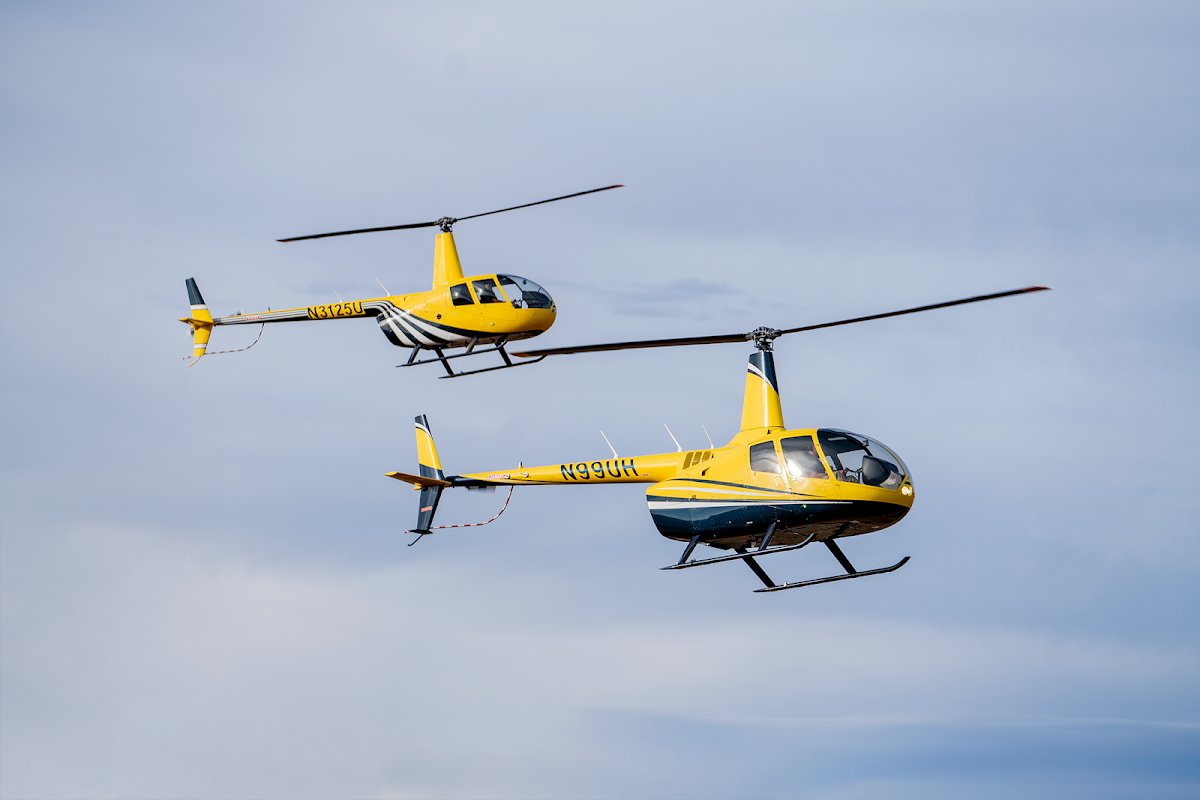
Scottsdale, AZ · KSDL
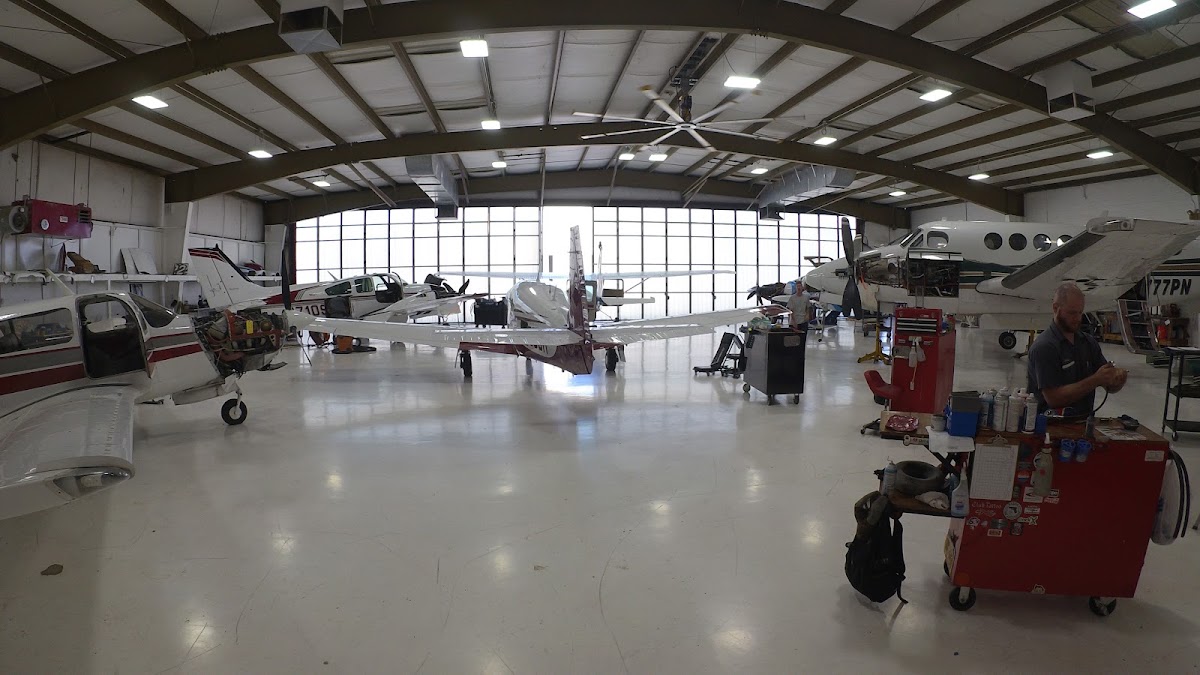
Chandler, AZ · KCHD
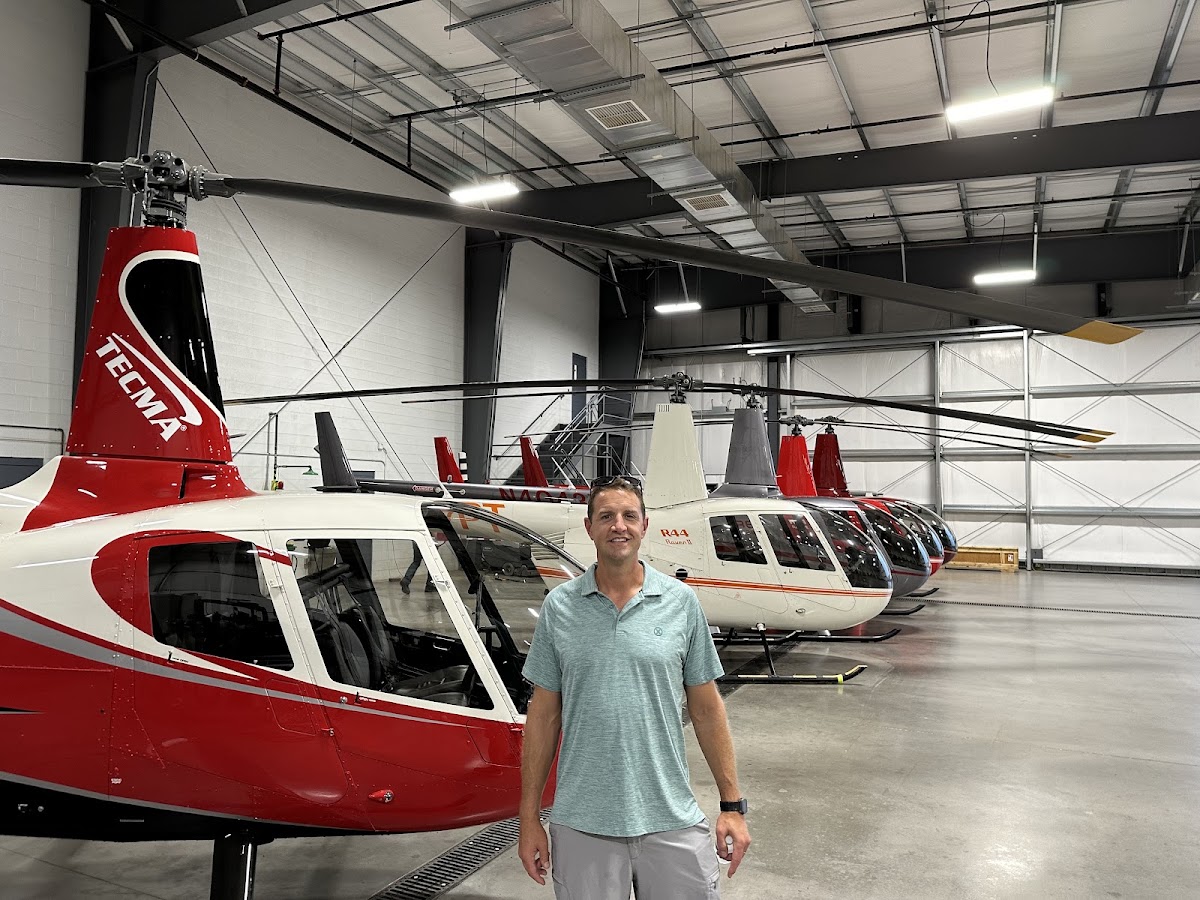
Chandler, AZ · KCHD
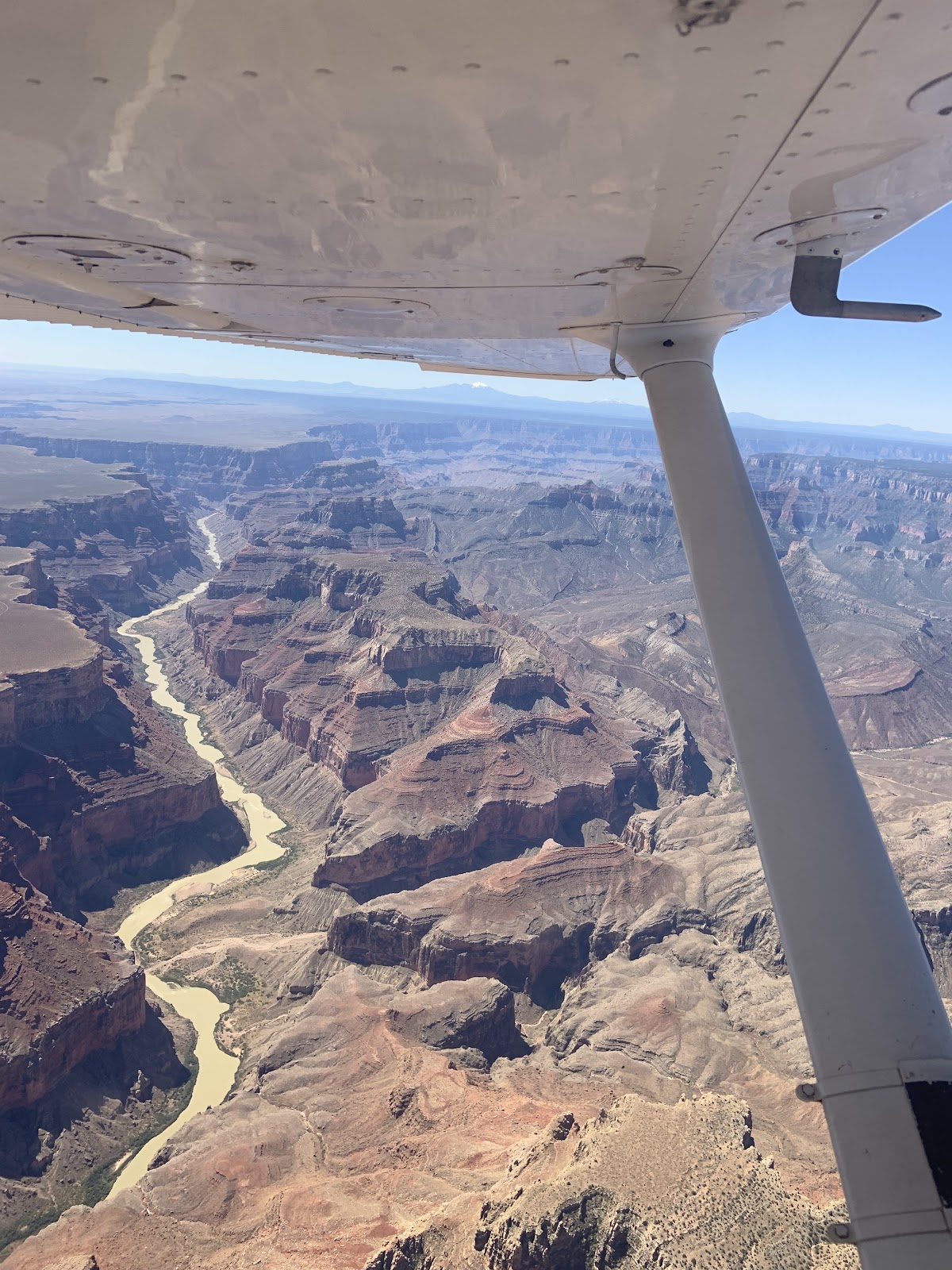
Scottsdale, AZ · KSDL
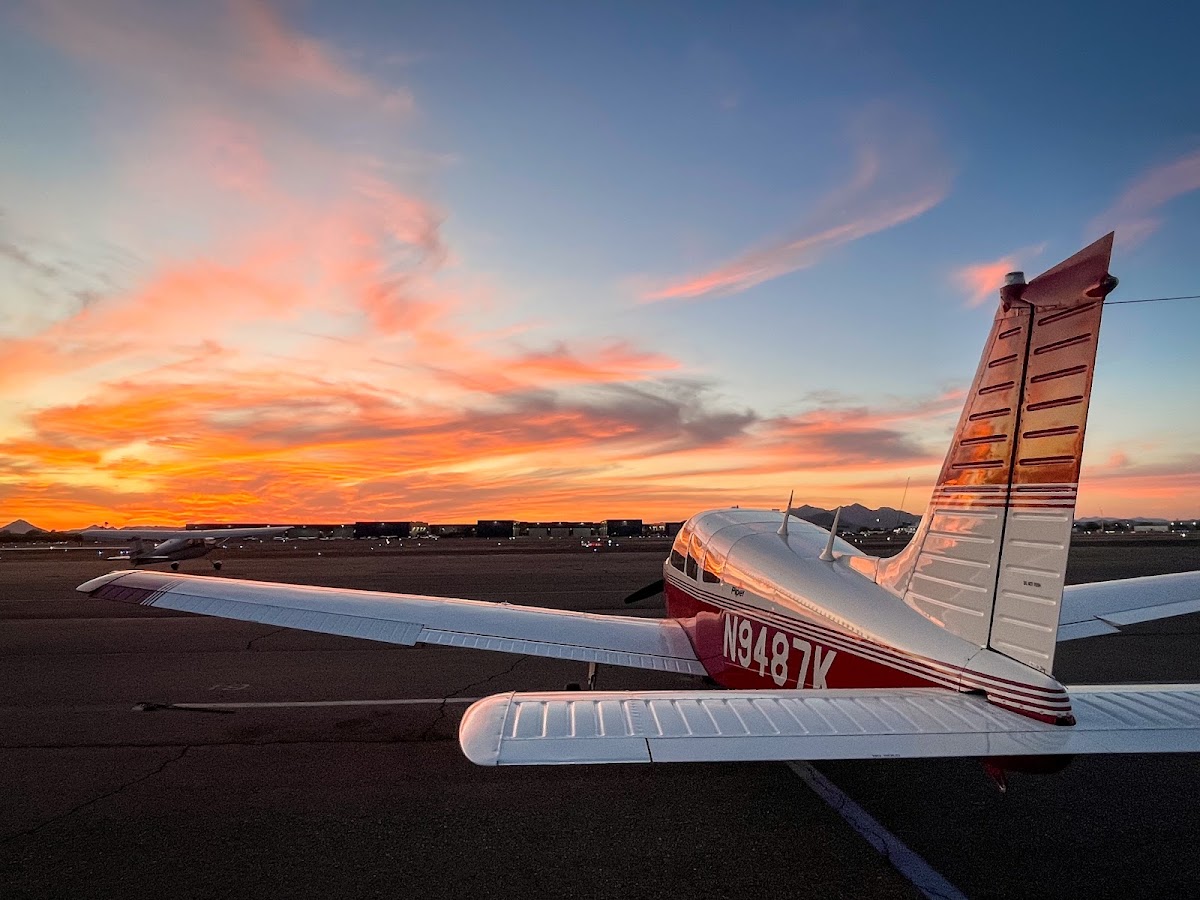
Mesa, AZ · KFFZ
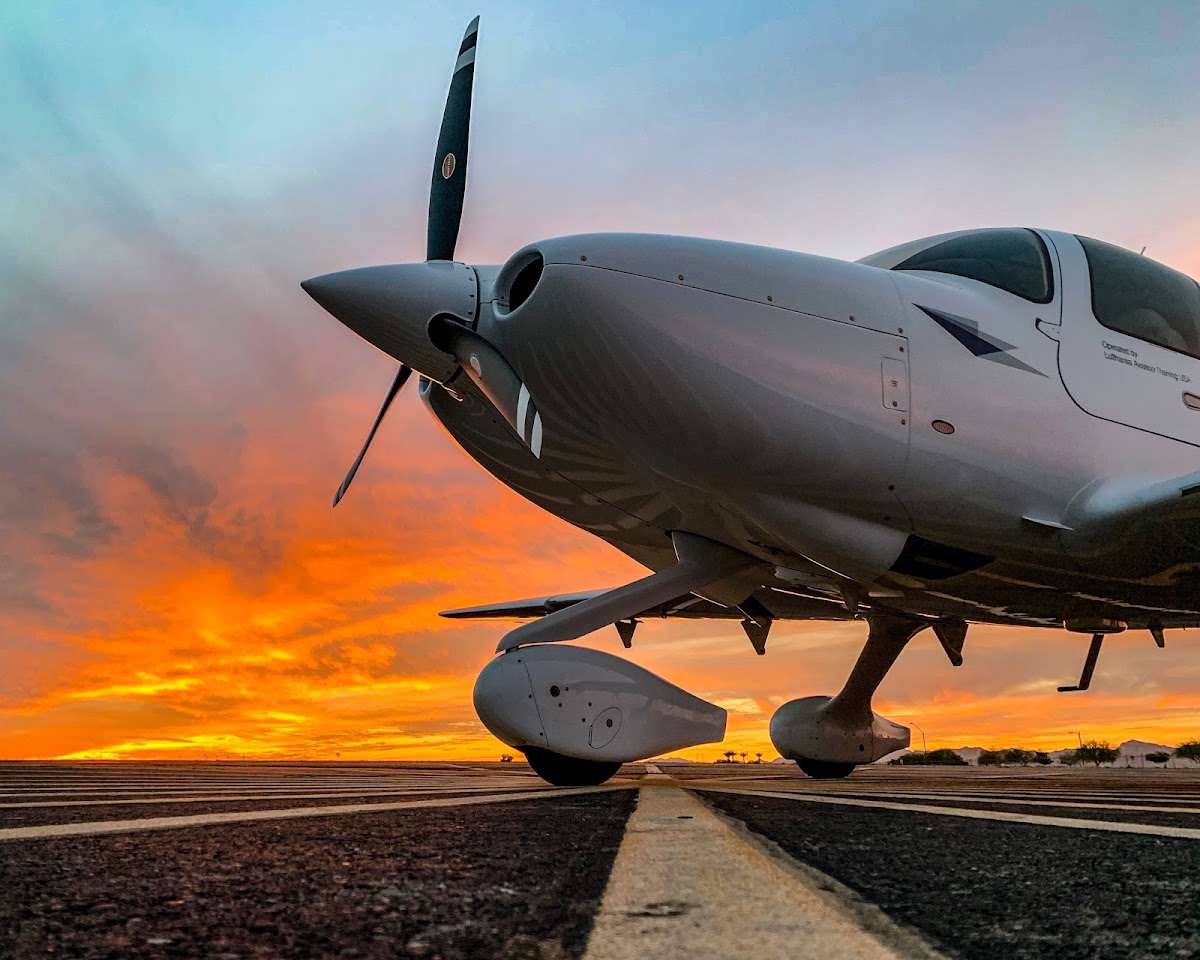
Goodyear, AZ · KGYR
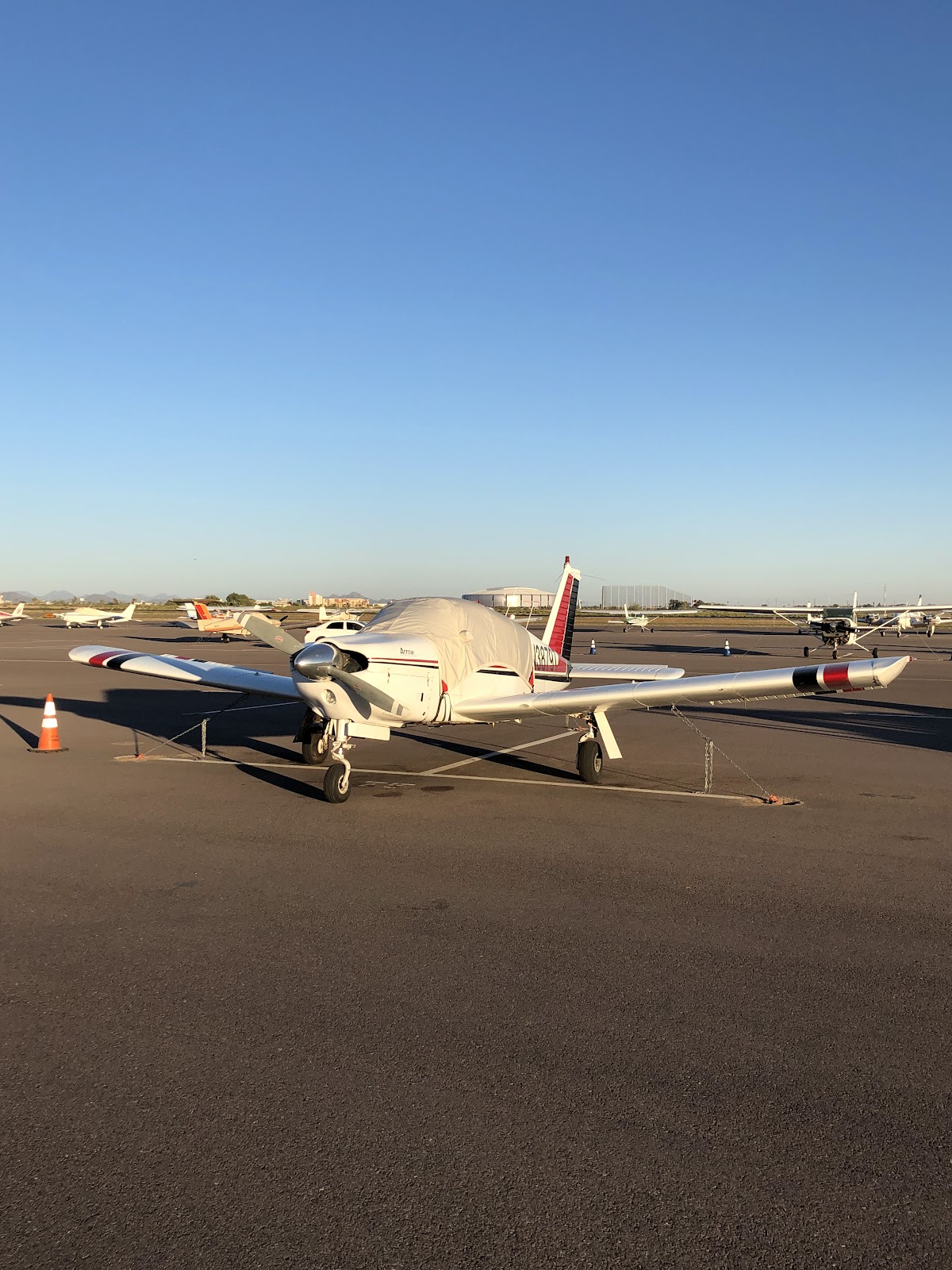
Glendale, AZ · KGEU

Tucson, AZ · KDMA
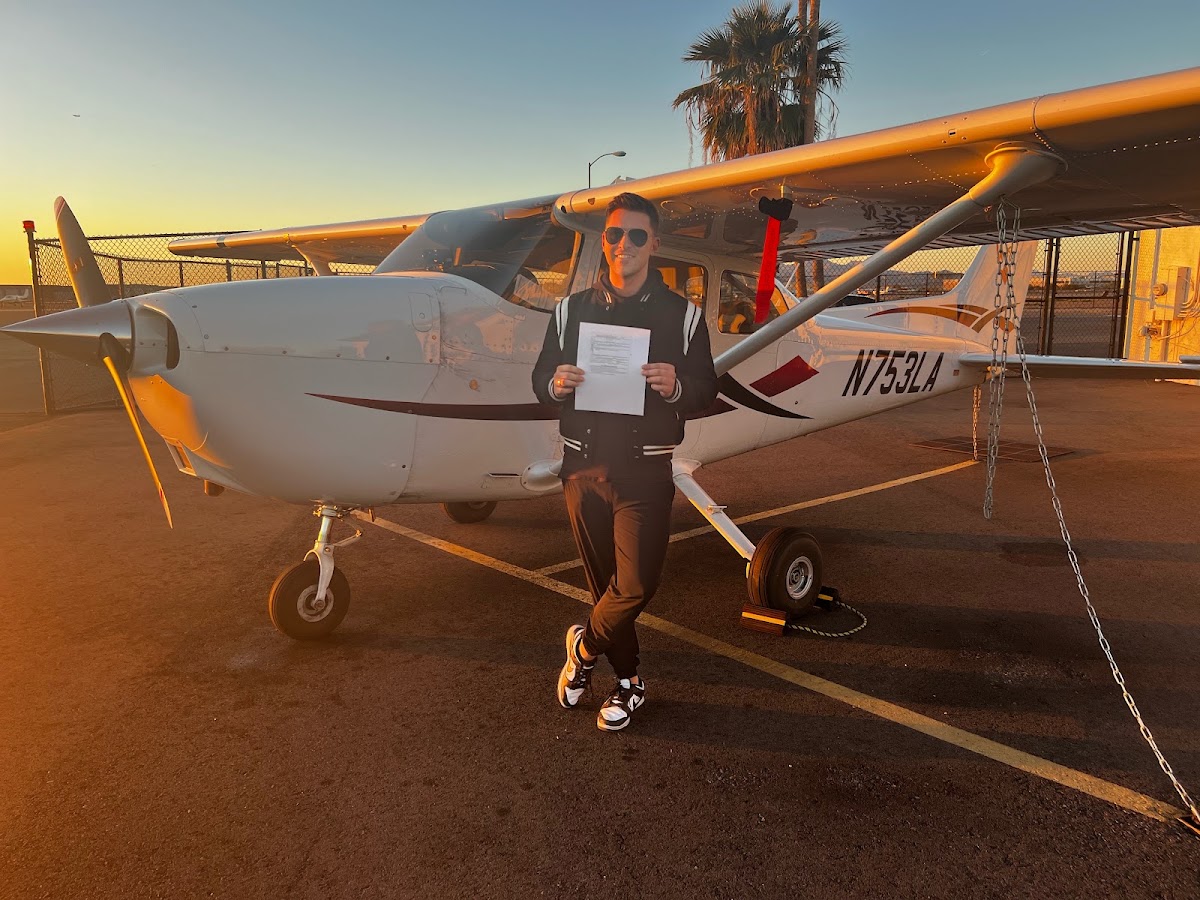
Mesa, AZ · KFFZ
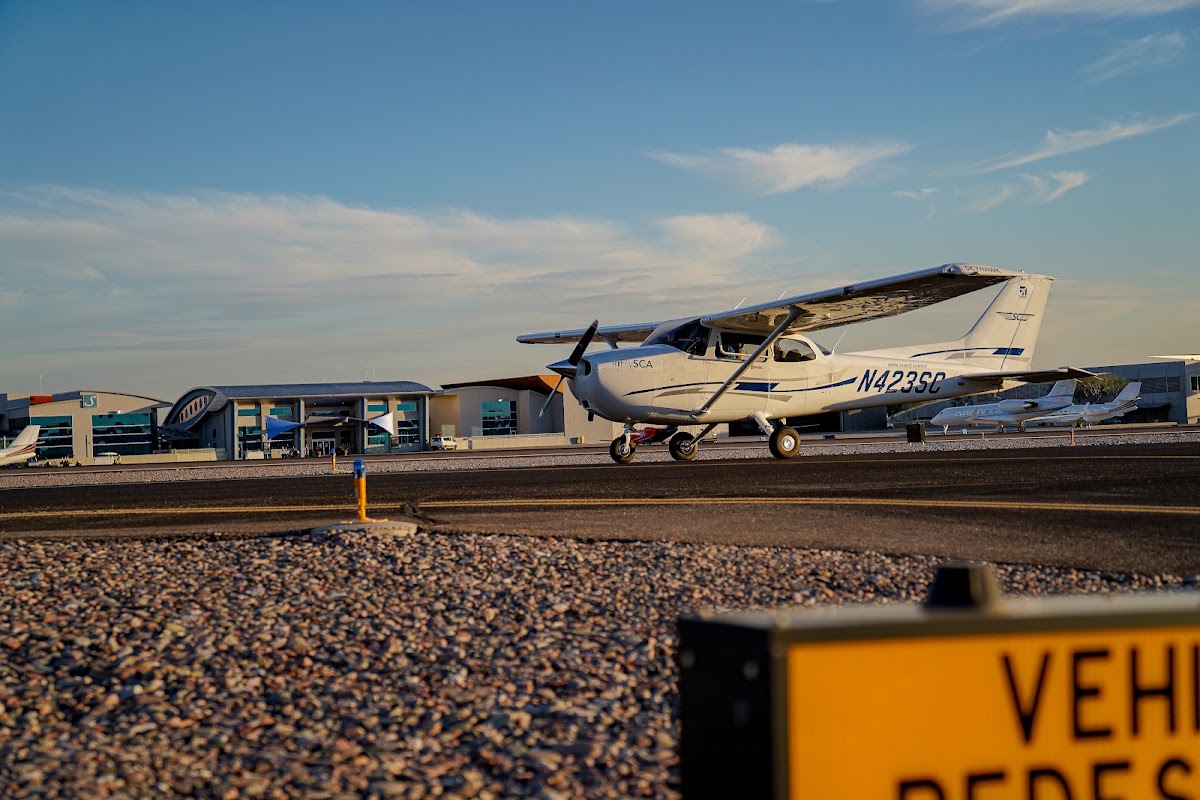
Chandler, AZ · KCHD
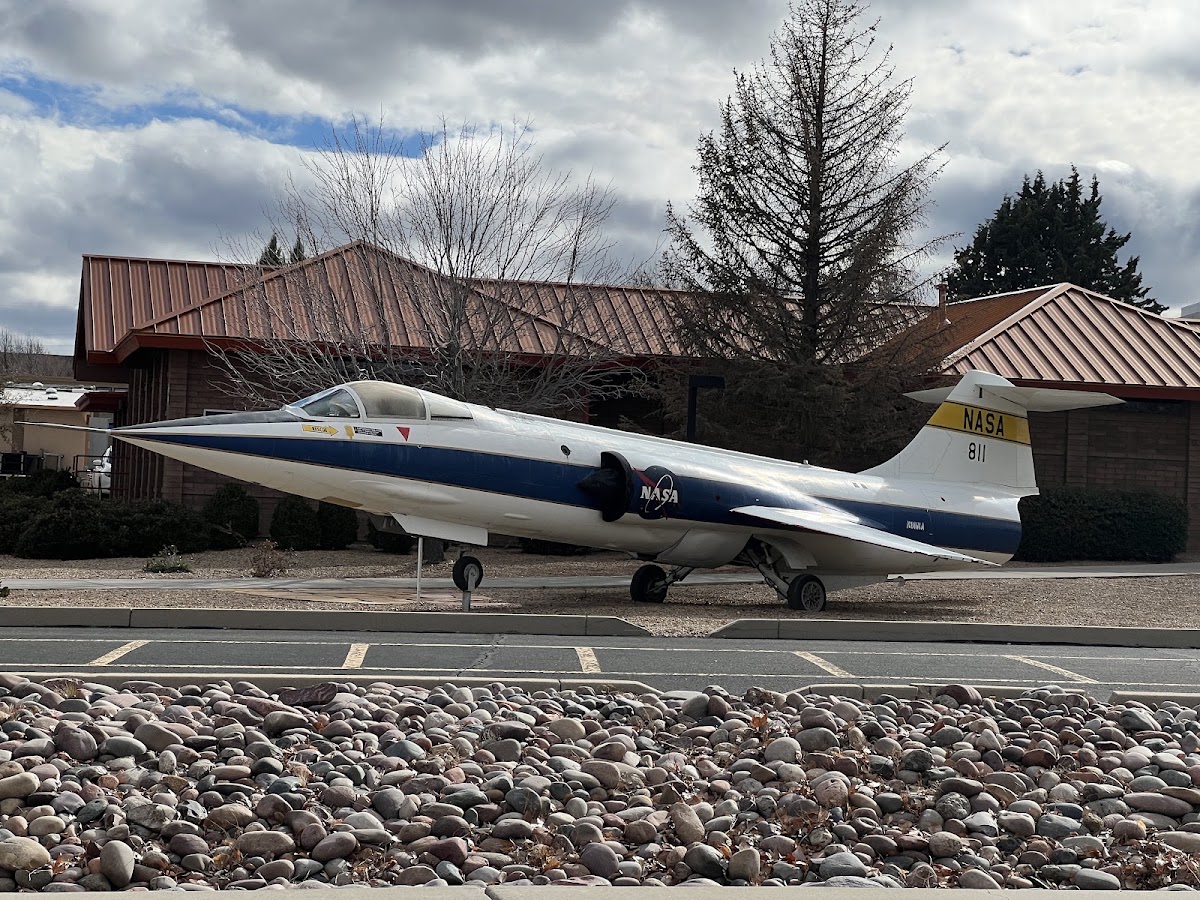
Prescott, AZ · KPRC
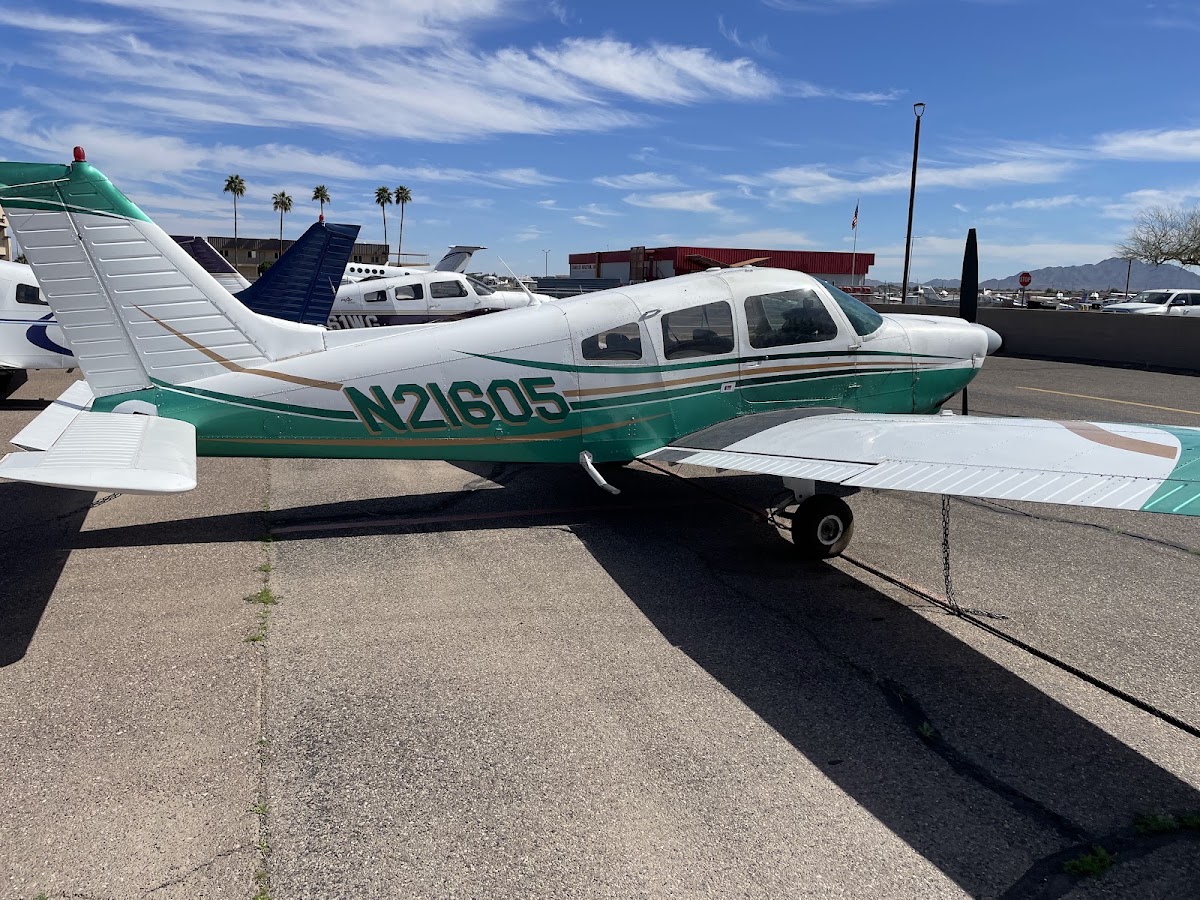
Chandler, AZ · KCHD
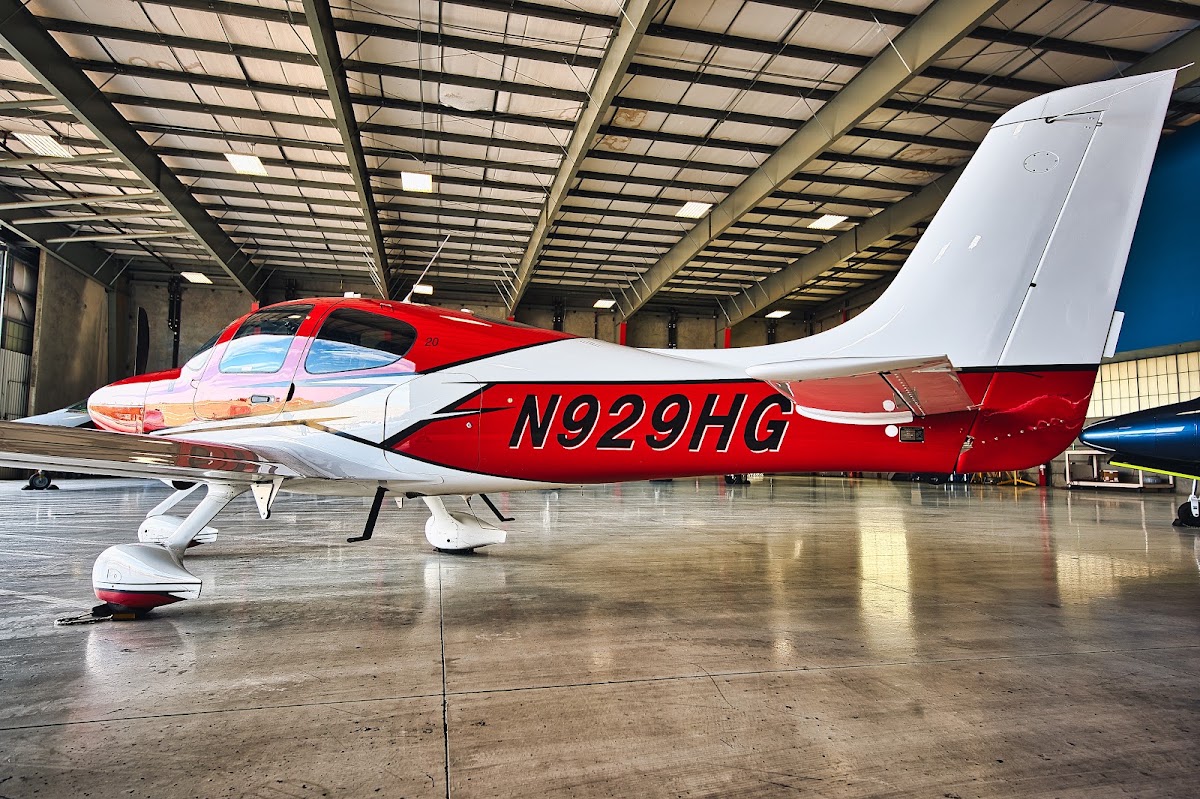
Scottsdale, AZ · KSDL
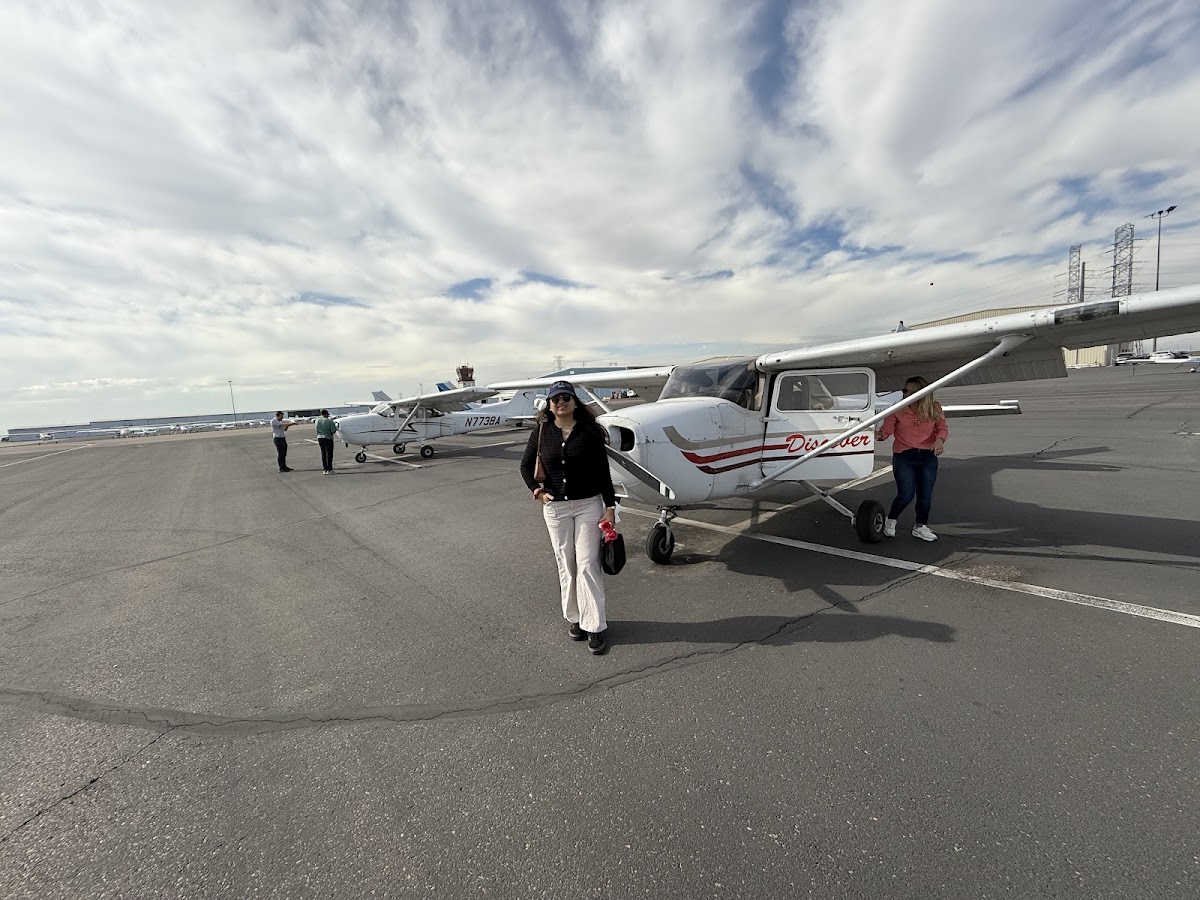
Glendale, AZ · KGEU
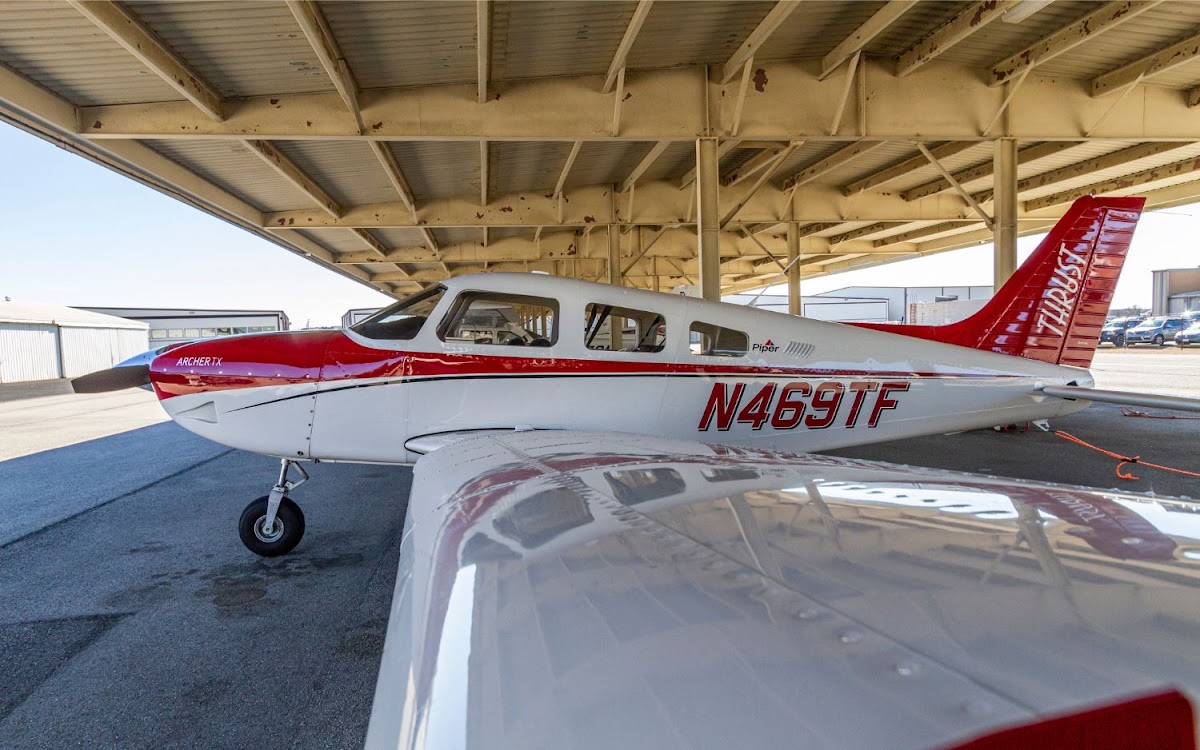
Mesa, AZ · KFFZ
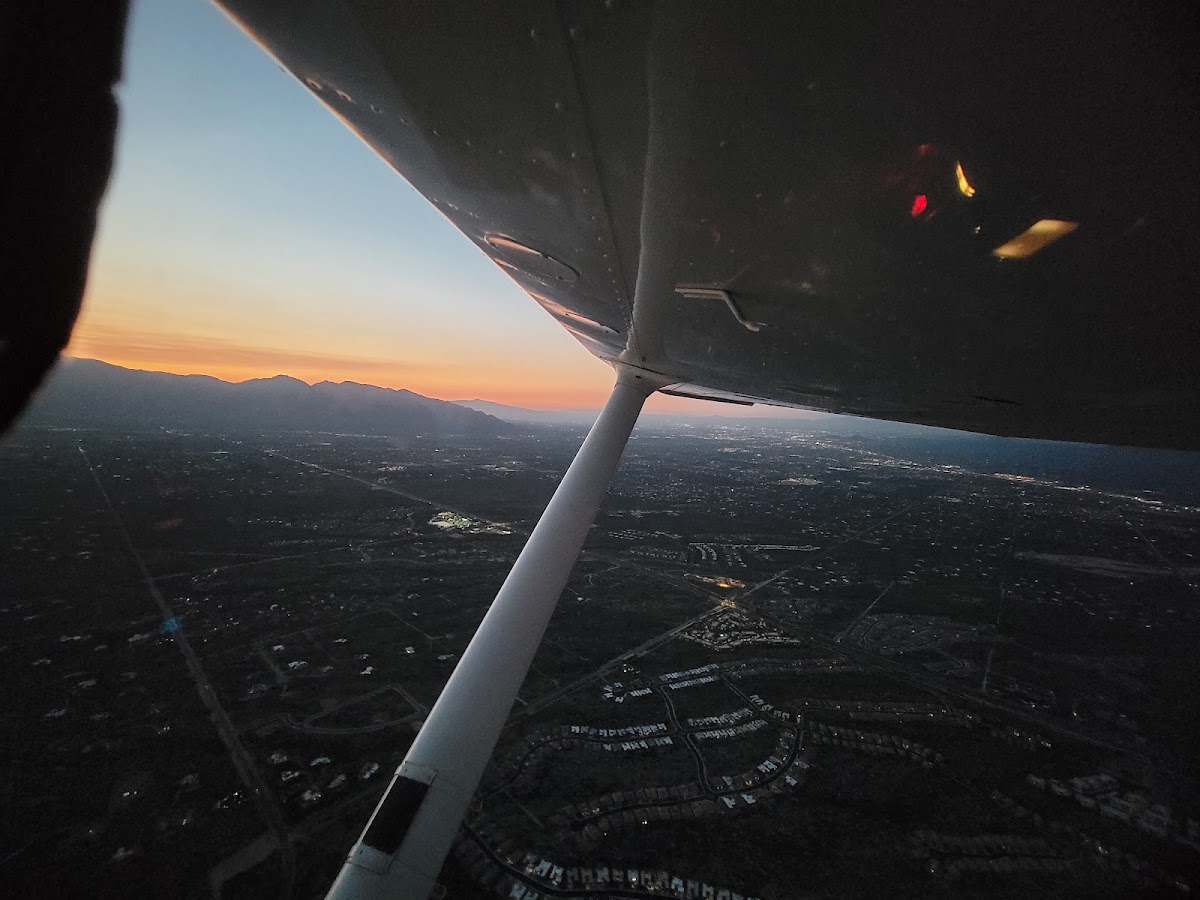
Marana, AZ · KAVQ
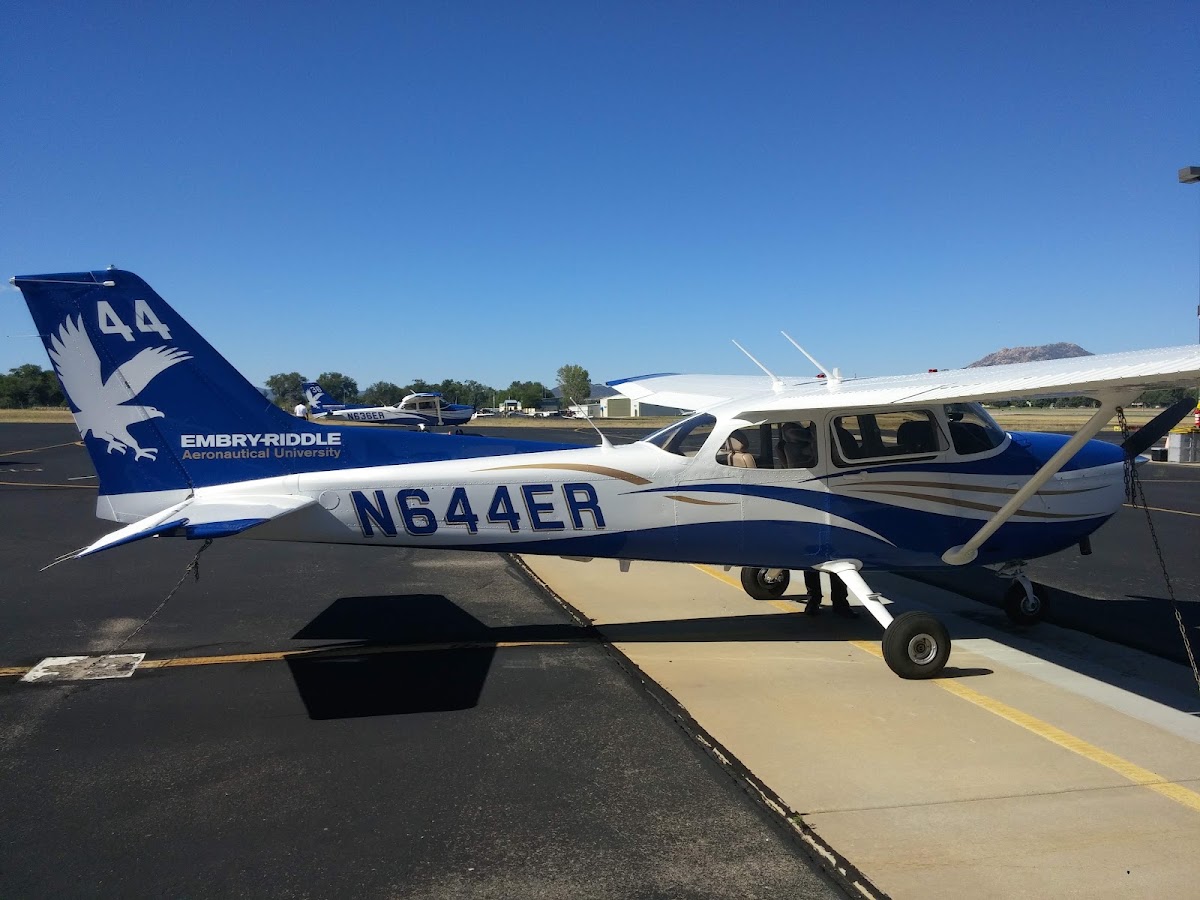
Prescott, AZ · KPRC
Mesa, AZ · KIWA
Scottsdale, AZ · KSDL
Chandler, AZ · KCHD
Phoenix, AZ · KDVT

Glendale, AZ · KLUF
Glendale, AZ · KGEU
Glendale, AZ · KGEU
Tucson, AZ · KTUS
Mesa, AZ · KFFZ
Glendale, AZ · KGEU
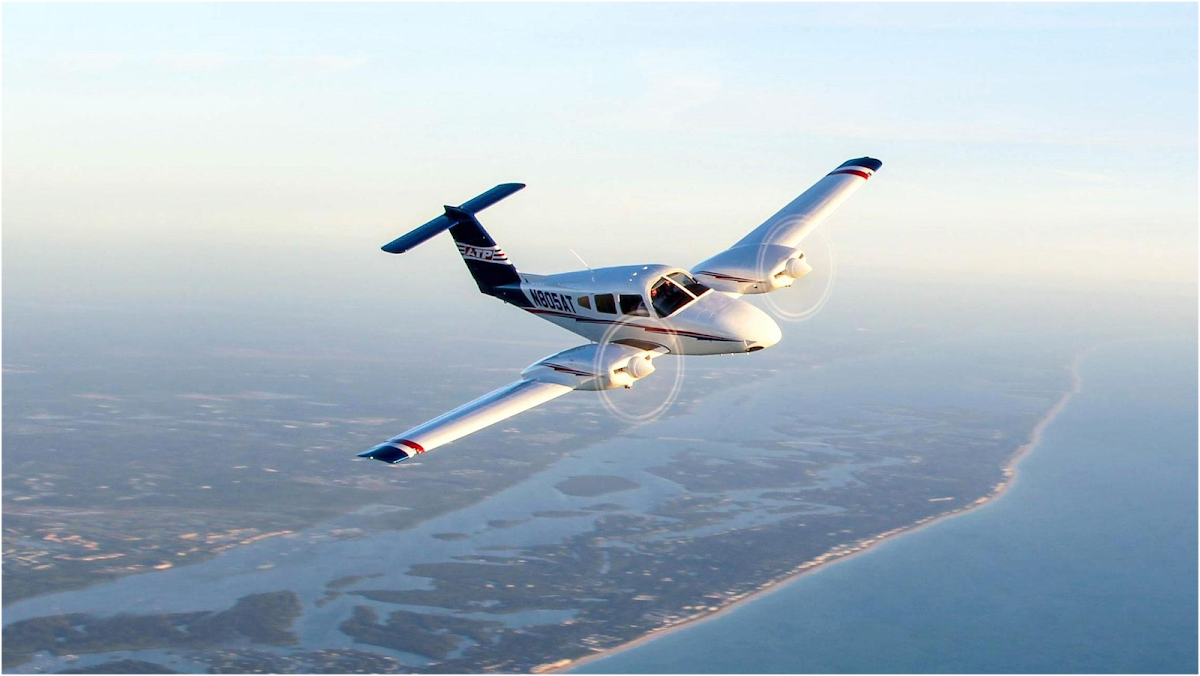
Mesa, AZ · KIWA
Chandler, AZ · KCHD
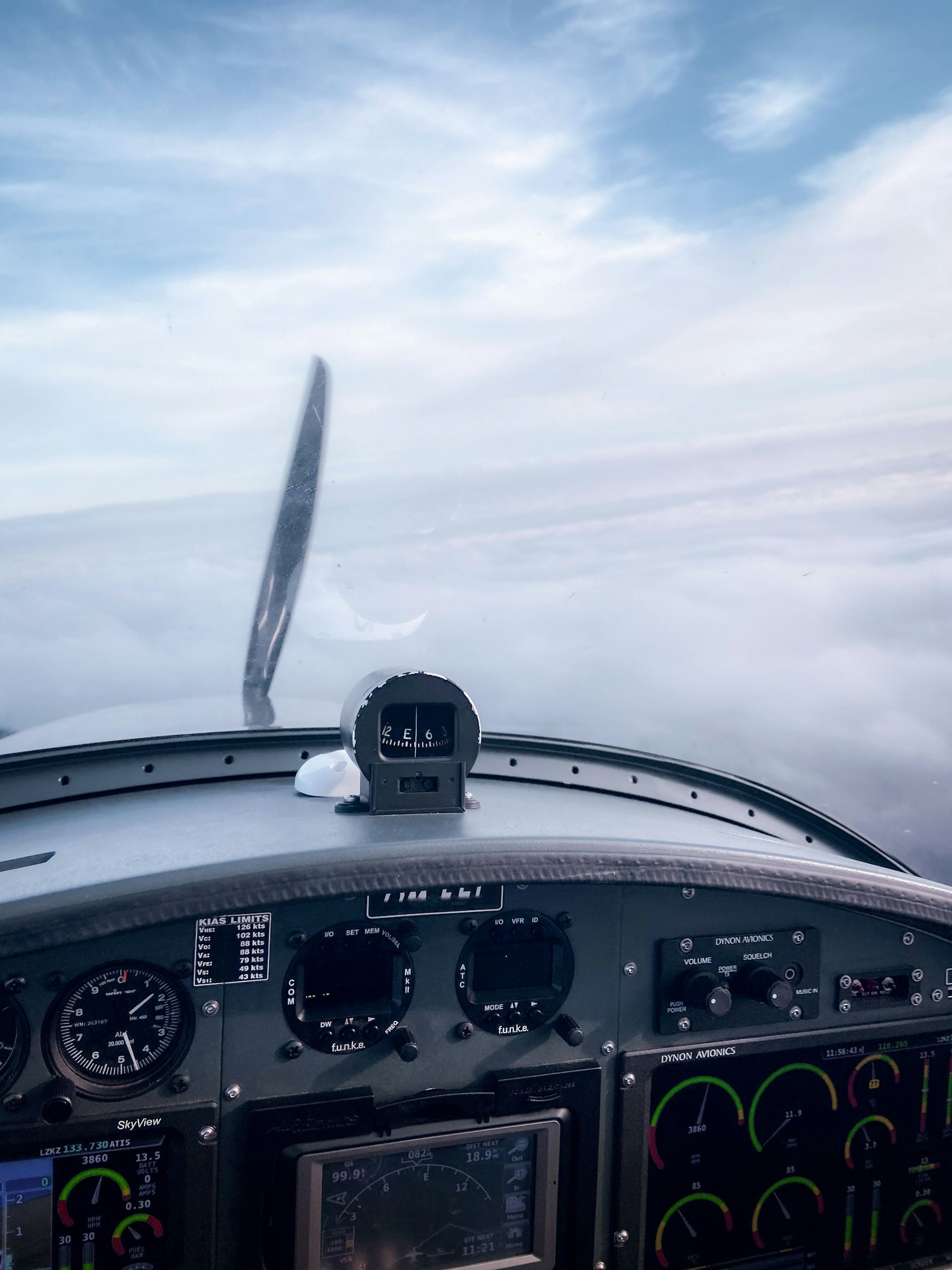
Chandler, AZ · KP19
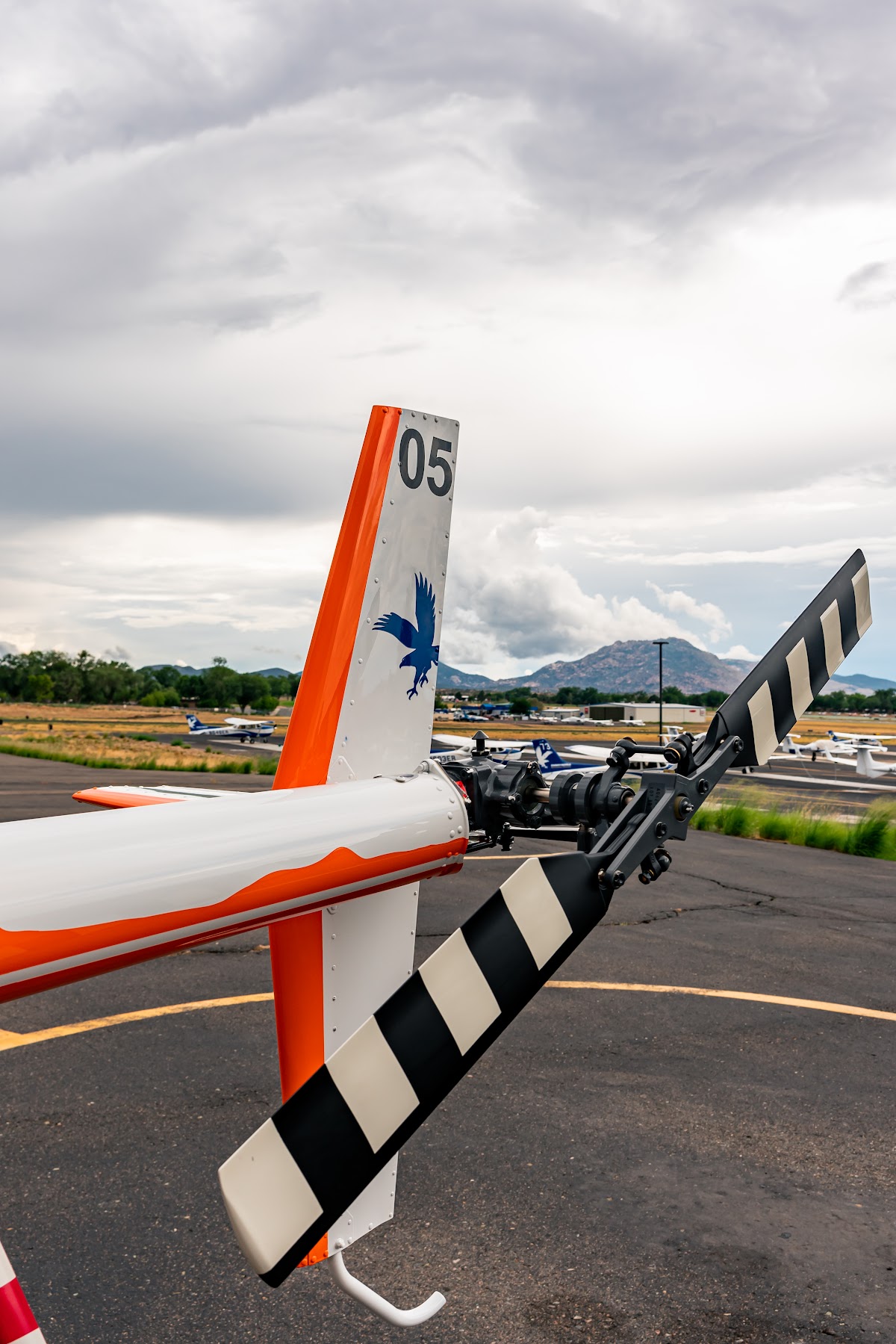
Prescott, AZ · KPRC
Phoenix, AZ · KDVT
Tucson, AZ · KTUS
Tucson, AZ · KTUS
Avondale, AZ · KGEU
Scottsdale, AZ
Chandler, AZ · KCHD
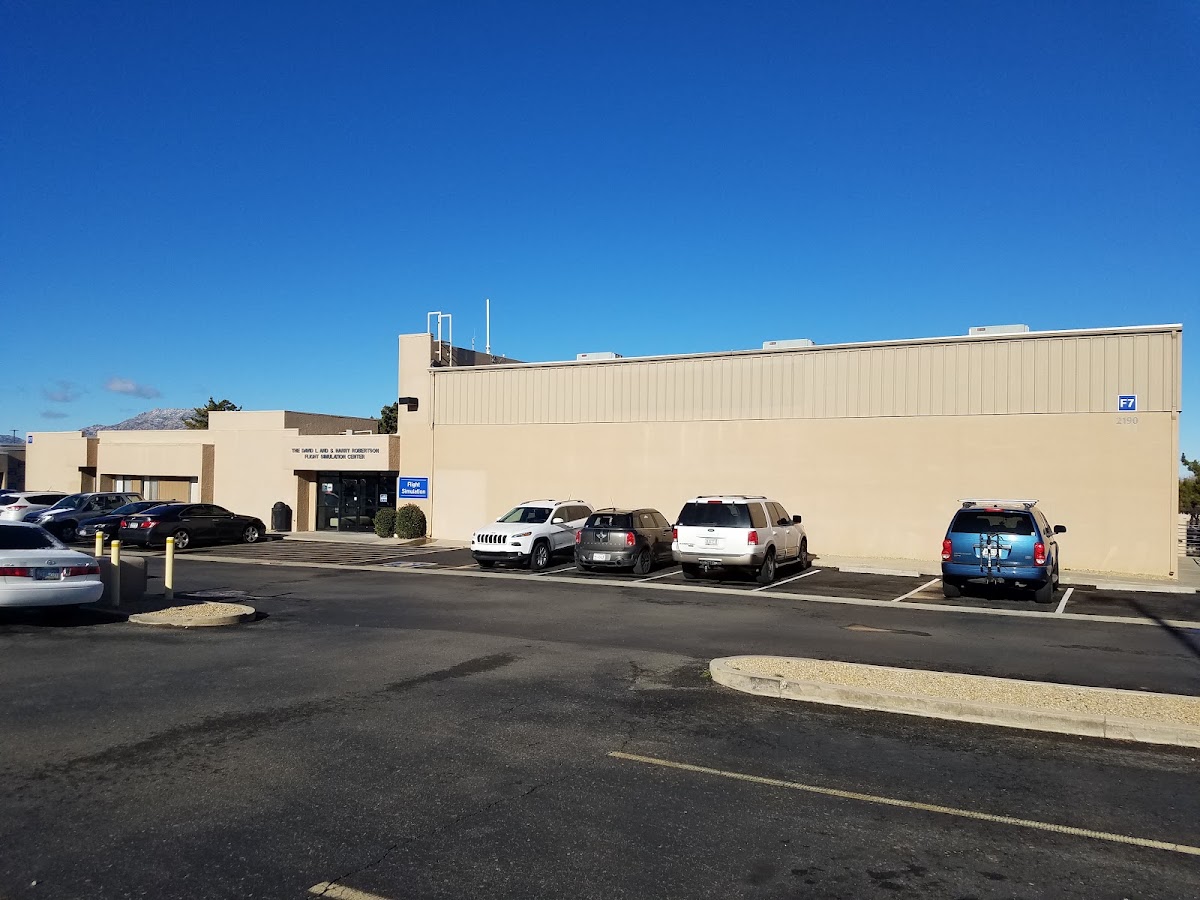
Prescott, AZ · KPRC

Scottsdale, AZ · KSDL
Chandler, AZ · KCHD
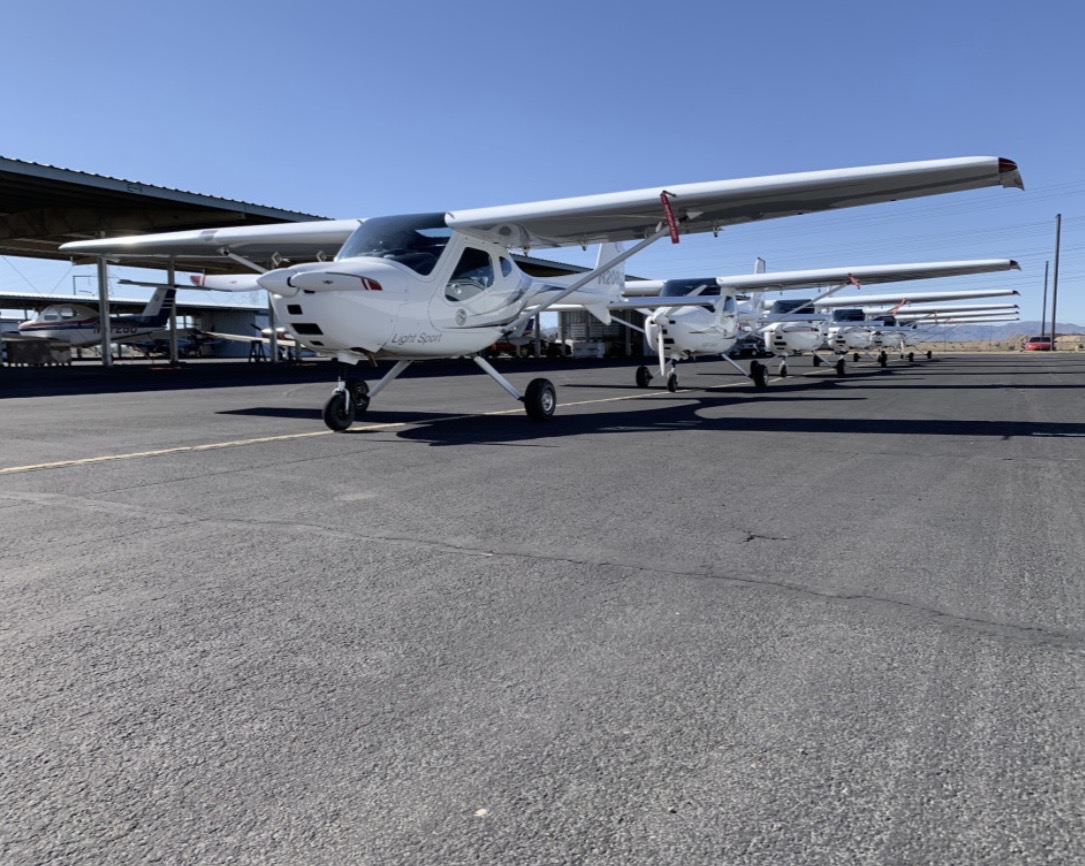
Glendale, AZ · KGEU
Tempe, AZ
Glendale, AZ · KGEU
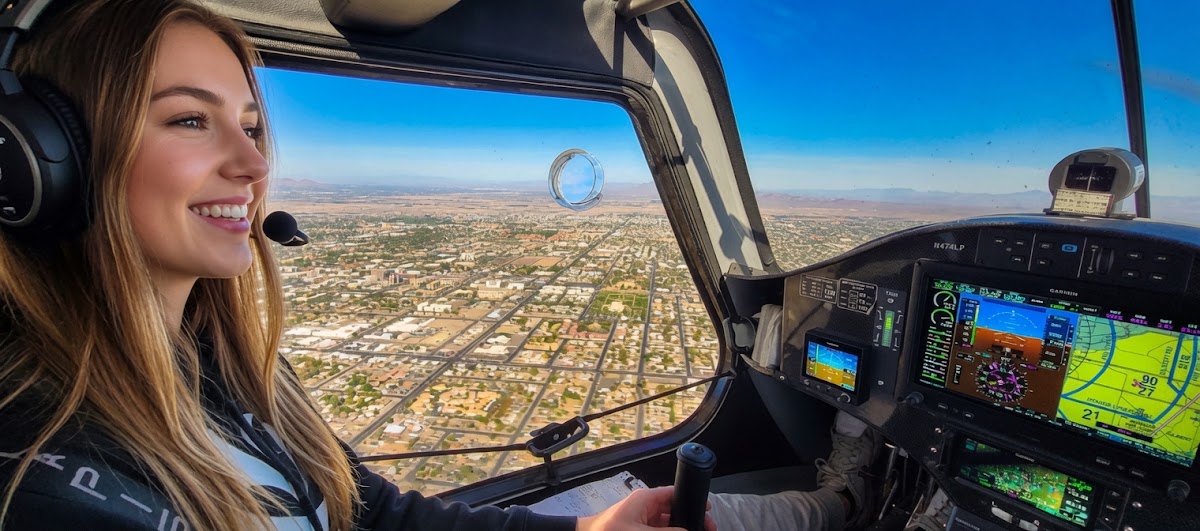
Mesa, AZ · KFFZ
Prescott, AZ · KPRC
Scottsdale, AZ · KSDL
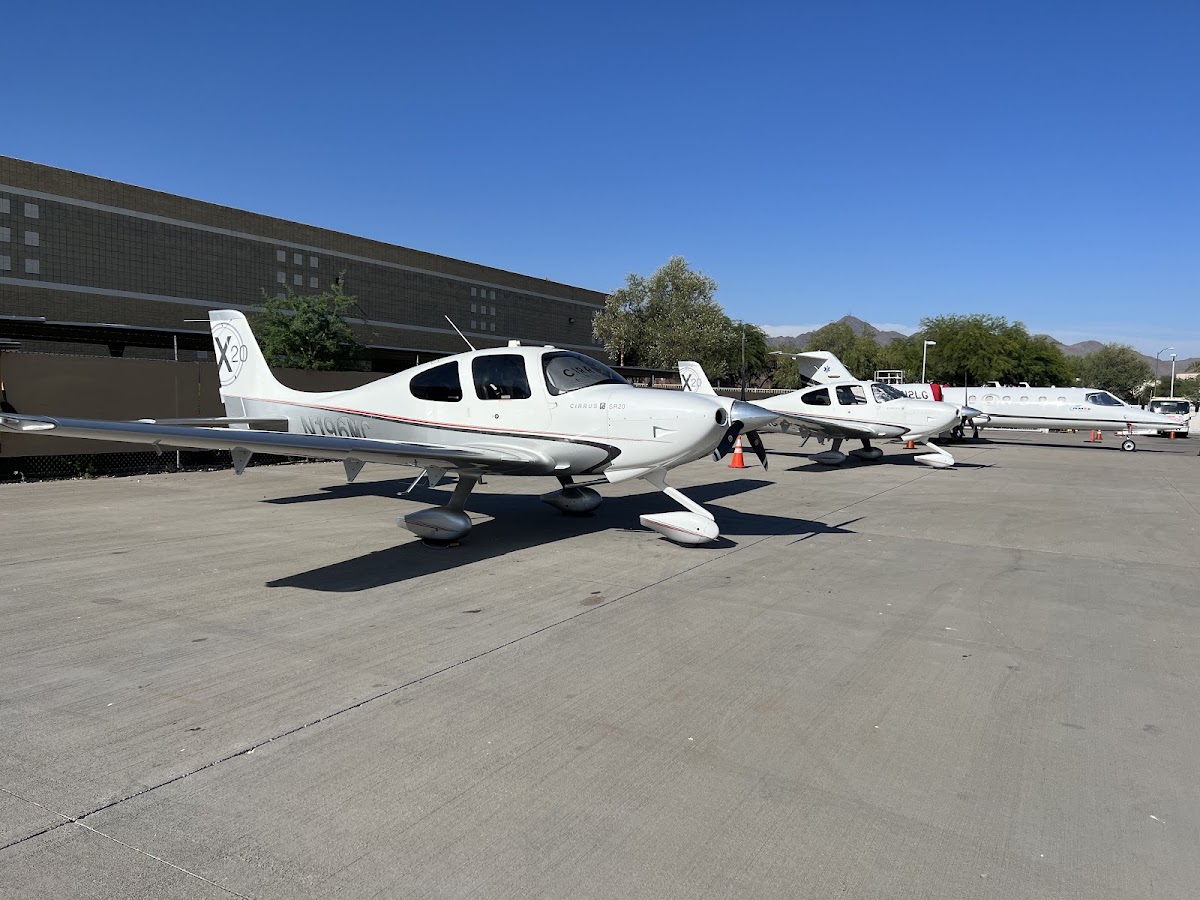
Glendale, AZ · KGEU
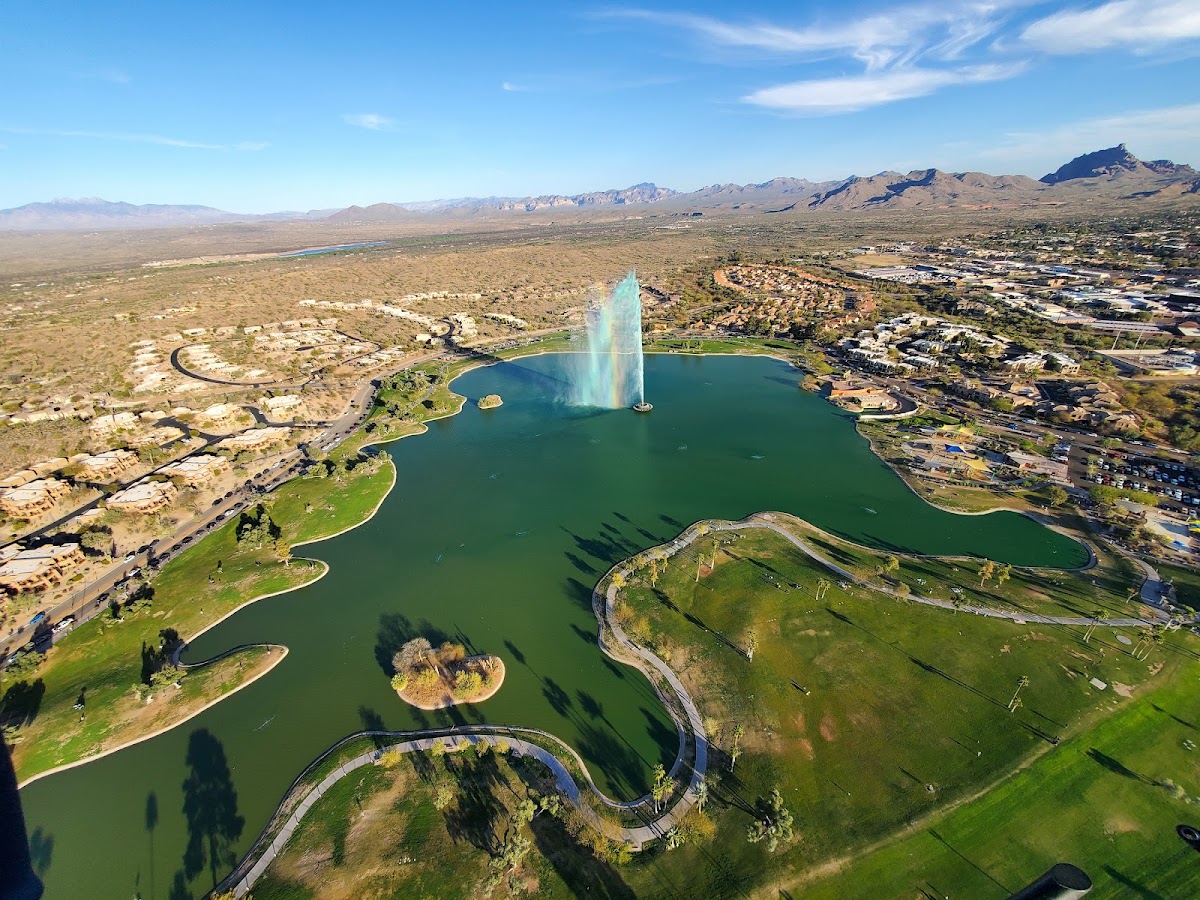
Mesa, AZ · KFFZ
Glendale, AZ · KGEU
Peoria, AZ
Chandler, AZ · KCHD
Glendale, AZ · KGEU
Mesa, AZ · KFFZ
Arizona sells flying weather, and unlike most sales pitches this one is measurable. Phoenix and Tucson post some of the highest counts of clear days anywhere in the country. The sky is usually just there. For somebody paying by the hour that matters more than anything else on a school tour, because the fastest way to waste money learning to fly is to keep starting over after three weeks off.
The cost is heat. From late spring into September the low desert gets hot enough to change how the airplane flies and how the schedule works, and from midsummer the monsoon adds storms, dust and gusty wind. Neither is a reason to train elsewhere. Both are reasons to know what you are signing up for.
Flight schools in Arizona cluster hard around the Phoenix valley and Tucson, with smaller operations scattered through the high country.
118 flight schools are listed across 17 cities in Arizona, flying from 22 different airports. Between them they carry 4,521 reviews from students on Google, averaging 4.64 out of five. 35 schools hold a rating of 4.8 or better across at least ten reviews, which is the bar worth using when a five-star average rests on two people.
Fields with more than one school on them are worth knowing about: you can visit two or three in an afternoon and compare them properly instead of driving across the state twice.
Mesa 26 Chandler 16 Glendale 16 Scottsdale 16 Tucson 13
Not every school teaches everything. These are the Arizona schools that list training past the basic airplane certificate, which is where the state's geography tends to show: seaplane work follows the water, and mountain and tailwheel training follow the terrain.
Instrument Rating (IFR) 20 Helicopter 7 Airline Transport Pilot (ATP) 5 Glider 1
Ranked on Google rating, counting only schools with fifteen reviews or more. We take no payment for position; this is arithmetic on public review data, not an endorsement.
Continuity is the real product. Where lessons rarely cancel you fly twice a week for months, and each lesson picks up where the last one ended instead of burning the first half hour relearning what you already paid for. Arizona delivers that better than almost anywhere. Winter is the season locals guard: cool, dry, smooth, with long clear stretches and light morning wind. Spring and autumn are close behind. If you get to choose, start in October.
Summer afternoons in the low desert push density altitude far above field elevation, and the effect on a trainer is not subtle. Takeoff roll gets longer. Climb rate drops. The margin you had in February shrinks toward nothing. That is why Arizona schools run early: dispatch at first light, back on the ramp before the heat builds, and a fleet that mostly sits through the afternoon. If you work a normal job, ask how a school handles working students in July. The honest answer is sometimes that it cannot do much before evening. Performance planning belongs to your instructor and to every preflight, not to a summer checklist.
The National Weather Service fixes the Arizona monsoon from the middle of June through the end of September, and July and August carry most of it. Moisture comes north, afternoons build, and storms fire over the mountains before drifting into the valleys. The hazards are specific. Outflow from a collapsing cell throws sudden gusts and windshear a long way from any rain. Blowing dust can take visibility from clear to nothing in minutes, sometimes as a wall you can watch arrive. Virga drops rain into dry air and cools it fast, which is how microbursts happen. Mornings are usually fine. Afternoons need a real briefing, and your instructor will show you where the line sits.
The Phoenix area hosts several large training academies, including programs flying international airline cadets, and their volume shapes the valley. There is real upside in that for you. Instructor supply is decent, because academies both produce and employ CFIs in numbers. Maintenance capacity exists, and so does a serious training culture. There is a downside too. Pattern work at the busiest valley fields means waiting your turn with the engine running, and checkride scheduling backs up. Ask about traffic density and examiner availability on every tour, not just the hourly rate.
Everything above describes the low desert. Leave it and Arizona climbs fast. The Mogollon Rim, the White Mountains and the country around Flagstaff sit at elevations where a trainer on a warm day has little left to give, and wind over that terrain does things a valley pilot has never seen. The Grand Canyon carries its own federally published special flight rules area, with corridors and altitudes that are law rather than advice. None of this is hard flying. It is hard untaught. Look at Arizona schools teaching mountain flying before you plan a summer trip north.
Yes, with an asterisk on summer. Winter, spring and autumn come close to ideal, and cancellations are rare. Summer does not stop the flying, it moves it. Lessons happen at dawn, the afternoon belongs to heat and monsoon storms, and a school that tells you otherwise is telling you what you want to hear. Ask how many lessons it actually loses in July.
Because performance and comfort both fall apart later. As the surface heats, density altitude climbs, and the airplane wants more runway while giving you less climb. The air turns rough, which makes maneuvers harder to fly precisely and makes some students airsick. In monsoon season you may also have a storm to work around by midafternoon. Early flying is not a local preference. It is where the good air is.
Ask what you want out of the next two years. An academy gives you structure, fleet depth and a defined route toward a professional certificate, which suits someone going all in. A small operation gives you one instructor who knows you, less time in line, and a schedule that bends around a job. Career-track students usually want the first. People flying for their own reasons want the second. Compare private pilot training in Arizona at both before you commit.
There is no FAA endorsement for either, and neither is required for the private pilot certificate. That is not the same as saying you can skip it. Density altitude and terrain-driven wind kill capable pilots in the southwest every year, and you learn them in the airplane with somebody who flies that country regularly. If your flying will leave the valley, book the training. If it never does, you will still meet density altitude every summer.
Text size
Contrast and legibility
Motion
These are display preferences saved to this browser. They do not replace your operating system or browser accessibility settings, which this site also respects. If something here does not work with your assistive technology, our accessibility statement lists the known gaps and how to report a new one.