
Pembroke Pines, FL · KHWO

Flight schools by state
289 schools across 68 cities, with ratings and reviews from Google.
Airplane Helicopter College & university Simulator center
Pembroke Pines, FL · KHWO
Fort Lauderdale, FL · KFXE
Fort Lauderdale, FL · KFXE
Pensacola, FL · KPNS
Pembroke Pines, FL · KHWO
Opa-locka, FL · KOPF
Umatilla, FL · X23

Kissimmee, FL
Daytona Beach, FL · KDAB
Kissimmee, FL · KISM
Medley, FL
Sanford, FL · KSFB
Kissimmee, FL · KISM
Fernandina Beach, FL · K55J
Sarasota, FL · KSRQ
Stuart, FL · KSUA
Dunnellon, FL · KX35
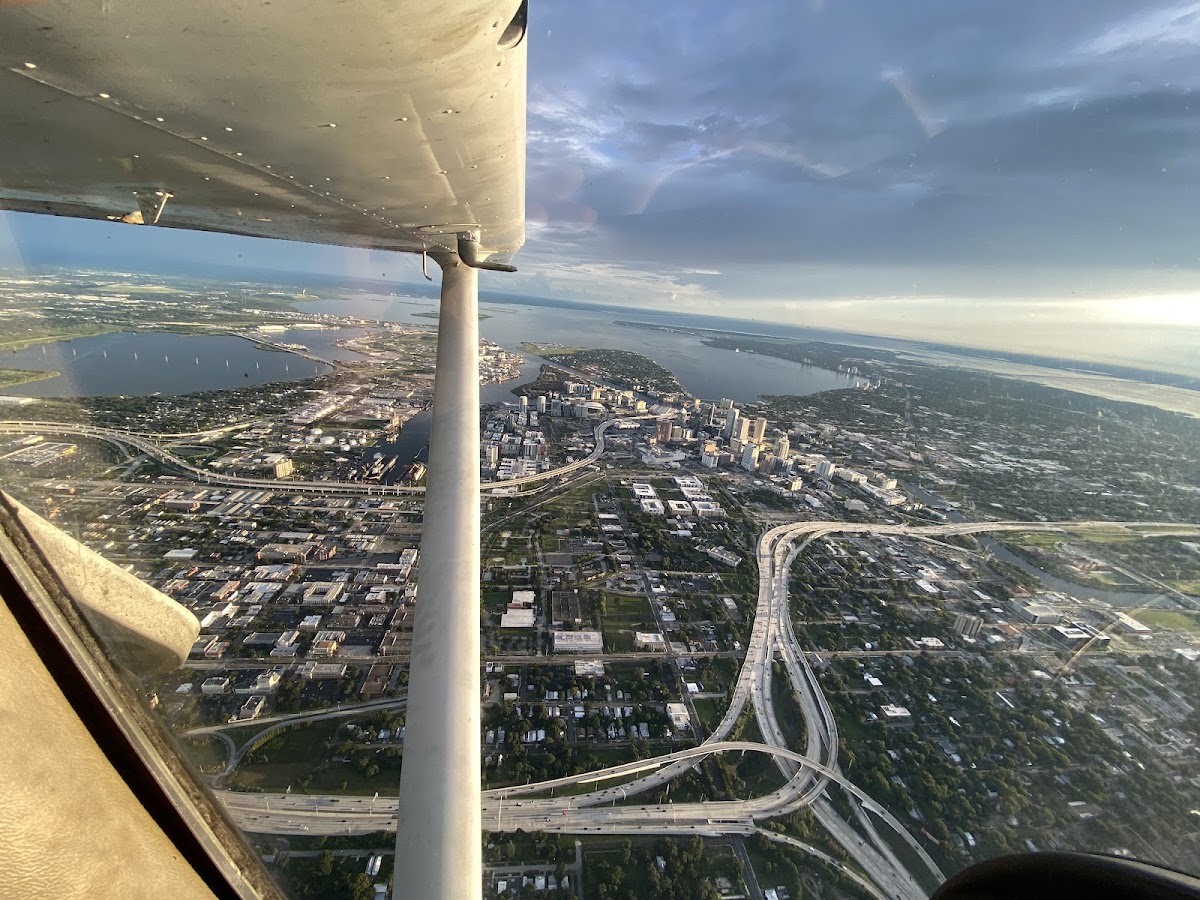
Lutz, FL · KX39
Miami, FL · KMIA
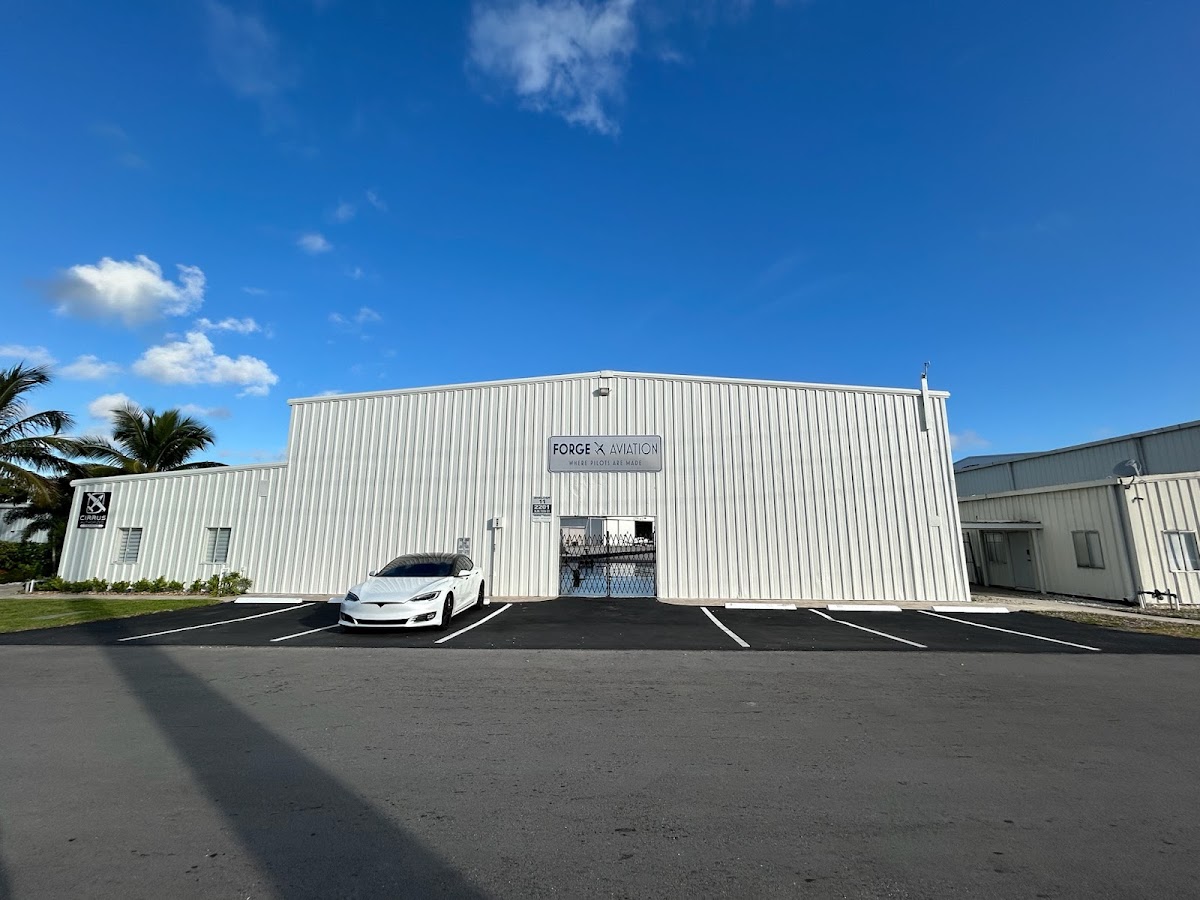
Fort Lauderdale, FL · KFXE
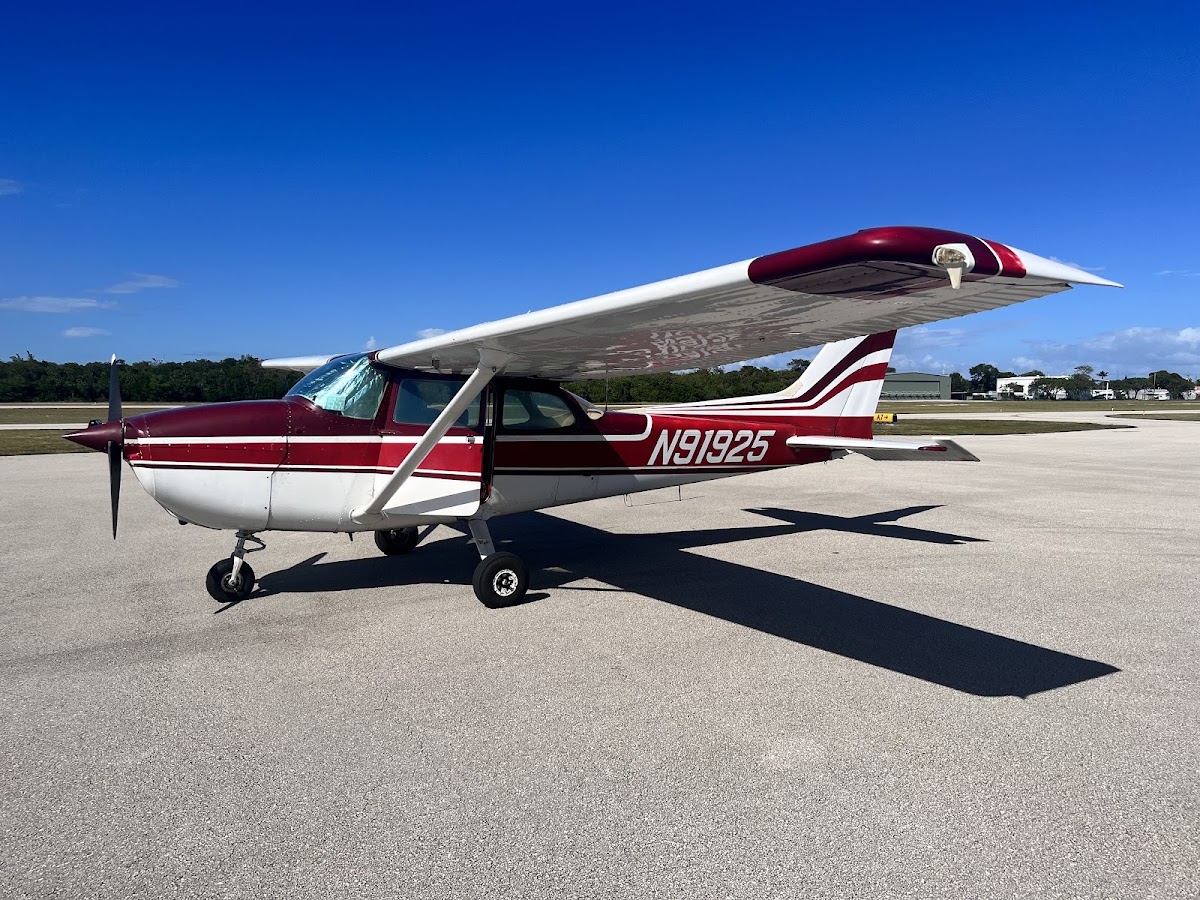
Miami, FL · KTMB
Zephyrhills, FL · KZPH
Miami, FL
Jacksonville, FL · KHEG
Kissimmee, FL · KISM
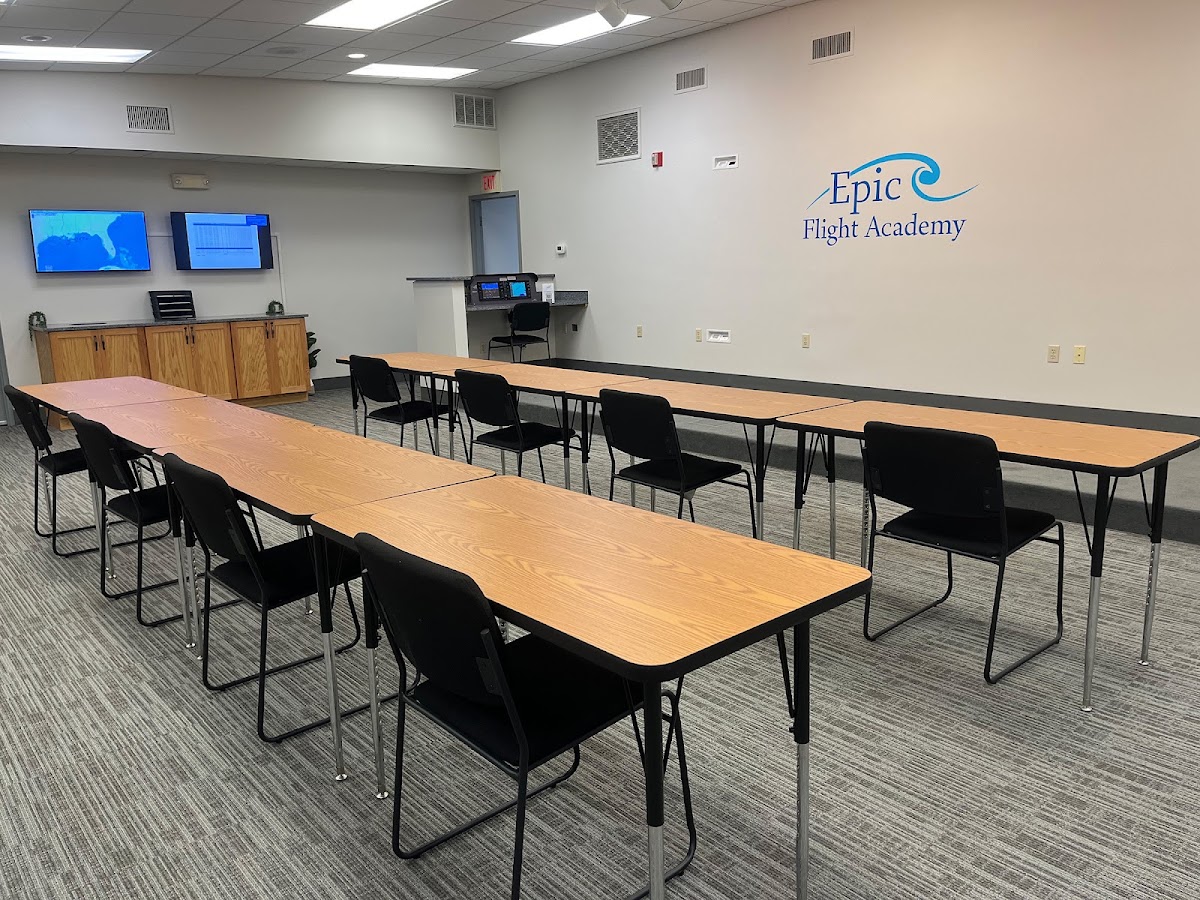
Tallahassee, FL · KTLH
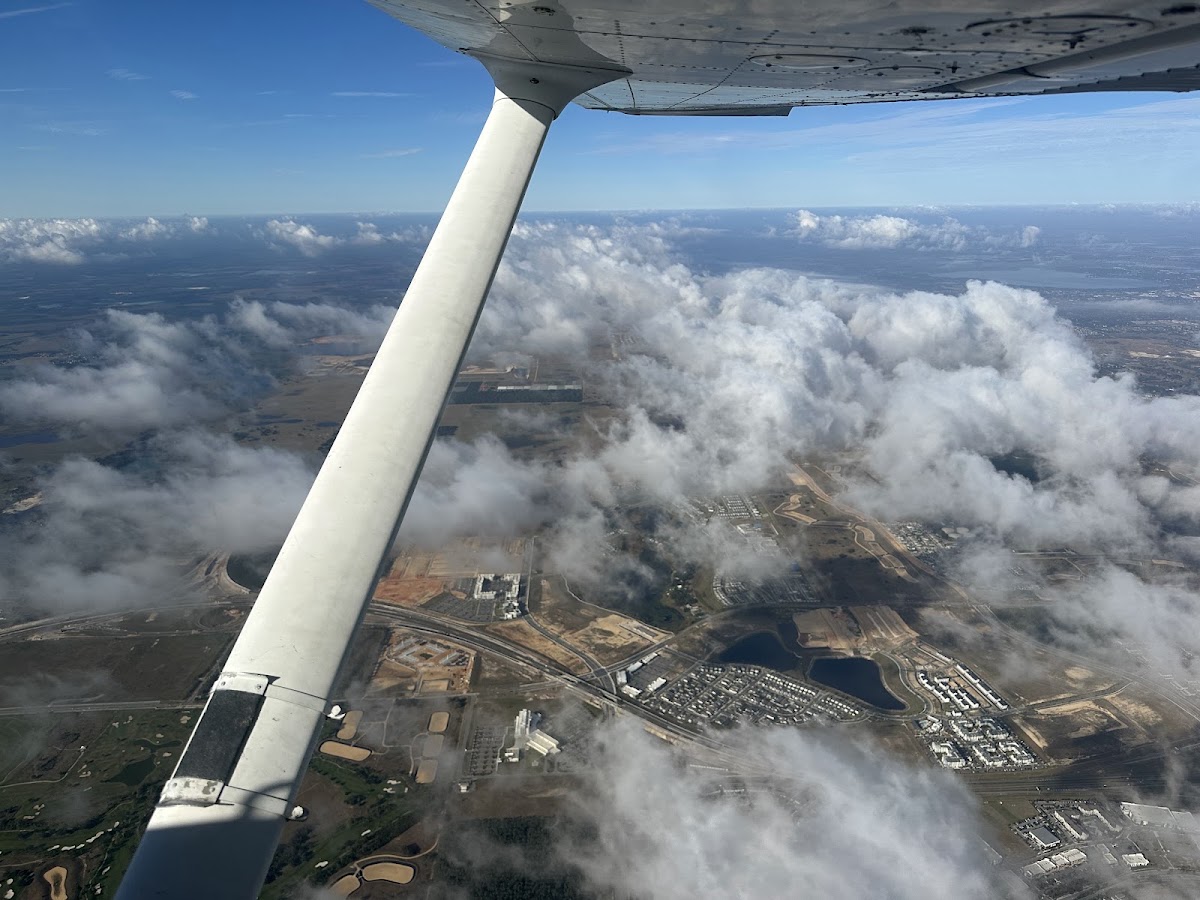
Clermont, FL
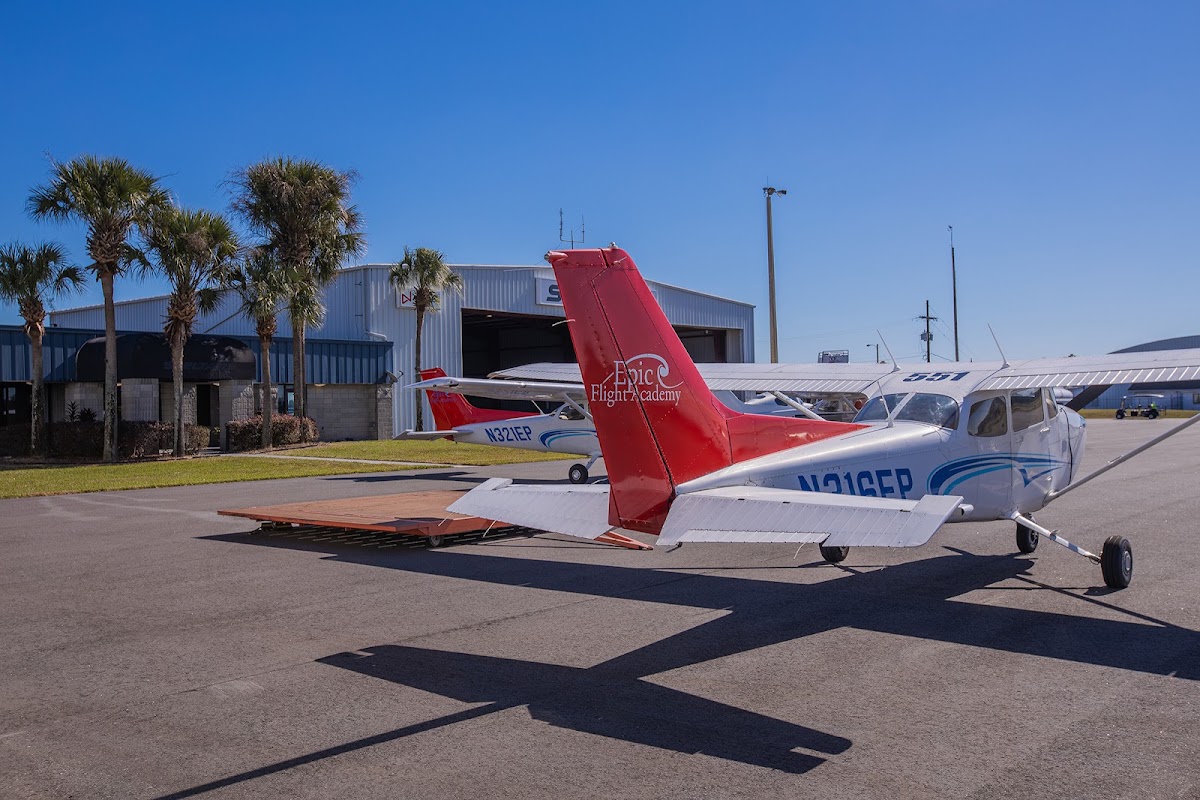
Ocala, FL · KOCF
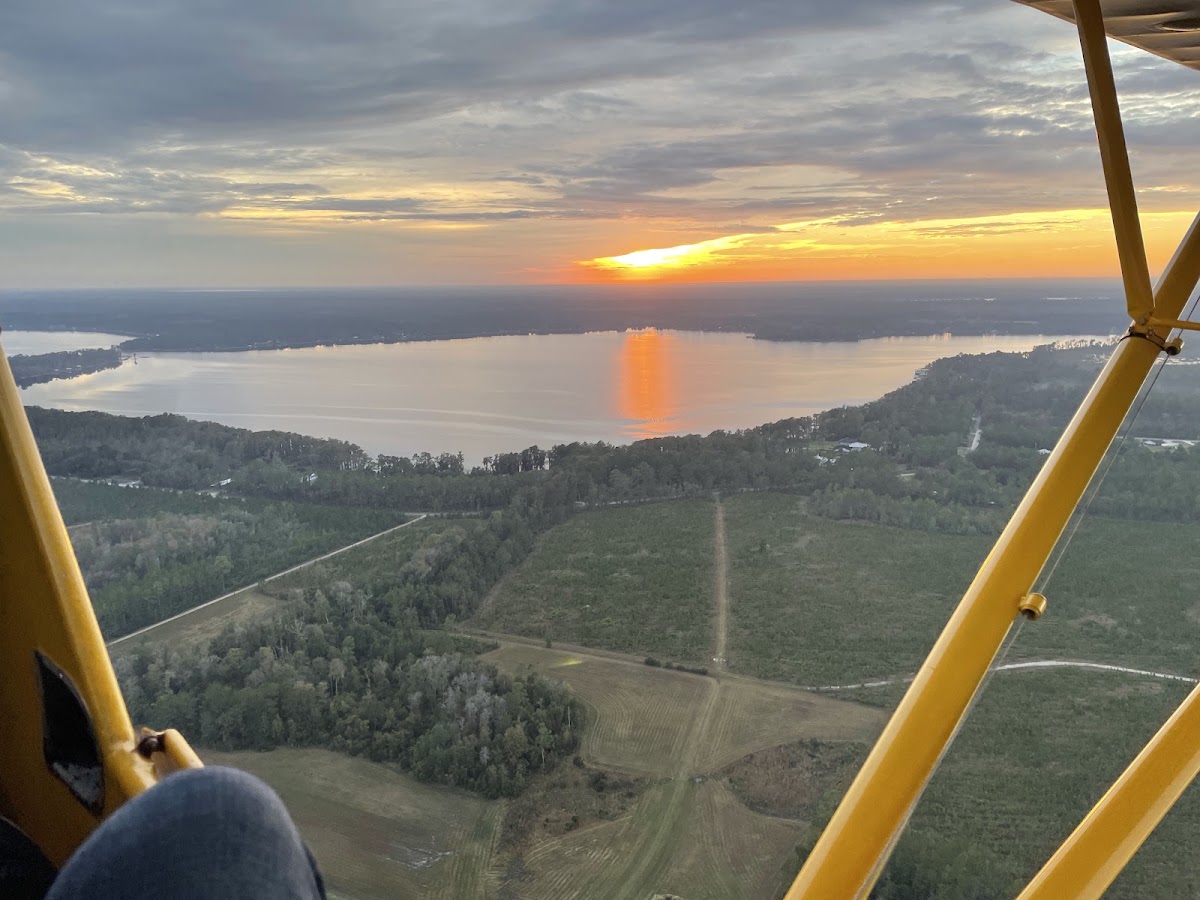
Starke, FL · K42J
Immokalee, FL · KIMM
Fort Lauderdale, FL · KFXE
Vero Beach, FL · KVRB
Lake Wales, FL · KX07
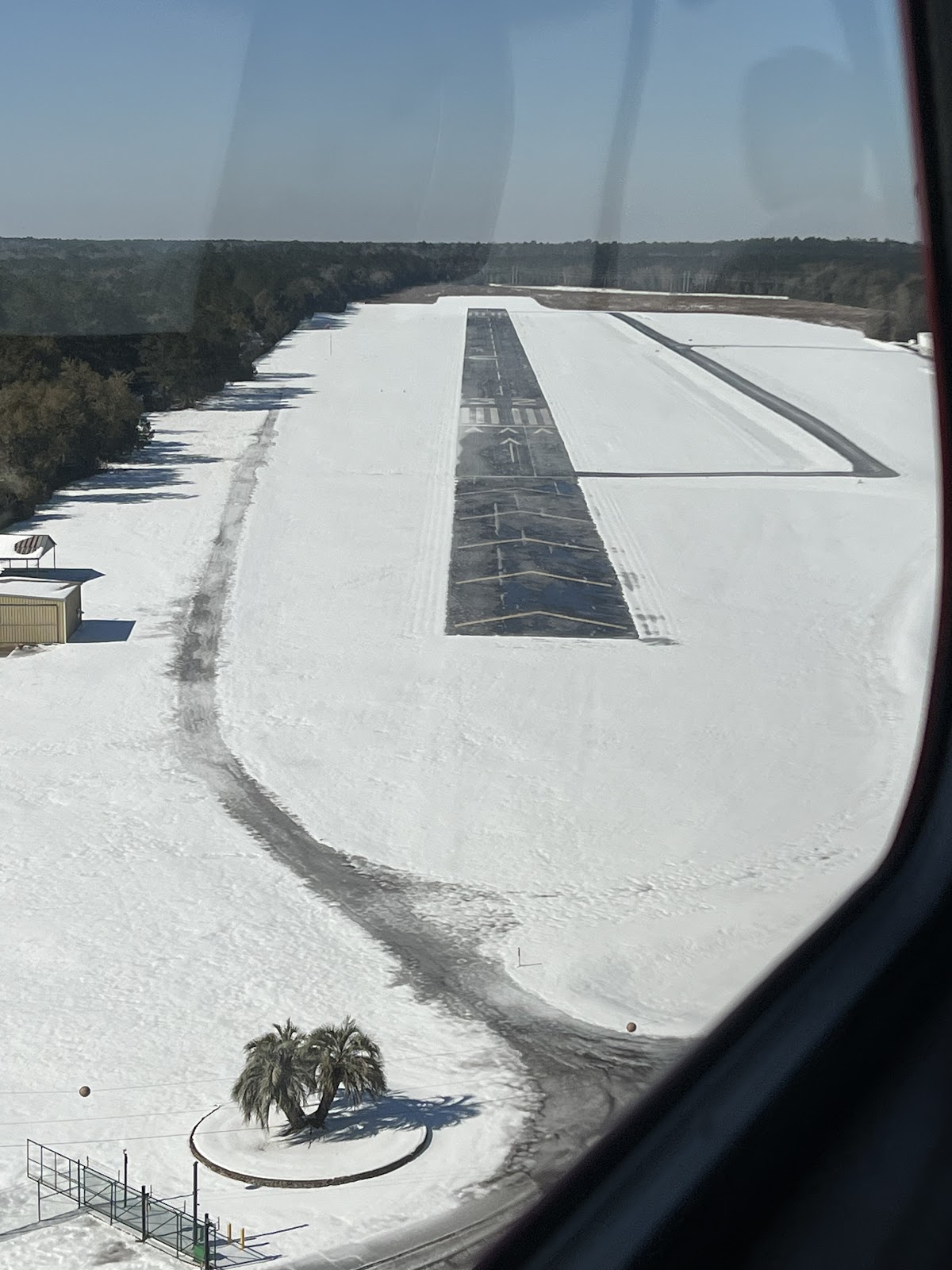
Quincy, FL · 2J9
Oldsmar, FL
Miami, FL · KMIA
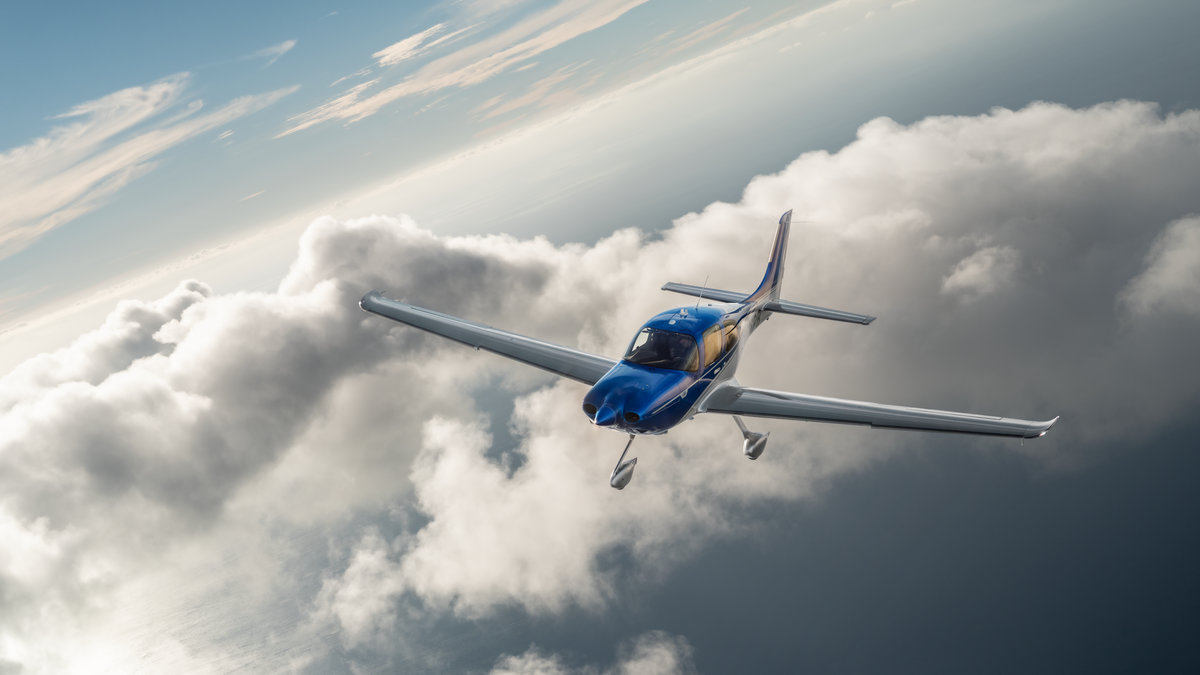
Orlando, FL · KORL
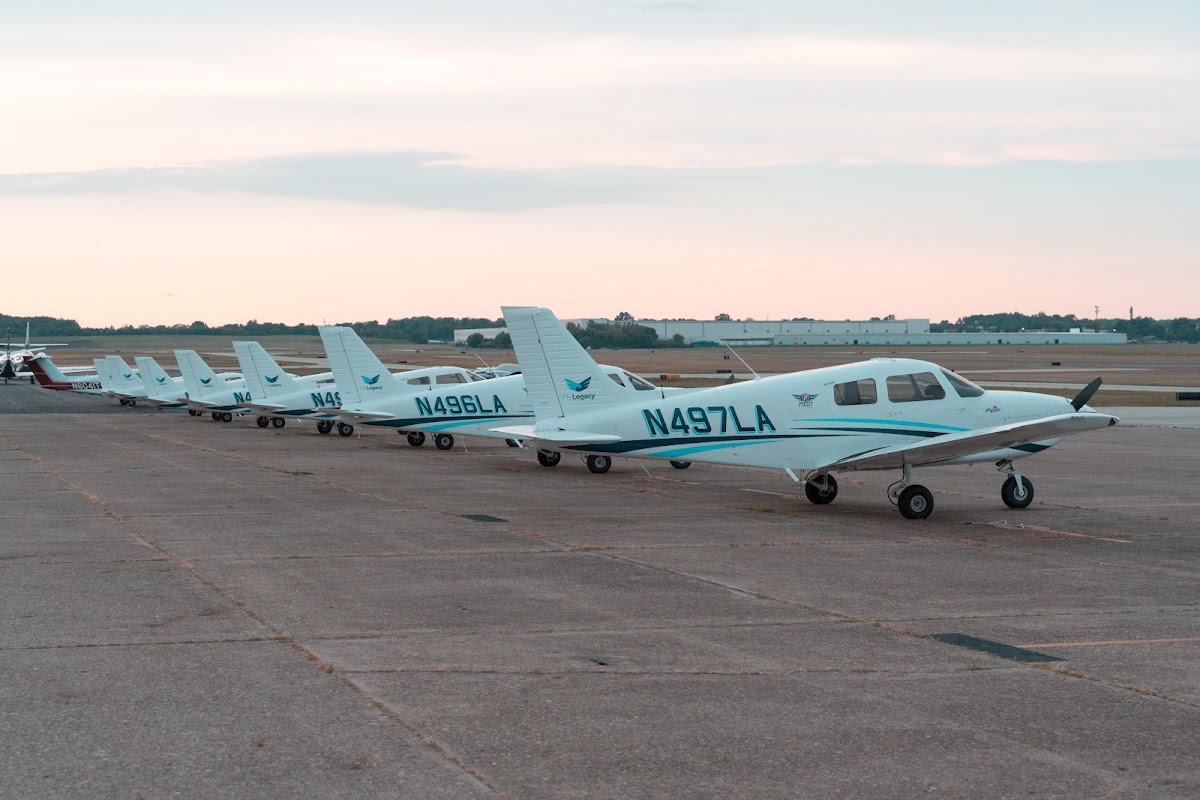
Pompano Beach, FL · KPMP
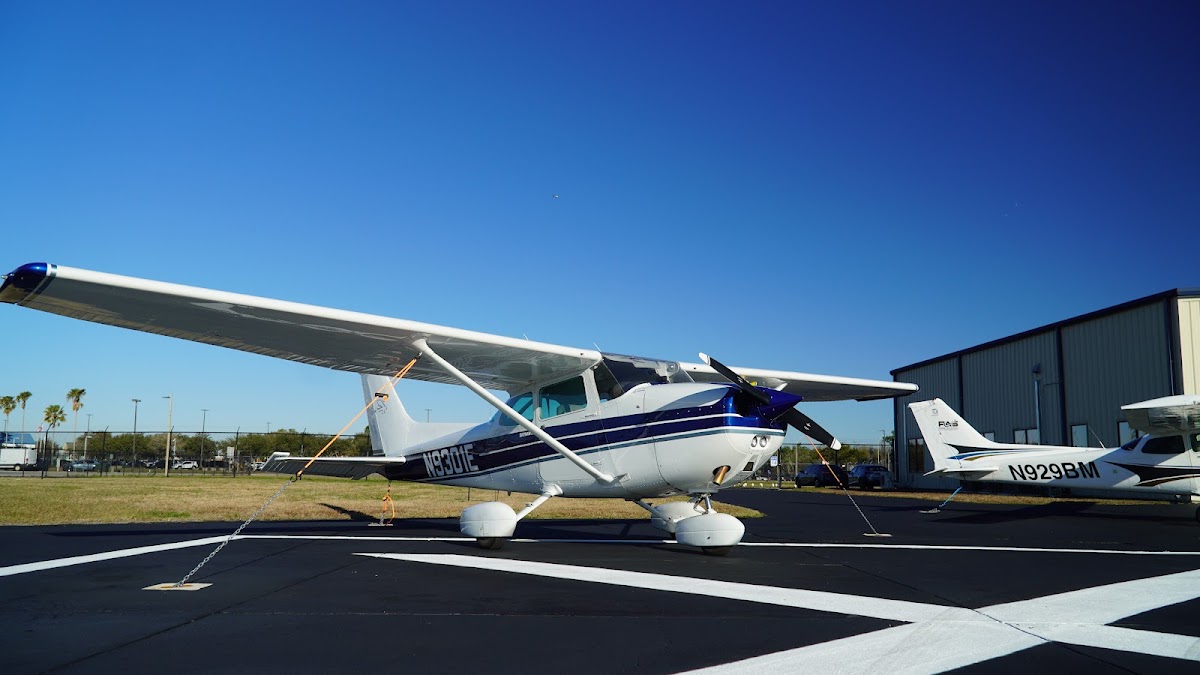
Lakeland, FL · KLAL
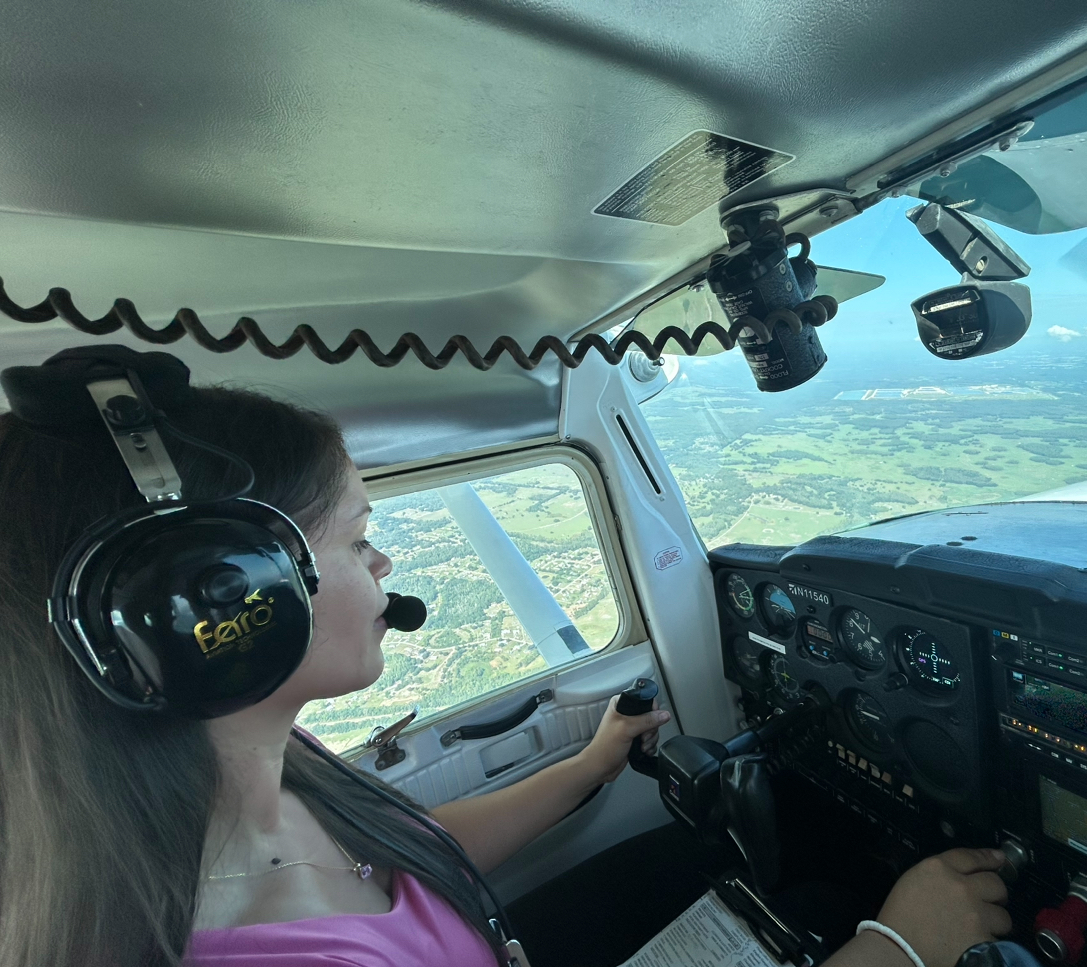
Lakeland, FL · KLAL
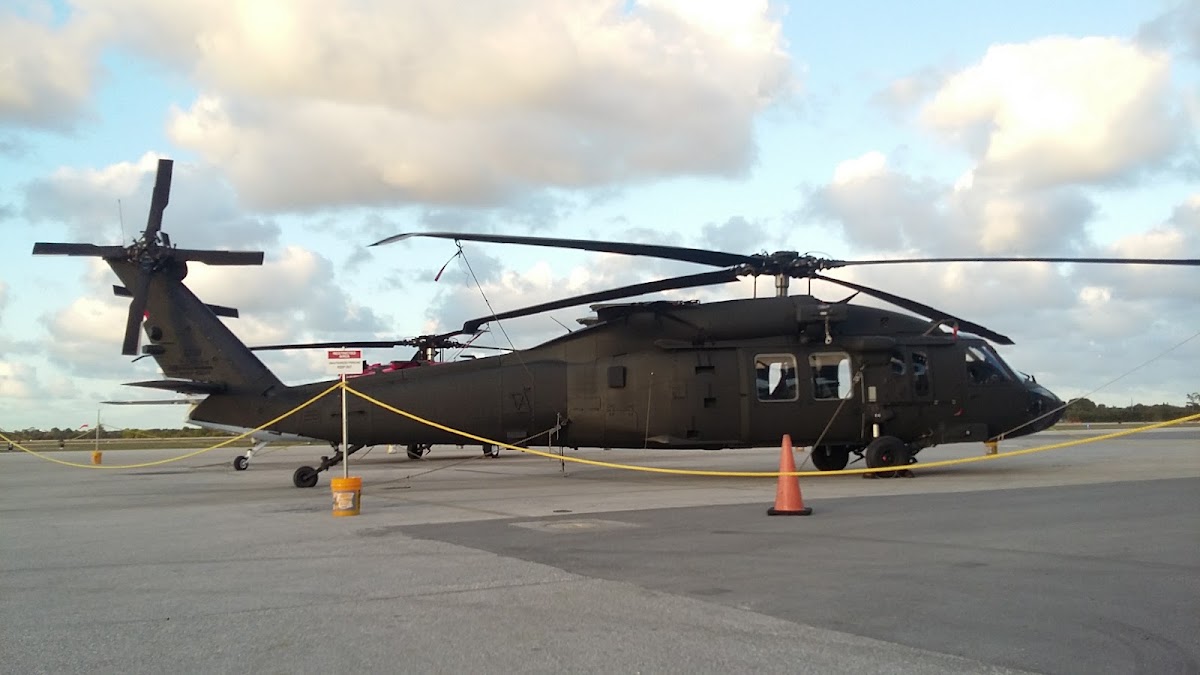
Lantana, FL · KLNA
Zephyrhills, FL · KZPH
Fort Lauderdale, FL · KFXE
Lutz, FL · FL35
Clearwater, FL · KPIE
Port Orange, FL · 7FL6
Jacksonville, FL · KHEG
Fort Lauderdale, FL · KFXE
Ocala, FL · KOCF
Sebring, FL · KSEF
Lakeland, FL · KLAL
Brooksville, FL · KBKV
Sanford, FL · KSFB
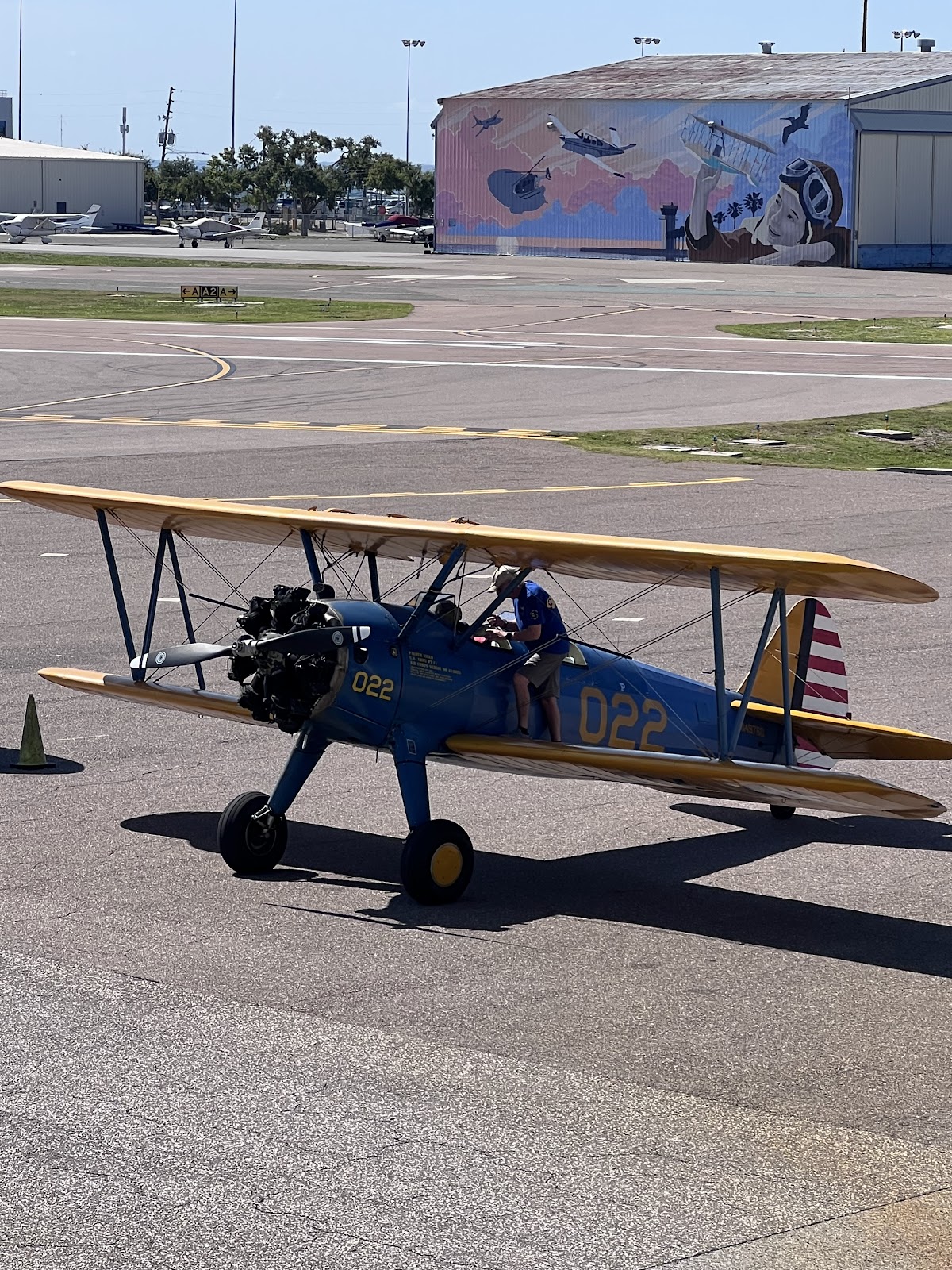
St. Petersburg, FL · KSPG
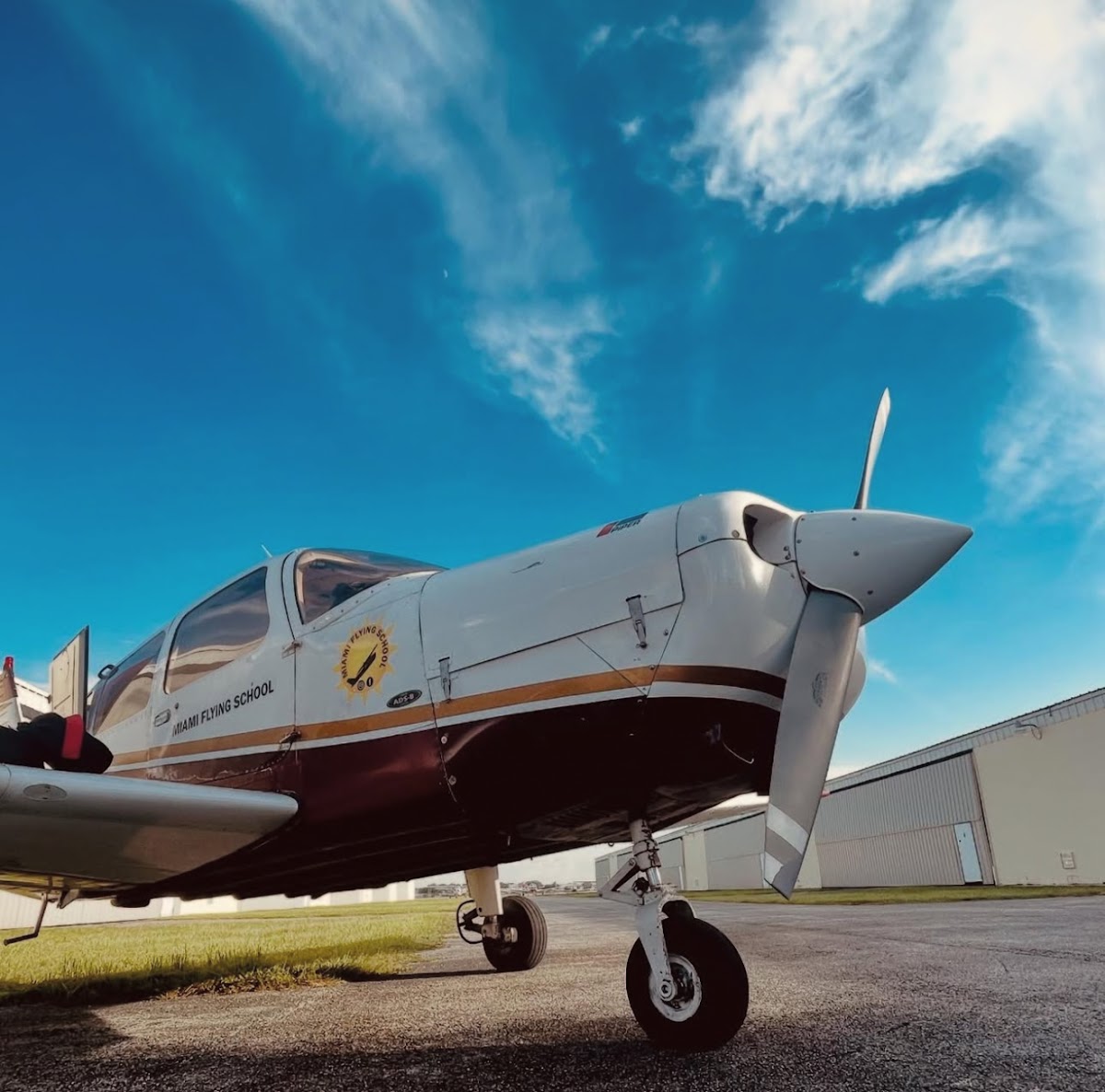
Miami, FL · KTMB
Sarasota, FL · KSRQ
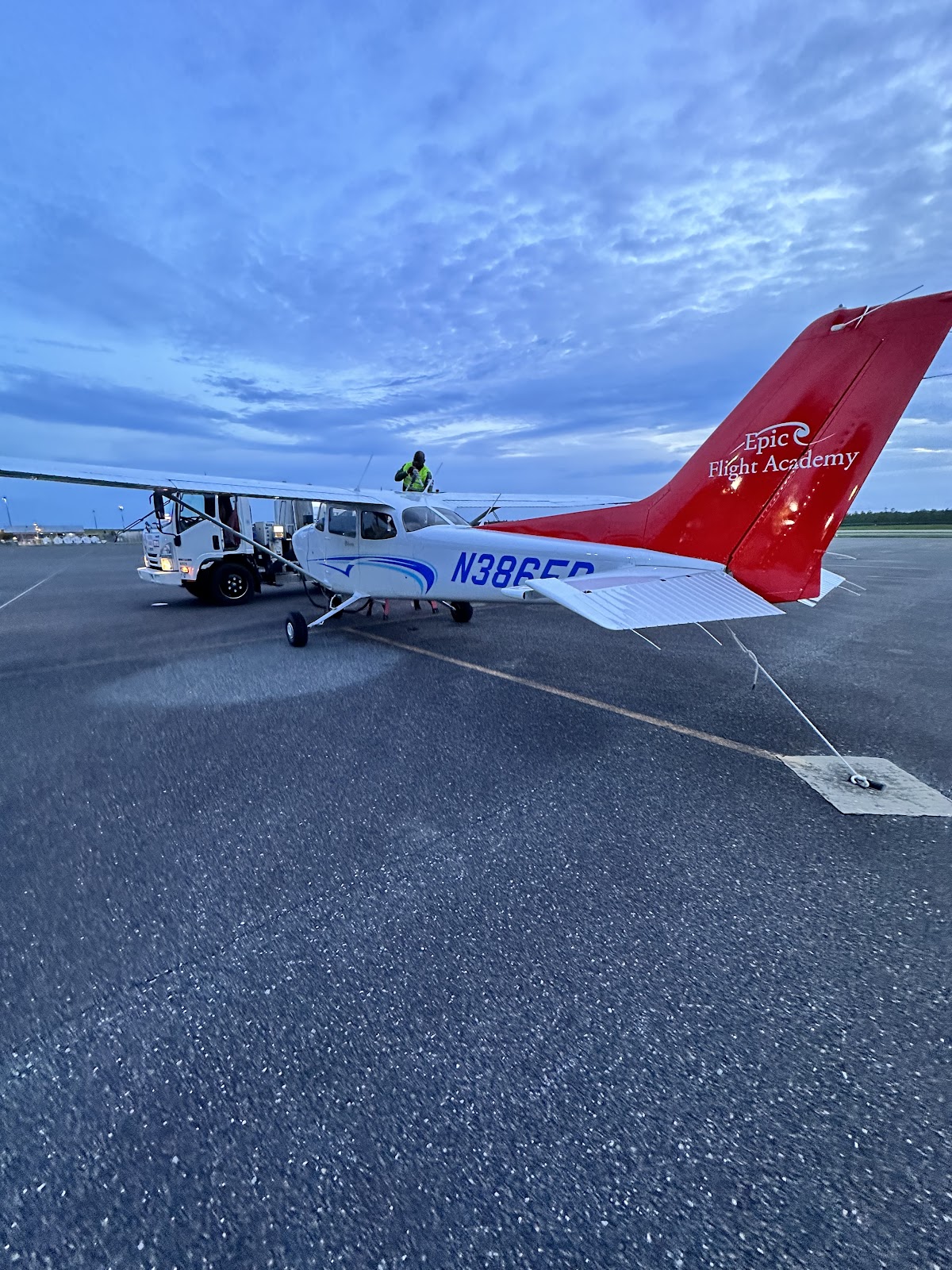
Jacksonville, FL · KHEG
Miami, FL · KMIA
Jacksonville, FL · KHEG
Orlando, FL · KORL
Kissimmee, FL · KISM

Orlando, FL · KORL
Miami, FL
Kissimmee, FL · KISM
Fort Pierce, FL · KFPR
Stuart, FL · KSUA
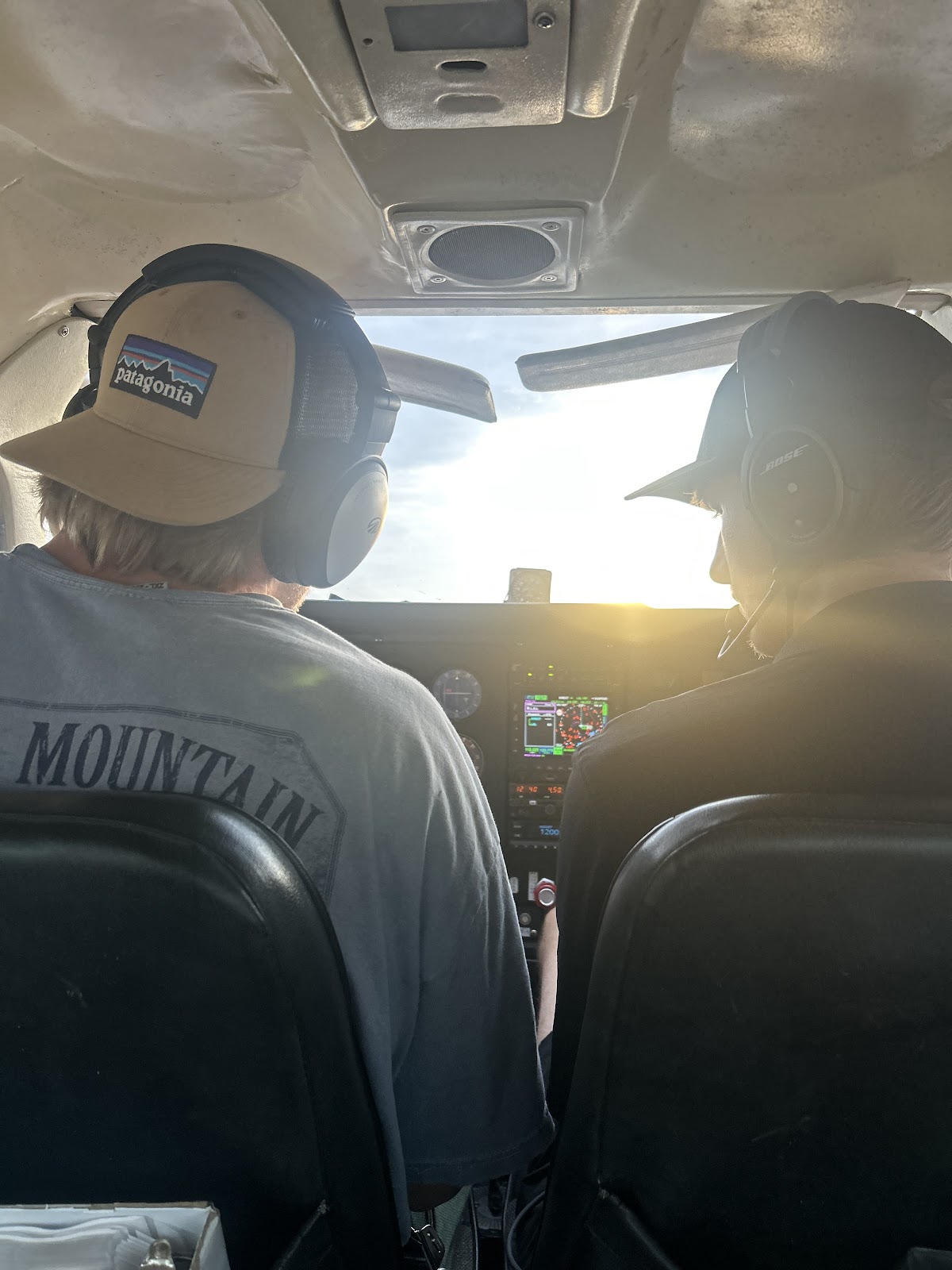
Lakeland, FL · KLAL
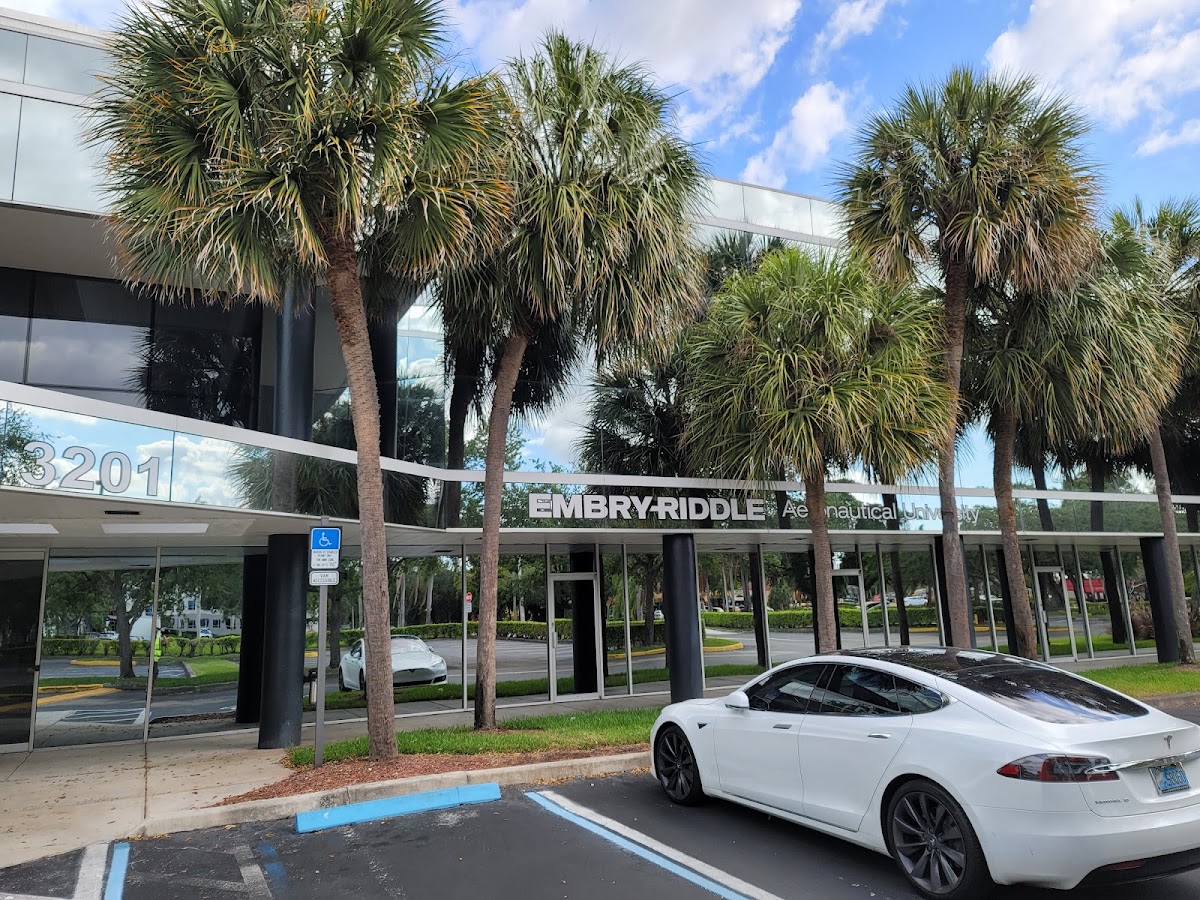
Fort Lauderdale, FL · KFXE
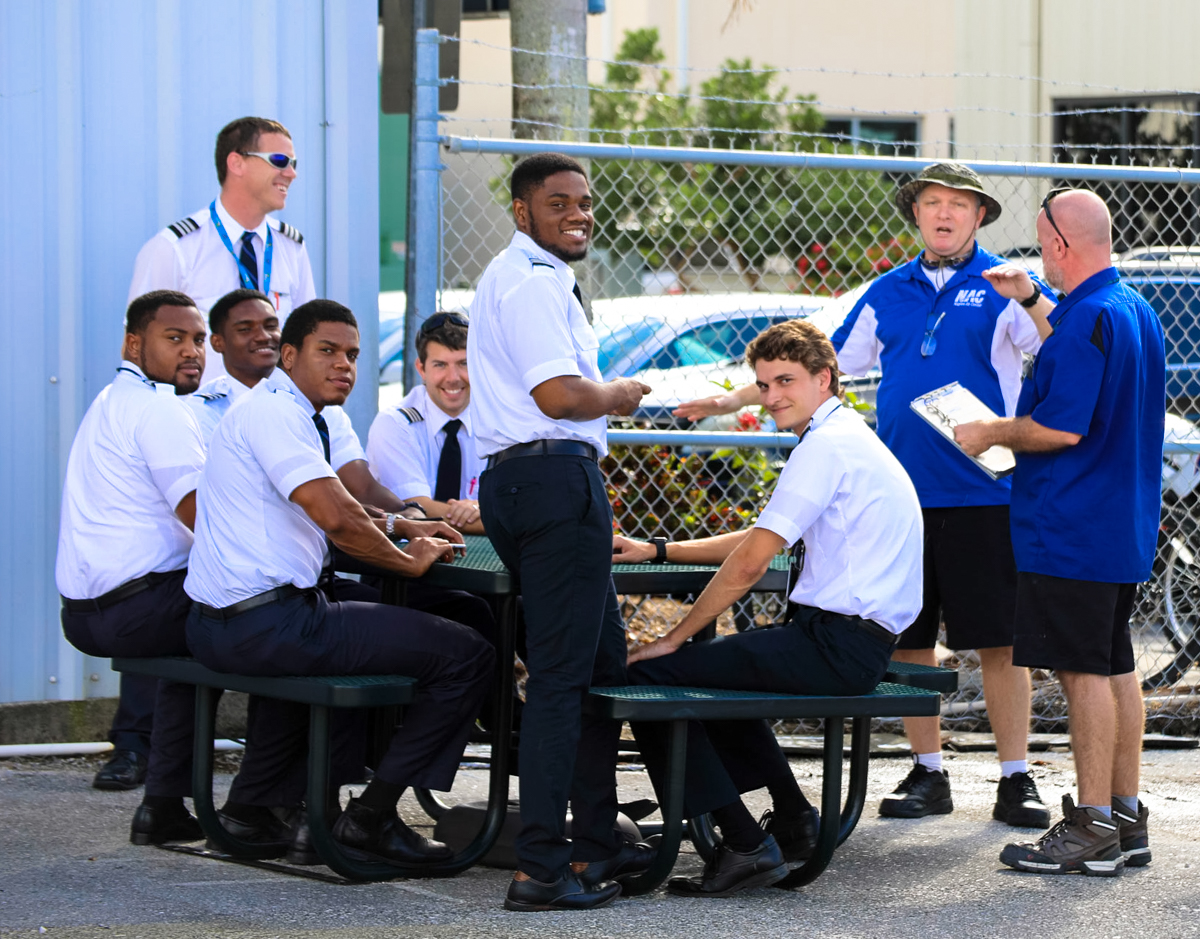
Miami, FL
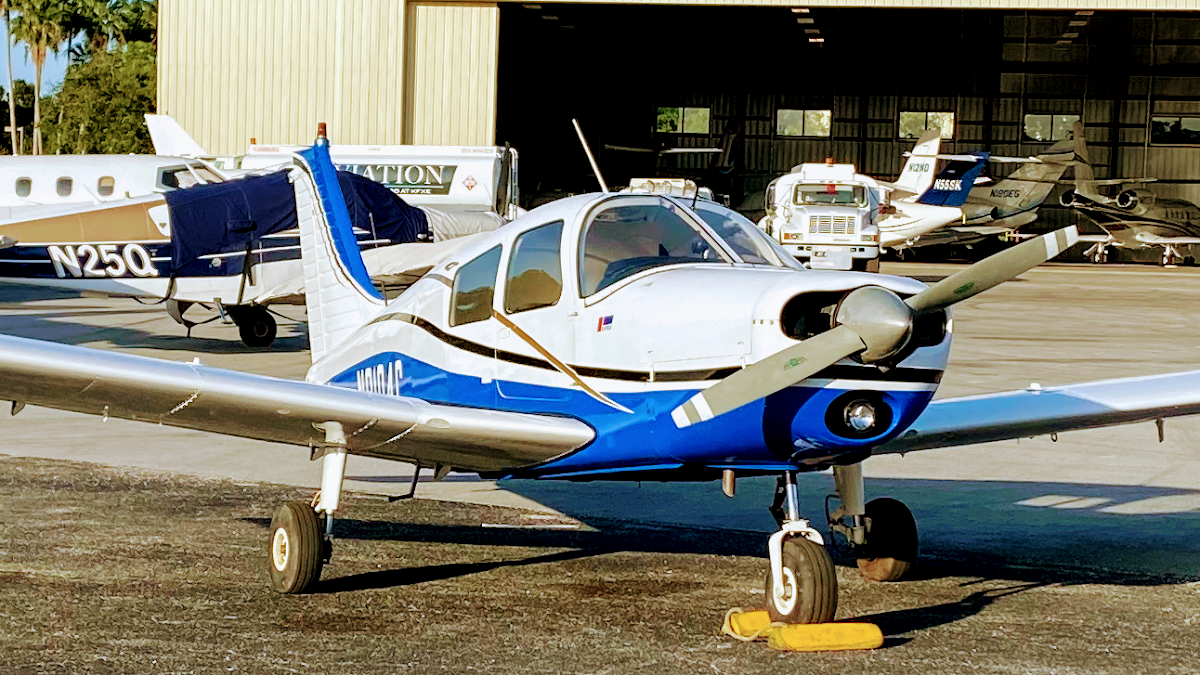
Fort Lauderdale, FL · KFXE
Daytona Beach, FL · KDAB
Lakeland, FL · KLAL
Daytona Beach, FL · KDAB
Jacksonville, FL · KHEG
Daytona Beach, FL · KDAB
Seminole, FL
Clearwater, FL · KPIE
Miami, FL · KTMB
Lakeland, FL · KLAL
Orlando, FL · KORL
St. Petersburg, FL · KSPG
Daytona Beach, FL · KDAB
Miami, FL · KTMB
Miami, FL · KMIA
Tampa, FL · KMCF
Sarasota, FL

Pensacola, FL · K82J
Pensacola, FL · K82J
Jacksonville, FL · KVQQ
Clearwater, FL · KPIE
Sarasota, FL · KSRQ
Vero Beach, FL · KVRB
Pompano Beach, FL · KPMP
Lakeland, FL · KLAL
Atlantis, FL · KLNA
Orlando, FL · KORL
Melbourne, FL · KMLB
Fort Lauderdale, FL · KFXE
Winter Haven, FL · KGIF
Clearwater, FL · KPIE
Orlando, FL · KORL
Kissimmee, FL · KISM
Melbourne, FL · KMLB
Orlando, FL · KORL
Apopka, FL · KX04
Lakeland, FL · KLAL
Jacksonville, FL · KCRG
Jacksonville, FL · KHEG
Jacksonville, FL · KCRG
Fort Myers, FL · KFMY
Lantana, FL · KLNA
Opa-locka, FL · KOPF
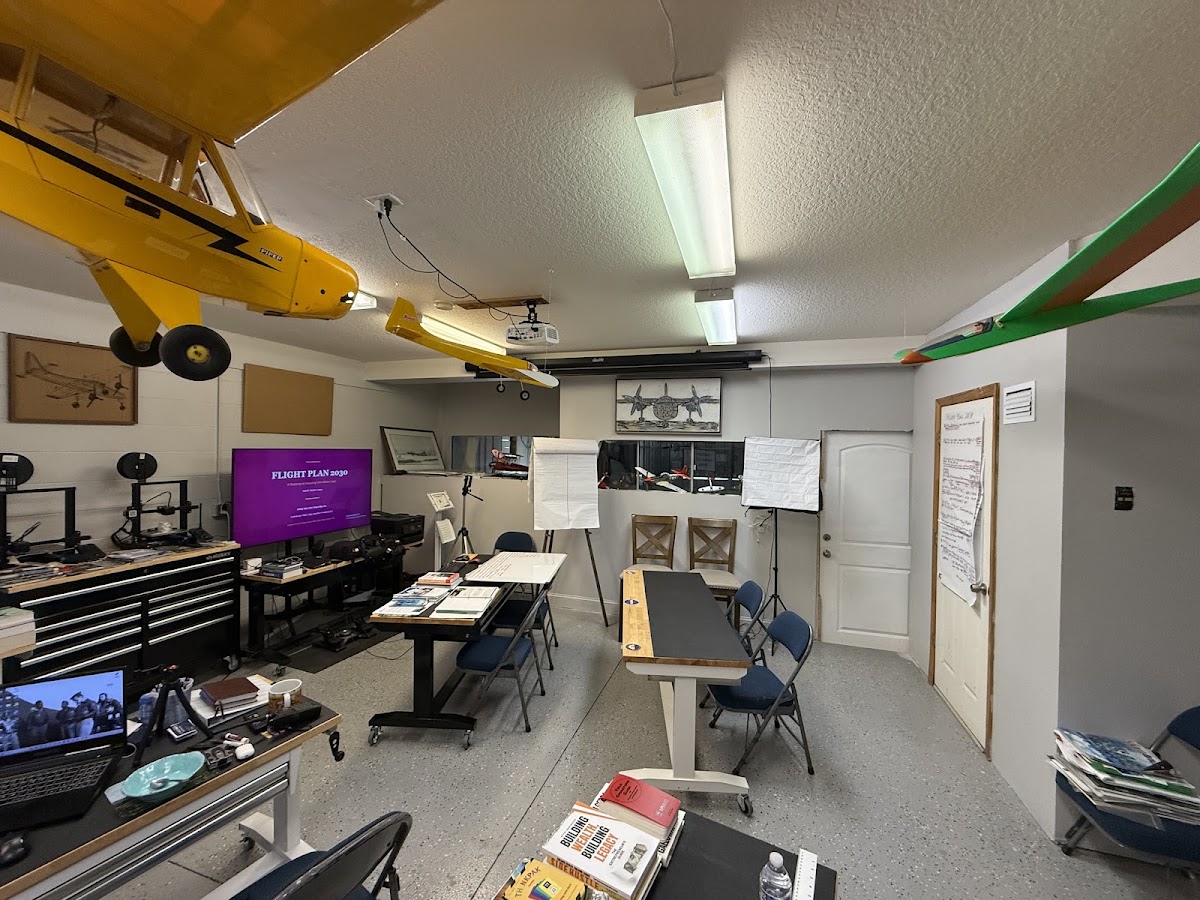
Lutz, FL · KX39
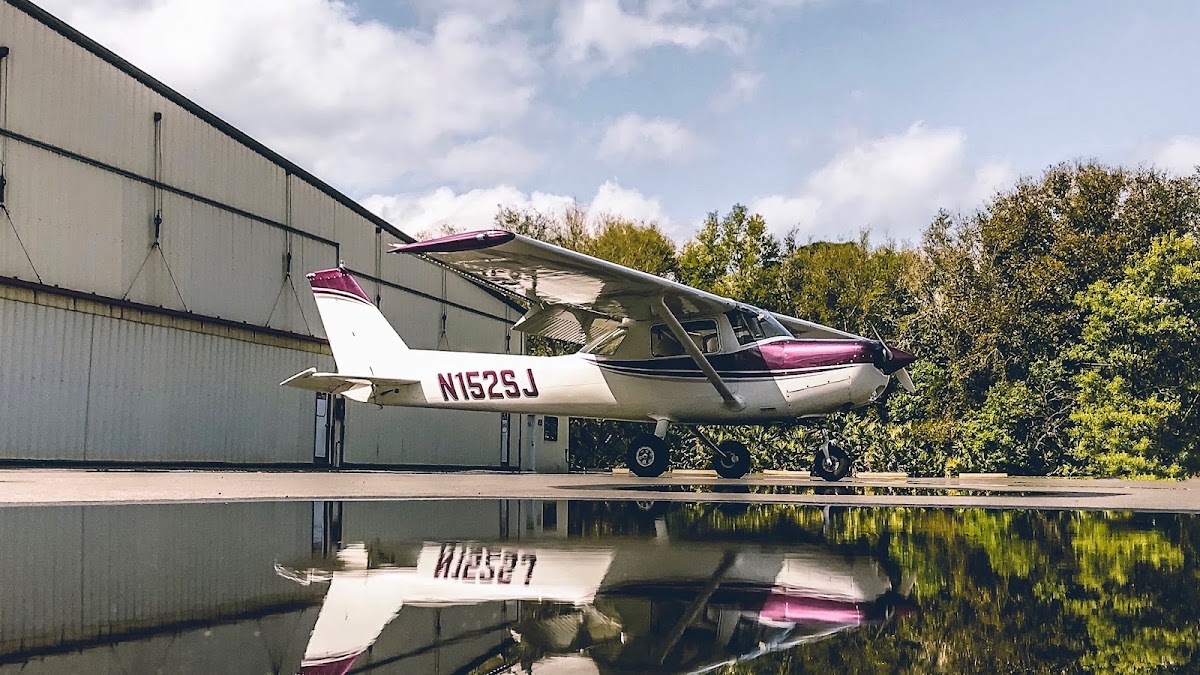
Jacksonville, FL · KCRG
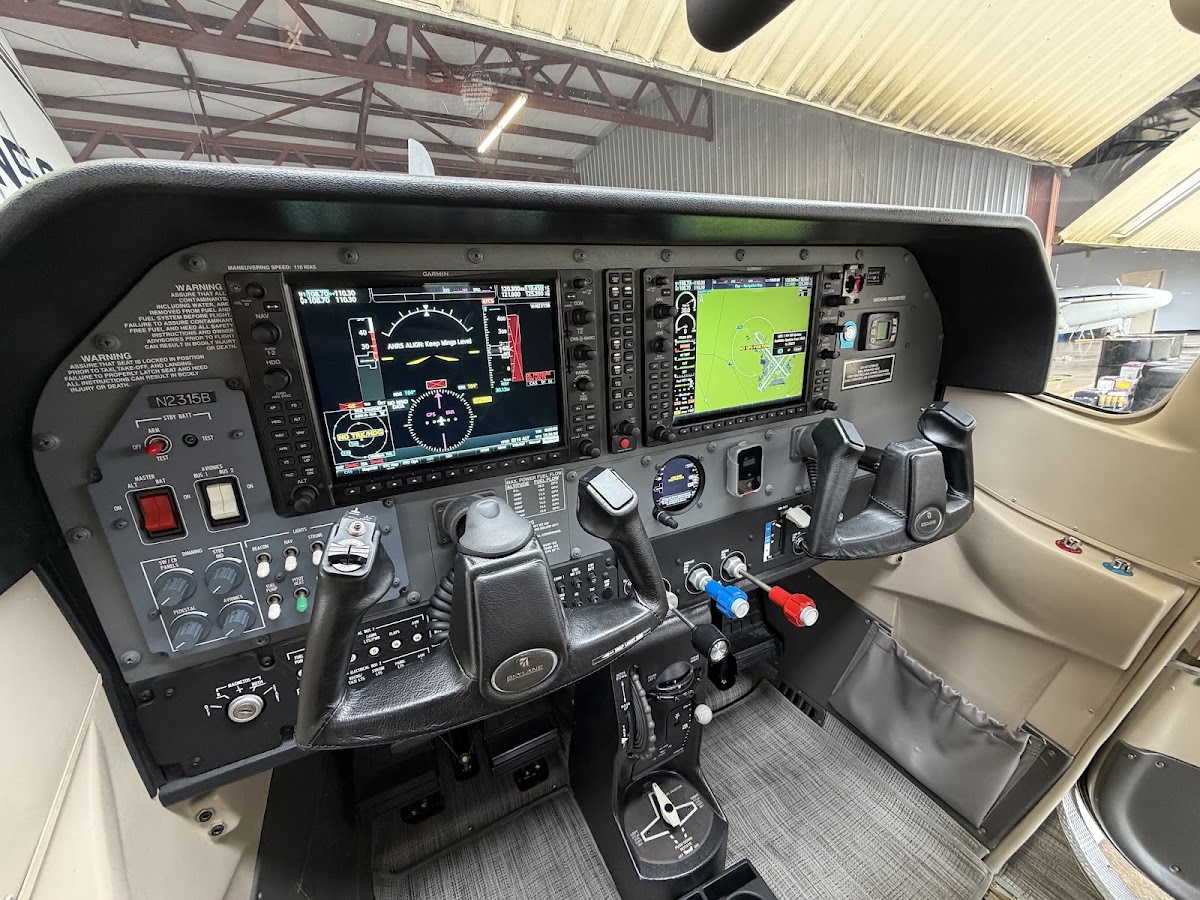
Sarasota, FL · KSRQ

Fort Lauderdale, FL · KFXE
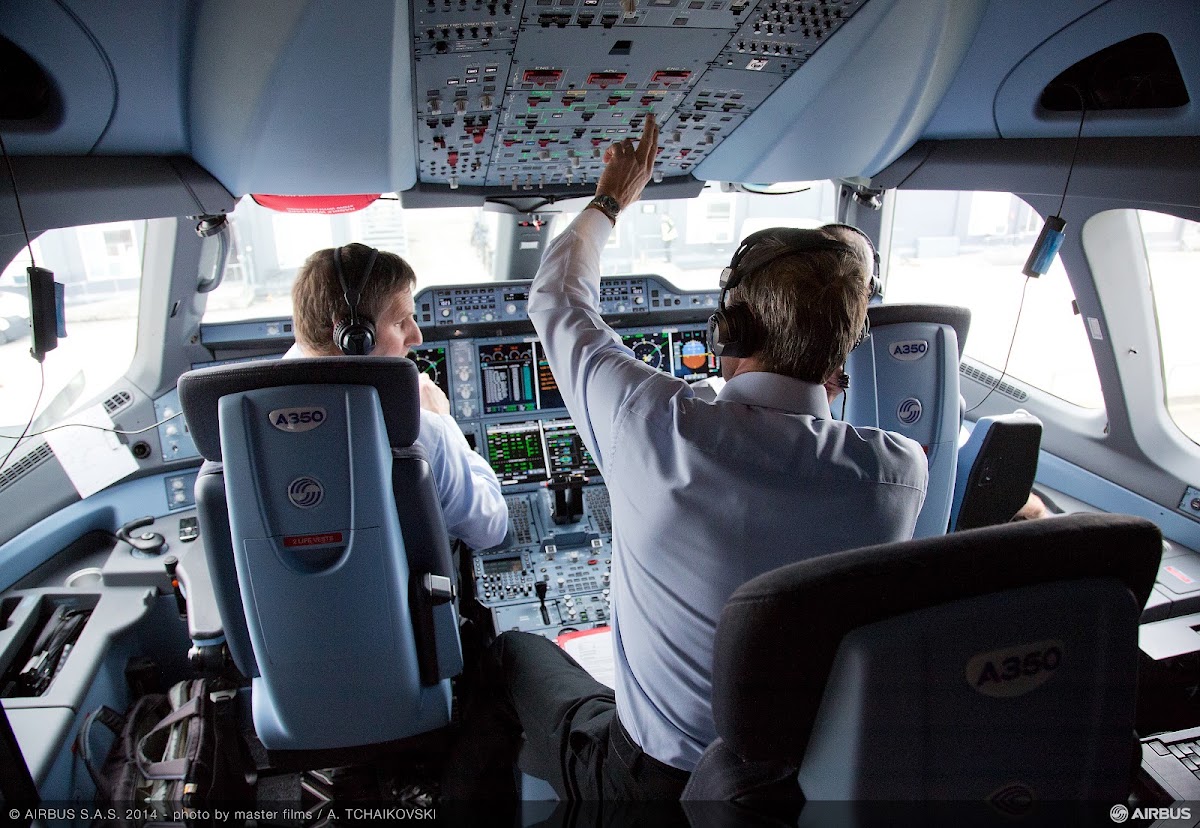
Virginia Gardens, FL · KMIA
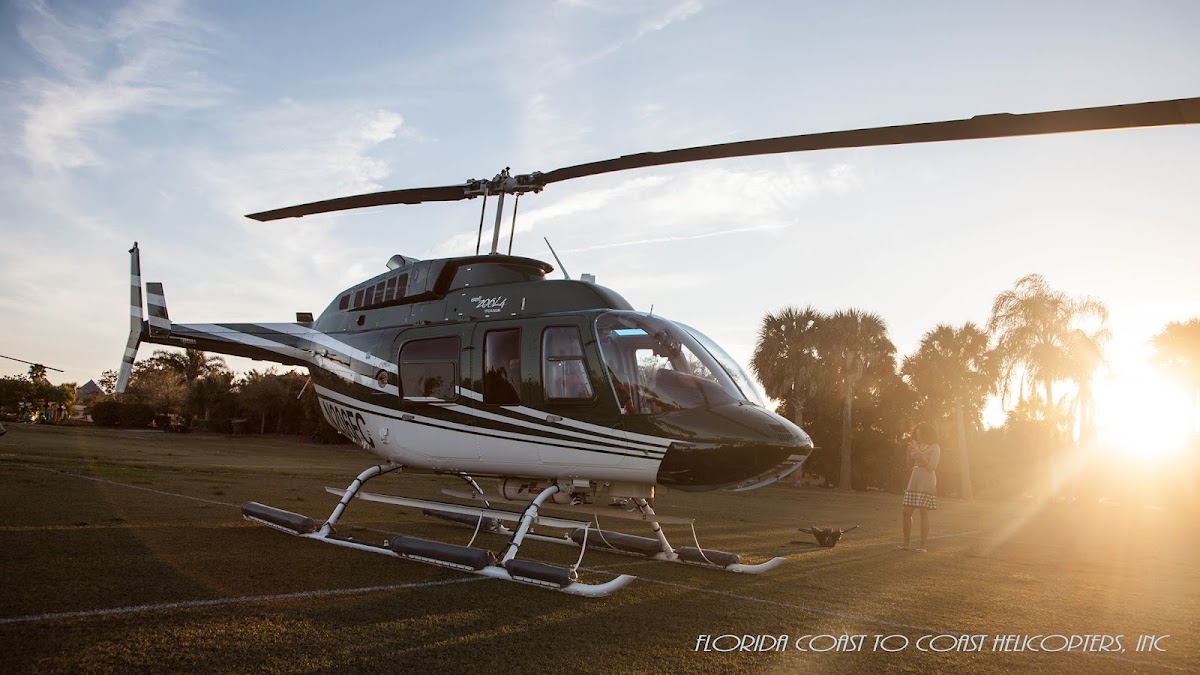
Pompano Beach, FL · KPMP
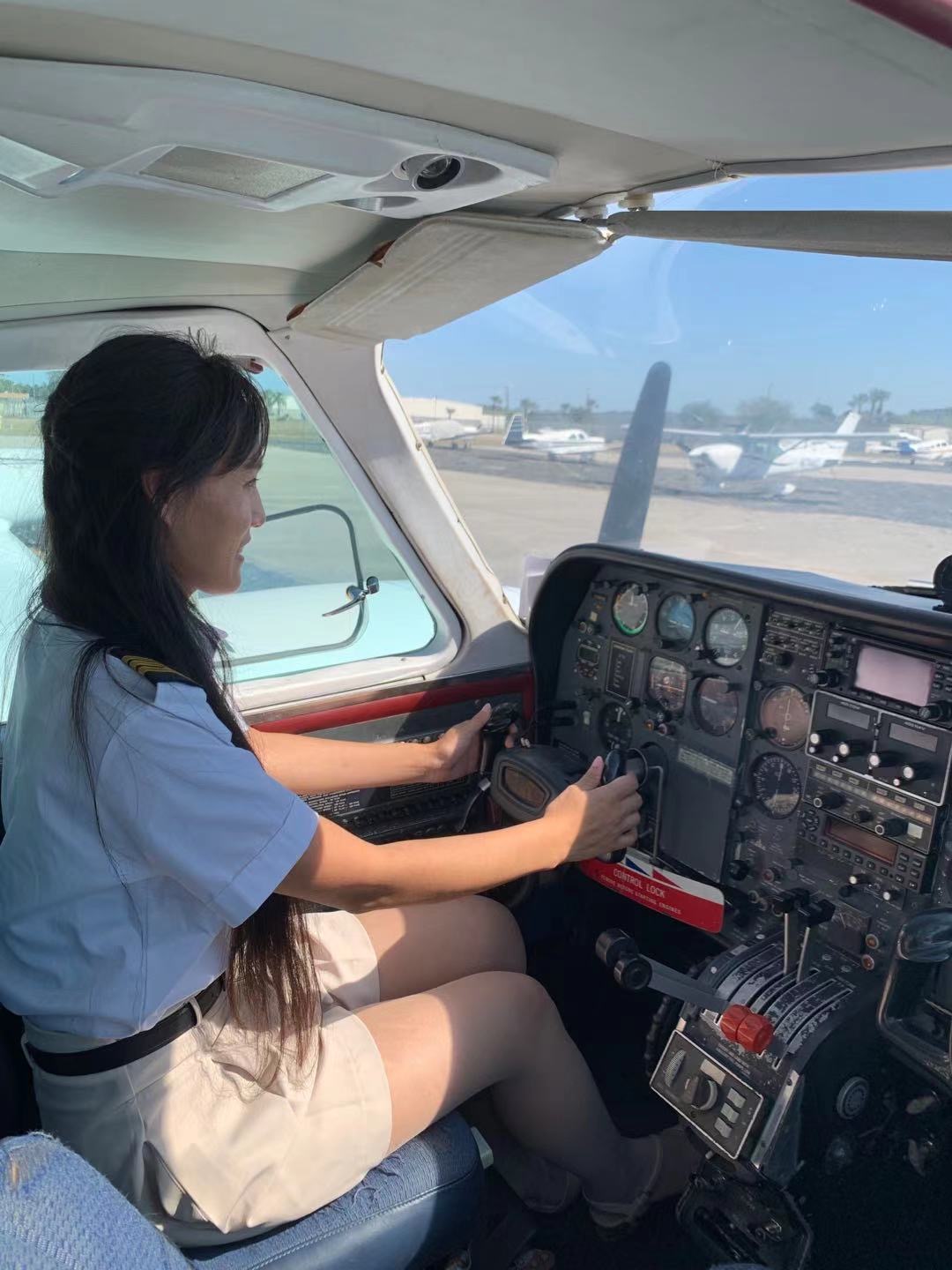
Daytona Beach, FL · KDAB
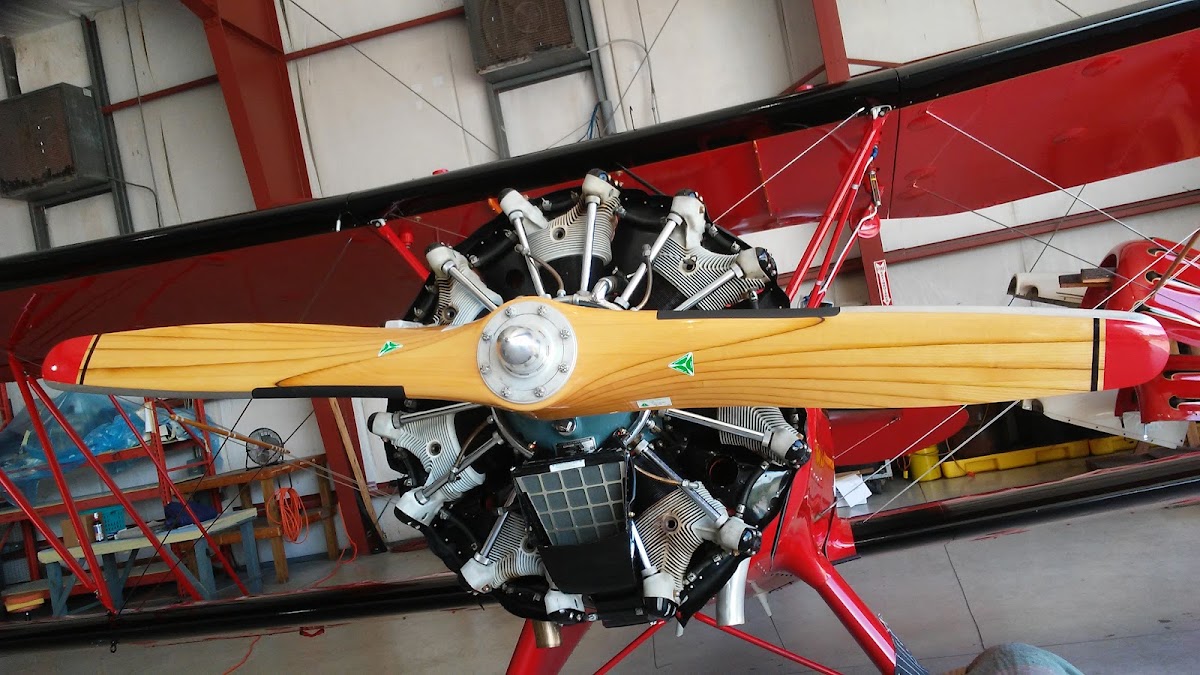
St. Augustine, FL · KSGJ
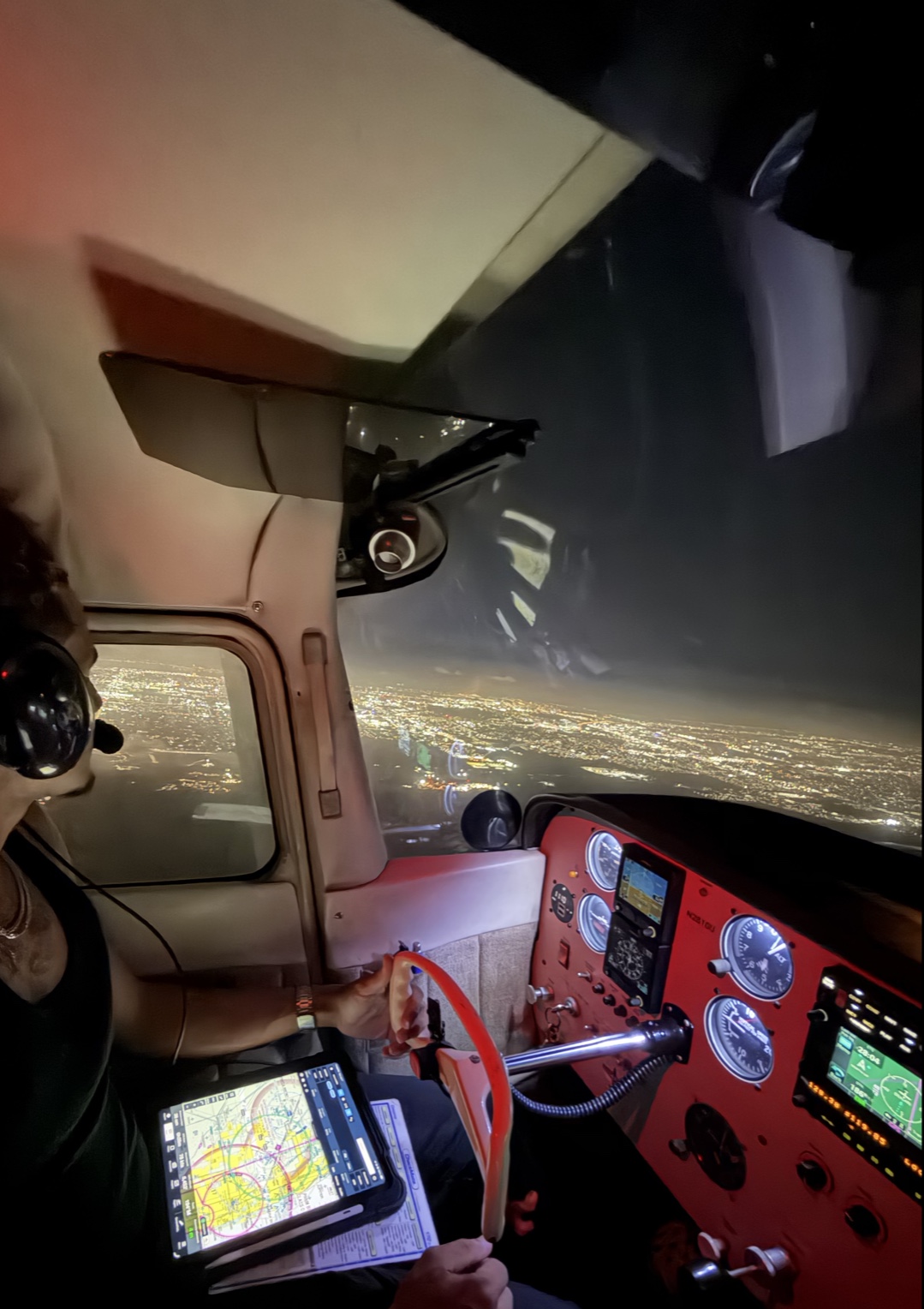
Fort Lauderdale, FL · KFXE
Lakeland, FL · KLAL
Orlando, FL · KORL
Bartow, FL · KBOW
Fort Lauderdale, FL · KFLL
Fort Myers, FL · KFMY
Pembroke Pines, FL · KHWO
Fort Lauderdale, FL · KFXE
Fort Lauderdale, FL · KFXE
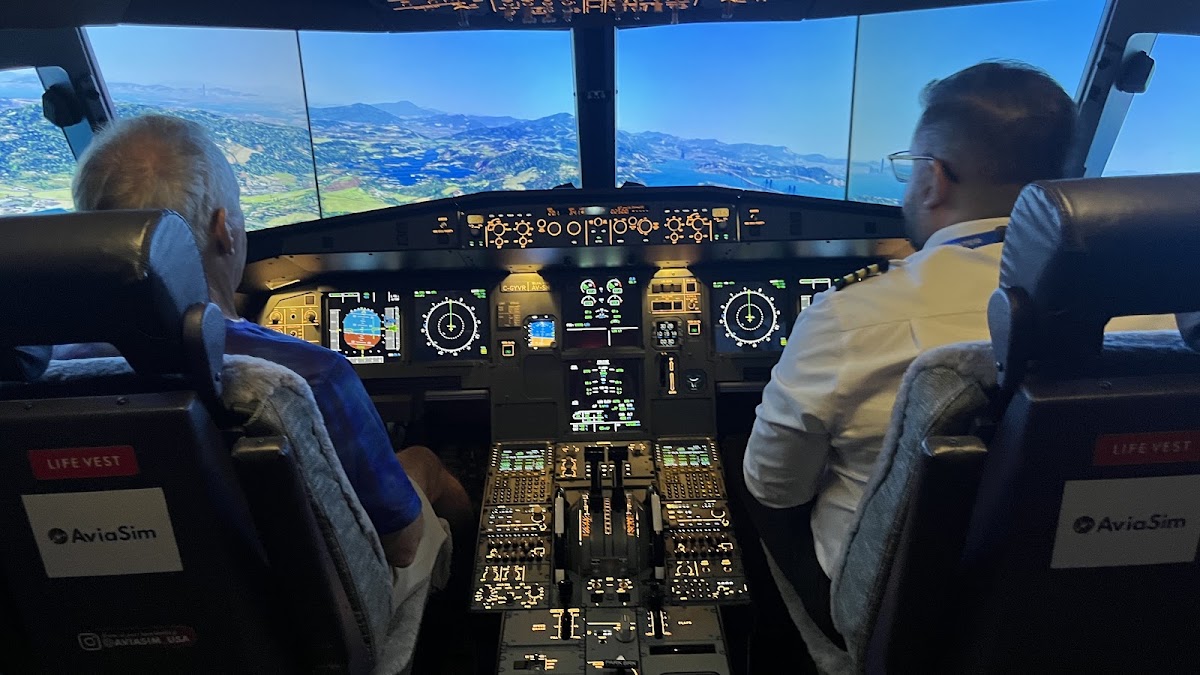
Dania Beach, FL · KFLL
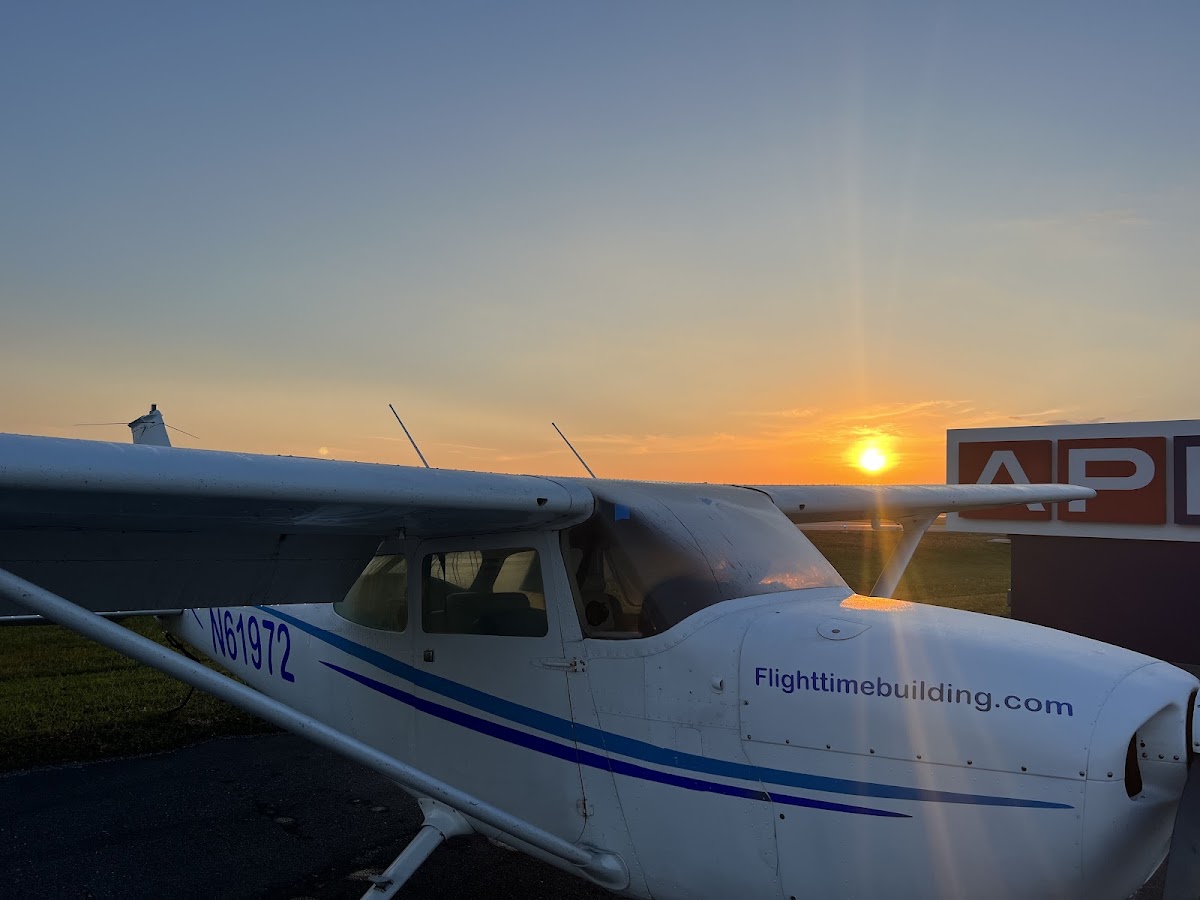
Edgewater, FL · KX50
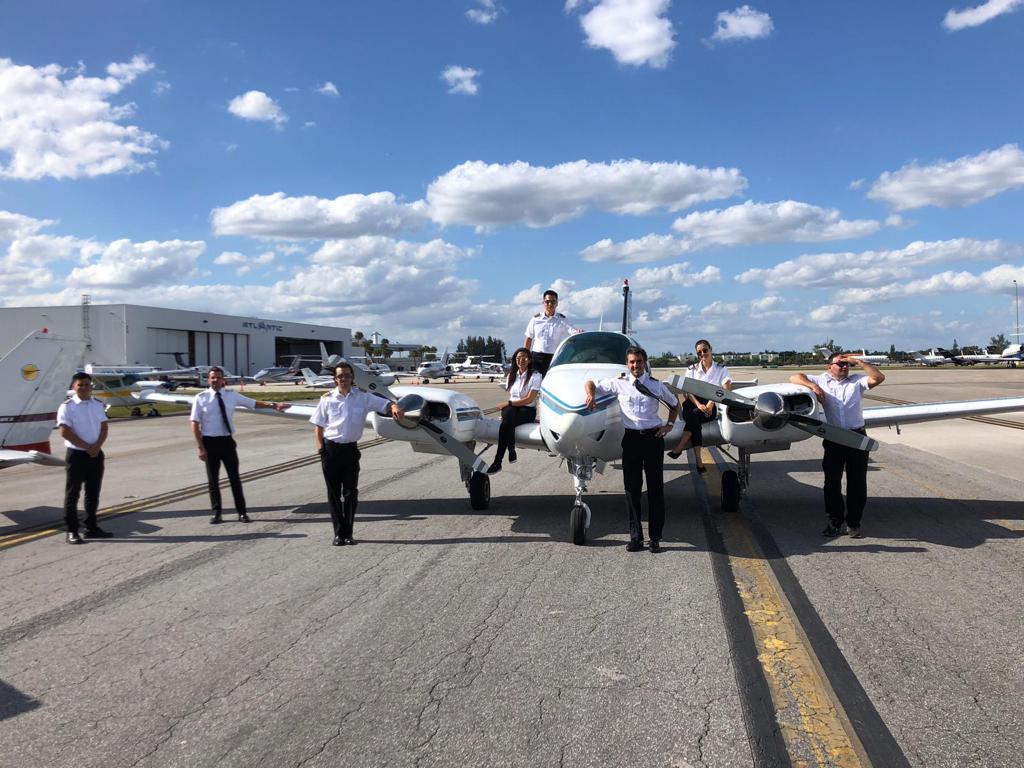
Opa-locka, FL · KOPF
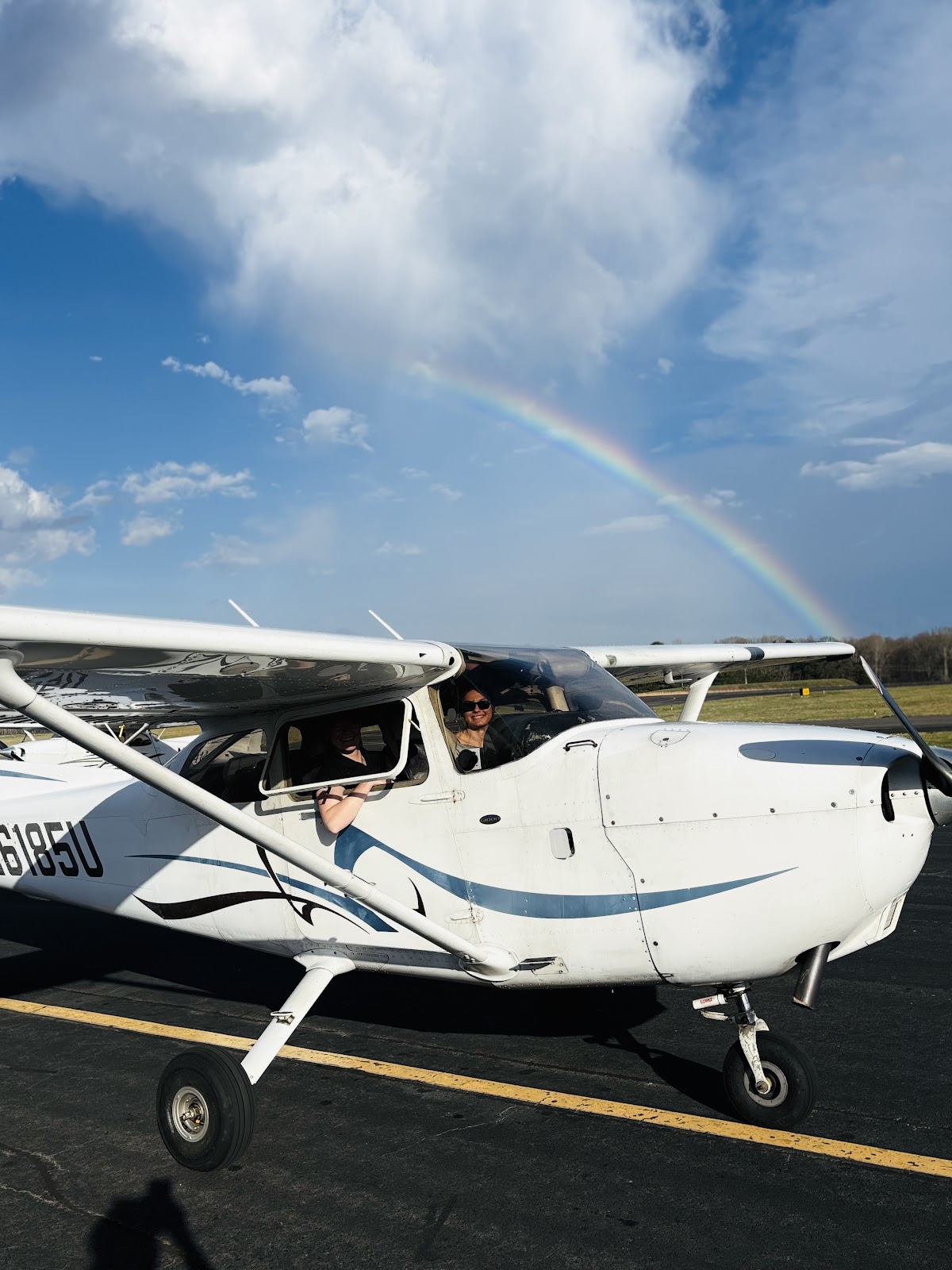
Orlando, FL · KORL
Punta Gorda, FL · KPGD
Pompano Beach, FL · KPMP
Titusville, FL · KTIX
Leesburg, FL · KLEE
Sarasota, FL · KSRQ
Clearwater, FL · KPIE
Marathon, FL · KMTH
Tallahassee, FL · KTLH
Kissimmee, FL · KISM
Orlando, FL
Ormond Beach, FL · KOMN
Daytona Beach, FL · KDAB
New Smyrna Beach, FL · KEVB
Miami, FL · KTMB
Tampa, FL · KTPF
Kissimmee, FL · KISM
Pembroke Pines, FL · KHWO
St. Petersburg, FL · KSPG
Ocala, FL · KOCF
Titusville, FL · KTIX
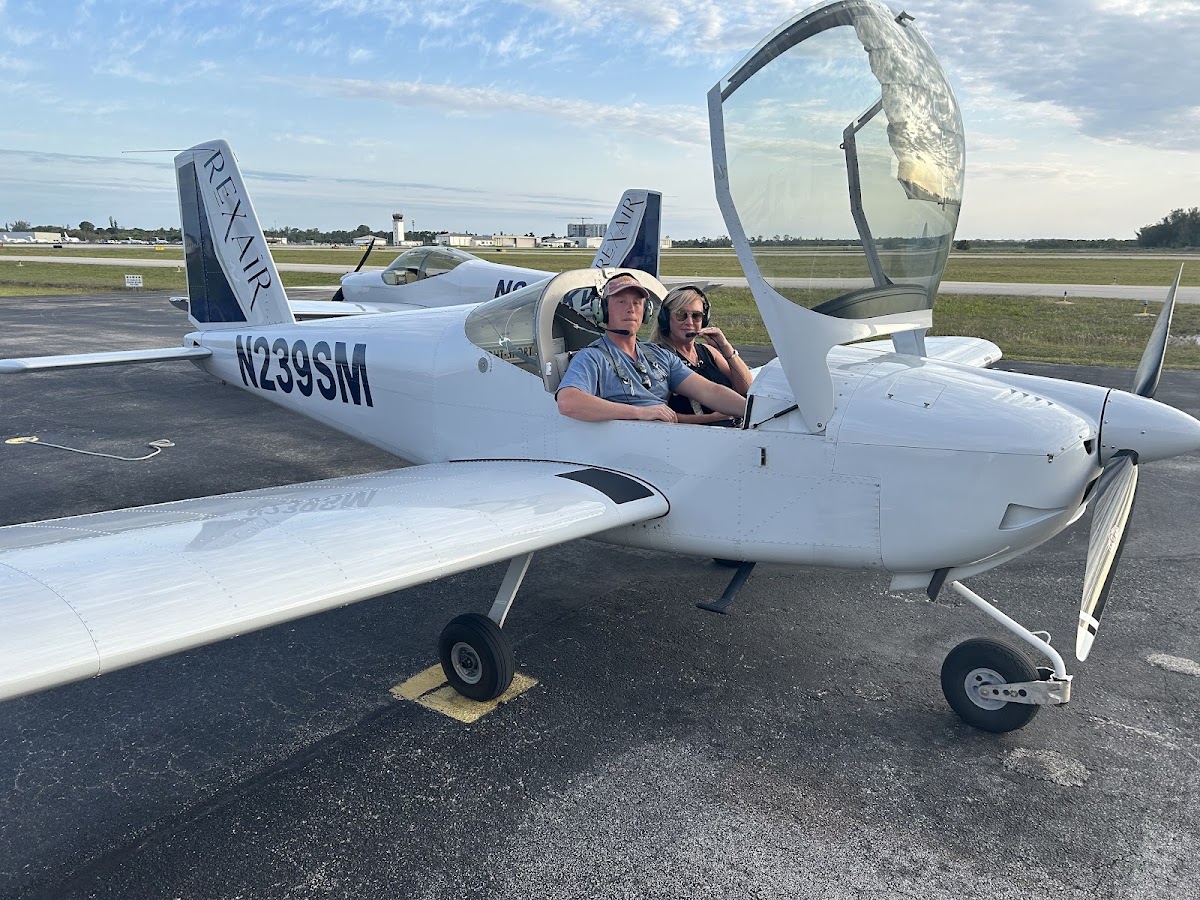
Naples, FL · KAPF
Orlando, FL · KMCO
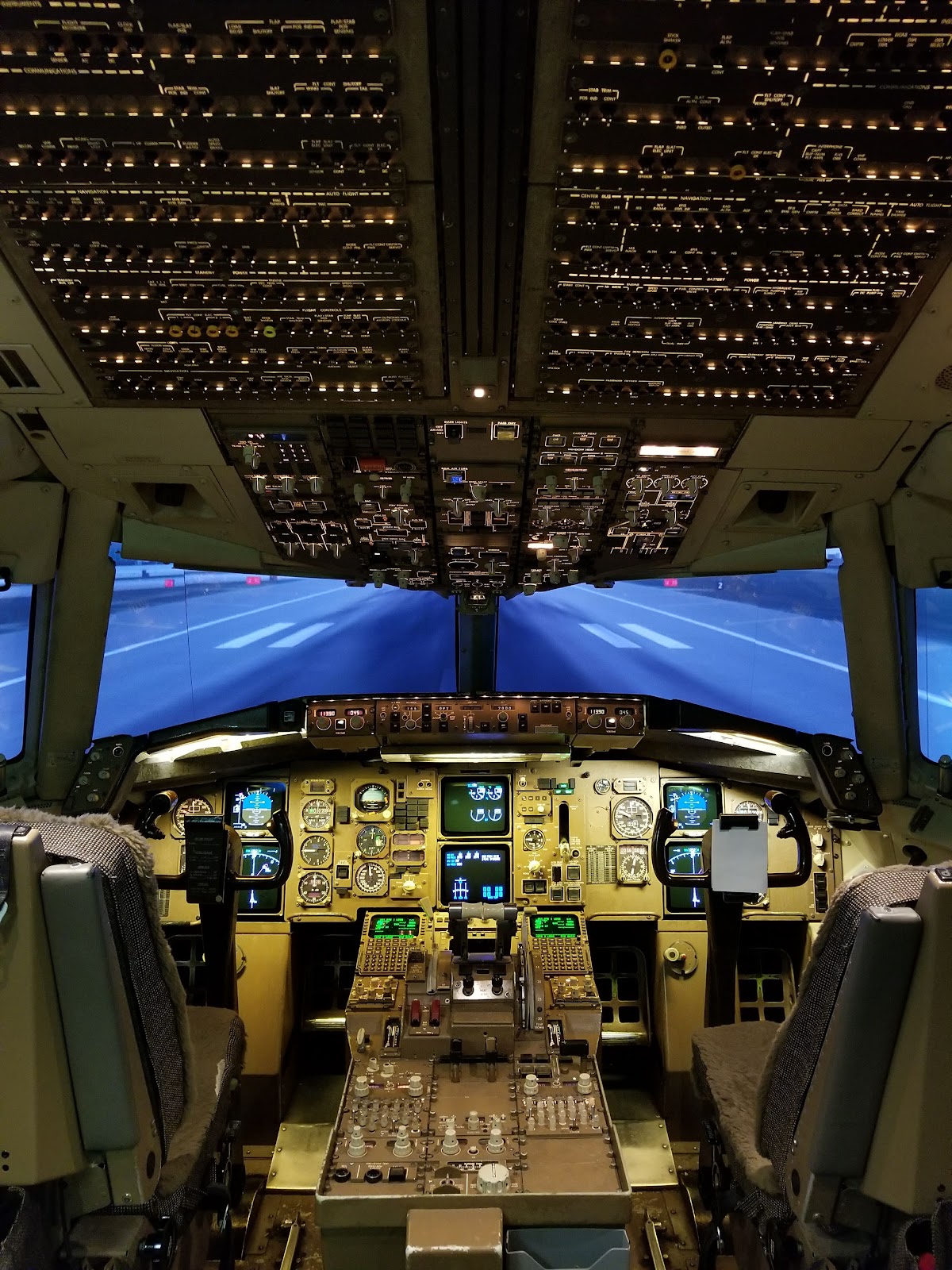
Miami Springs, FL · KMIA
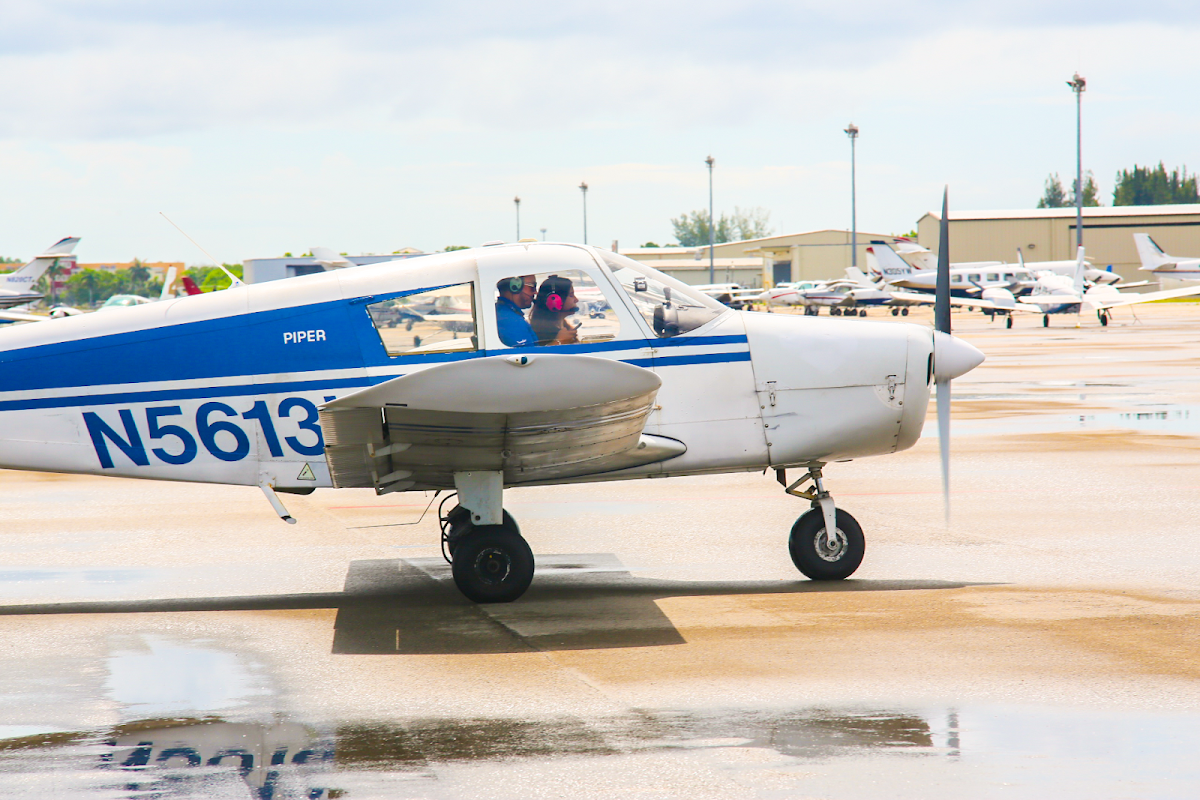
Miami, FL · KTMB
Miami, FL · KMIA
Pensacola, FL · KPNS
Kissimmee, FL · KISM
Kissimmee, FL · KISM
Plant City, FL · KPCM
DeLand, FL · KDED

Ormond Beach, FL · KOMN
Clearwater, FL · KPIE
Sarasota, FL · KSRQ
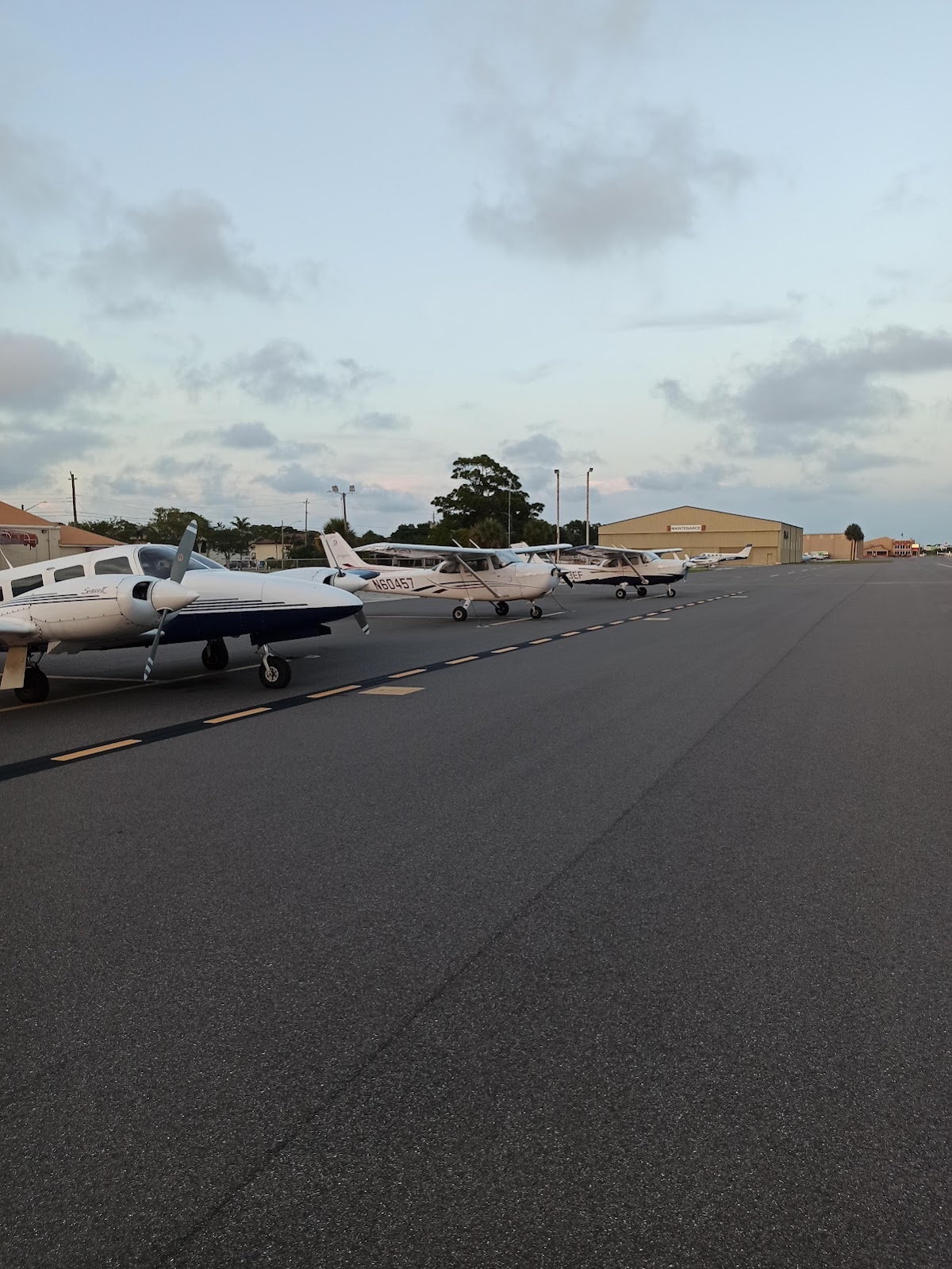
Venice, FL · KVNC
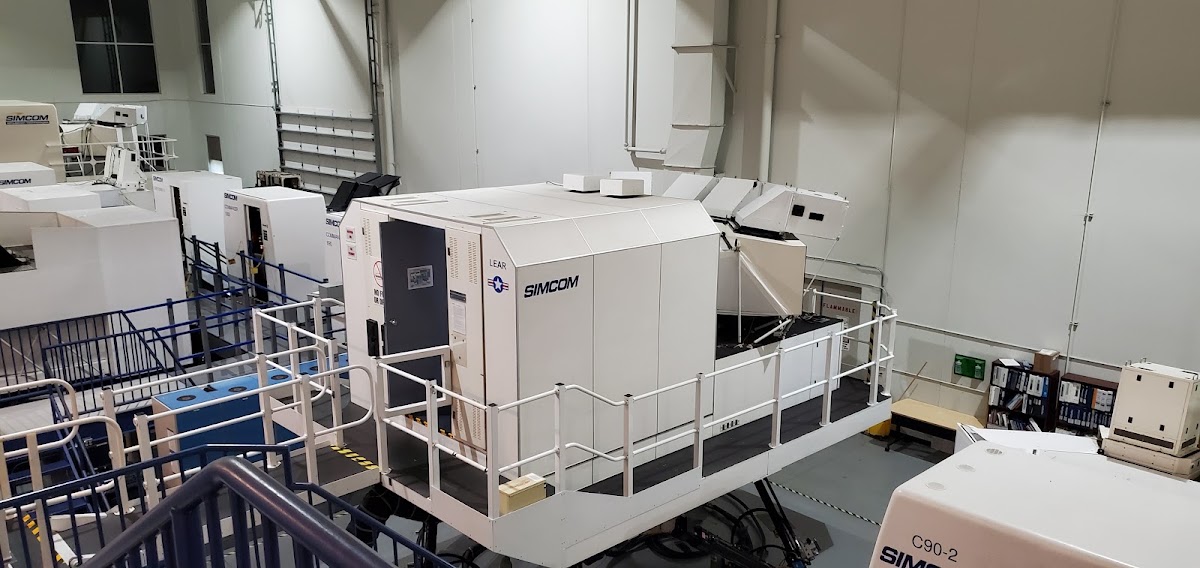
Orlando, FL · KMCO
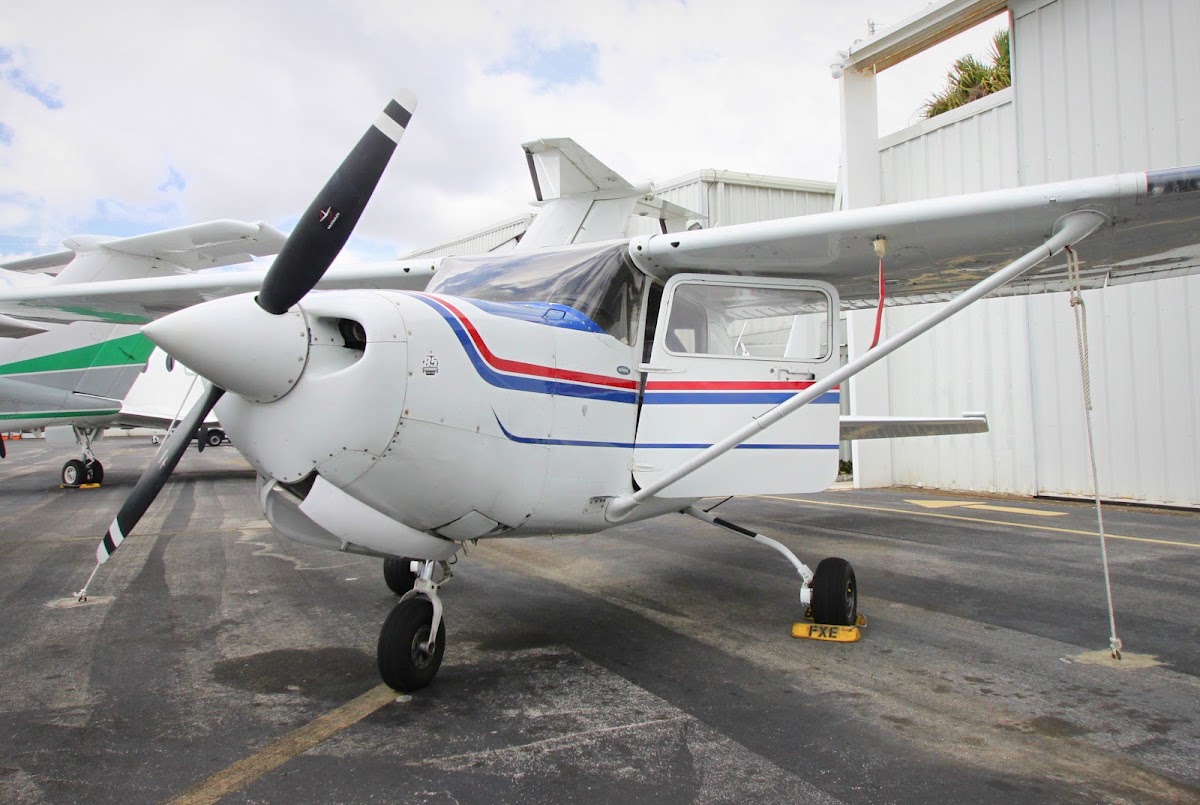
Fort Lauderdale, FL · KFXE
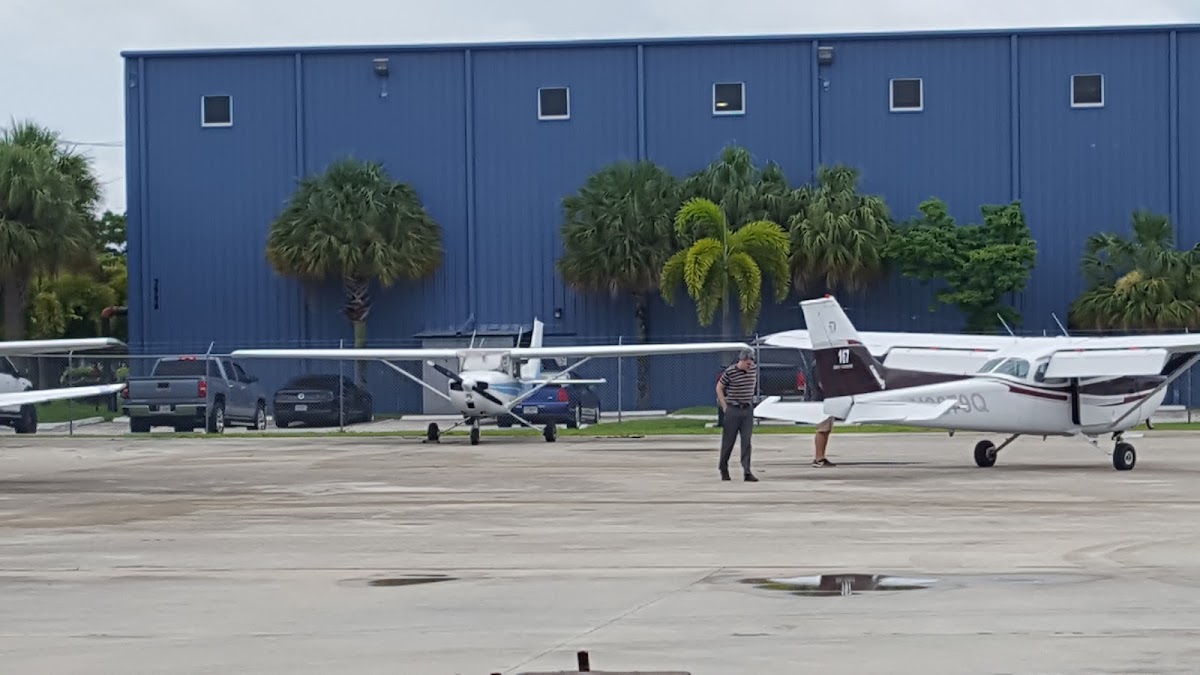
Fort Lauderdale, FL · KFXE
Fort Lauderdale, FL · KFXE
Daytona Beach, FL · KDAB

Daytona Beach, FL · KDAB
Clearwater, FL · KCLW
Merritt Island, FL · KCOI
Miami, FL · KMIA
Tampa, FL · KVDF
Miami, FL · KTMB
Fort Lauderdale, FL · KFXE
Fort Lauderdale, FL · KFXE
Fort Lauderdale, FL · KFXE
Clearwater, FL · KPIE

Tampa, FL · KVDF
DeLand, FL · KDED
Orlando, FL · KMCO
Lakeland, FL · KLAL
Miami, FL · KMIA
Kissimmee, FL · KISM
Lantana, FL · KLNA
Miami, FL · KTMB
Orlando, FL · KORL
West Palm Beach, FL · KF45
Fort Lauderdale, FL · KFXE
Pembroke Pines, FL · KHWO
Fort Lauderdale, FL · KFXE
Lutz, FL · KX39
Orlando, FL
Jacksonville, FL · KVQQ
Pensacola, FL · KNPA
Palm Coast, FL · KXFL

St. Augustine, FL · KSGJ
Pembroke Pines, FL · KHWO

Pembroke Pines, FL · KHWO
DeLand, FL · KDED
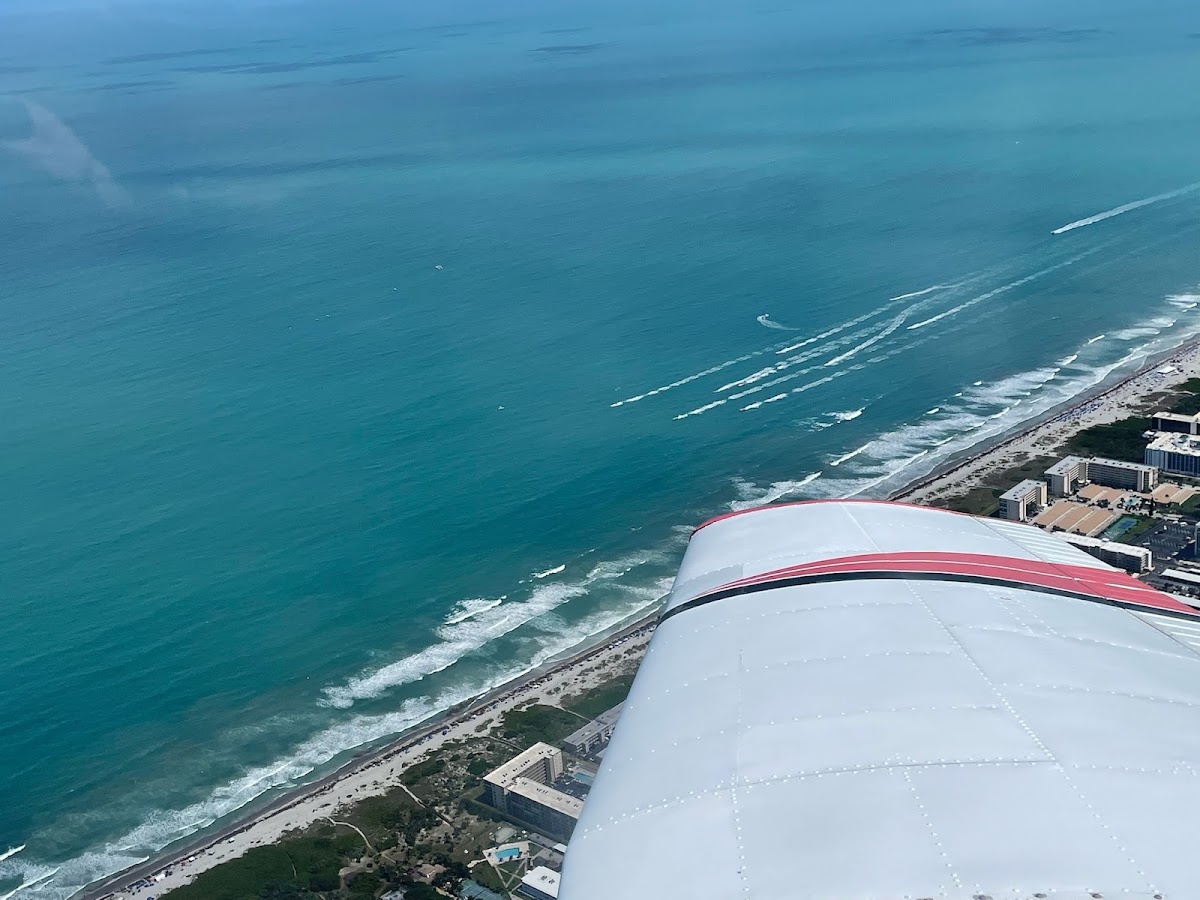
Merritt Island, FL · KCOI
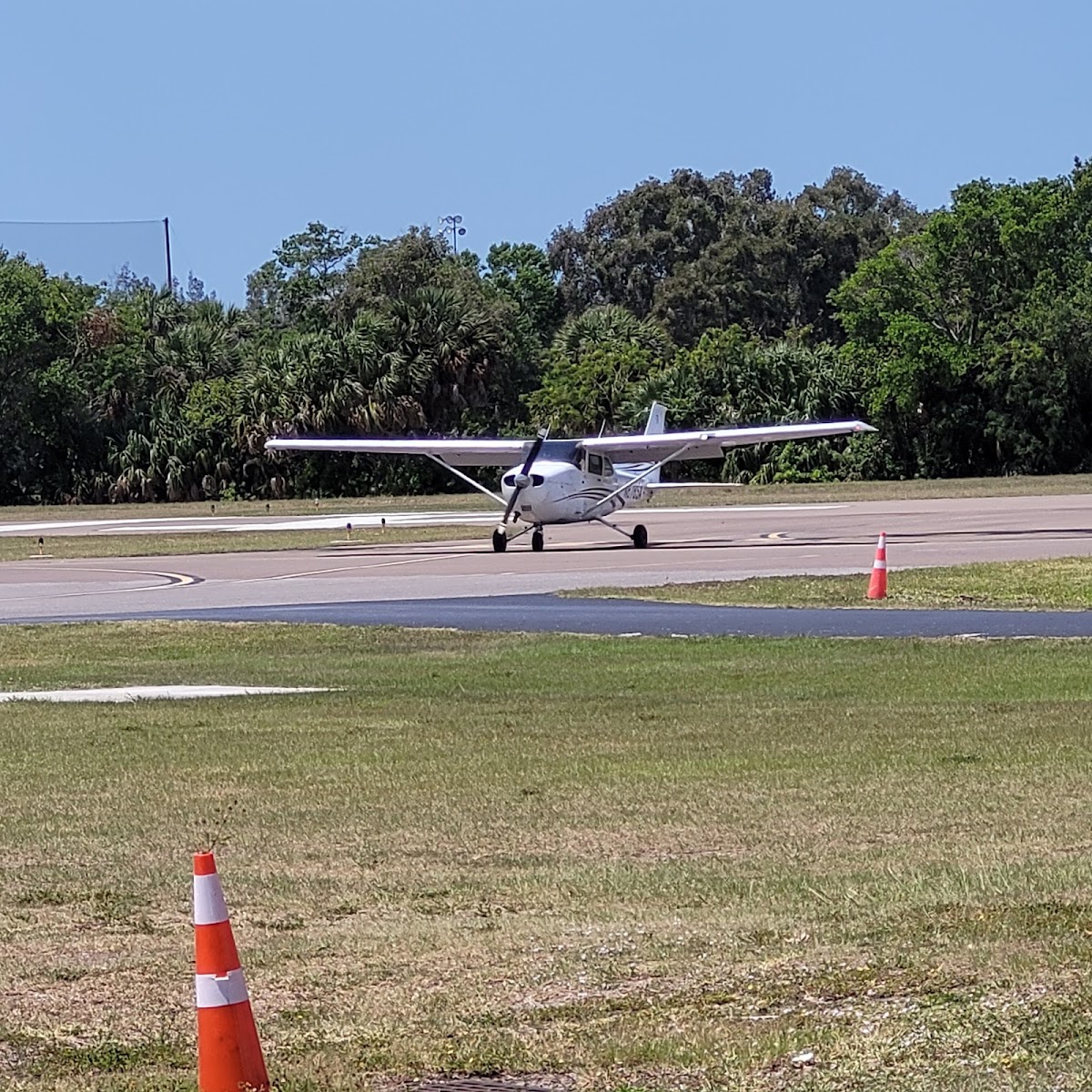
Tampa, FL · KVDF
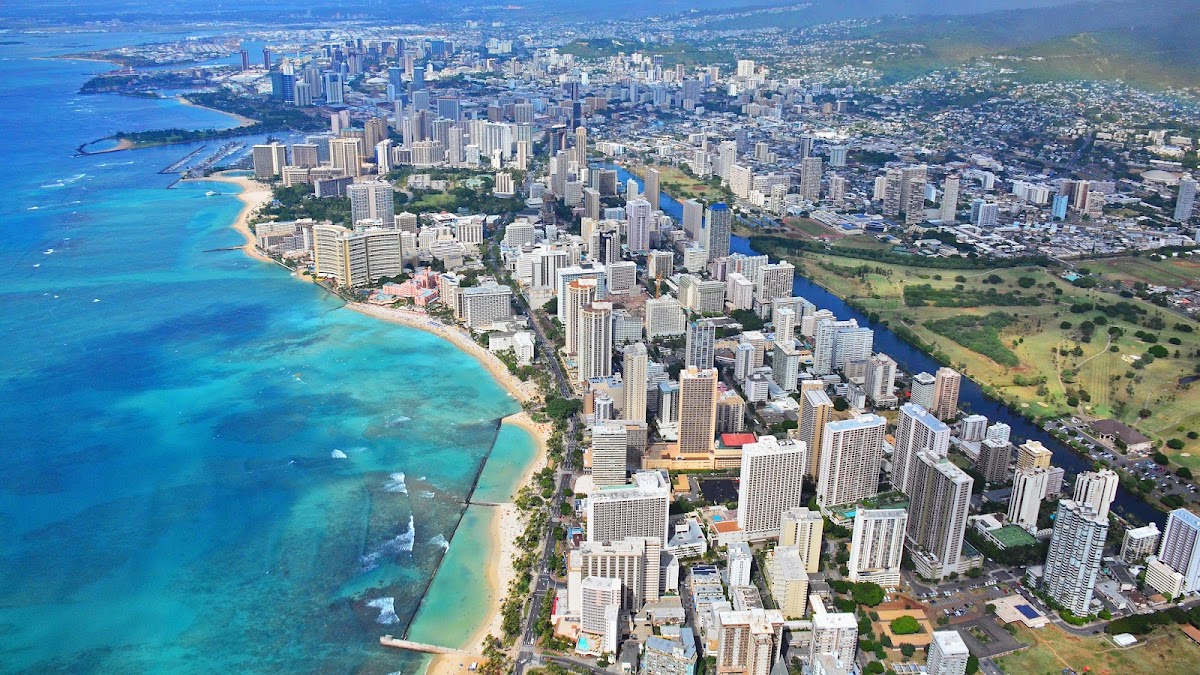
Venice, FL · KVNC
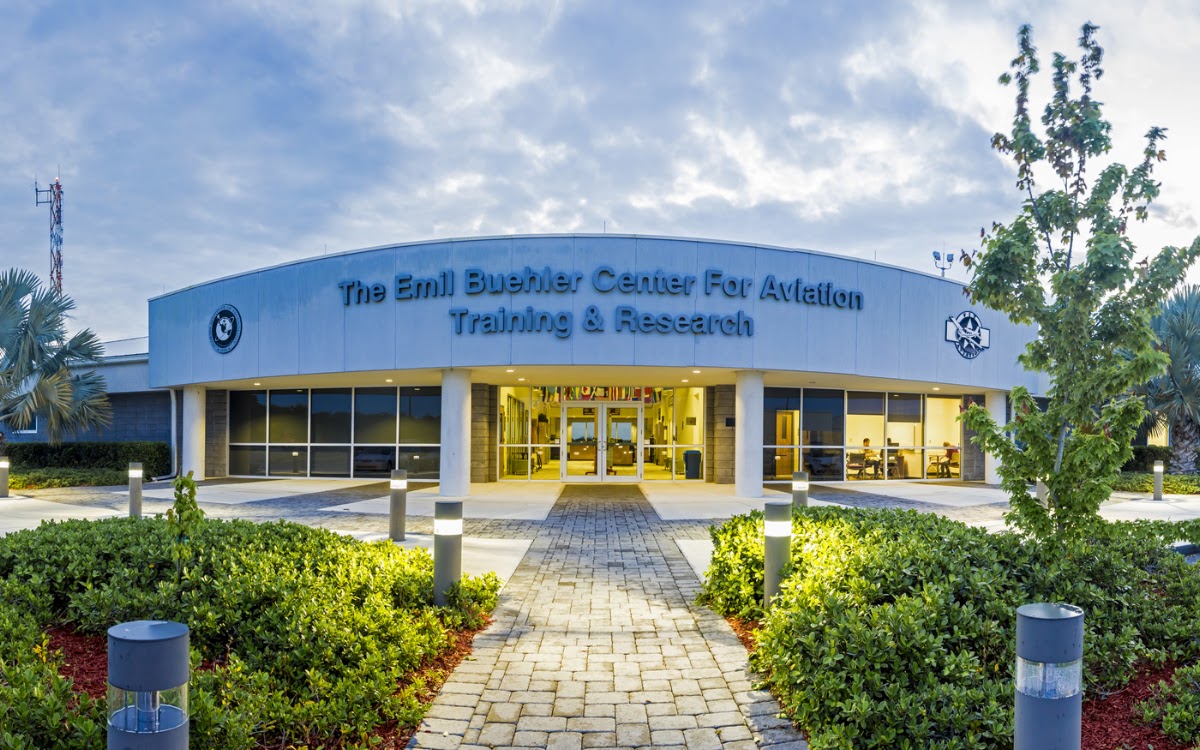
Melbourne, FL · KMLB
Jacksonville, FL · KNIP
Kissimmee, FL · KISM
Jacksonville, FL
Brooksville, FL · KBKV
Lakeland, FL · KLAL
St. Augustine, FL · KSGJ
Jacksonville, FL · KCRG
Wimauma, FL · FD77
Vero Beach, FL · KVRB
Lakeland, FL · KLAL
Daytona Beach, FL · KDAB
Jacksonville, FL · KCRG
Clearwater, FL · KPIE
Sanford, FL · KSFB
Sanford, FL · KSFB
Miami, FL · KTMB
Daytona Beach, FL · KDAB
Edgewater, FL · KX50
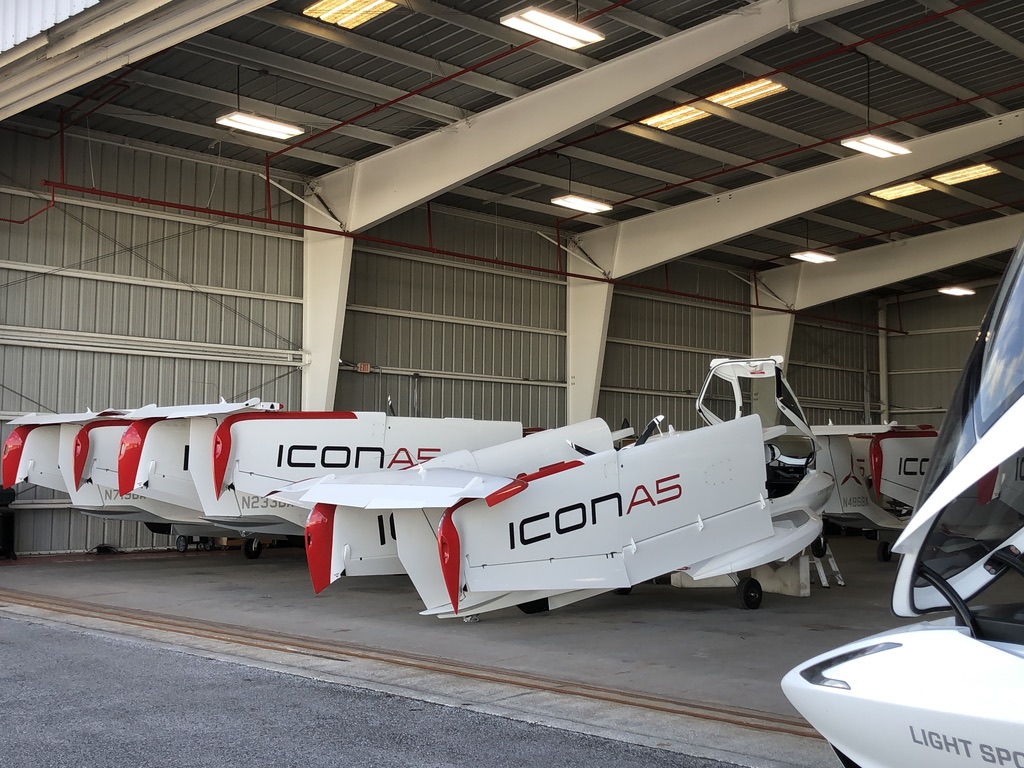
Tampa, FL · KTPF
Hialeah, FL · KMIA
Jacksonville, FL · KNIP
Daytona Beach, FL · KDAB
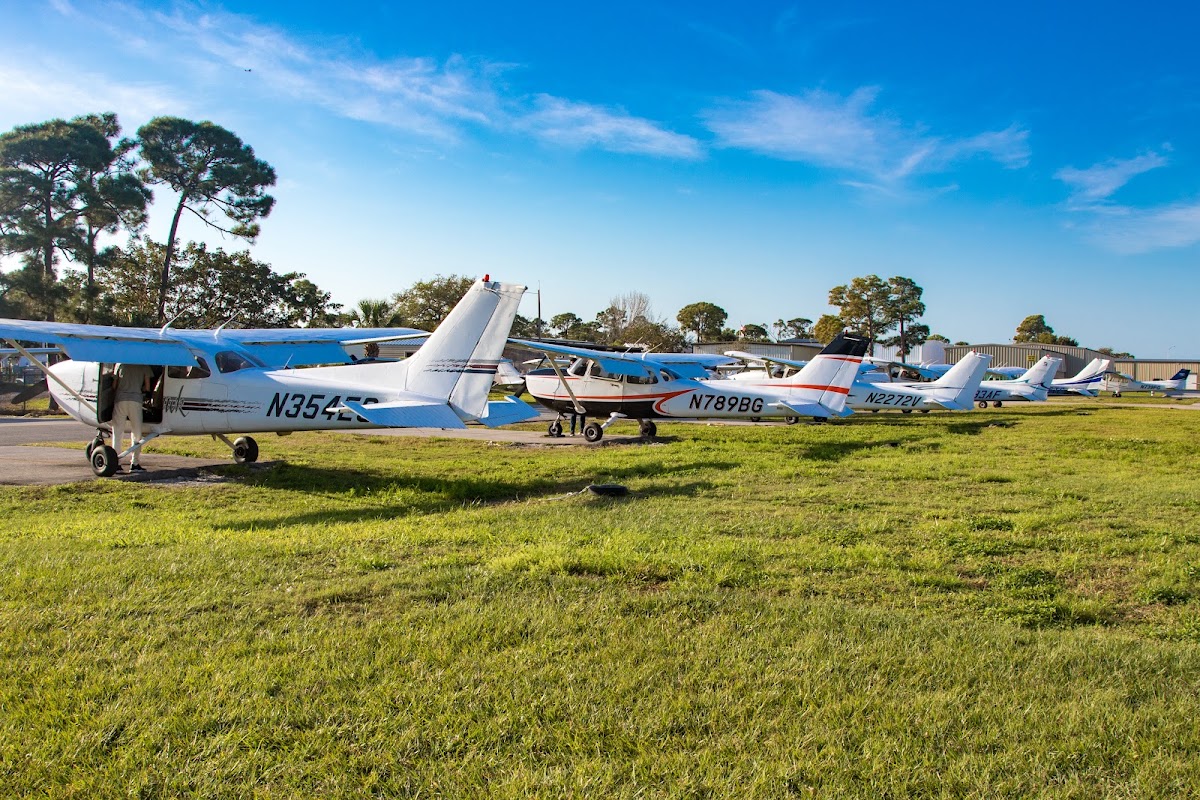
Stuart, FL · KSUA
Homestead, FL · KX51
Milton, FL · K2R4
Lutz, FL · KX39
Pompano Beach, FL · KPMP

Fort Pierce, FL · KFPR
Orlando, FL · KORL
Vero Beach, FL · KVRB
Pembroke Pines, FL · KHWO
Jacksonville, FL
Jacksonville, FL · KCRG
Ormond Beach, FL · KOMN
Jacksonville Beach, FL · FD48
Grant-Valkaria, FL · KX59
Stuart, FL · KSUA
Ormond Beach, FL · KOMN
Stuart, FL · KSUA
Fort Lauderdale, FL · KFLL
Jacksonville, FL · KCRG
Jacksonville, FL · KCRG
Jacksonville, FL · KCRG
Jacksonville, FL · KCRG
Jacksonville, FL · KCRG
Jacksonville, FL · KCRG

Fort Lauderdale, FL · KFXE
Miami, FL · KMIA
Daytona Beach, FL · KDAB
Sanford, FL · KSFB
Fort Lauderdale, FL · KFXE
Jacksonville, FL · KHEG
Jacksonville, FL · KVQQ

Ocala, FL · KOCF
Miami, FL · KMIA

Jacksonville, FL · KCRG
Lakeland, FL · KLAL
Vero Beach, FL · KVRB
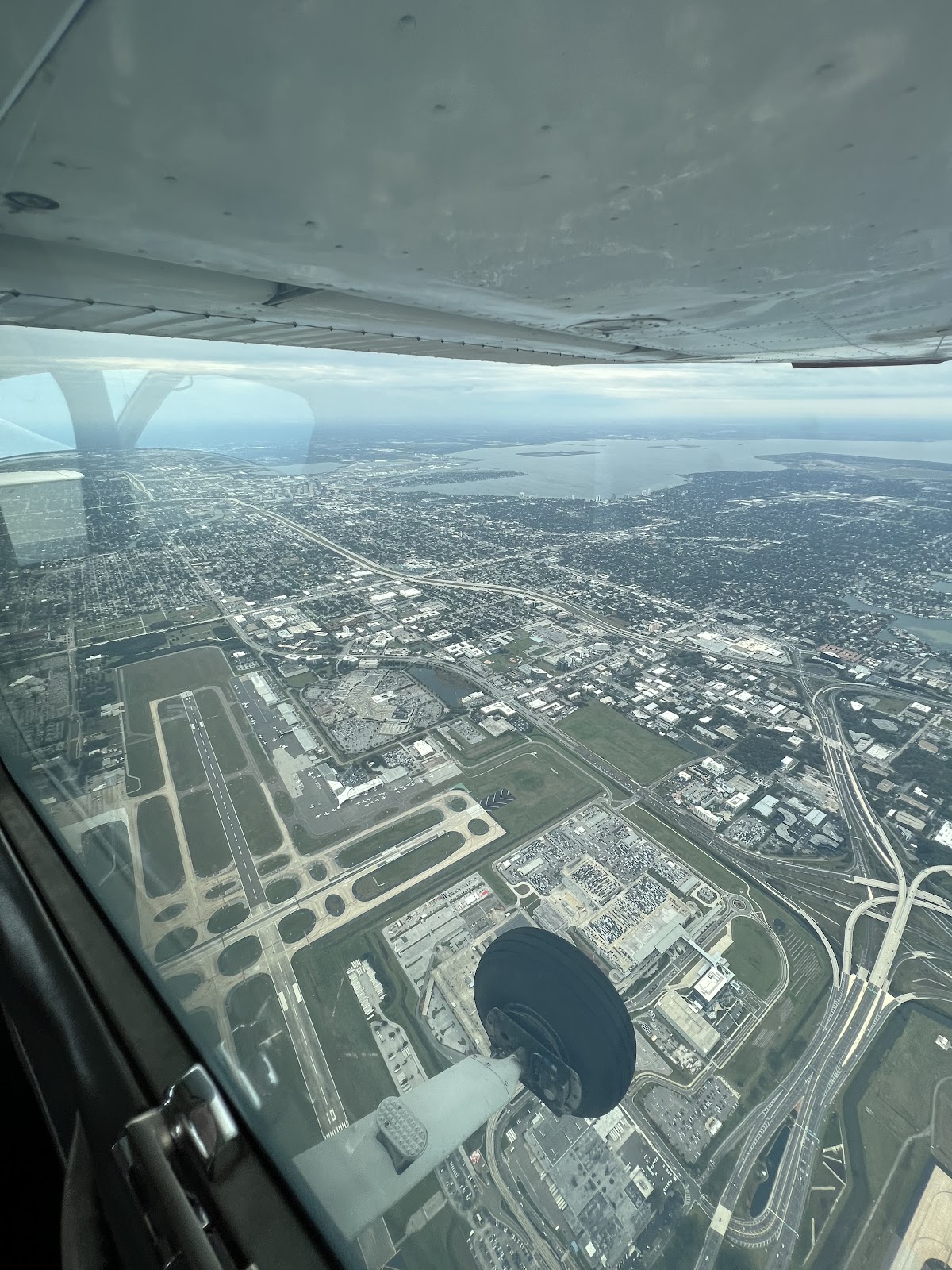
Ormond Beach, FL · KOMN
Daytona Beach, FL · KDAB
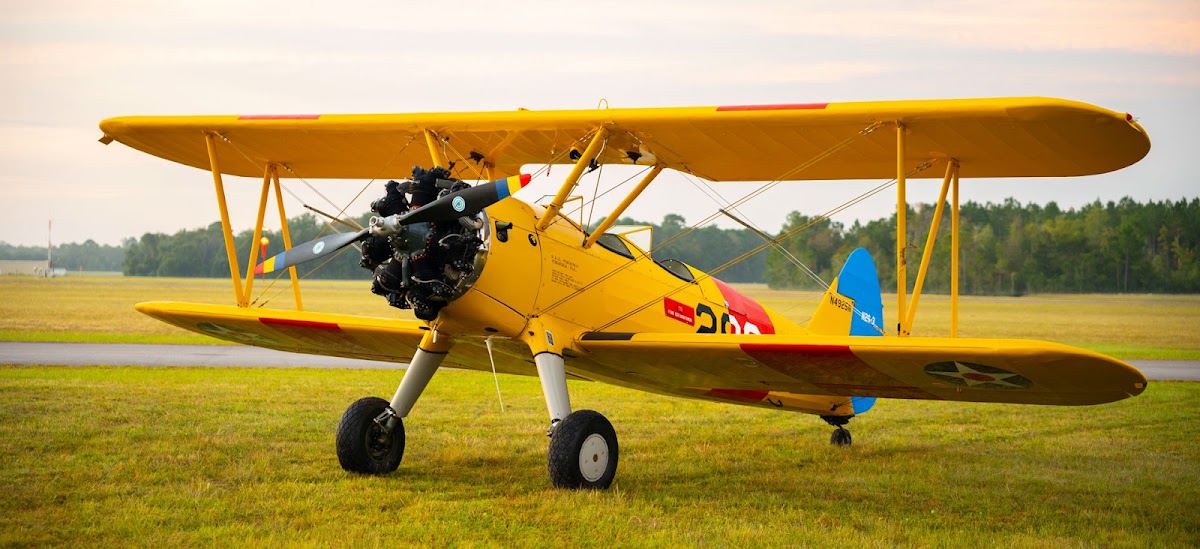
Jacksonville, FL · KHEG
Sarasota, FL
Fort Lauderdale, FL · KFXE
Lakeland, FL · KLAL
Lakeland, FL · KLAL
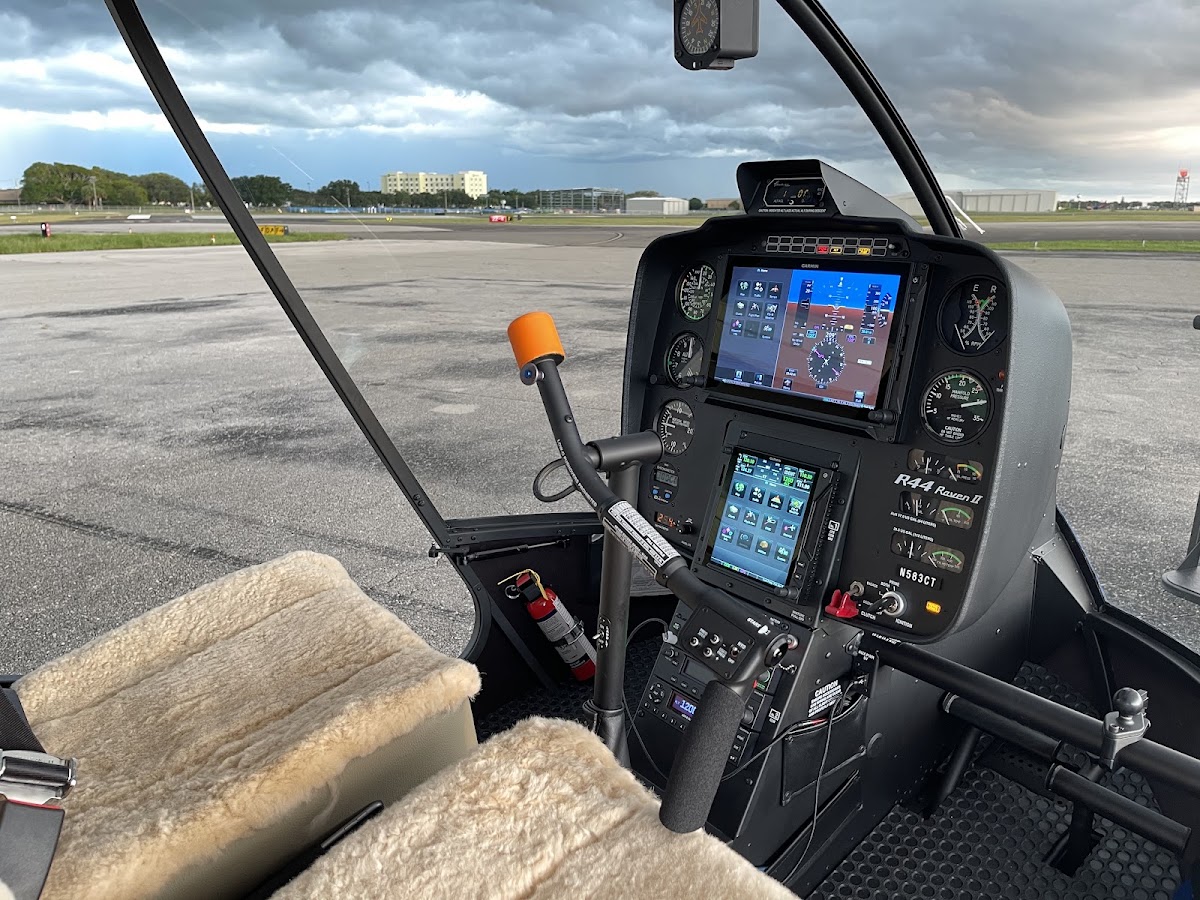
Sarasota, FL · KSRQ
St. Petersburg, FL · KSPG
Lakeland, FL · KLAL
Jacksonville, FL
Orlando, FL · KORL
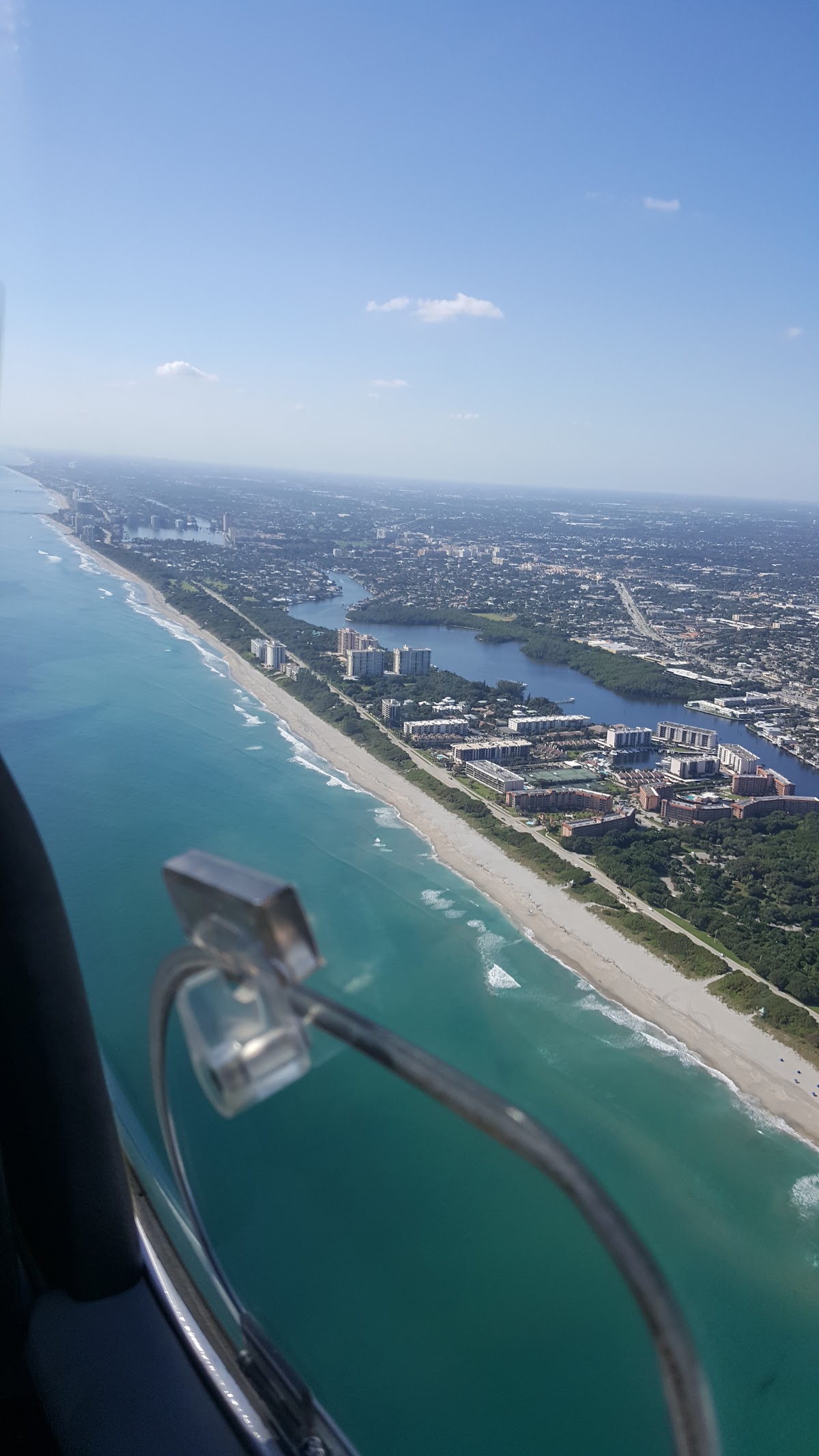
Fort Lauderdale, FL · KFXE
Lakeland, FL · KLAL

Ormond Beach, FL · KOMN
Vero Beach, FL · KVRB
St. Petersburg, FL

Sarasota, FL · KSRQ
Stuart, FL · KSUA

Orlando, FL · KORL
Daytona Beach, FL · KDAB
Daytona Beach, FL · KDAB
Florida sells itself on flying weather, and the pitch mostly holds up. The peninsula is flat, low and warm, and from November through April the air is about as cooperative as training air gets: dry season, steady breeze, ceilings high enough that a student rarely loses a lesson to weather.
The other half of the year is louder. From late May into September the Atlantic sea breeze pushes in from the east while the Gulf sea breeze pushes in from the west, and where the two collide over the middle of the state, thunderstorms build almost every afternoon. That is not a surprise. It is a schedule. Students who train through a Florida summer learn to book the early slot, treat mid-afternoon as unreliable, and read a radar picture properly, which is a skill they keep.
Add hurricane season, June 1 through November 30, and you have a state where the flying is abundant and the calendar still deserves respect. Flight schools in Florida cover the whole peninsula and the panhandle.
289 flight schools are listed across 68 cities in Florida, flying from 72 different airports. Between them they carry 14,732 reviews from students on Google, averaging 4.55 out of five. 86 schools hold a rating of 4.8 or better across at least ten reviews, which is the bar worth using when a five-star average rests on two people.
Fields with more than one school on them are worth knowing about: you can visit two or three in an afternoon and compare them properly instead of driving across the state twice.
Jacksonville 29 Fort Lauderdale 27 Miami 22 Orlando 18 Lakeland 17
Not every school teaches everything. These are the Florida schools that list training past the basic airplane certificate, which is where the state's geography tends to show: seaplane work follows the water, and mountain and tailwheel training follow the terrain.
Instrument Rating (IFR) 72 Airline Transport Pilot (ATP) 11 Helicopter 5
Ranked on Google rating, counting only schools with fifteen reviews or more. We take no payment for position; this is arithmetic on public review data, not an endorsement.
Book mornings from June through September. The sea breeze convergence that builds Florida's summer storms is an afternoon machine: the ground heats, the two breezes meet, and cells go up fast enough that a lesson planned for four o'clock gets cancelled at two. Morning air is smooth, the ceilings are high, and the pattern is quiet. Winter flips the picture. December through March brings the best conditions of the year, though a passing cold front can drop the ceiling and stand up a crosswind that keeps a low-time student on the ground for a day or two. Radiation fog inland on cool, clear mornings is the other winter item worth watching.
There is almost no terrain here, which removes one category of risk and one category of skill. You will not learn mountain flying in Florida. You will learn traffic. Class B airspace sits over Miami, Orlando and Tampa, the Jacksonville area adds Class C, and the panhandle is stitched with military restricted areas and operating areas around Eglin, Whiting Field and Pensacola. The Space Coast adds something no other state has in the same measure: launch activity that closes airspace on short notice. None of this is a reason to train elsewhere. It does mean your first solo cross country involves more radio work than the same flight would in Kansas.
Florida has more usable water than almost any other training environment in the country, and a single engine sea rating is easier to arrange here than in most places: the lakes are warm, plentiful and open year round. Pilots fly in from other states specifically to add it. Look at Florida schools that teach seaplane flying if that appeals. The same water shapes ordinary training too. A lot of your cross country legs run over open water or swamp, which tends to sharpen how seriously you take a glide-distance plan and a life jacket.
Florida is one of the few states where large training academies shape the whole market, many running structured Part 141 programs and taking international students on a visa track. That model suits some people very well: fixed syllabus, fleet availability, a clear line from zero hours toward an airline job. It suits others badly. If you want to fly on weekends around a full-time job, a small operation at a quiet non-towered field will usually serve you better and waste less of your money on taxi time. Work out which of the two you are before you start touring, because the tour is persuasive either way.
Close to it, but the year has two personalities. Winter and spring give you the reliable days. Summer gives you good mornings and unreliable afternoons, because storms build on a near-daily cycle from late May into September. Plan on early lessons through those months and you lose very little. Hurricane season runs June 1 through November 30 and can take out a week at a time, which matters most if you are training against a deadline.
Both work, and the trade is real. A towered field in the Orlando or Tampa area makes you fluent on the radio early and comfortable in busy airspace, which pays off for the rest of your flying. It also means holding short behind a line of traffic with the engine running, and you pay for that time. A non-towered field buys you more airborne minutes per dollar. Plenty of students split it: train at the quieter field, then buy a few hours flying into the busy one.
Less than in Arizona or Colorado, but not nothing. Field elevations here sit near sea level, so density altitude never reaches what the mountain west sees. Put a training airplane on a humid August afternoon with full tanks and two people aboard, though, and it will use noticeably more runway and climb more slowly than it does in January. Your instructor will work the performance charts for the specific aircraft with you. Treat that as a permanent habit rather than a Florida quirk.
It is one of the more common places to do it, mostly because of the concentration of academies and the sheer volume of flyable days, which builds hours faster than a cloudy state does. What the geography does not change is the federal requirement, which is identical in every state: an instrument rating, a commercial certificate, and for most airline jobs the experience needed to hold an ATP. Read the path from first lesson to airline before committing to any program.
Text size
Contrast and legibility
Motion
These are display preferences saved to this browser. They do not replace your operating system or browser accessibility settings, which this site also respects. If something here does not work with your assistive technology, our accessibility statement lists the known gaps and how to report a new one.