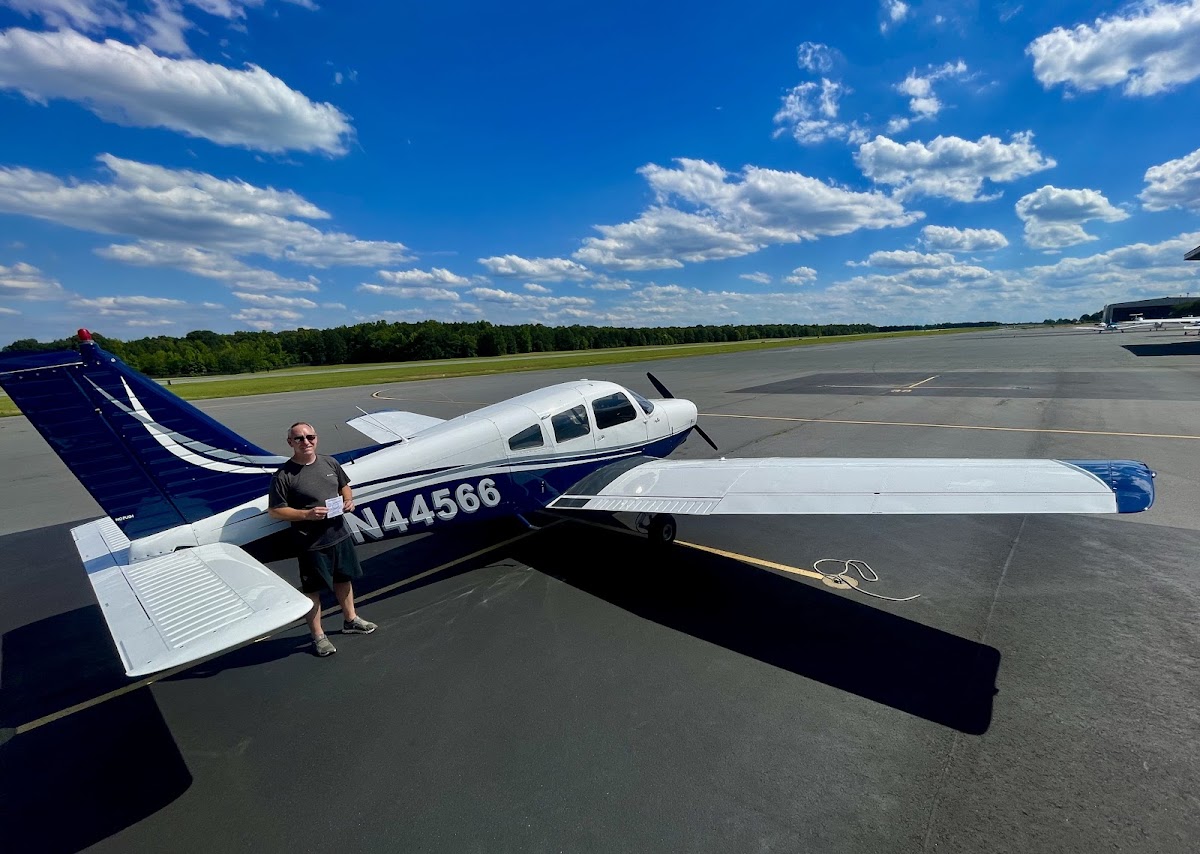
Greensboro, NC · KGSO

Flight schools by state
83 schools across 38 cities, with ratings and reviews from Google.
Airplane College & university
Greensboro, NC · KGSO
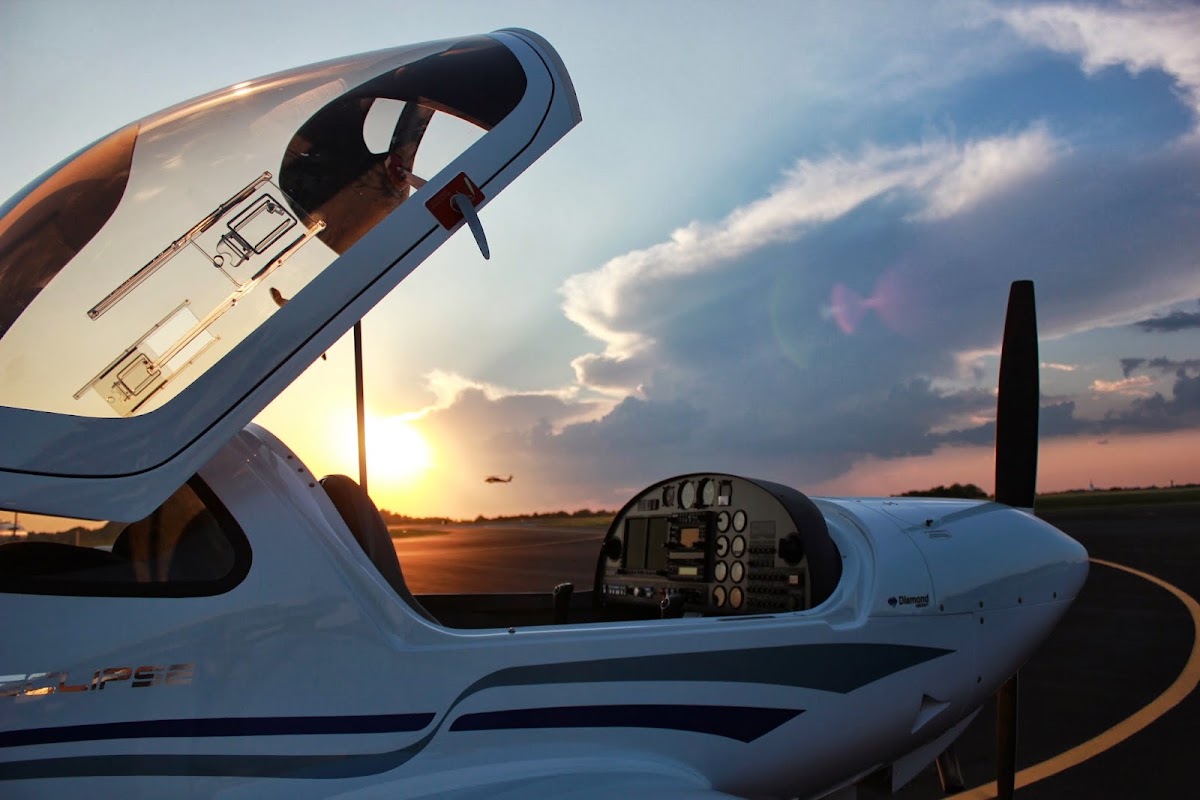
Concord, NC · KJQF
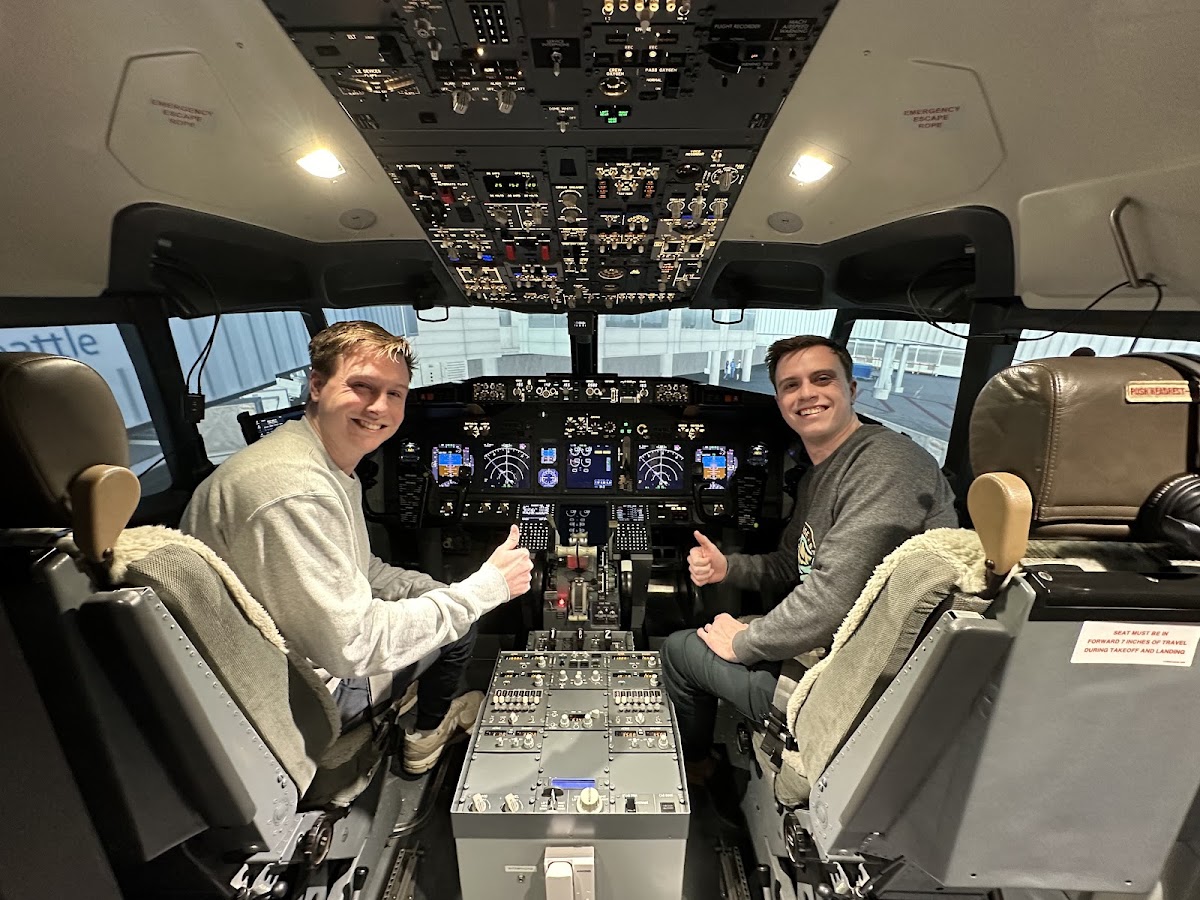
Morrisville, NC · KRDU
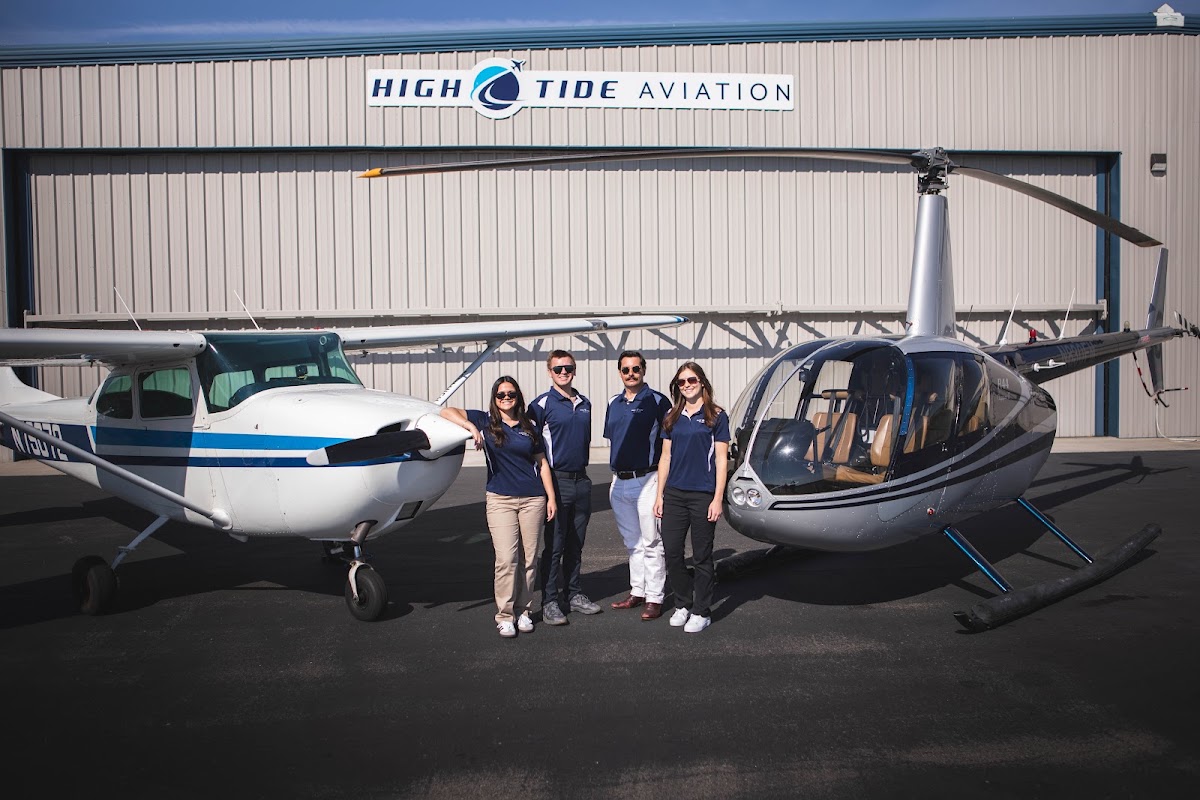
Southport, NC · KSUT
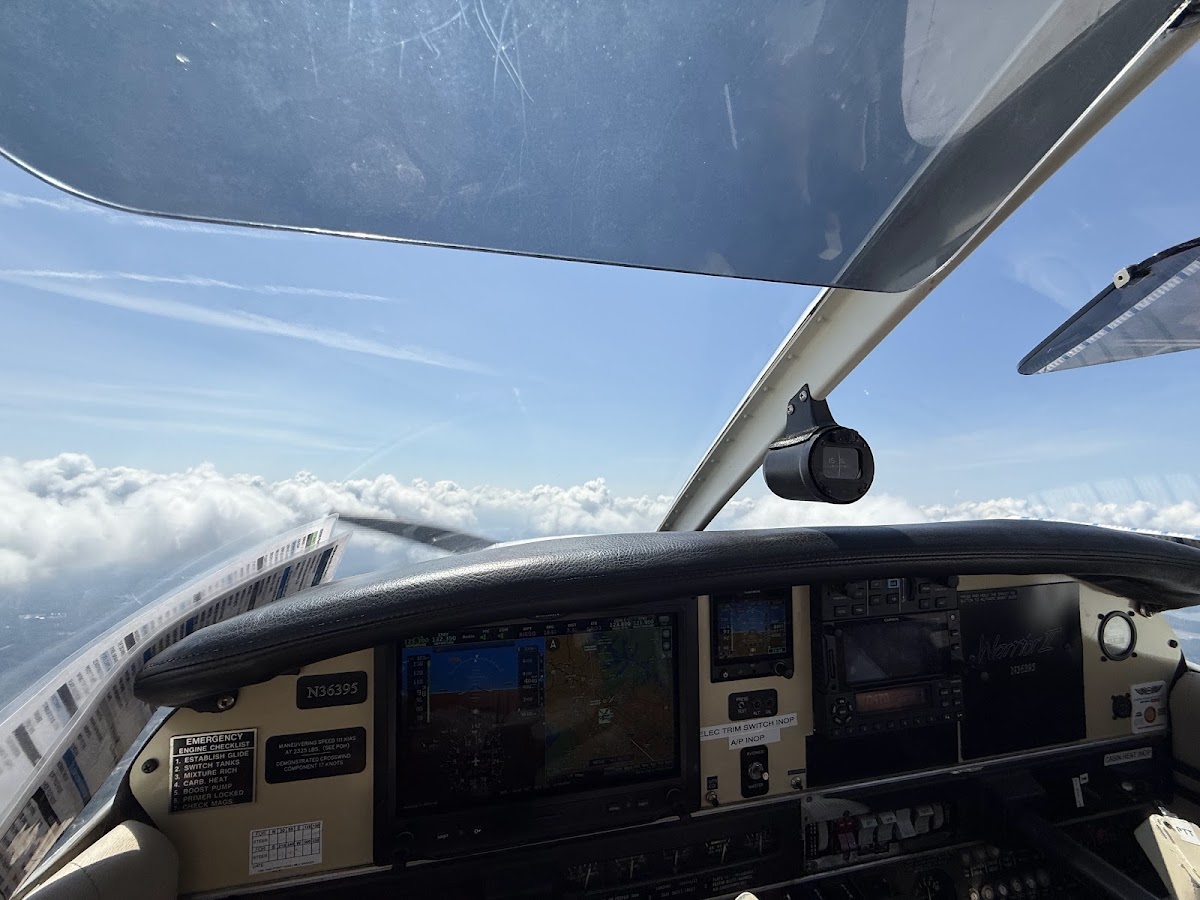
Morrisville, NC · KRDU
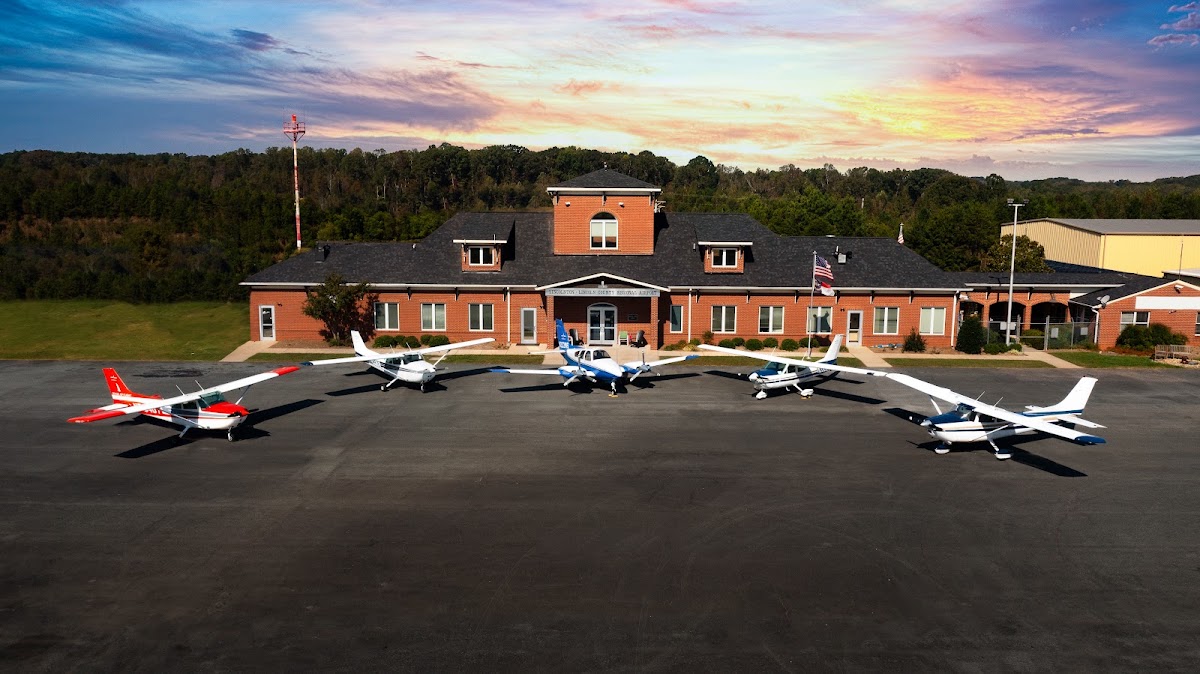
Iron Station, NC · KIPJ
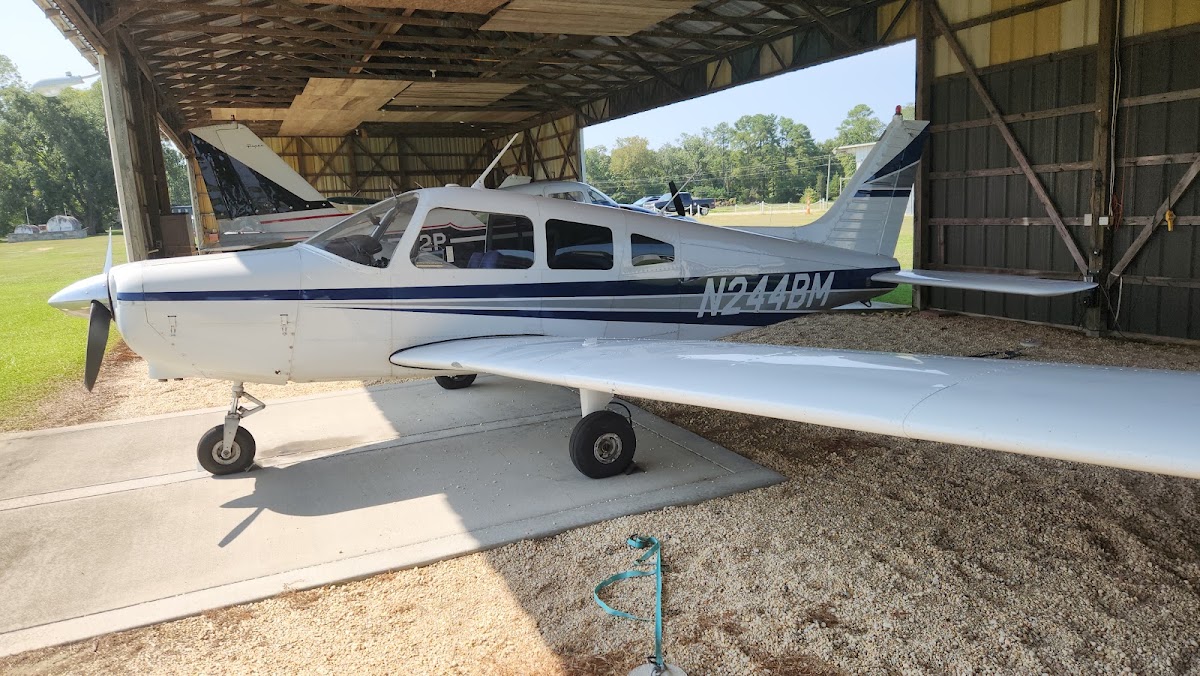
Fayetteville, NC · K2GC
Lexington, NC · KEXX
Wilmington, NC · KILM
Timberlake, NC · KTDF
Winston-Salem, NC · KINT
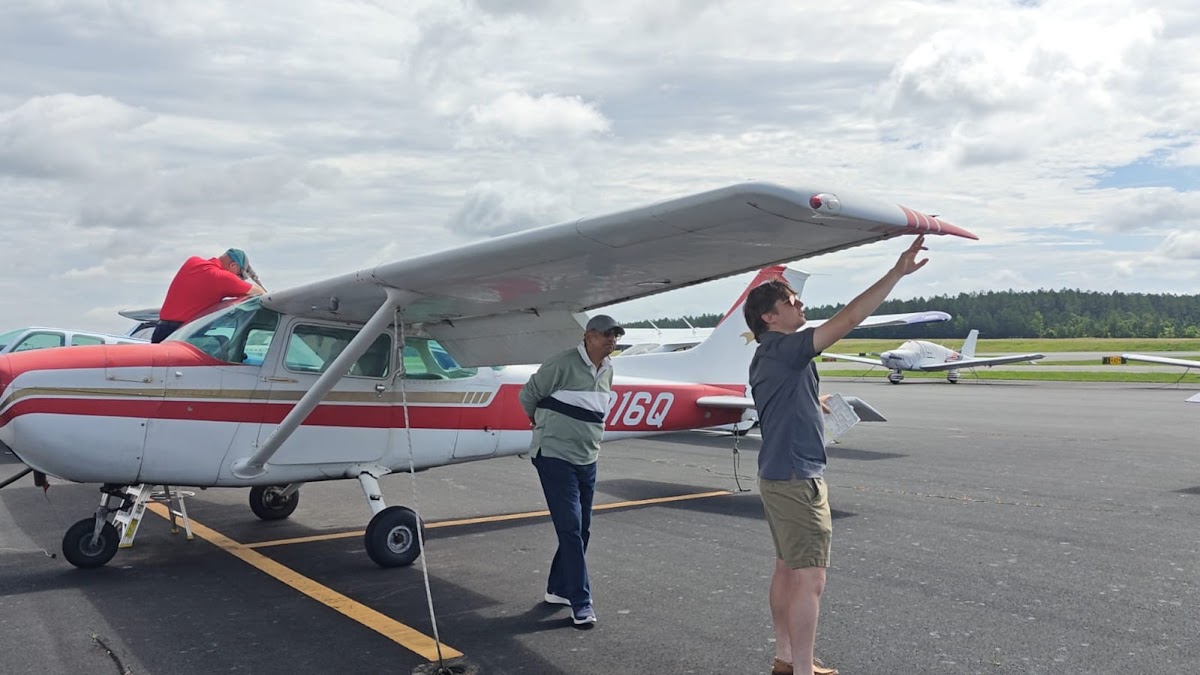
Sanford, NC · KTTA

Elizabeth City, NC · KECG
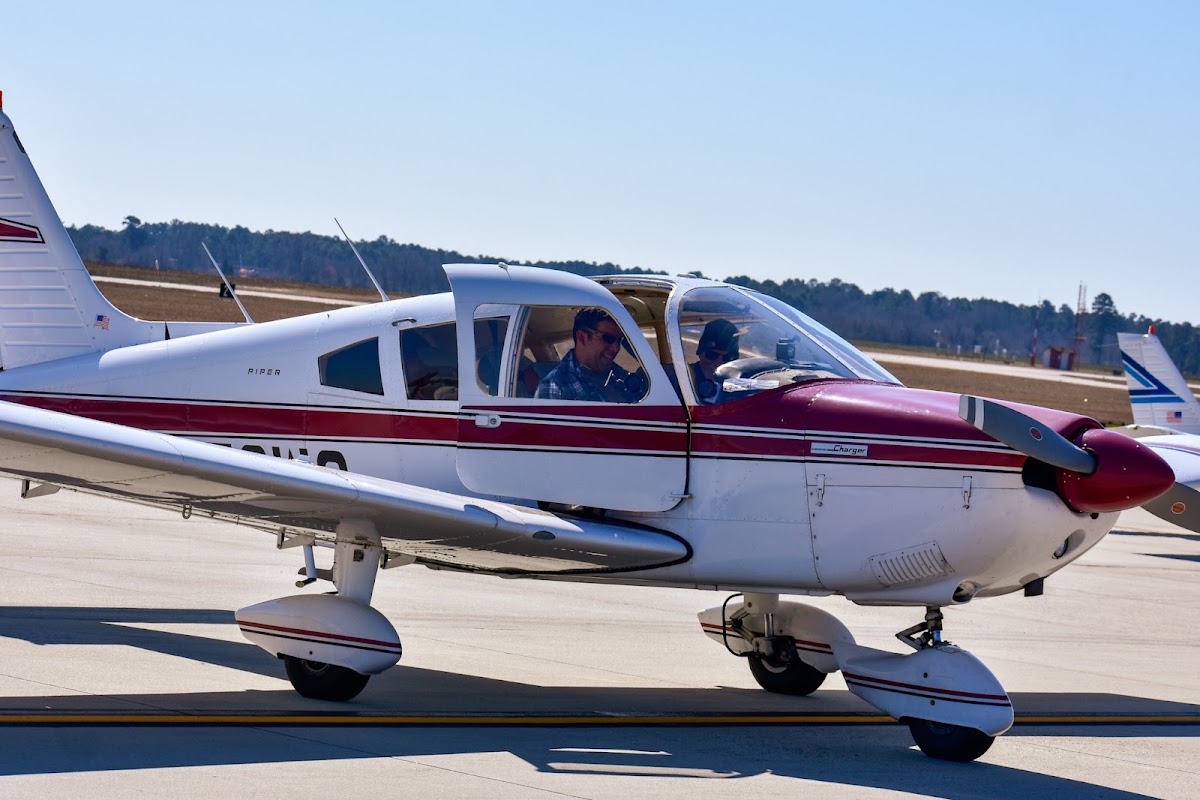
Maxton, NC · KMEB
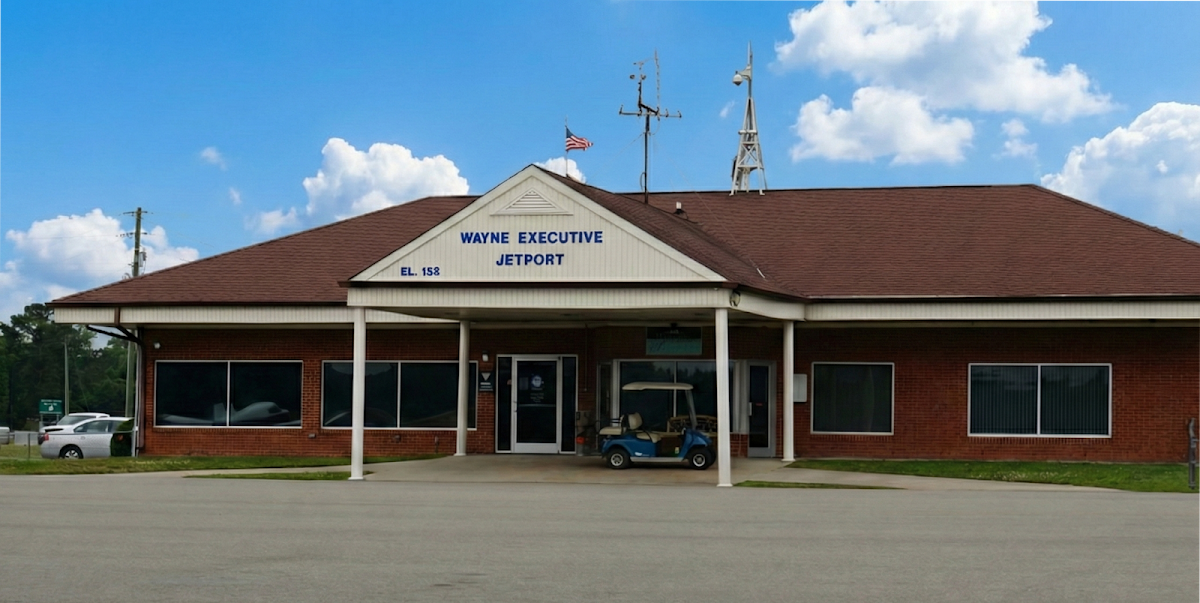
Pikeville, NC · KGWW
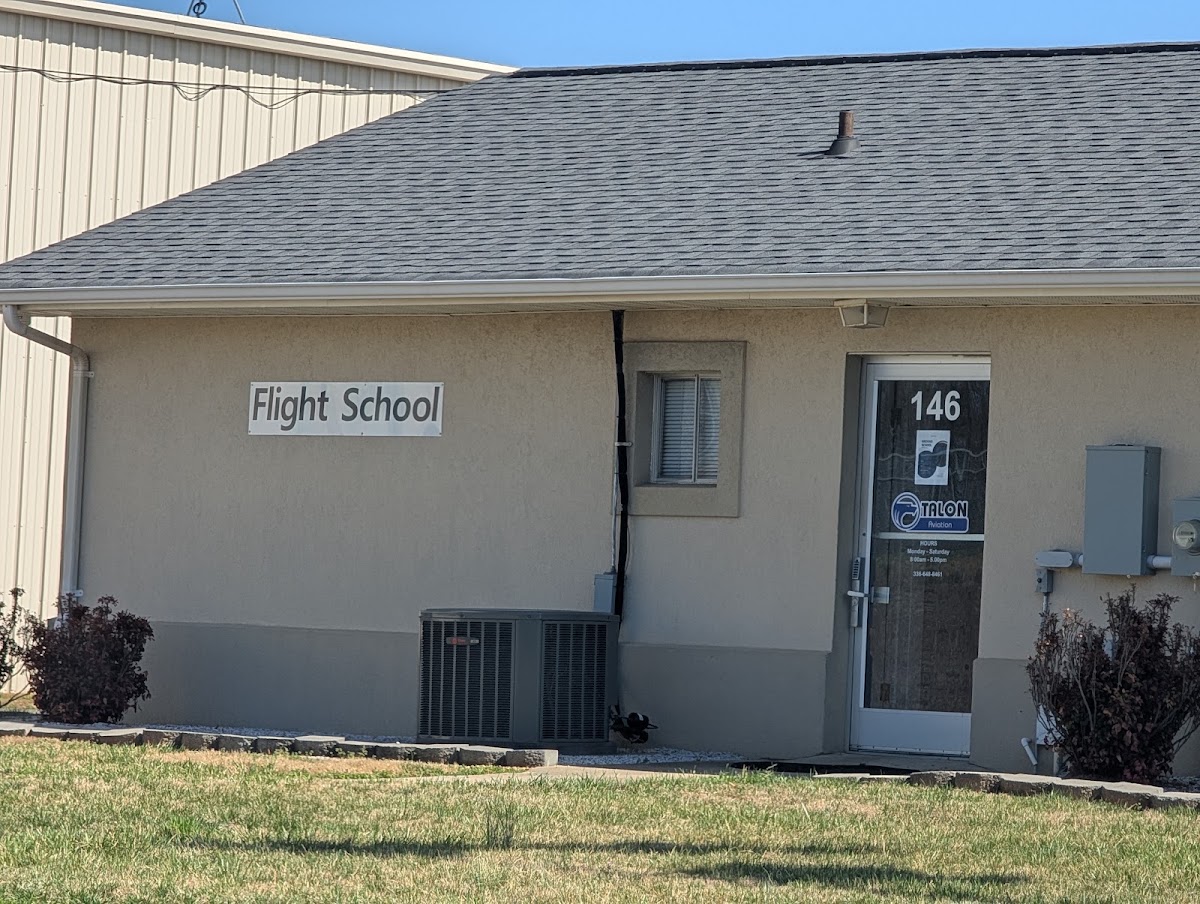
Mount Airy, NC · KMWK
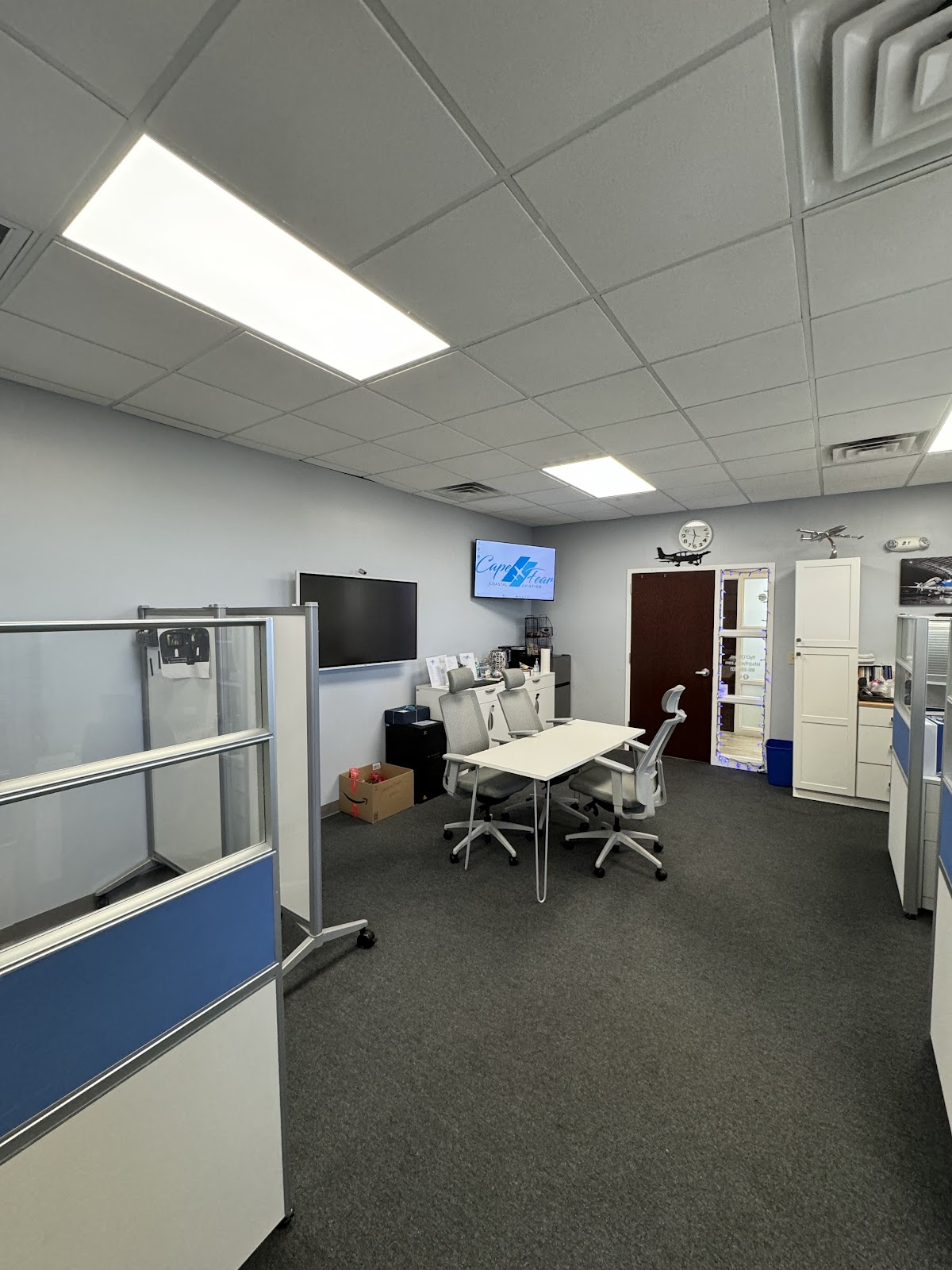
Wilmington, NC · KILM
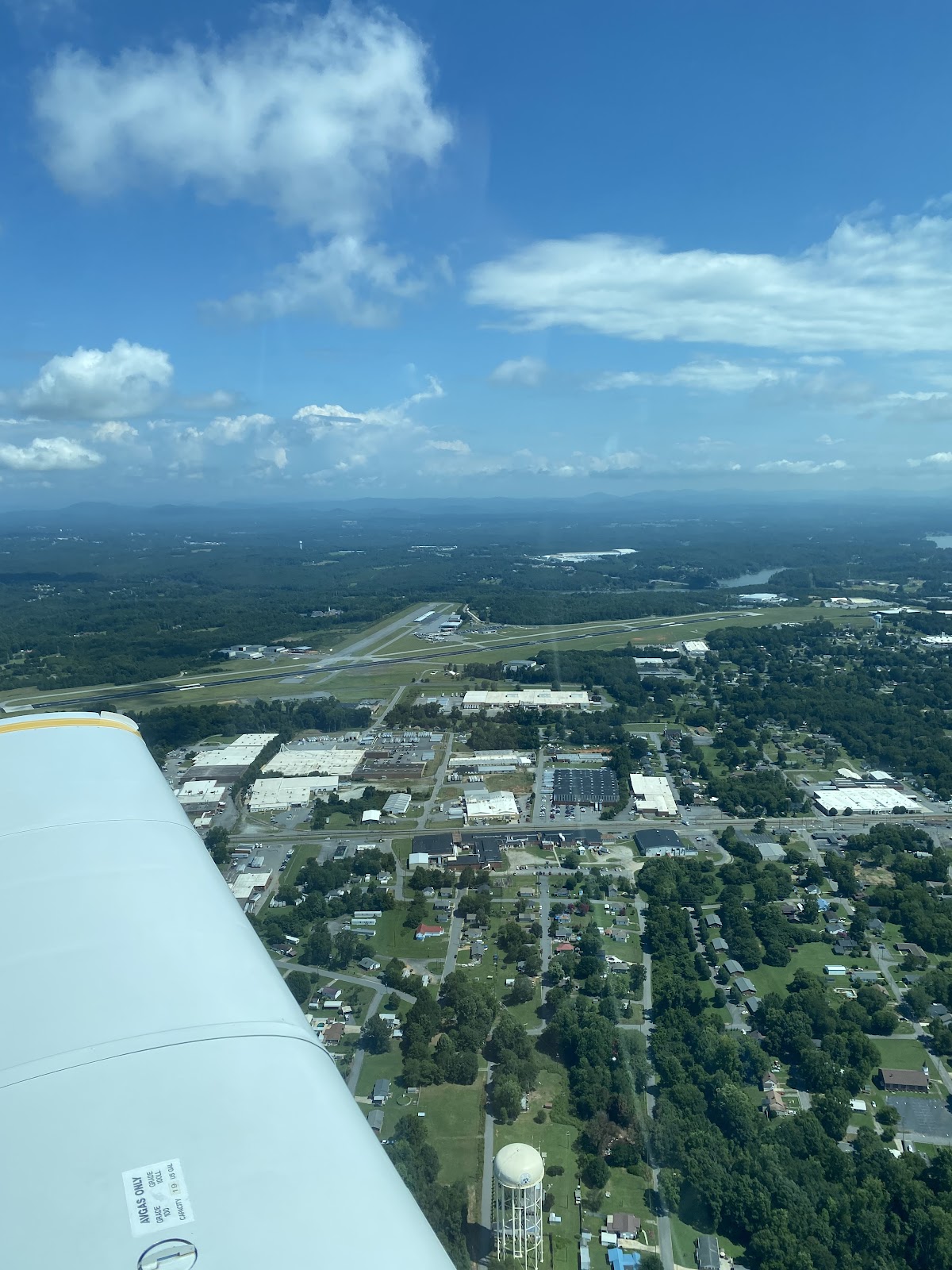
Hickory, NC · KHKY
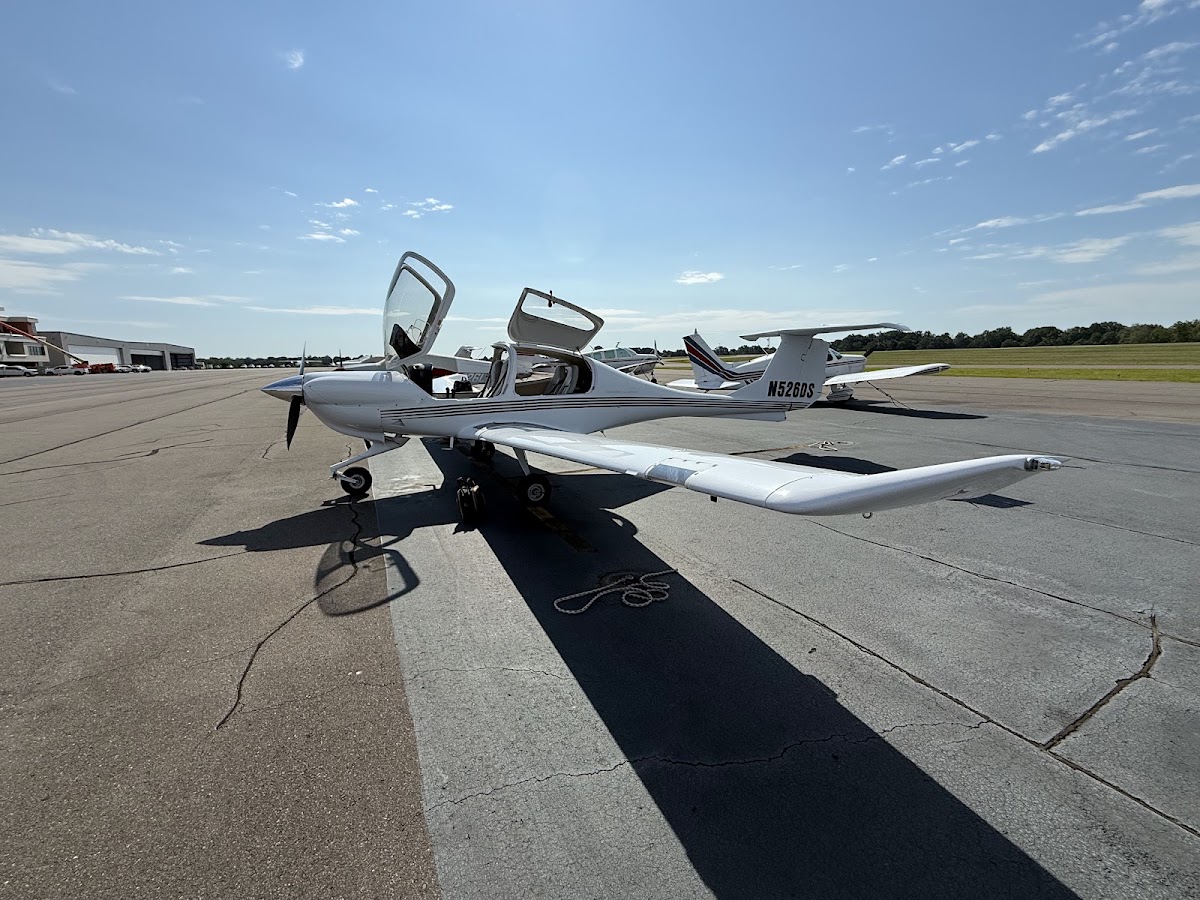
Statesville, NC · KSVH
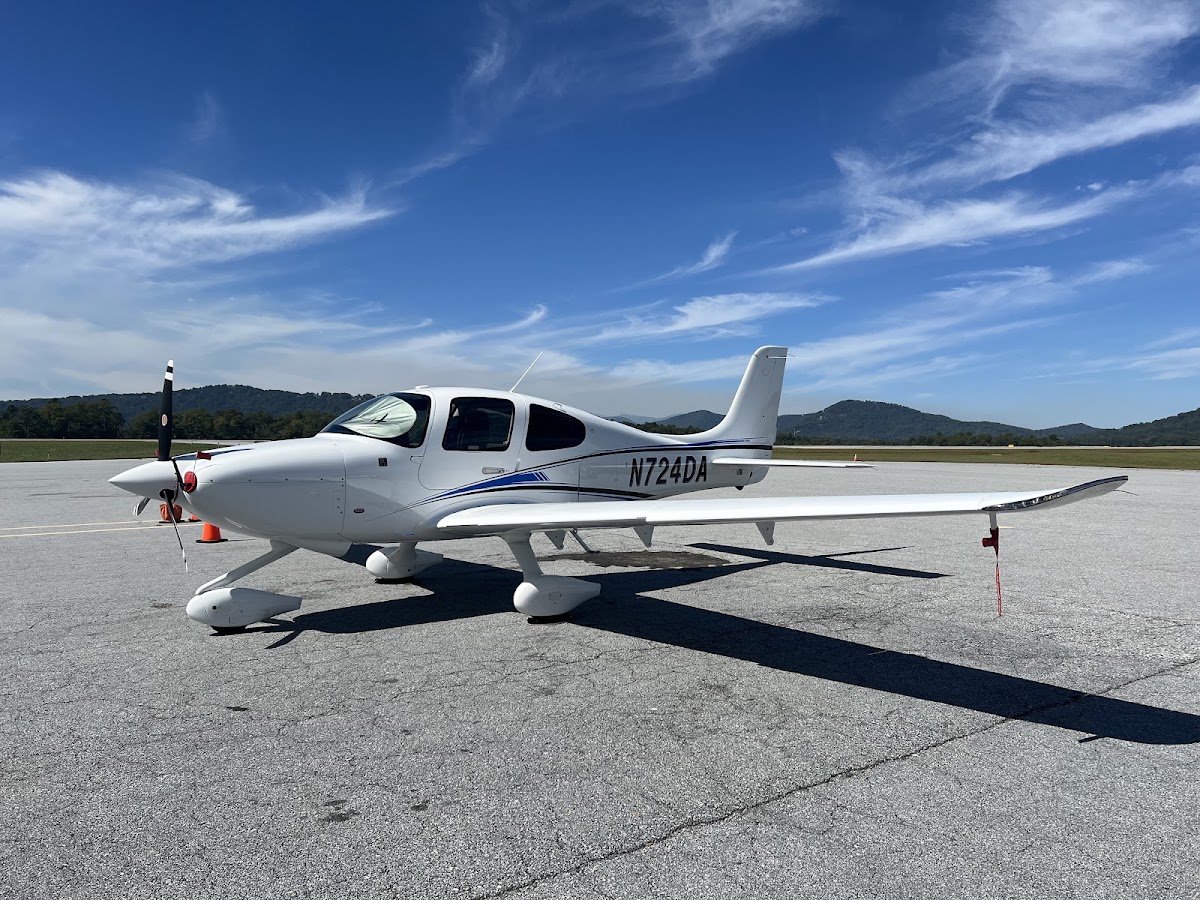
Fletcher, NC · KAVL
Hickory, NC · KHKY
Richlands, NC · KOAJ
Sanford, NC · KTTA
Greensboro, NC · W88
Climax, NC · K3A4
Lexington, NC · KEXX
Greensboro, NC · W88

Pikeville, NC · KGWW
Greensboro, NC · KGSO
Pikeville, NC · KGWW
Stoneville, NC · KSIF
Garner, NC · NC99
Charlotte, NC · KCLT
Concord, NC · KJQF
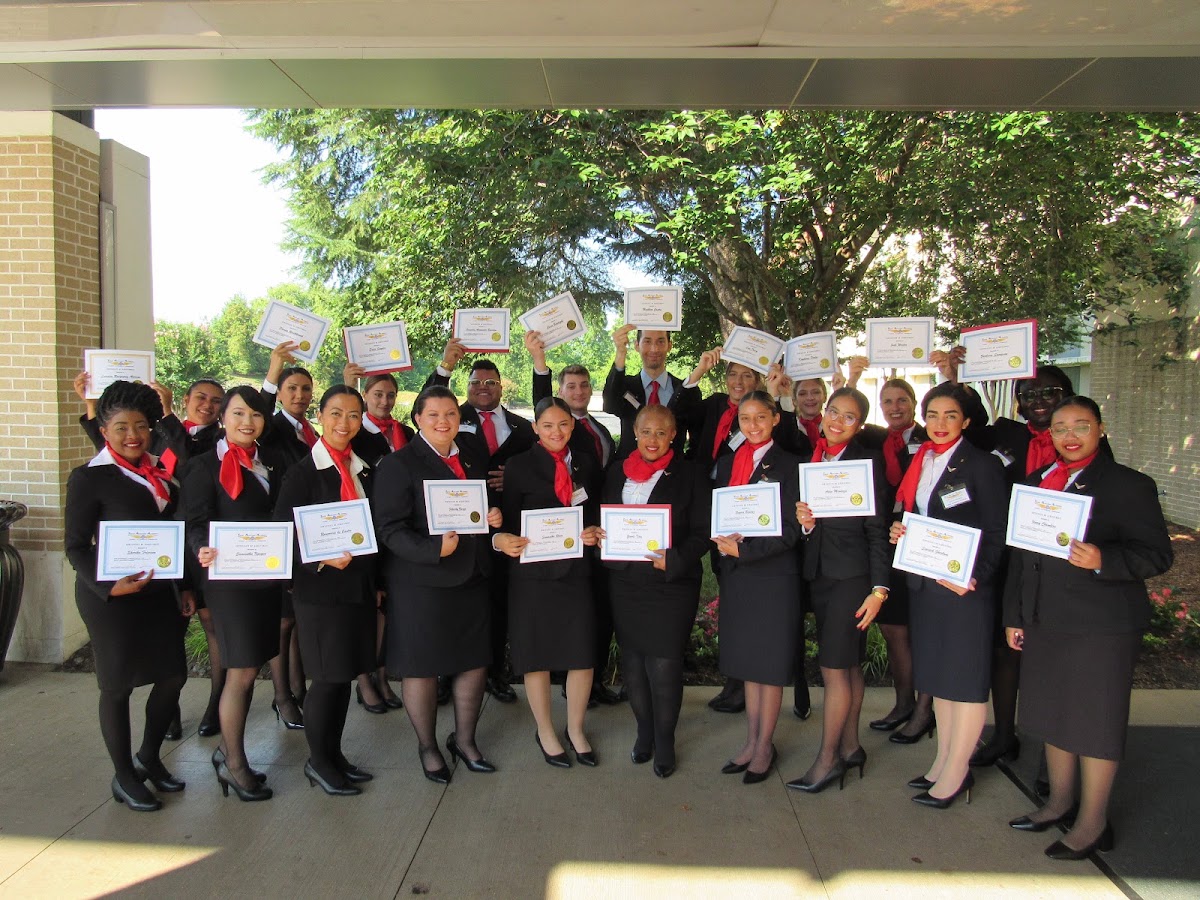
Greensboro, NC · KGSO
Louisburg, NC · KLHZ
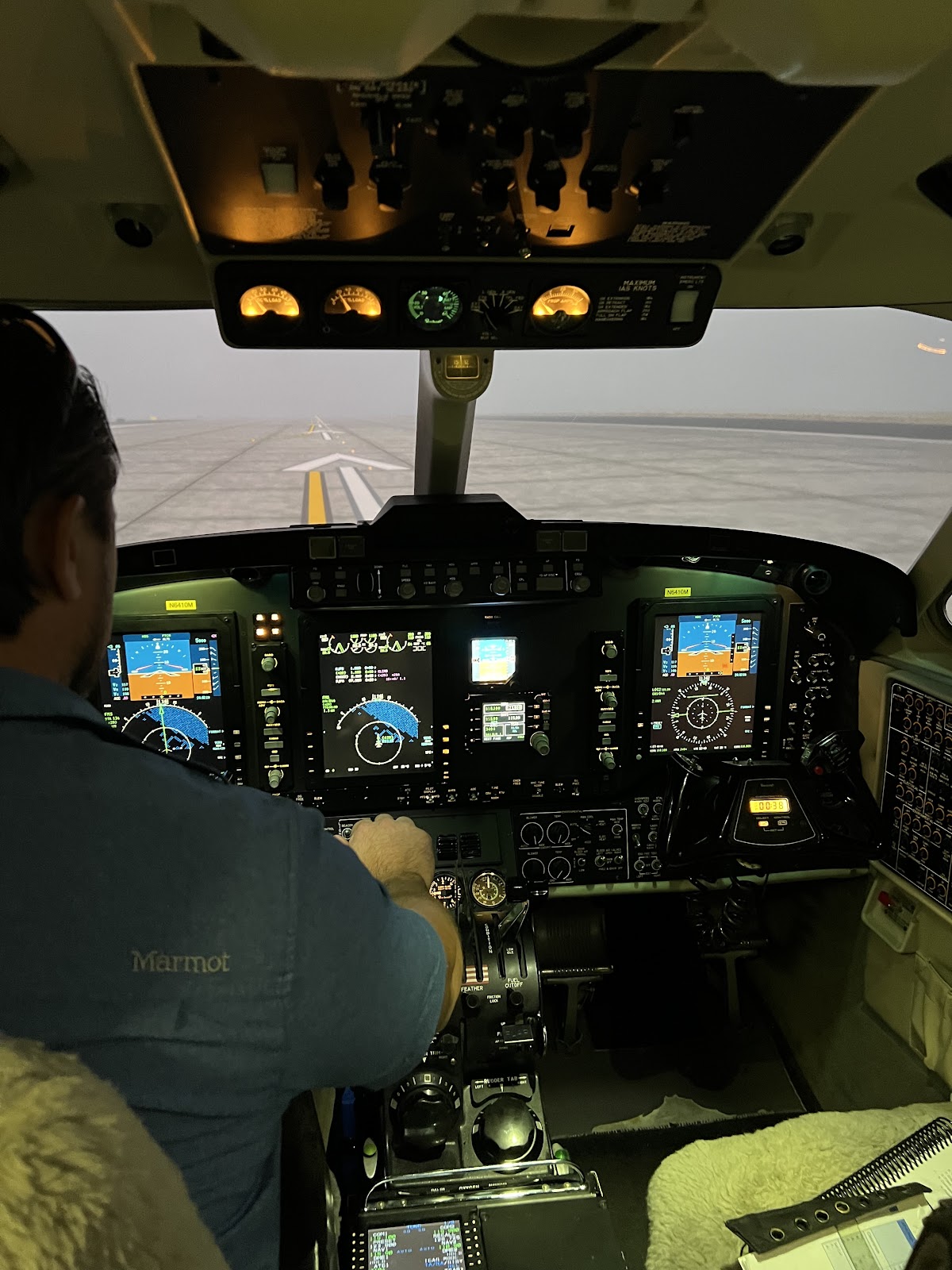
Concord, NC · KJQF
Mooresville, NC · K14A
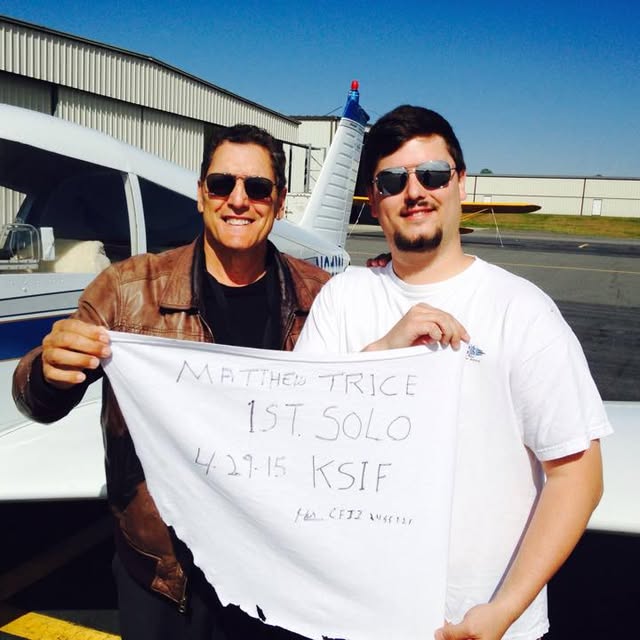
Greensboro, NC · KGSO
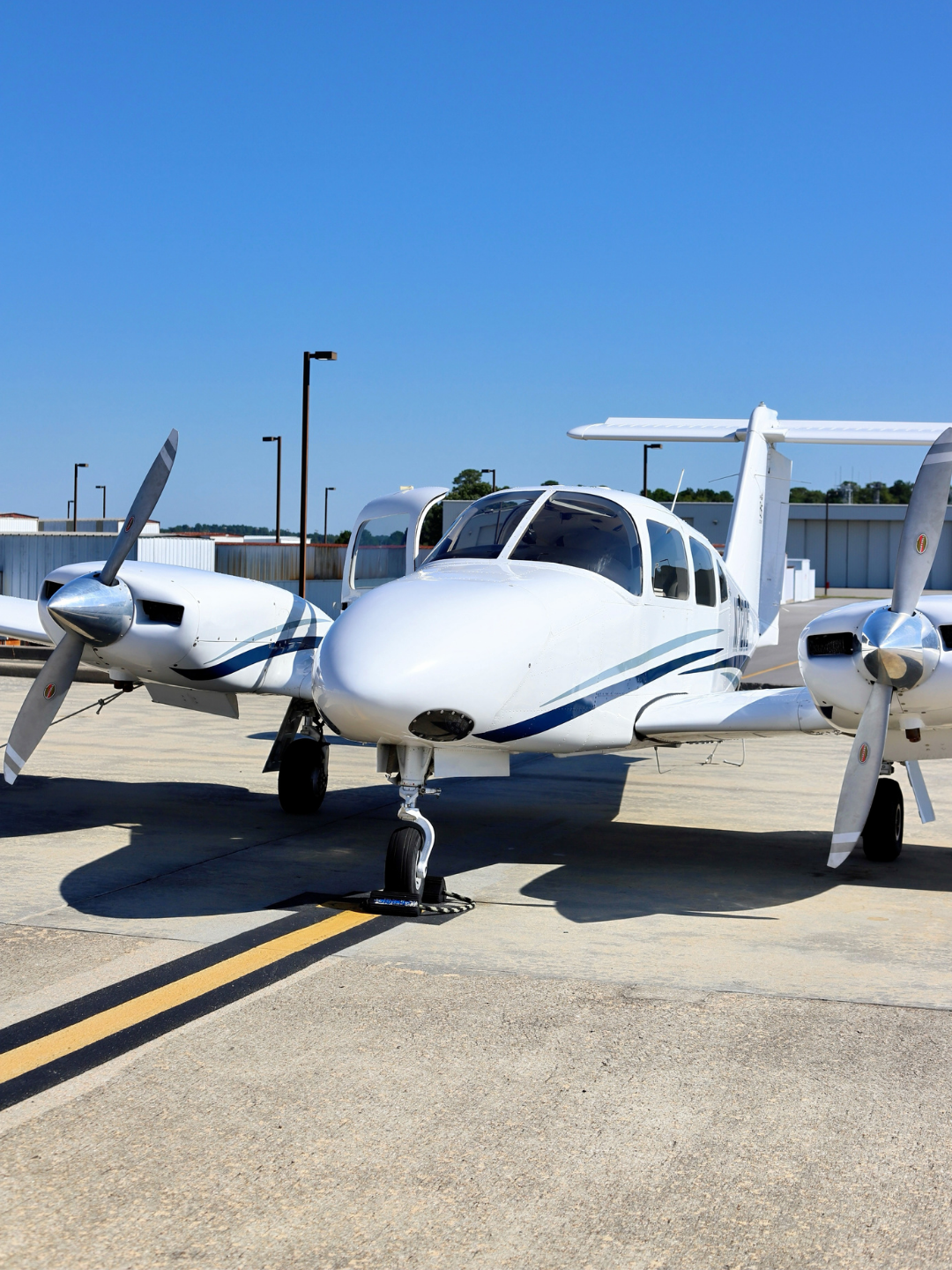
Morrisville, NC · KRDU
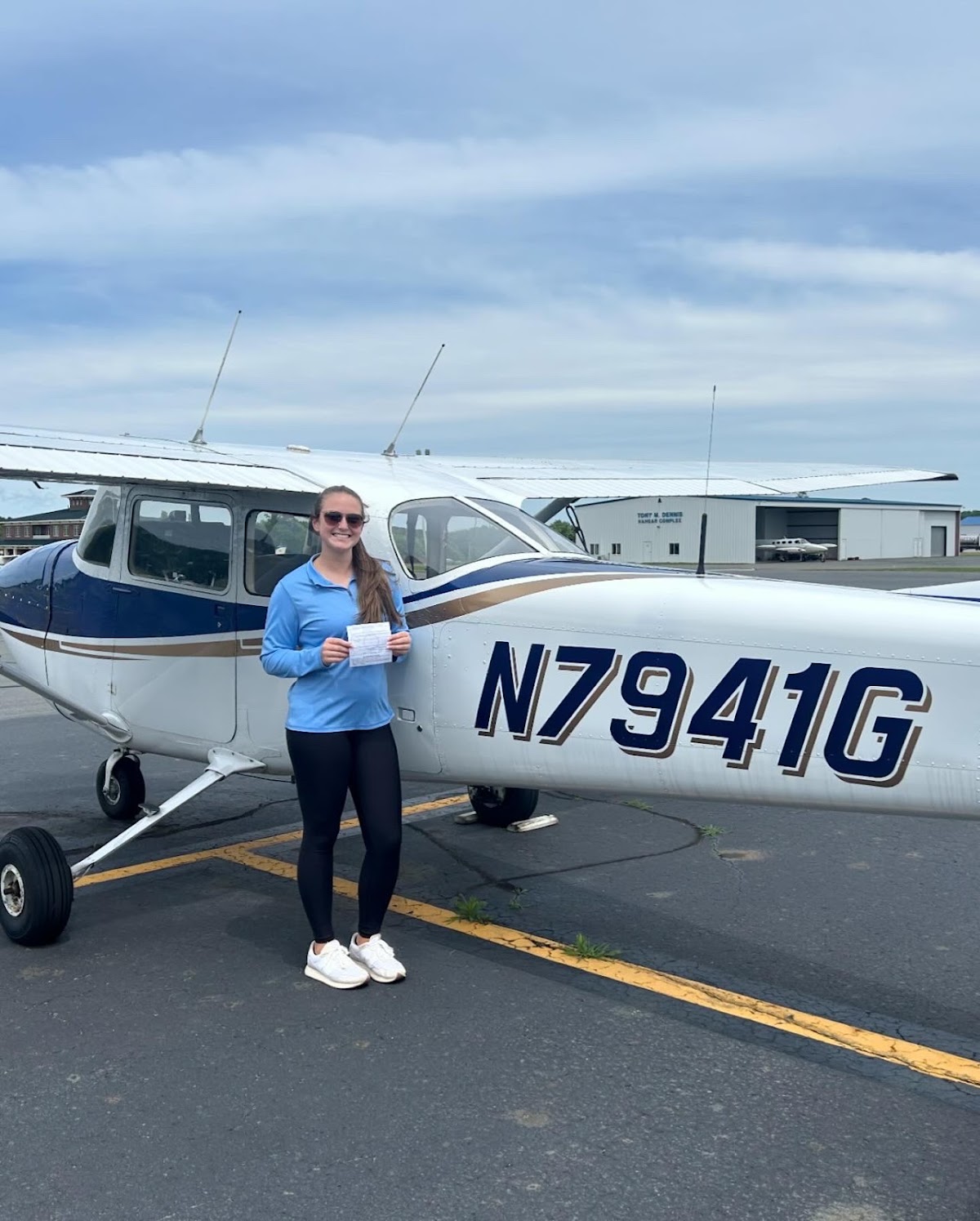
New London, NC · KVUJ
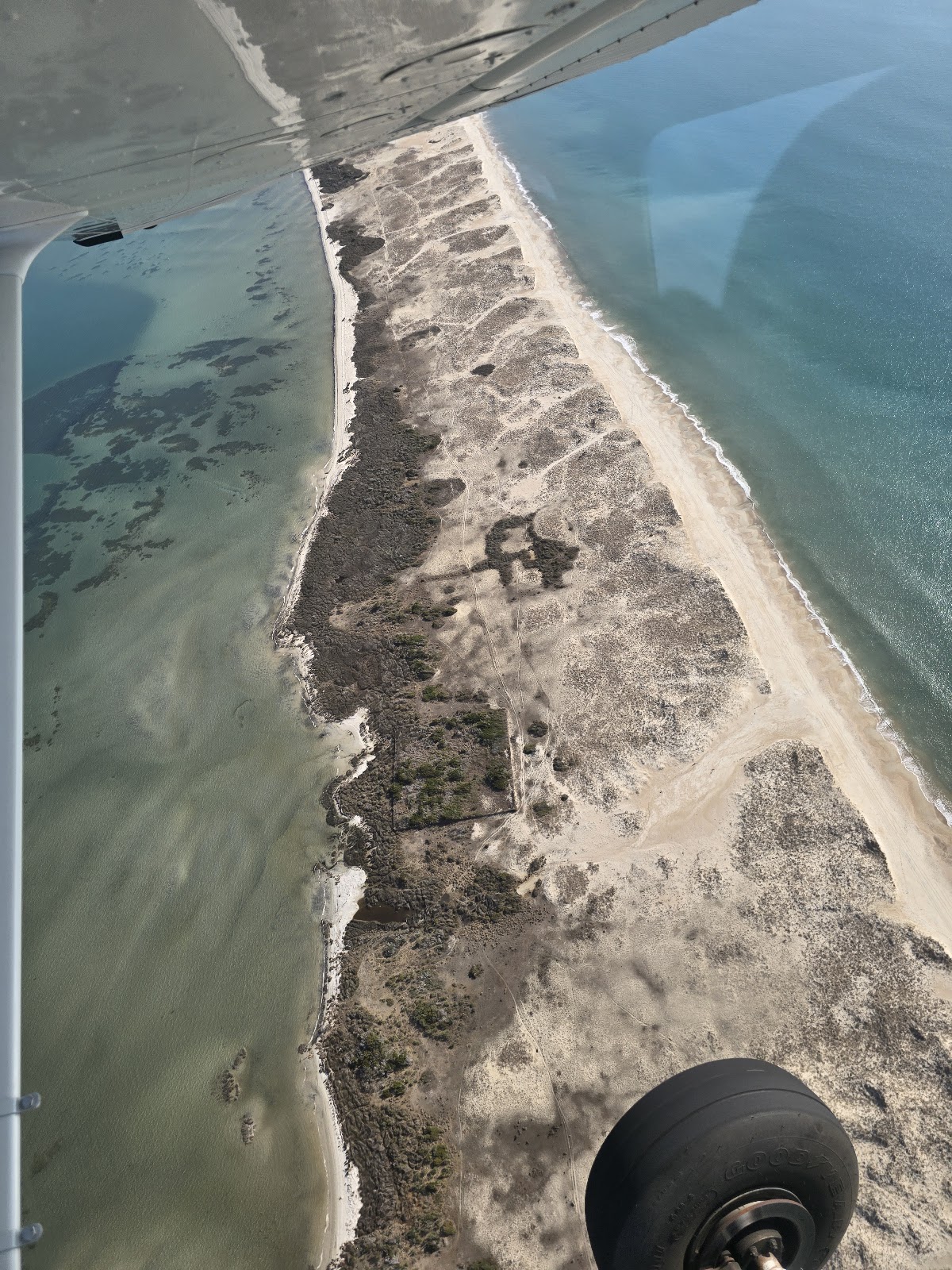
Beaufort, NC · KMRH
Richlands, NC · KOAJ
Greenville, NC · KPGV

Monroe, NC · KEQY
Burlington, NC · KBUY
Greensboro, NC · KGSO
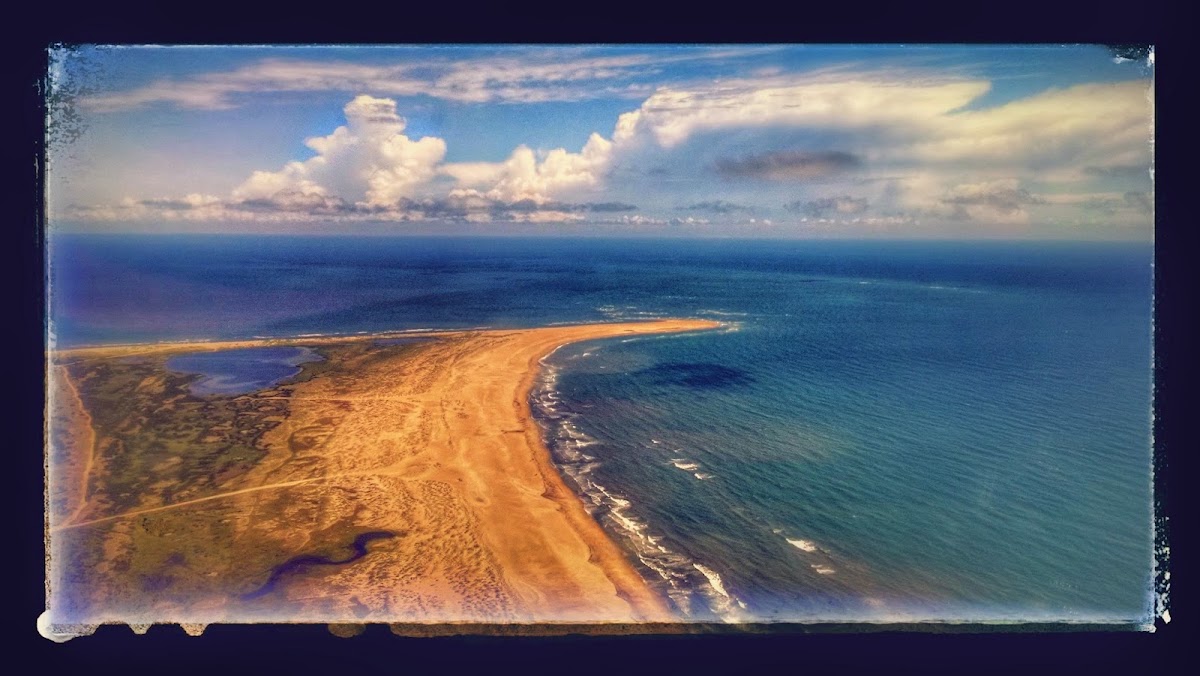
New Bern, NC · KEWN
Oxford, NC · KHNZ
Sanford, NC · KTTA
New Bern, NC · KEWN
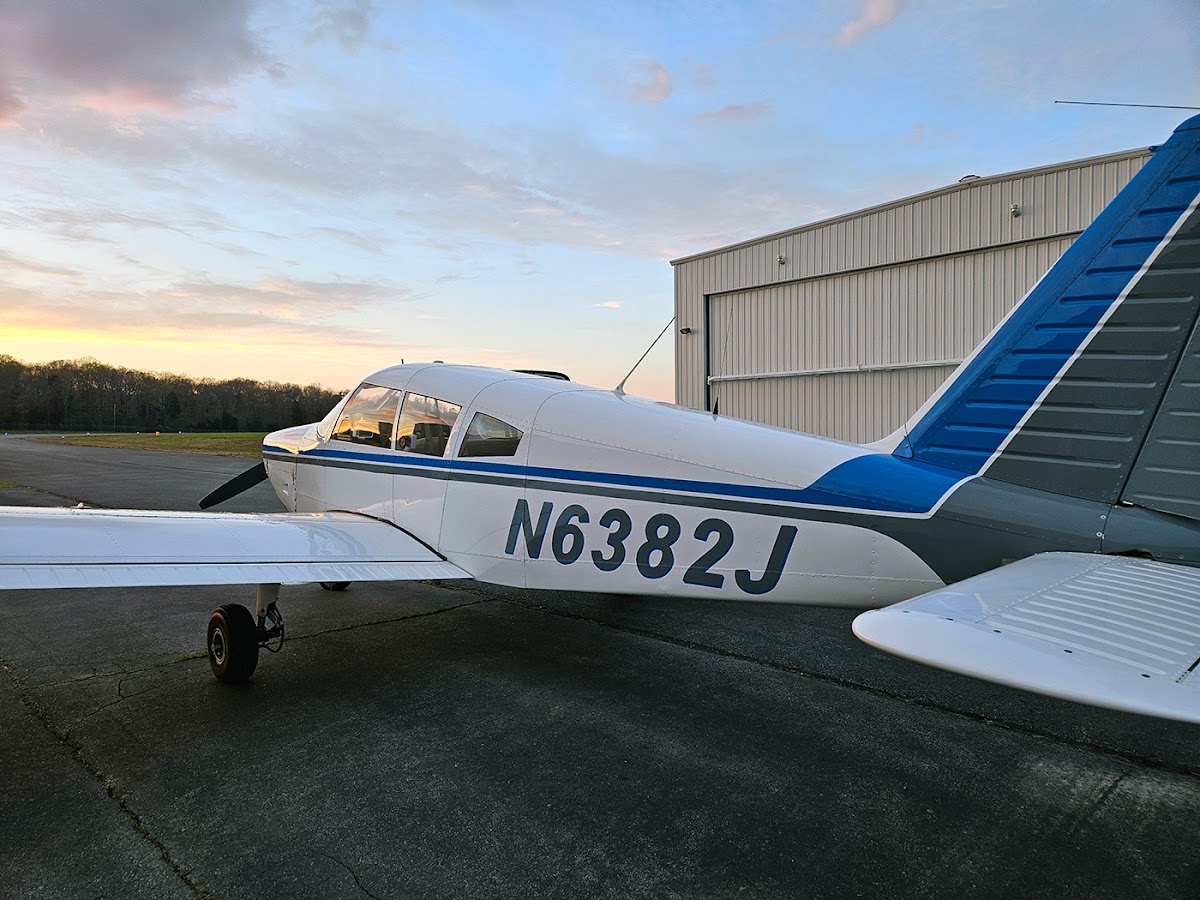
Asheboro, NC · KHBI
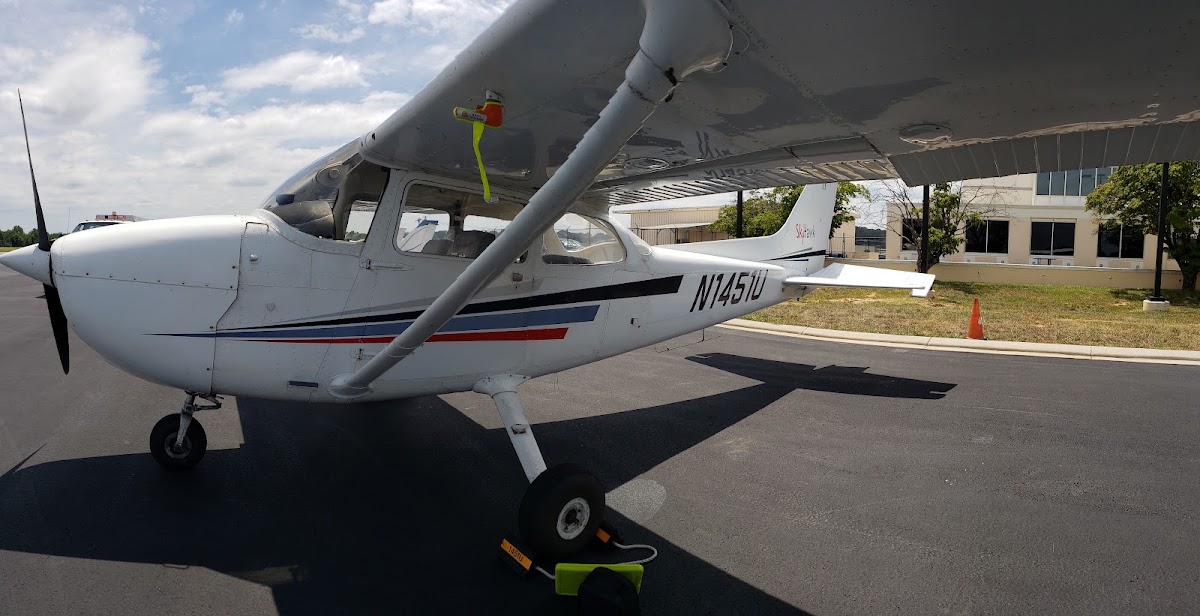
Winston-Salem, NC · KINT
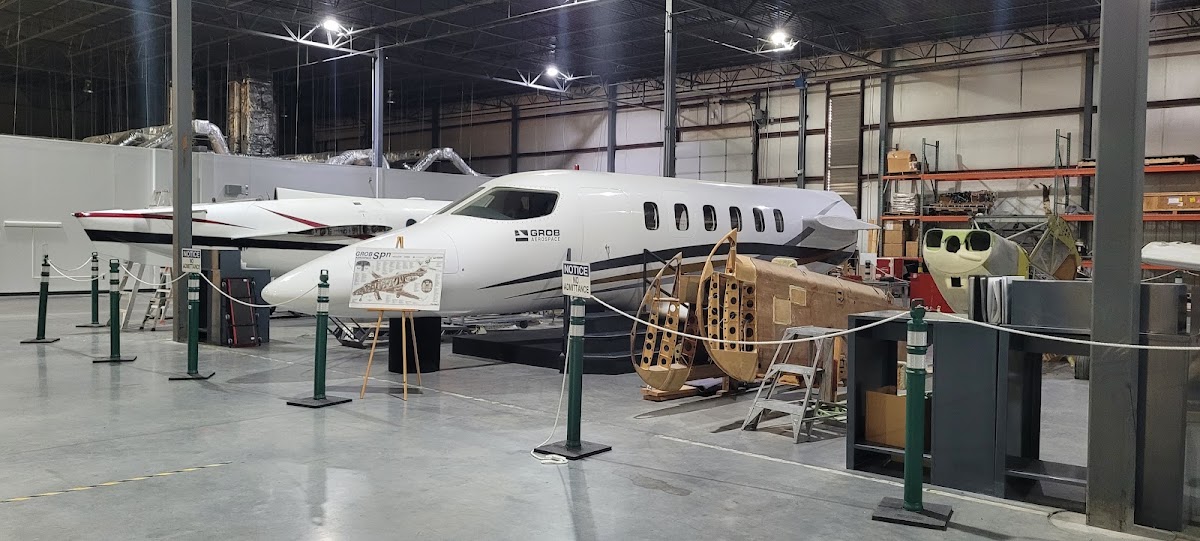
Greensboro, NC · KGSO
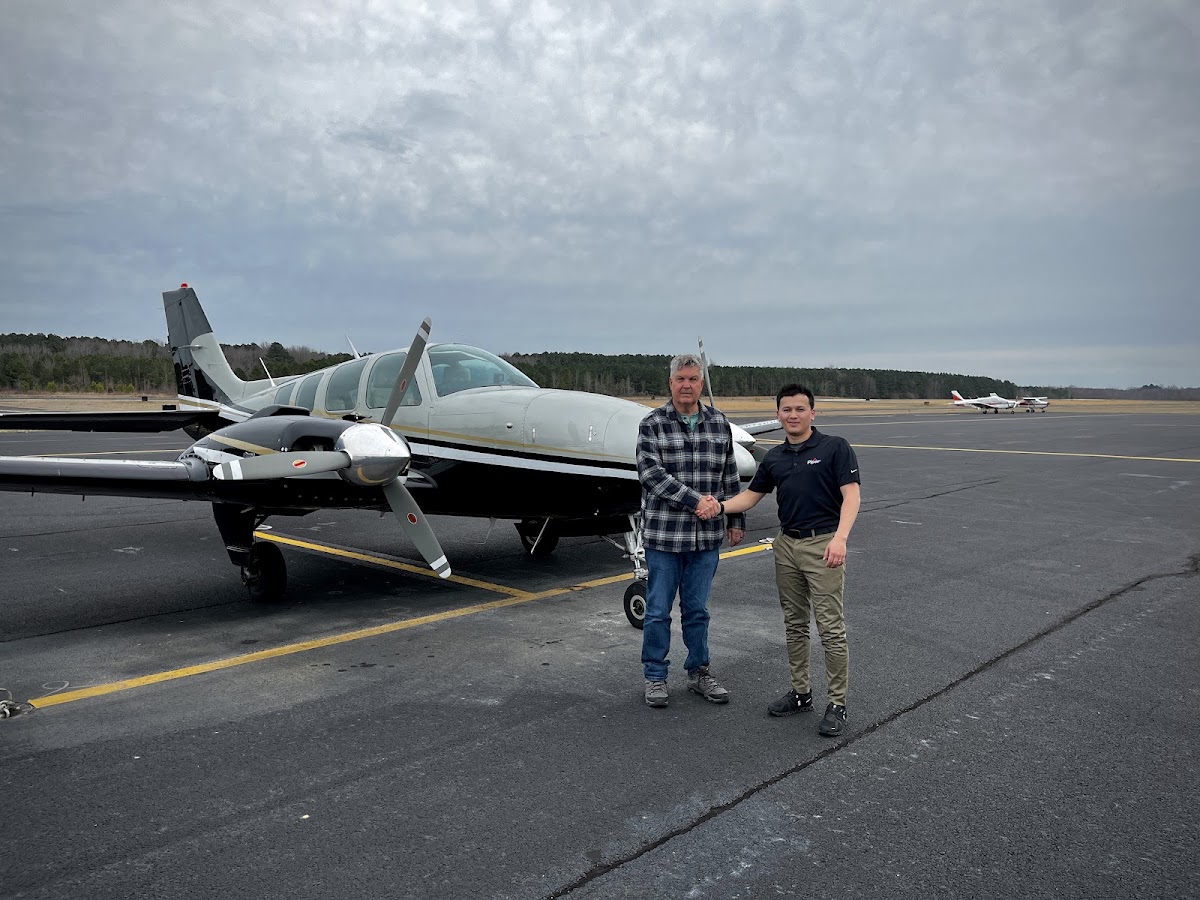
Morrisville, NC · KRDU
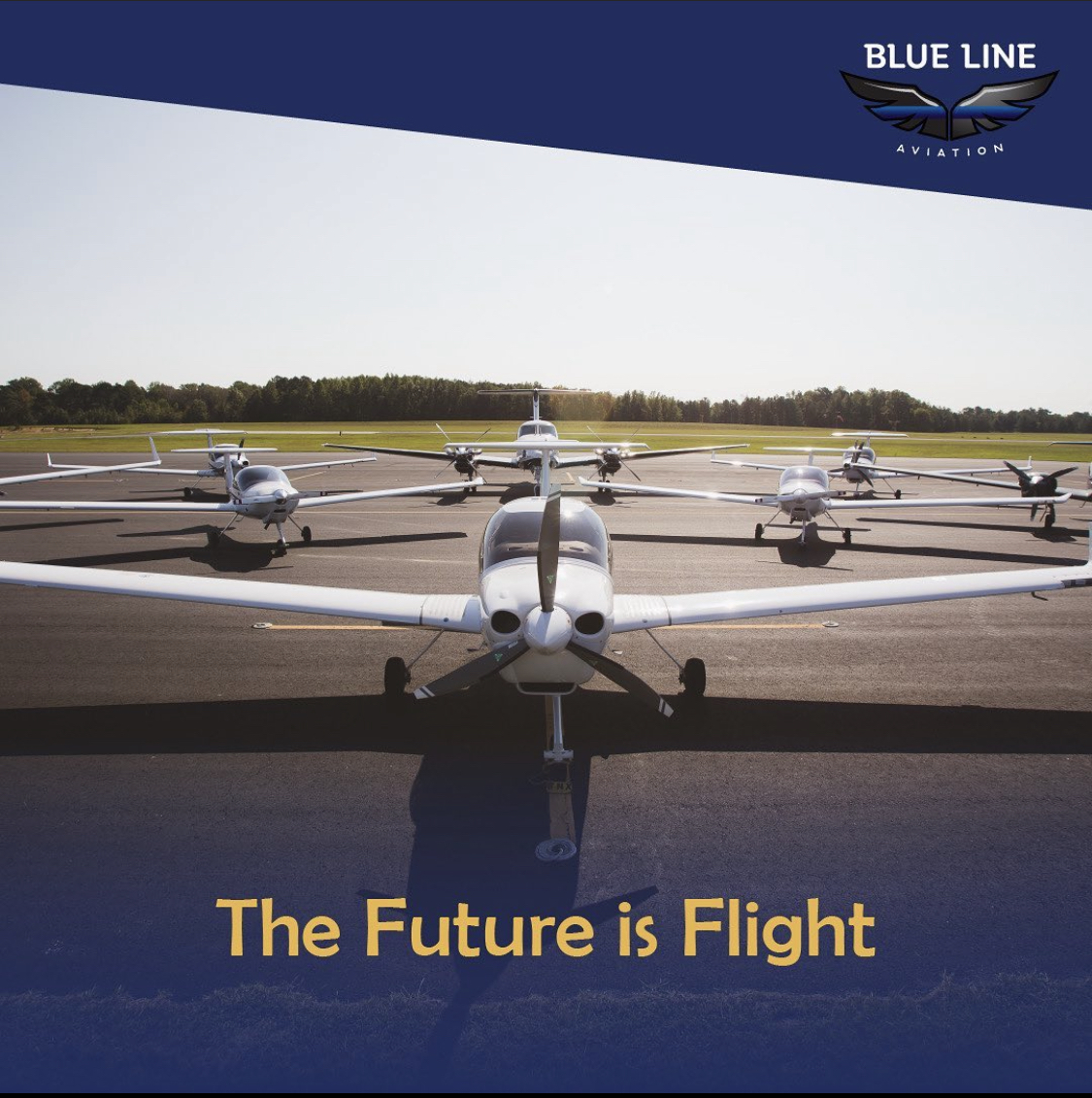
Smithfield, NC · KJNX
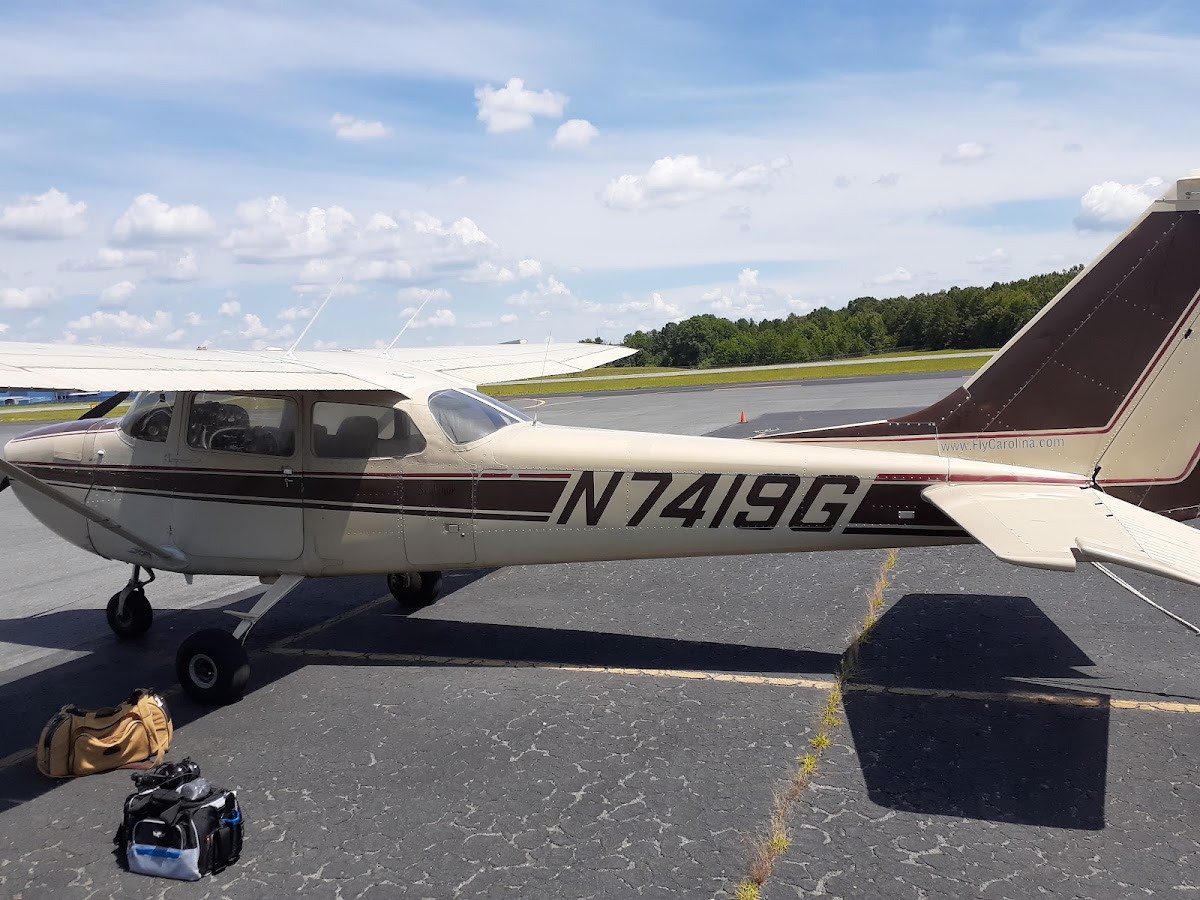
Monroe, NC · KEQY
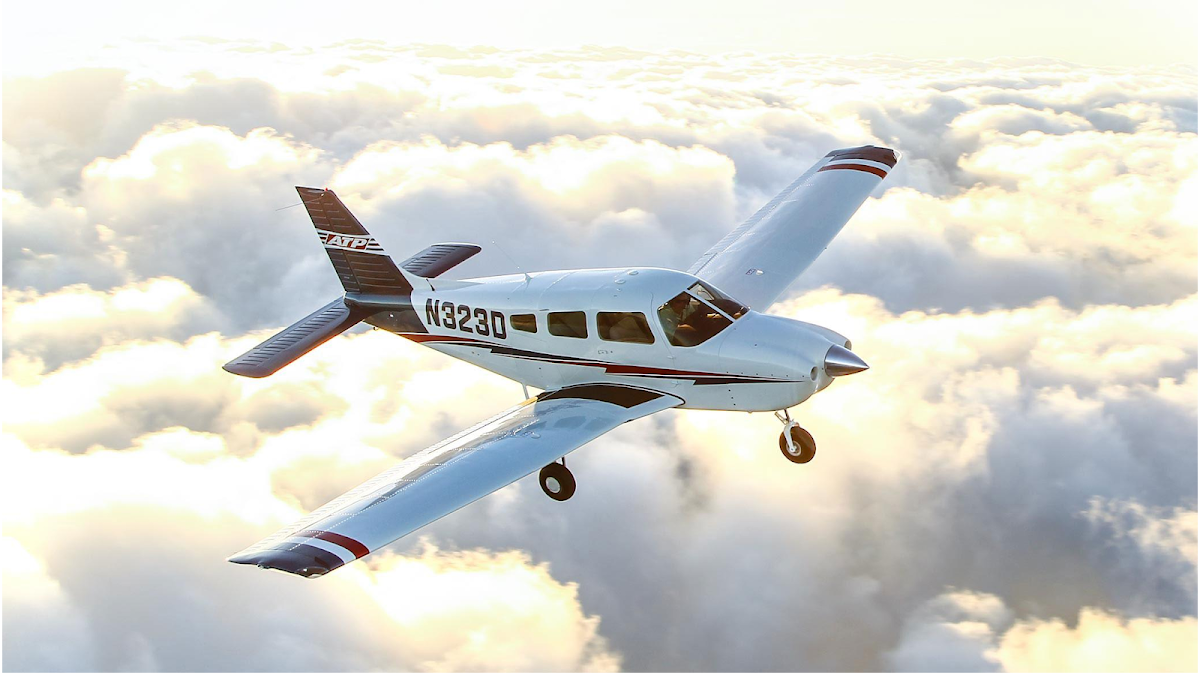
Morrisville, NC · KRDU
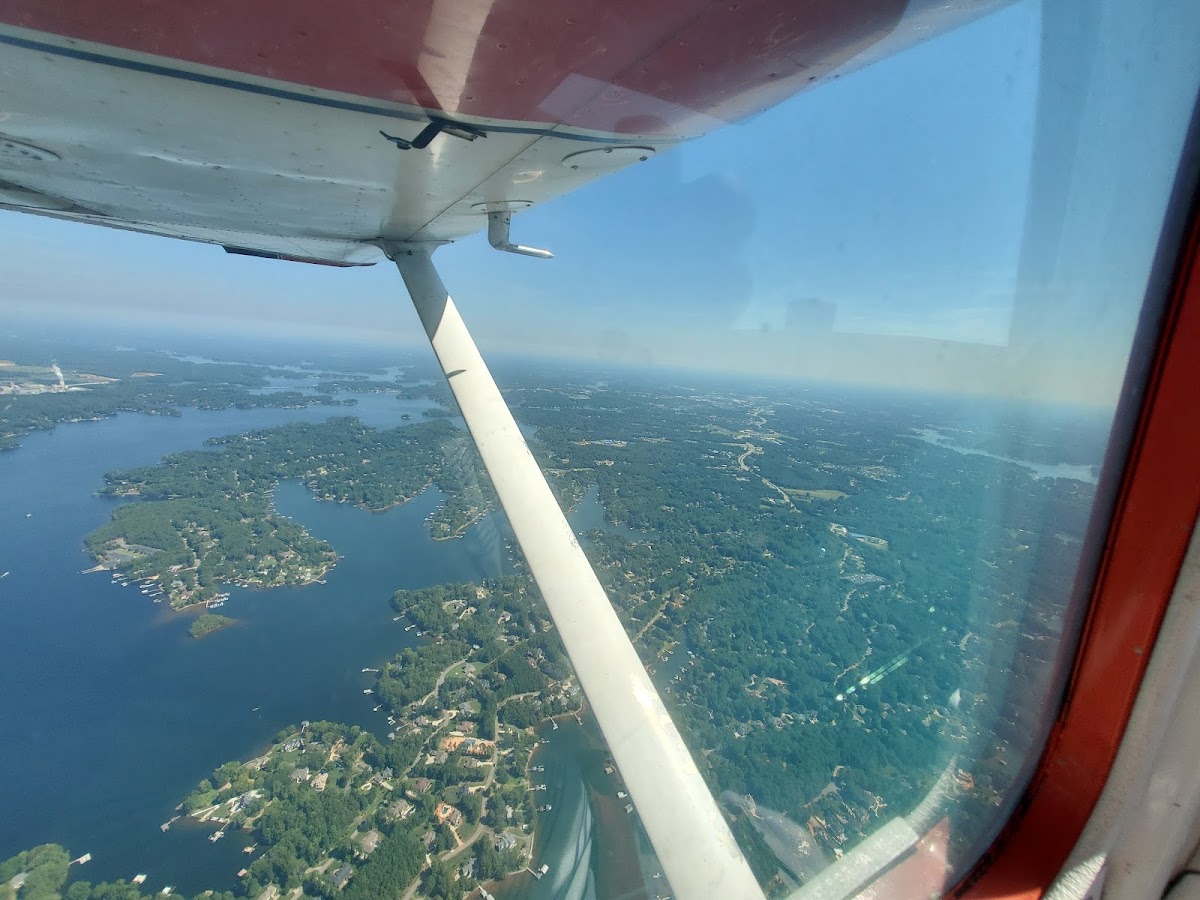
Concord, NC · KJQF
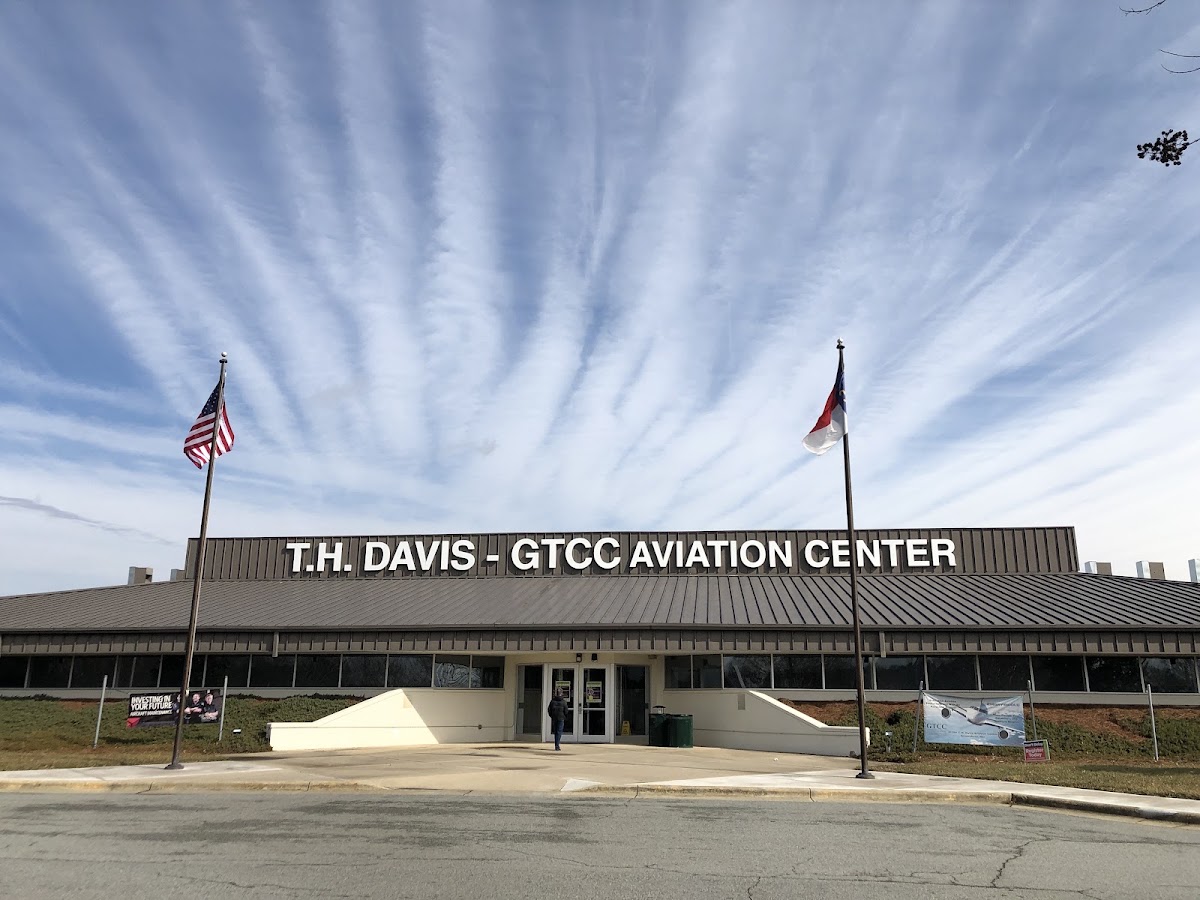
Greensboro, NC · KGSO
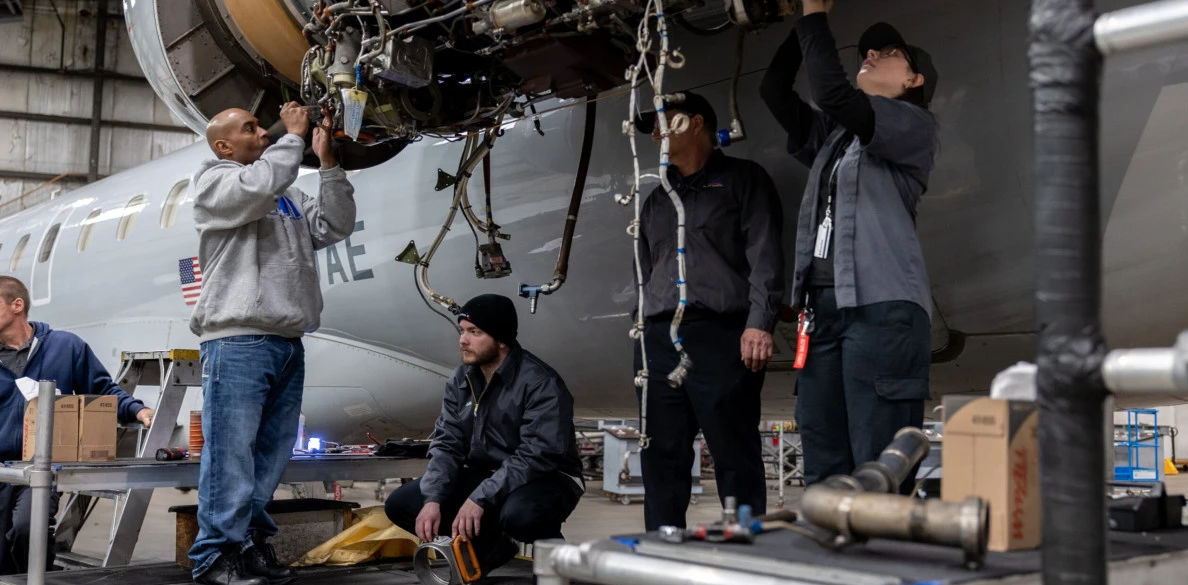
Charlotte, NC
Greensboro, NC · KGSO
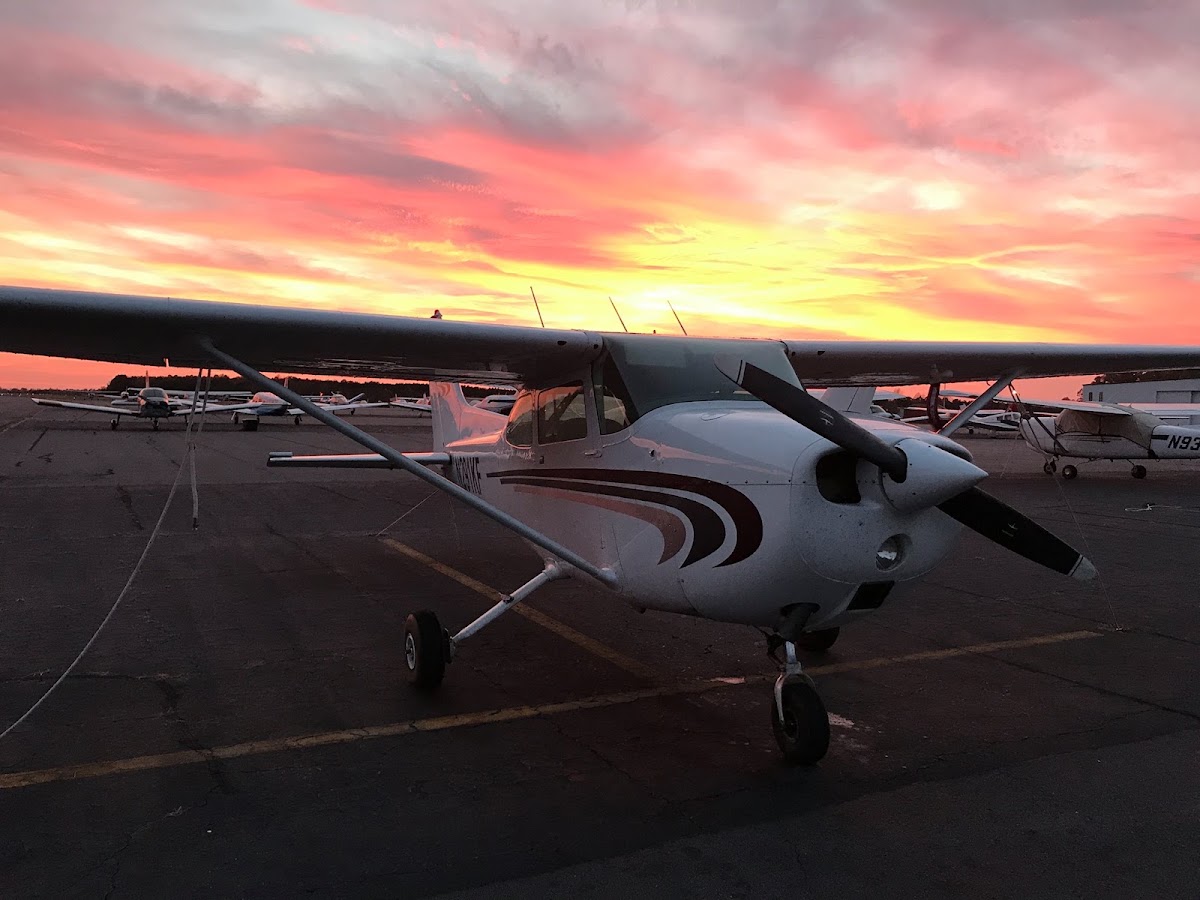
Carthage, NC · KSOP
Gastonia, NC · KAKH
Fayetteville, NC · KFAY
Concord, NC · KJQF
Greensboro, NC · KGSO
Charlotte, NC · KCLT
Fletcher, NC · KAVL
Winston-Salem, NC · KINT
Morrisville, NC · KRDU
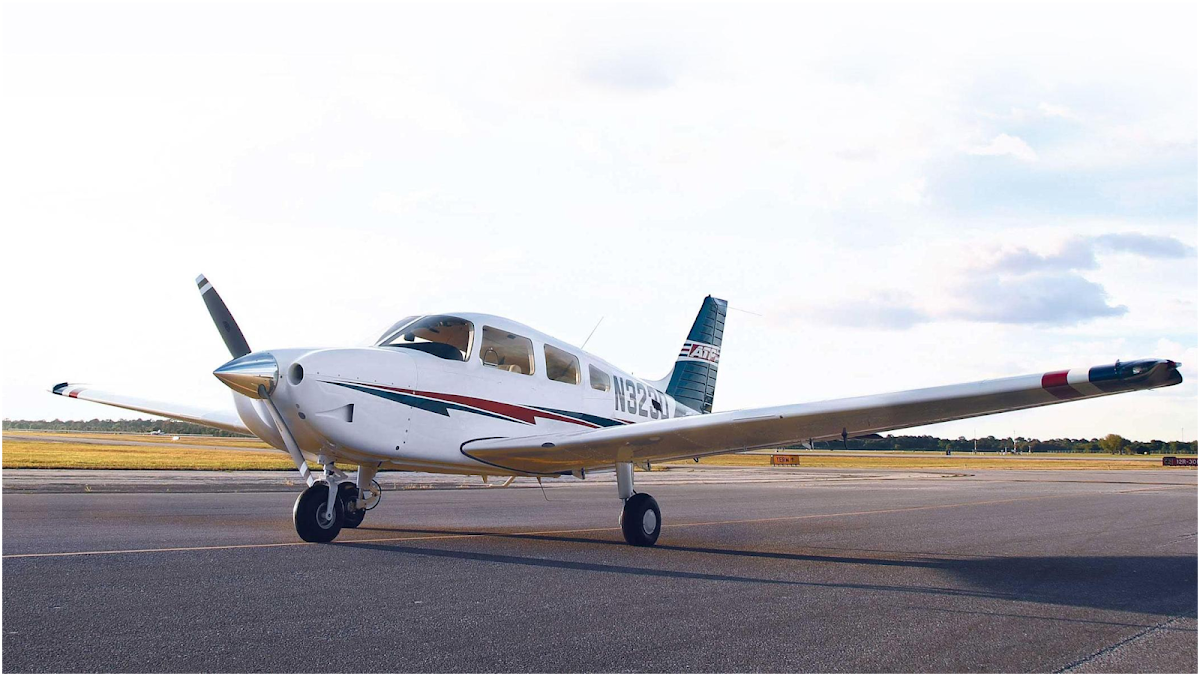
Concord, NC · KJQF
Jamestown, NC
Wilmington, NC · KILM
Greensboro, NC · KGSO
Wilmington, NC · KILM

Concord, NC · KJQF
Whitsett, NC · NR21
Greensboro, NC · KGSO
Greensboro, NC · KGSO
Greensboro, NC · KGSO
Greensboro, NC
Charlotte, NC · KCLT
North Carolina hands you three flying environments inside one state line. The coastal plain is flat, wide and dotted with old military and county fields. The Piedmont in the middle carries the population, the traffic and the Class B. West of Hickory the ground climbs into the Blue Ridge, where the highest terrain east of the Mississippi sits and the air behaves accordingly.
That spread is the real argument for training here. A student based around Greensboro or Raleigh can fly toward the Outer Banks one weekend and toward the mountains the next, and the two trips ask for different things: one is about sea breeze, haze and long sightlines over water, the other about density altitude, ridge turbulence and choosing valleys wide enough to turn around in. Most states give a student one kind of cross country. This one gives three, and they are all inside a day.
The bill for that variety is a summer that fights you from about noon onward. Schools that keep students moving in July are the ones flying at seven in the morning, so ask about early slots before you sign anything. Compare flight schools across North Carolina and put that question to two or three of them.
83 flight schools are listed across 38 cities in North Carolina, flying from 39 different airports. Between them they carry 2,213 reviews from students on Google, averaging 4.62 out of five. 28 schools hold a rating of 4.8 or better across at least ten reviews, which is the bar worth using when a five-star average rests on two people.
Fields with more than one school on them are worth knowing about: you can visit two or three in an afternoon and compare them properly instead of driving across the state twice.
Greensboro 16 Concord 7 Morrisville 6 Charlotte 4 Wilmington 4
Not every school teaches everything. These are the North Carolina schools that list training past the basic airplane certificate, which is where the state's geography tends to show: seaplane work follows the water, and mountain and tailwheel training follow the terrain.
Instrument Rating (IFR) 19 Airline Transport Pilot (ATP) 5
Ranked on Google rating, counting only schools with fifteen reviews or more. We take no payment for position; this is arithmetic on public review data, not an endorsement.
From late May into September, heating over the Piedmont and the coastal plain builds cumulus by late morning and thunderstorms by mid afternoon, frequently in the same places on consecutive days. A two o'clock lesson in July is a coin flip. A seven o'clock lesson usually is not. Atlantic hurricane season runs June 1 to November 30, and a system sitting offshore can shut the eastern half of the state down for several days without ever making landfall. The compensation arrives in autumn and winter, which give this state some of the cleanest air in the country: cool, dry, stable, and good for the kind of precise work a checkride asks for. One ice event a winter will still ground a fleet for a week.
Charlotte carries the state's only Class B, and it is busy enough that most local training happens at the satellite fields around it rather than underneath the centre of it. Raleigh-Durham, Greensboro, Fayetteville, Wilmington and Asheville are Class C, which is arguably the better classroom: you get real radar service and real sequencing without the taxi queue. East of Interstate 95 the chart changes character completely. Military operations areas and restricted areas tied to the Marine Corps and Air Force fields near Goldsboro, Havelock and Jacksonville cover a lot of ground, and a coastal cross country that ignores them plans itself into airspace it cannot enter. Have your instructor walk you through checking those before your first solo trip east.
The eastern third of North Carolina is close to sea level and forgiving, with straight runways, easy fields underneath and a coastline you can navigate off. The catch is the water itself: sea breeze fronts that swing the wind ninety degrees in the afternoon, and morning fog on the sounds that burns off later than the forecast says. The far west is a different aeroplane. Valley airports ringed by higher ground mean shorter usable approaches, real density altitude on a summer afternoon, and mechanical turbulence or mountain wave when a strong westerly runs across the ridges. None of that is beyond a private pilot, but it is learned with somebody beside you, not from a website.
The federal minimum for a private certificate is 40 hours under Part 61, and almost nobody finishes there. What actually decides your total is how often you fly, because the student flying twice a week spends the first ten minutes of each lesson reviewing and the student flying twice a month spends thirty. In North Carolina that argues for loading your schedule into autumn, winter and early spring, then treating summer as bonus morning flying. Cost follows the same logic. Aircraft type, how many hours a week you can protect, and taxi time at a busy field move the number far more than the hourly rate on the website does, so get current quotes from local schools rather than a national average.
It is a strong one, mostly because of range. Inside a couple of hours you can practise coastal work, dense Piedmont airspace and genuine terrain flying, which is a wider education than a flat state or a permanently sunny one provides. The trade is a summer convective season that eats afternoons, plus a handful of winter ice days. If your schedule only allows evening lessons in July, ask a school directly how many of those they expect to lose.
More than in the Great Lakes states and less than in Arizona. Autumn through early spring is the strongest stretch, with cool stable air and reliable visibility. Summer is flyable but front loaded, so the good lessons happen before eleven. Hurricane season can remove several consecutive days from the eastern half of the state. Book more slots than you need and expect to release some; that habit is worth more than any forecast app.
Both work, and they teach in a different order. Starting at a Class C field means radio work becomes normal early, at the price of taxi and hold time you are paying for. Starting at a non-towered field buys you cheaper pattern work and forces you to build your own traffic picture, which is a genuine skill. Whichever you pick, fly into the other one often. A pilot who only knows one is uncomfortable the first time it matters.
No rating is required, and that is exactly why it catches people. Terrain in the west changes how the aeroplane climbs, where the turbulence lives and how much runway you really have on a hot day. Get a checkout with an instructor who flies there regularly before taking passengers into a valley field. If you are heading toward more advanced work anyway, the instrument rating is the single best answer to Southeast haze and low coastal cloud.
Text size
Contrast and legibility
Motion
These are display preferences saved to this browser. They do not replace your operating system or browser accessibility settings, which this site also respects. If something here does not work with your assistive technology, our accessibility statement lists the known gaps and how to report a new one.